Budget-Friendly Septic Inspection Services Guide
When it comes to maintaining your septic system, finding budget-friendly inspection services can be crucial, especially in areas where soil conditions and local regulations can vary significantly. In regions prone to heavy rainfall or where the water table is high, septic systems may require more frequent inspections to ensure they are functioning properly without incurring costly repairs later on.
To guarantee your system runs efficiently without overspending, it’s wise to compare quotes from different service providers while keeping in mind the specific challenges presented by your local environment. Understanding the local regulations can also play a key role in selecting the right service; some areas may have stricter inspection requirements that can influence your decision.
Knowing where to start and what to look for can be tricky, but taking the time to research local septic care options can lead to reliable and cost-effective solutions for your home. Look for services that offer comprehensive inspections, as well as recommendations based on your specific location and system needs. By making informed choices, you can ensure your septic system remains in good condition without straining your budget.
Understanding Septic Systems and Their Importance
Understanding septic systems is crucial for homeowners in rural areas where municipal sewage systems aren’t available. These systems are vital for treating and disposing of wastewater from your household, allowing you to enjoy modern conveniences.
A typical septic system consists of a septic tank and a drain field, where solid waste settles and beneficial bacteria help break it down. In regions with clay soil, for instance, drainage may be slow, leading to potential backups and costly repairs if not properly maintained.
Additionally, heavy rainfall can saturate drain fields, causing them to become less effective and increasing the risk of environmental hazards, such as groundwater contamination.
Being aware of how your septic system operates can help you identify potential problems early on. Regular maintenance, such as pumping the tank and monitoring for signs of failure, is essential to ensure your system remains functional and environmentally friendly.
The Benefits of Regular Septic Inspections
Regular septic inspections can save homeowners in our community from costly repairs down the line by catching issues early.
In areas where heavy rainfall can lead to groundwater saturation, septic systems can face additional stress, making it crucial to stay on top of maintenance.
By ensuring your system is inspected regularly, you can extend its lifespan and ensure it operates efficiently for years to come.
Investing a little time and effort into preventative care now can lead to significant savings later on, especially in a region where septic failures can disrupt daily life and impact property values.
Prevent Costly Repairs
Scheduling routine septic inspections can save homeowners in our region from unexpected, costly repairs down the line. Local soil conditions and weather patterns can contribute to specific challenges that may affect septic systems.
By catching small issues early, you can avoid major breakdowns that could lead to extensive damage. Regular inspections help identify problems like leaks, clogs, or failing components before they escalate, which is especially important given the heavy rains and fluctuating temperatures we often experience here.
This proactive approach not only prevents expensive repairs but also reduces the risk of emergency service calls, which can be significantly more costly. Additionally, addressing minor repairs promptly keeps your system running efficiently, ultimately saving you money on utilities.
Investing in regular inspections is a wise choice that pays off over time, safeguarding your home and finances from the stress of septic system failures. Don’t wait for a disaster to strike; schedule your inspection today to ensure your system remains in good working order.
Extend System Lifespan
By prioritizing routine septic inspections, homeowners in our region can significantly extend the lifespan of their systems. Regular check-ups are essential, especially given the unique challenges our area faces, such as fluctuating water tables and heavy rainfall during certain seasons.
These conditions can exacerbate minor issues, making early detection vital. During inspections, experienced professionals can identify signs of wear and tear specific to our environment, ensuring that necessary maintenance is performed in a timely manner. This proactive approach not only enhances the efficiency of your septic system but also helps prevent unexpected breakdowns that could lead to costly repairs.
Moreover, maintaining your system is crucial for reducing the risk of environmental contamination, which can be a concern in areas with dense populations and limited drainage options. This not only protects your property but also safeguards the surrounding areas, preserving the local ecosystem.
Ultimately, investing in regular inspections is a wise and economical way to maximize the life of your septic system, saving you time, money, and headaches down the road. Don’t wait—schedule your inspection today to ensure your system is functioning optimally and meeting the demands of our local environment.
Signs Your Septic System Needs Inspection
When your septic system starts showing signs of trouble, addressing it promptly can save you from costly repairs down the line.
In areas with clay soil, common in many regions, slow drains or gurgling sounds in your pipes may be exacerbated by the soil’s inability to absorb water effectively. If you notice unusual odors near your system or in your yard, it’s time to investigate, as these can signal a malfunctioning system.
In places prone to heavy rainfall, puddles or wet spots in your yard, particularly around the drain field, can indicate a significant issue. Additionally, if your grass appears unusually lush over the septic area, it might mean there’s a leak, especially if it contrasts with the surrounding lawn.
Frequent backups in your home’s plumbing are also a clear signal that your system needs immediate attention. Don’t wait too long; early detection can prevent more significant issues and expenses later on, especially in regions where septic systems are prevalent and local regulations may apply.
How to Choose a Budget-Friendly Septic Inspection Service
When searching for an affordable septic inspection service in your area, it’s essential to compare various quotes to secure the most favorable option.
Local regulations and environmental factors can impact service costs, so be mindful of these when evaluating offers.
Additionally, checking the credentials of each company is vital to ensure they possess the necessary qualifications.
This approach allows you to obtain reliable service while staying within your budget.
Compare Multiple Quotes
Getting multiple quotes is crucial for finding an affordable septic inspection service, especially in areas with unique environmental challenges like fluctuating soil conditions or stringent local regulations.
Begin by contacting several local companies to collect estimates. While it may be tempting to choose the lowest bid, it’s important to evaluate the services included and any potential additional charges.
In addition to comparing costs, look closely at the specifics of the inspection, such as the thoroughness of the assessment and any follow-up services that might be offered. This will give you a clearer picture of what you’ll receive for your investment.
Don’t forget to inquire about any available discounts or promotions, as many local providers may offer seasonal deals or loyalty programs.
Once you have gathered a range of quotes, you’ll find it easier to determine which service provides the best overall value for your needs.
This careful consideration will help you make a well-informed decision without exceeding your budget.
Check Credentials Thoroughly
Before hiring a septic inspection service, it’s crucial to thoroughly check their credentials. Start by verifying their licenses and certifications, as this ensures compliance with local regulations and standards specific to your area.
Given the unique soil and environmental conditions that can affect septic systems, look for companies with extensive experience in handling local septic systems, since their expertise can significantly impact the quality of the inspection.
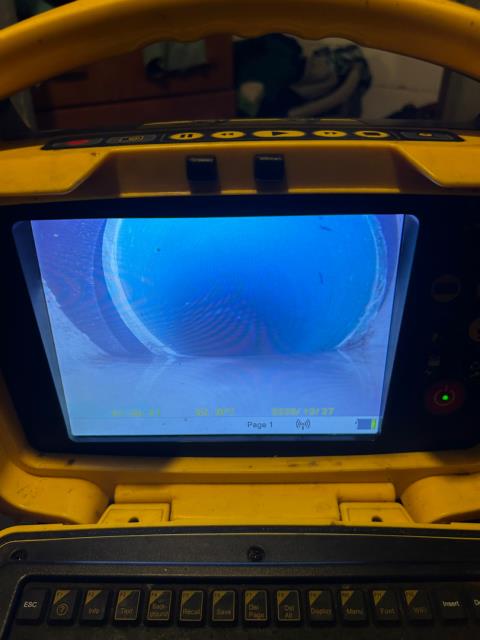
Take the time to read online reviews and ask for references to understand their reputation in the community. Don’t hesitate to inquire about their training and any specialized equipment they use, particularly tools that are effective in the local context.
Additionally, ensure that they carry liability insurance to protect yourself in the event that issues arise during the inspection process.
Questions to Ask Your Septic Inspector
How can you ensure your septic system is functioning properly? One effective approach is to ask your septic inspector the right questions.
Begin with, “What does the inspection cover?” This helps you understand the range of services included. Next, inquire about their experience: “How long have you been inspecting septic systems in this area?” Local knowledge is crucial, as environmental factors and regulations can differ significantly from one region to another.
It’s also wise to ask, “What signs of trouble should I look for?” This empowers you with information to monitor your system in the future.
Additionally, consider asking about potential repairs: “What issues did you identify, and what’re the typical considerations for repair?” This can give you an idea of what to expect when it comes to maintenance and fixes.
Finally, clarify maintenance needs by asking, “How often should I schedule inspections from now on?”
These questions will provide you with valuable insights and help ensure you’re properly caring for your septic system, especially considering the unique challenges of your local environment.
Cost-Effective Maintenance Tips for Septic Systems
Understanding the signs of trouble your septic system may display is just the first step in ensuring its longevity, especially in regions prone to heavy rainfall or seasonal flooding.
To keep your system running smoothly, be mindful of what goes down your drains. Avoid flushing non-biodegradable items and only use septic-safe products, as chemicals commonly found in household cleaners can disrupt the natural balance of your system.
Regularly check for leaks around your tank and pipes to catch issues early, particularly if you live in an area that experiences shifts in the ground due to weather changes.
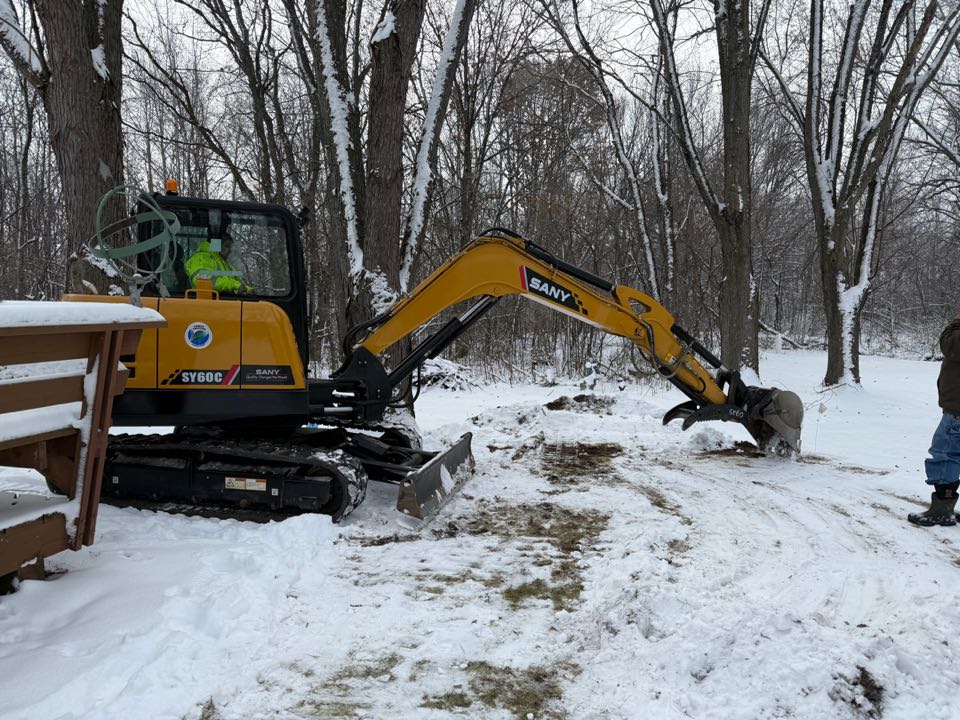
Keeping the area around your septic tank clear of heavy equipment and debris is crucial to prevent damage, especially in rural areas where machinery is often used for farming or construction.
Additionally, schedule routine professional inspections and pumping every few years to maintain peak performance. This is particularly important in regions with high water tables, as excess moisture can put additional strain on your system.
DIY Maintenance: When to Do It Yourself
When it comes to maintaining your septic system, knowing when to tackle tasks on your own can save you time and money.
Start with routine inspections, like checking for signs of leaks or odors, which can be particularly important in areas with heavy rainfall, as saturated ground can affect system performance.
If you notice any issues, you can often address minor clogs or blockages with a plumber’s snake.
Regularly cleaning your filters is another easy task you can handle, ensuring proper flow and preventing backups that can be exacerbated by local soil conditions.
Additionally, monitor your water usage to avoid overloading the system, especially during peak seasons when household water consumption tends to rise.
Just remember, if you’re ever uncertain or the problem seems complex, it’s best to call in a professional.
Taking these DIY steps can help maintain your system’s health without incurring hefty expenses, but always know your limits!
Common Myths About Septic Systems
Many homeowners in this area hold onto common myths about septic systems that can lead to costly mistakes and maintenance issues.
One prevalent myth is that anything can be flushed down the toilet. This isn’t true; non-biodegradable items can easily clog your system, especially given the unique soil and water conditions in our region that affect how waste is processed.
Another misconception is that adding chemicals can enhance the efficiency of the system. In reality, these chemicals can disrupt the natural bacteria that are essential for breaking down waste, which is crucial in our local environment where bacterial balance plays a key role in system health.
Additionally, some homeowners believe that septic systems don’t require regular maintenance. However, inspections are vital in our area to prevent issues that could arise from the local geology and groundwater levels.
Lastly, many people think that a larger tank equates to fewer problems. While a larger tank can delay malfunctions, it doesn’t eliminate the need for regular care and can lead to more significant issues down the line.
Finding Local Resources and Assistance for Septic Care
How can you find reliable local resources for septic care?
Begin by checking your state’s health department website, which often lists licensed septic service providers specific to your region.
Depending on the local climate and soil conditions, septic systems may face unique challenges, such as flooding or soil saturation, so it’s crucial to find experts familiar with these issues.
You can also ask neighbors or friends for recommendations; they might’ve had positive experiences with local companies that understand the specific needs of your area.
Online review sites and community forums can provide insights into the quality of service and the reputation of providers in your locality.
Additionally, look for local workshops or seminars on septic maintenance, as these events can connect you with professionals who are knowledgeable about the specific challenges in your region.
Be sure to inquire about any financial assistance programs available, as many local governments offer support for septic repairs or inspections, which can help ease the financial burden.
Conclusion
To summarize, staying proactive about your septic system can save you time and money in the long run, especially considering the unique challenges posed by local soil conditions and seasonal weather variations. By regularly inspecting your system and opting for cost-effective services tailored to your area, you can ensure its efficiency and longevity. It’s important to ask questions and compare quotes from local providers to find the best fit for your specific needs. Remember that routine maintenance can prevent more expensive repairs that may arise from issues common in the region, such as heavy rainfall or drought conditions affecting system performance. Stay informed, and you will keep your septic system running smoothly for years to come.