Emergency Sewer Repair Costs in Rapids: Top 10 Factors
When facing emergency sewer repairs in Rapids, various local factors can significantly influence the costs involved. The severity of the damage is a crucial element to consider, as more extensive issues may require more complex solutions. Additionally, the timing of your repair request can affect the overall expenses, with urgent situations often leading to higher costs.
In Rapids, accessibility can pose unique challenges, particularly in older neighborhoods where infrastructure may be less accommodating. The type of material used in your sewer line is also essential, as different materials may require varied repair techniques and labor. Understanding these local aspects can help you prepare for unforeseen expenses, and being aware of them will enable you to manage these challenges more effectively.
Severity of the Sewer Damage
When dealing with sewer issues in your area, understanding the severity of the damage is essential in assessing repair needs. For instance, if you’re facing minor clogs or small cracks, you may find that the solutions are relatively straightforward and less intrusive.
However, more significant problems, such as collapsed pipes or severe blockages, can necessitate extensive work and higher investment.
It’s important to consider whether the damage is localized to a small section of your system or if it’s affecting the entire network. A minor issue might only need a quick intervention, while widespread damage could require a more comprehensive approach.
Given the unique challenges posed by the local infrastructure and soil conditions, professional inspections are crucial for accurately determining the extent of the damage.
Promptly addressing severe issues can help prevent further complications, which is particularly relevant in areas prone to heavy rainfall or flooding, where sewer systems can be overwhelmed.
Always prioritize a thorough evaluation to gain a clear understanding of the true severity of the situation. This proactive approach can ultimately save you time and resources in the long run.
Time of Repair Request
Addressing the severity of sewer damage in our area is only part of the equation; timing your repair request effectively can greatly influence the outcome.
When you choose to call for emergency repair, it impacts not just the cost but the efficiency and quality of service. Here’s what you should consider:
- Peak Hours: Requesting repairs during peak hours can lead to elevated costs and longer wait times. Local crews are busier, and service availability may be limited.
- Nighttime or Weekends: These times often result in additional charges, as technicians are typically on call rather than working regular shifts. This can lead to longer response times as well.
- Seasonal Factors: Weather conditions can complicate repairs in our region. Heavy rainfall or snowfall can cause delays and additional challenges due to difficult working conditions, especially in areas prone to flooding or road closures.
Plan carefully to guarantee a smoother, cost-effective repair process tailored to our unique local circumstances.
Accessibility of the Sewer Line
Understanding the accessibility of your sewer line can significantly influence repair costs and timelines. For instance, in urban areas, if your sewer line is located in open spaces without barriers like trees, fences, or driveways, repairs can often be completed more quickly and affordably. Plumbers can work more efficiently in these situations.
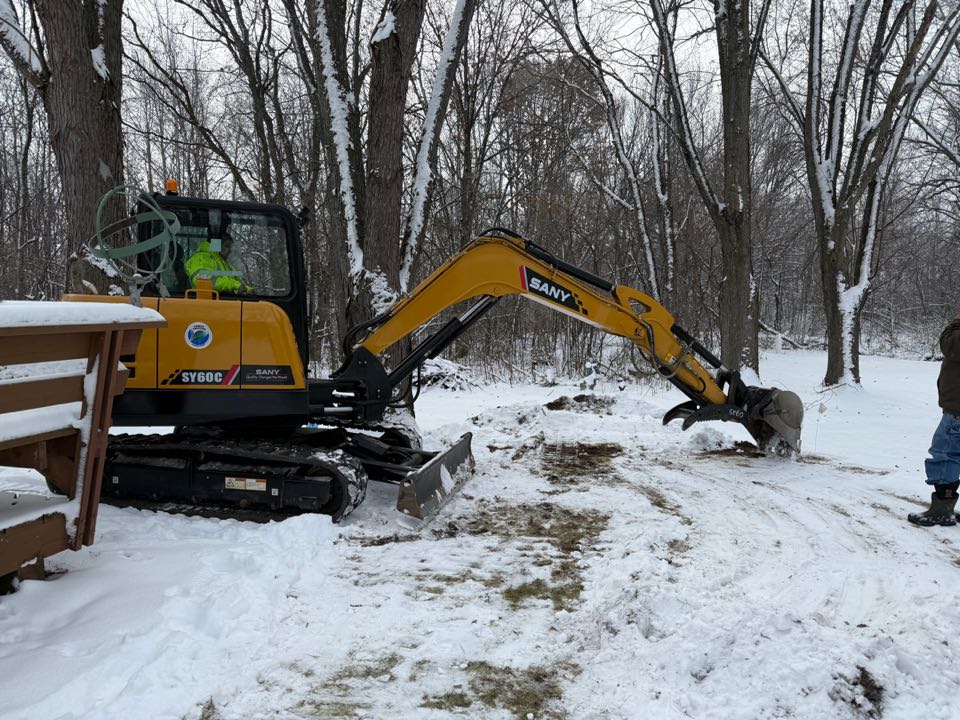
Conversely, if your line runs beneath a building, deck, or within densely landscaped areas common in suburban neighborhoods, you might face higher repair costs. These situations usually require extra labor and specialized equipment, such as excavation machinery, to gain access.
In addition, it’s essential to consider the presence of underground utilities, which can be particularly problematic in regions with older infrastructure or extensive utility networks. If your sewer line is intertwined with other utilities, repair crews have to exercise caution to prevent damage, which can increase the time and complexity of repairs.
Being aware of your sewer line’s accessibility challenges can help you better prepare for potential costs and obstacles during repairs.
Type of Sewer Line Material
The accessibility of your sewer line is just one piece of the puzzle; the type of material used in your sewer line also plays a significant role in repair costs and methods.
Different materials bring unique challenges and benefits, especially considering the local environment. You might have:
- Clay Pipes: In areas with high moisture levels, these can be particularly susceptible to cracking and root infiltration, often requiring more frequent repairs. The clay can also absorb water, leading to issues in regions prone to heavy rainfall.
- Cast Iron Pipes: Known for their durability, these pipes can corrode over time, especially in regions with high soil acidity or aggressive groundwater. This corrosion can complicate repairs and lead to more extensive issues down the line.
- PVC Pipes: While easier to work with and less prone to corrosion, they can still crack under pressure, particularly in areas with fluctuating temperatures that may cause the ground to shift. Additionally, local soil conditions can impact the longevity of PVC installations.
Each type of material dictates a specific approach and set of tools, affecting both the time and effort involved in repairs.
Understanding the material of your sewer line can help you prepare for potential repair scenarios tailored to your local conditions.
Length of the Sewer Line
When considering the length of your sewer line, it’s important to recognize its impact on repair costs and complexity, especially in areas with unique geographical features.
For instance, in regions with rocky terrain or clay soil, longer sewer lines may require specialized equipment and techniques, which can elevate the overall expense. If your line stretches across a larger property, you may face increased excavation and restoration demands due to these local conditions.
In urban areas, where sewer lines may run beneath busy streets or alongside existing infrastructure, technicians could spend additional time locating and addressing issues, particularly if the problem is at the far end of the line.
Longer lines might also have more potential weak points, making them susceptible to various issues, such as tree root invasions or shifting soil.
Accessibility is another crucial factor; if the line is buried deep or runs under obstacles like driveways or landscaping, repairs can become significantly more complicated.
Keeping these location-specific challenges in mind can help you better prepare for potential costs associated with sewer line maintenance and repairs.
Required Permits and Inspections
Before starting sewer repairs, it’s crucial to understand the required permits and inspections, as these are vital for ensuring compliance with local regulations. The process may seem overwhelming, but breaking it down can help make it more manageable. Here’s a quick guide to what you can expect:
- Permit Application: Visit your local municipal office or their website to complete the necessary forms. This step ensures that your project aligns with all legal requirements specific to your area, which may include unique zoning laws or environmental considerations.
- Inspections: Be prepared to schedule inspections at various stages of your repair work. Local inspectors will evaluate your project to ensure it meets safety and quality standards, which may vary depending on the specific codes in your region.
- Final Approval: After completing the repairs, a final inspection will take place to verify that everything adheres to local regulations. This approval is essential for allowing you to legally use the sewer line.
Taking these steps seriously can help you avoid potential delays and fines, making the process smoother and more efficient.
Equipment and Labor Costs
After securing the necessary permits and inspections, it’s time to concentrate on the equipment and labor costs associated with sewer repairs.
In regions with older infrastructure, like many neighborhoods, you may encounter unique challenges that require specialized tools such as sewer cameras, hydro jetters, and trenching equipment. Given the specific nature of these tools, renting them could be more financially viable than purchasing outright, particularly for urgent repairs that can’t wait.
Labor costs can also vary significantly based on local market conditions. Hiring skilled professionals ensures quality work, but it can come with a higher price tag.
In areas where experienced contractors are in high demand, rates may increase, especially if repairs are required on short notice or during off-hours. Be mindful of the possibility of overtime pay for emergency situations, which can further impact your budget.
Location and Terrain Challenges
Navigating location and terrain challenges is crucial for successful sewer repairs. It’s important to consider how these factors can increase the complexity and overall investment of the project.
For instance, in densely populated urban areas, crews must carefully maneuver around existing infrastructure, which can complicate access and extend the duration of repairs. Conversely, rural locations may face unique accessibility hurdles, such as unpaved roads or limited access to heavy machinery.
Here are several key aspects to monitor closely:
- Elevation Variations: Areas with steep slopes or uneven terrain can hinder equipment operation and require additional labor to ensure safety and efficiency.
- Soil Conditions: Different soil types, such as clay-heavy or loose sandy soils, may necessitate specialized tools and techniques, potentially prolonging the repair process.
- Proximity to Water Bodies: When working near rivers, lakes, or wetlands, there are increased risks of flooding and soil erosion. This proximity calls for additional safety measures and planning to mitigate environmental impacts.
Each of these factors plays a significant role in shaping your repair strategy and financial planning.
Replacement vs. Repair Needs
When considering whether to replace or repair sewer systems, it’s essential to weigh the costs and benefits of each option, particularly with local challenges in mind.
In areas prone to heavy rainfall or flooding, for example, sewer systems may face additional stress, leading to more frequent issues. Therefore, assessing the current system’s condition is crucial. If the damage is extensive and frequent repairs have already been made, a full replacement might prove to be more economically sensible over time. A replacement generally provides a modern, durable system that can better withstand local environmental factors, reducing the likelihood of future problems.
Conversely, if the issue is isolated or minor, a repair could serve as a more budget-friendly solution. Repairs can effectively target specific problems without the extensive labor and disruption that a full replacement entails.
Additionally, in communities where older infrastructure is prevalent, it may be wise to consider the system’s age. In such cases, ongoing investments in repairs may not yield satisfactory returns.
Always balance immediate expenses with potential long-term savings and reliability, especially in light of the unique challenges faced by local sewer systems.
Emergency Service Premiums
Sewer issues can arise unexpectedly, and it’s crucial to understand the financial implications of emergency service premiums specific to our region. When you call for immediate repairs, local companies often charge more for their services.
Here are three factors that contribute to these premiums:
- Availability: In our area, technicians may need to work outside regular hours, such as evenings, weekends, or holidays, which can significantly increase costs.
- Urgency: Emergency scenarios in our community demand prompt action, often requiring technicians to prioritize your issue over others. This prioritization justifies higher fees for their immediate attention.
- Resource Allocation: Emergency repairs in our locality may involve additional equipment or specialized personnel, leading to increased operational costs.
Understanding these factors helps you make informed decisions.
When possible, plan for scheduled maintenance to avoid unexpected expenses, and always weigh the urgency against the potential costs.
Conclusion
In Rapids, understanding emergency sewer repair costs can help you avoid unexpected financial strain. The unique challenges posed by the local environment, such as soil composition and weather patterns, can significantly impact the repair process. It’s essential to assess the severity of the damage, the timing of the repair, and the accessibility of the affected area.
The type of material used for your sewer line, whether it’s clay, PVC, or cast iron, can also influence the repair approach. Additionally, the length of the line in need of attention plays a crucial role in determining the complexity of the job, as does the decision between repair and replacement.
Local terrain features, such as steep inclines or rocky ground, may require specialized equipment and additional labor. Furthermore, be prepared for potential emergency service premiums that could arise outside regular working hours, as well as any necessary permits that must be obtained before work can begin. By planning ahead and considering these factors, you can navigate the costs associated with emergency sewer repairs in Rapids more effectively.