What Is Emergency Septic Replacement Service?
Imagine your septic system fails unexpectedly, causing chaos in your home. That’s where emergency septic replacement services come in, providing rapid solutions to avert health hazards and costly damages. In areas with heavy clay soil, like those found in parts of Central Minnesota, septic systems can be particularly prone to drainage issues and root intrusion, making quick intervention crucial. These services assess, diagnose, and replace malfunctioning parts while ensuring compliance with local regulations, which can vary significantly from county to county. Available around the clock, these experts tackle even the toughest conditions, including navigating stringent environmental guidelines in regions like Benton, Stearns, and Sherburne counties. Curious about how they can save the day? There’s much more to discover.
Understanding the Basics of Septic Systems
A well-functioning septic system is crucial for managing household waste, particularly in rural areas of Central Minnesota where access to a central sewage system isn’t available. These regions often face specific challenges, such as varying soil types and extreme weather conditions, which can impact the efficiency of septic systems.
In many parts of the Upper Midwest, including Benton, Stearns, and Sherburne counties, heavy clay soils can pose drainage issues, making it vital for residents to ensure their drain fields are properly designed and maintained. Conversely, in places with sandy soils, such as areas around Becker, Clearwater, and Rice, there’s a risk of effluent seeping too quickly through the soil, potentially contaminating groundwater supplies.
Your septic system comprises a tank and a drain field. Wastewater flows from your home into the tank, where solids settle at the bottom, forming sludge, while lighter materials like grease float to the top as scum. Bacteria in the tank play a crucial role in breaking down organic matter, reducing the sludge.
The liquid, or effluent, exits the tank into the drain field, where it’s naturally filtered by the soil.
In regions prone to heavy rainfall or flooding, such as parts of Central Minnesota during spring thaw or summer storms, maintaining a well-functioning septic system requires additional vigilance. Excess water can saturate the drain field, leading to system backups. Regular maintenance, such as pumping every few years, is essential to ensure your system operates smoothly.
Signs Your Septic System Needs Immediate Attention
In Central Minnesota, the mix of heavy seasonal rainfall, spring snowmelt, and varied soil conditions poses unique challenges for septic systems. When your septic system starts showing signs of trouble, it’s crucial to act quickly to avoid more significant problems.
Excess moisture from rain or melting snow can saturate the ground, making it easier for septic systems to become overwhelmed. Look for warning signs like slow drains, which often indicate a blockage or full tank exacerbated by soil saturation.
If you notice gurgling sounds in your plumbing, this might signal a backup, potentially worsened by the area’s frequent freeze-thaw cycles and wet conditions. Foul odors around your home or in your yard are another red flag, suggesting untreated wastewater could be leaking due to saturated soil.
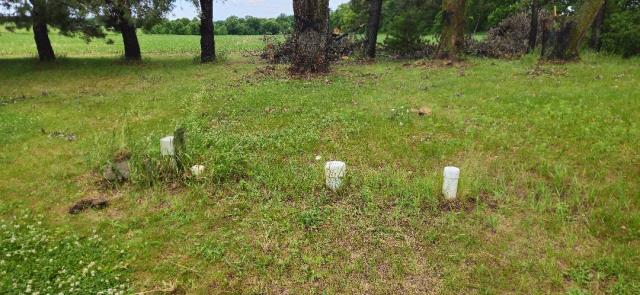
Keep an eye out for unusually lush, green patches of grass, which may indicate a septic leak enriching the soil—an issue commonly seen in the nutrient-rich landscapes around Sauk Rapids, Foley, and St. Cloud.
Finally, standing water near the drain field or septic tank is a clear sign of malfunction, particularly problematic in low-lying areas after heavy rain. Addressing these issues promptly can prevent costly repairs and maintain your home’s plumbing functions smoothly in this moisture-prone region.
Common Causes of Septic System Failures
In Central Minnesota, where heavy rainfall and spring snowmelt are common, septic systems can face unique challenges. Overloading the system is a prevalent issue, especially during wetter months when excess groundwater can seep into the system, causing it to become overwhelmed.
In rural areas with mature tree coverage, tree roots are notorious for infiltrating and damaging septic components. Given the region’s wooded landscapes around areas like Foley, Becker, and Rice, regular inspections to manage root intrusion are crucial.
Improper waste disposal remains a universal problem. Flushing non-biodegradable items like wipes or feminine products can cause clogs and disrupt the balance of bacteria necessary for the system’s function.
In areas with clay-heavy soils, typical in parts of Benton and Stearns counties, poor drainage can exacerbate septic system inefficiencies and contribute to failures. Regular maintenance, including pumping and inspections, is critical to prevent sludge buildup and blockages.
Households using harsh chemicals—common during muddy spring and fall seasons—can inadvertently kill essential bacteria, hindering the decomposition process.
Finally, poor installation or unsuitable soil conditions, such as those found in low-lying or flood-prone rural areas, can lead to system inefficiencies. Promptly addressing these issues is vital to avoid costly and inconvenient failures in this specific region.
The Role of Emergency Septic Replacement Services
Septic system failures can be particularly challenging in regions with specific environmental and soil conditions. For instance, in areas with heavy clay soil, the drainage can be poor, leading to frequent septic issues. Similarly, in coastal regions, high water tables can complicate septic system performance.
When these problems arise, emergency septic replacement services become indispensable. They play a crucial role in swiftly addressing and resolving septic issues, preventing further damage to both your property and health.
In such locations, these experts are adept at diagnosing the issue quickly, considering local soil and water conditions to determine if a full replacement is necessary. They work efficiently, minimizing disruption to your daily life while ensuring your septic system is up and running as soon as possible, despite any local challenges.
These services are available 24/7, ready to respond at a moment’s notice. Their prompt action can prevent costly repairs down the line, safeguarding your home from potential hazards specific to your area.
Trust in their expertise to navigate the complexities of septic replacement, ensuring everything functions smoothly again, regardless of the location-specific challenges you may face.
Key Benefits of Emergency Septic Replacement
In areas like Central Minnesota, where frequent rainfall and spring snowmelt can lead to saturated soil conditions, a failing septic system can quickly become a major issue.
Emergency septic replacement in such regions offers several key benefits that make it an invaluable service. Firstly, it minimizes health risks by promptly addressing leaks and contamination, thus safeguarding your household from hazardous waste exposure. This rapid intervention ensures you won’t have to endure unpleasant odors or unsanitary conditions for long.
Secondly, it prevents further property damage, which is especially crucial in regions prone to heavy rain and high water tables, such as Benton, Stearns, and Sherburne counties, that can exacerbate septic issues. A swift response can save your lawn, landscaping, and even your home’s foundation from costly repairs.
Thirdly, emergency services provide peace of mind. Knowing that experienced professionals are on the job reduces stress and ensures the problem is handled efficiently.
Finally, this service can quickly restore your system’s functionality, allowing you to return to your routine without prolonged disruption.
In areas with challenging Midwest weather patterns, having access to emergency septic replacement services isn’t just convenient, but essential.
How to Choose a Reliable Emergency Septic Service Provider
When managing a failing septic system, selecting a dependable emergency service provider is crucial, especially in areas with specific local challenges. For instance, in regions with heavy rainfall and spring thaw, such as Central Minnesota, septic systems may experience issues due to excess water saturation. In such areas, it’s important to choose a provider who understands these conditions and can offer tailored solutions.
Begin by researching local companies with solid reputations. Look for providers with positive reviews and high ratings from past clients. Ensure they’re properly licensed and insured, as this confirms their qualifications and ability to cover any potential damages.
Inquire about their response time; in emergencies, you need a provider who can respond quickly. Additionally, evaluate their experience and expertise in handling septic systems. An experienced provider will be adept at diagnosing and resolving issues efficiently.
Finally, obtain quotes from several providers to compare costs. However, avoid making your decision based solely on price. Prioritize their reliability and capability to deliver quality service when you need it most, considering the unique challenges of Minnesota’s soil conditions, freeze-thaw cycles, and seasonal moisture.
Steps Involved in an Emergency Septic Replacement
An emergency septic replacement in Central Minnesota, such as in areas around Sauk Rapids, St. Cloud, or Foley, involves several critical steps to ensure the system is restored efficiently and effectively, while addressing specific local challenges.
First, identify signs of failure, such as sewage backups or unusual odors, and promptly contact a professional familiar with the area’s unique soil types and fluctuating water table conditions. They’ll inspect the site to assess damage and determine the best replacement strategy that considers clay-heavy or sandy soils, as well as seasonal rainfall and snowmelt.
Once they’ve evaluated the situation, they’ll secure necessary permits to comply with local regulations, which may include additional environmental considerations due to proximity to wetlands, rivers, or well systems common in the region.
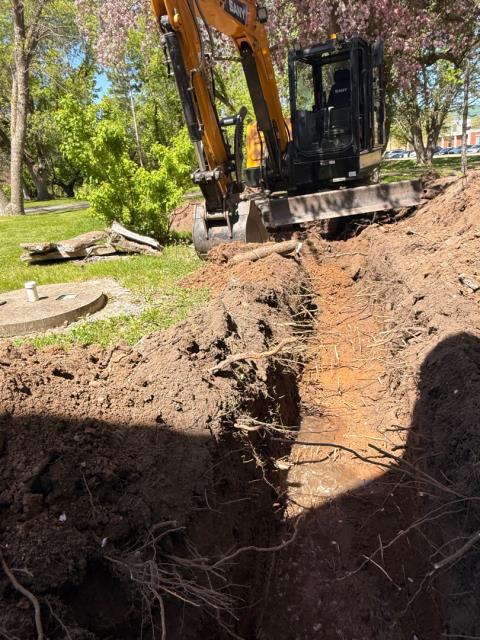
Next, the team will excavate the area, taking care to manage soil stability, especially in flood-prone or low-lying rural areas. Removing the old system must be done carefully to prevent further damage and environmental impact.
They’ll then install new septic components, ensuring each part is correctly positioned and connected, while considering the need for additional drainage solutions due to seasonal groundwater fluctuations.
After installation, they’ll conduct tests to verify system functionality, ensuring it can handle the freeze-thaw cycles, spring flooding, and heavy summer rains typical of Central Minnesota.
Finally, they’ll restore the landscape, using native grasses or plants to help manage erosion and preserve the natural surroundings of the area.
Throughout the process, maintain communication with professionals to guarantee a smooth replacement that’s sensitive to the region’s environmental needs.
Preventative Measures to Avoid Future Septic Emergencies
Ensuring your septic system functions smoothly long after an emergency replacement hinges on implementing effective preventative measures, especially considering the unique challenges in regions like Central Minnesota. The heavy seasonal rainfall and spring snowmelt in this area can lead to saturated drain fields, so it’s crucial to ensure proper drainage and landscaping to divert excess water away from the system.
Schedule regular inspections and pumping every three to five years to keep the system in prime condition, which is particularly important in areas with high clay content in the soil, such as parts of Benton and Stearns counties, as it can impede drainage. Avoid flushing non-biodegradable items like wipes or feminine products, as they can cause blockages and damage.
In regions like the Midwest, where hard water is common—especially for homes using private wells—consider installing a water softener to reduce the buildup of minerals that can clog pipes and reduce system efficiency. Be mindful of water usage—fix leaks promptly and install water-saving fixtures to prevent system overload.
In areas with sandy soils, such as around Becker or Clearwater, it’s important to ensure that the drain field is properly sized to handle the fast drainage rate. Don’t pour grease, oils, or harsh chemicals down the drain, as they can harm the septic bacteria essential for breaking down waste.
Finally, protect the drain field by avoiding heavy traffic, like parking vehicles on it, which can compact the soil and reduce its effectiveness. This is particularly important in rural areas where larger vehicles or equipment may be more common.
These practices can greatly reduce future septic emergencies and are tailored to address the specific challenges faced in different parts of Central Minnesota.
Conclusion
In regions with a high water table, such as parts of Central Minnesota, septic system failures can occur more frequently due to soil saturation. Emergency septic replacement services in these areas are crucial for addressing issues swiftly, preventing health hazards and costly damage. By choosing a reliable service provider familiar with local soil and seasonal conditions, you can ensure effective waste management even in challenging environments. Remember, regular maintenance and being mindful of warning signs, like slow drains and foul odors, can save you from future emergencies. Don’t wait for a crisis—take proactive steps now to protect your home and peace of mind, especially in areas prone to septic challenges across Benton, Stearns, and Sherburne counties.