Master Your Home Drains: Expert Maintenance Tips
Mastering your home drains in the Pacific Northwest isn’t just about addressing clogs as they arise. It’s about understanding the unique challenges posed by our region’s heavy rainfall and the abundance of natural debris that can enter your drainage system. Implementing preventive measures is essential to ensure everything flows smoothly, especially when seasonal storms hit. Regular maintenance can save you time and money in the long run. Interested in some best practices for keeping your drains in top shape amidst the challenges of the local environment? Let’s explore some expert tips that can make a significant difference.
First, consider the impact of the lush greenery surrounding your home. Fallen leaves, twigs, and other organic materials can quickly accumulate and cause blockages. Regularly clearing gutters and downspouts is crucial to prevent water from backing up and damaging your foundation. Additionally, using mesh screens can help keep larger debris out of your drains.
Another local challenge is the clay soil prevalent in many areas. This type of soil can retain water and lead to slow drainage. To combat this, ensure that your yard is properly graded to direct water away from your home. Installing a French drain or similar system can also be beneficial in managing excess water during the rainy season.
If you live in an area prone to tree roots infiltrating your drainage system, consider scheduling routine inspections. Professional plumbers can help identify any root intrusions before they become significant problems. Regularly using enzyme-based cleaners can also help break down organic matter and keep your pipes clear.
Lastly, be mindful of what goes down your drains. In a region known for its seafood and rich culinary scene, it might be tempting to dispose of scraps down the sink. However, using a composting system for food waste can prevent clogs and is an environmentally friendly alternative.
By understanding the specific challenges of your local environment and following these expert maintenance tips, you can keep your home drains functioning optimally throughout the year.
Understand Your Drain System
To keep your home running smoothly in our area, understanding your drain system is essential. Each component plays a significant role in maintaining flow and preventing clogs, especially considering the unique challenges posed by our local climate and soil conditions.
Start by familiarizing yourself with the layout of your drains; this includes knowing where the main line connects and how water travels from your sinks, showers, and toilets to the sewer.
Pay attention to different types of drains, such as kitchen, bathroom, and floor drains, as they handle various waste types. In our region, kitchen drains can often face issues due to grease buildup, while bathroom drains may be more prone to hair clogs. Knowing how each part works helps you identify potential issues before they escalate.
Regular inspections are essential, especially in areas prone to heavy rainfall that can overwhelm drainage systems. By taking the time to understand your system, you’re better equipped to keep everything flowing efficiently.
Don’t overlook this important aspect of home maintenance, as it can save you from unexpected, costly repairs down the line.
Regular Cleaning Routines
Understanding the specific characteristics of your local drain system is essential for effective maintenance, and regular cleaning routines are crucial for preventing clogs and backups.
In areas with hard water, mineral buildup can be a challenge, so consider establishing a schedule for monthly cleanings in high-traffic areas like kitchens and bathrooms. A mixture of baking soda and vinegar can work wonders to break down buildup and counteract mineral deposits. Pour this mixture down the drain, let it sit for about 30 minutes, and then flush with hot water to help clear any lingering residue.
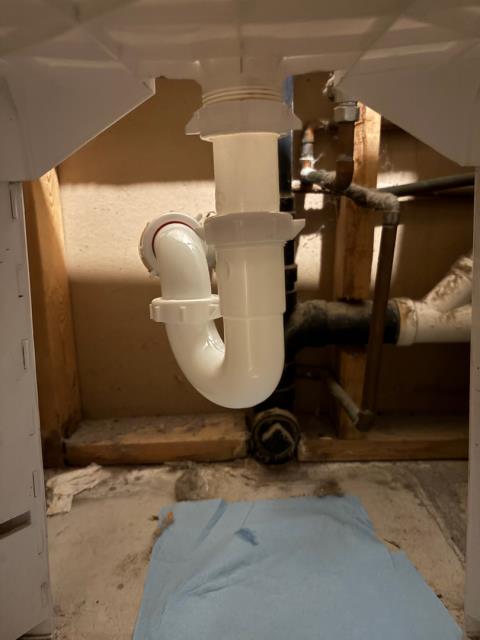
Additionally, it’s important to clean sink strainers and traps regularly, as they can collect hair and food particles that lead to blockages.
In regions where foliage is abundant, consider that leaves and debris can also find their way into your plumbing system, so be vigilant in keeping these areas clean. A simple brush can assist in removing buildup around the drain entrance, making it easier for water to flow freely.
Utilize Drain Screens
Installing drain screens is one of the simplest yet most effective ways to prevent clogs in your plumbing system, especially in areas where local weather conditions may lead to an influx of debris.
In regions with high rainfall or heavy foliage, for example, leaves and twigs can easily find their way into your plumbing. These handy devices catch debris like hair, food particles, and dirt before they can enter your pipes. You’ll find drain screens available in various sizes to fit your sinks, showers, and tubs, making it easy to find the right fit for your home.
To maximize their effectiveness, especially in coastal areas where sand and salt can also become an issue, make it a habit to clean them regularly.
Just remove the screen, dispose of the collected debris, and rinse it under water. It’s a quick and hassle-free maintenance task that can save you from dealing with more serious plumbing challenges down the line.
Be Mindful of What You Flush
While it might seem convenient to flush anything down the toilet, being mindful of what you send down can save you from costly plumbing issues.
In many areas, especially in regions with older infrastructure, certain items can cause significant blockages or damage, leading to expensive repairs.
Here are some things you should never flush:
- Wipes: Even those labeled “flushable” can cause clogs, particularly in systems not designed to handle them.
- Feminine products: These items expand in water and create blockages in pipes, which can be a major issue in communities with narrow plumbing.
- Cotton balls and swabs: These don’t break down in water and can easily clog drains, especially in areas with heavy rainfall where the sewer systems are already under strain.
- Food scraps: Flushing food waste can lead to buildup and unpleasant odors, particularly in regions where the sewage treatment facilities may not be equipped to handle organic waste.
DIY Drain Maintenance Solutions
Taking care of what you flush is essential for effective drain maintenance, especially in areas prone to hard water and mineral buildup. In regions where grease and food waste from local cuisine can easily accumulate, it’s important to adopt proactive measures to keep your drains flowing smoothly.
Start by regularly pouring a mixture of baking soda and vinegar down your drains. This natural solution helps break down buildup and neutralizes odors that can be common in urban settings. Following that, flush with hot water to clear any remnants.
In communities where tree roots may invade pipes, using a drain snake can be particularly helpful. Simply insert it into the drain to pull out debris that contributes to blockages.
For kitchen sinks, placing a mesh strainer over the drain can effectively catch food particles that are prevalent in local cooking styles. Lastly, running hot water through your drains weekly can help keep them clear and prevent grease buildup, especially in households that frequently prepare rich, flavorful dishes.
When to Call a Professional
Knowing when to call a professional can save you time and prevent further damage to your plumbing system, especially considering the unique challenges that homeowners face in our region.
While regular maintenance is essential, some issues require expert intervention. Here are situations where you shouldn’t hesitate to reach out:
- You’ve tried DIY methods but haven’t seen improvement, especially if local water quality is affecting your plumbing.
- Water is pooling around drains or in your yard, which can be exacerbated by heavy rainfall common in the area.
- You’re experiencing frequent clogs that disrupt daily life, particularly if tree roots from nearby landscaping are invading your pipes.
- Strange noises or smells are coming from your drains, which could indicate a more serious issue that local plumbing systems are prone to.
Ignoring these signs can lead to bigger problems down the line. A professional can accurately diagnose the issue and provide effective solutions, ensuring your plumbing system runs smoothly.
Don’t wait until it’s too late—trust the experts when the situation calls for it!
Signs of Drain Problems
Recognizing the signs of drain problems early can save you from costly repairs and headaches, especially in areas prone to heavy rainfall or frequent snowmelt. Pay attention if you notice water draining slowly or standing in your sinks, tubs, or showers, as this can be exacerbated by local soil conditions that affect drainage.
Unpleasant odors wafting from drains often indicate a clog or buildup, which can be more common in neighborhoods with older plumbing systems.
Gurgling sounds while draining can signal trapped air or blockages, often linked to tree roots infiltrating pipes in suburbs with mature landscaping.
If you see water backing up, it’s a clear red flag that you need to act quickly, particularly if your home is in a flood-prone area. You might also notice unusual wet spots in your yard, which could suggest a sewer line issue that requires immediate attention.
Finally, frequent toilet backups or flushing issues shouldn’t be ignored, as they can lead to more significant plumbing problems, especially in regions where the sewage system is under strain during peak seasons.
Seasonal Drain Care Tips
As the seasons change, it’s essential to adapt your drain care routine to prevent clogs and backups.
Different regions face unique challenges for their drains, and being proactive can save you a lot of hassle down the line.
Here are some essential tips to keep in mind:
- Spring: In areas with heavy rainfall, clear away any debris from gutters and downspouts to ensure proper drainage. This is particularly important to prevent flooding and water damage around your home.
- Summer: If you live in a region prone to thunderstorms, check outdoor drains for leaves or dirt buildup after storms. Accumulated debris can lead to water pooling in unexpected places, creating a breeding ground for insects.
- Fall: In locales where trees are abundant, regularly remove fallen leaves from yard drains and clean out your gutters. Clogged gutters can lead to water overflow and potential damage to your roof and foundation.
- Winter: In colder climates, consider insulating exposed pipes to prevent freezing. Additionally, inspect for ice buildup, especially in areas with heavy snowfall, as this can cause significant drainage issues when the thaw begins.
The Importance of Drain Inspections
Regular seasonal care is only part of maintaining your drains; drain inspections play a crucial role in ensuring long-term functionality, especially in regions prone to heavy rainfall or flooding.
In areas with clay soil or older infrastructure, these inspections can help identify potential issues unique to the local environment before they escalate into costly repairs.
Regular inspections can reveal clogs, root intrusions, and pipe deterioration that might go unnoticed with just routine cleaning. For example, homes located near mature trees may face root intrusion challenges, while properties in low-lying areas may experience drainage issues from standing water.
Addressing these problems early not only conserves your resources but also extends the life of your plumbing system. You’ll also gain peace of mind, knowing your drains are in good condition despite the local weather conditions.
Depending on your home’s age and drainage system, consider scheduling inspections annually or bi-annually. This proactive approach helps keep your drains flowing smoothly and efficiently, ultimately protecting your home from unexpected plumbing disasters that can arise in your specific environment.
Eco-Friendly Drain Cleaning Options
Traditional drain cleaning methods may effectively clear clogs, but they often involve harsh chemicals that can be detrimental to plumbing systems and the environment.
In areas where heavy rainfall can lead to increased water flow through drains, these chemicals can wash into local waterways, causing harm to aquatic ecosystems.
Fortunately, there are eco-friendly alternatives that can keep your drains clear without these negative side effects. Here are some options that can be easily integrated into your routine:
- Baking soda and vinegar: Pour a cup of each down your drain to naturally break down clogs. This method is particularly effective in regions where mineral buildup is common due to hard water.
- Boiling water: Heating water and pouring it down your drain can help dissolve grease and soap buildup, which is especially useful in kitchens where food residue accumulates.
- Salt and lemon juice: A mixture of both can freshen your drains and eliminate odors, making it an excellent option for those living in urban areas where waste can create unpleasant smells.
- Enzyme-based cleaners: These natural products use enzymes to safely break down organic matter, providing a gentle yet effective solution for households looking to maintain their plumbing without harsh chemicals.
Conclusion
Master Your Home Drains: Expert Maintenance Tips
By mastering your home drains, you’ll prevent costly repairs and maintain a healthy plumbing system. In areas prone to heavy rainfall, such as the local region, it’s essential to regularly inspect and clean your drains to prevent blockages from debris and sediment buildup. Being mindful of what you flush is crucial, especially in neighborhoods where older plumbing infrastructure may be more susceptible to clogs.
Utilizing drain screens can significantly help in catching leaves and other debris that might wash into your drains during stormy weather. Additionally, opting for eco-friendly cleaning solutions is a great way to protect your pipes and the local environment.
With seasonal maintenance tailored to the unique weather patterns and challenges of the area, you can ensure your drains perform at their best throughout the year. Take these steps, and you’ll enjoy peace of mind knowing your home’s plumbing system is in excellent condition, even in the face of local challenges.