Proven DIY Drain Care Tips for Sauk Rapids Homeowners
As a homeowner in Sauk Rapids, you are likely aware of the unique challenges that come with maintaining your drains, especially considering the area’s seasonal weather changes. Clogged drains can become a significant issue, particularly during heavy rains when debris and leaves from local trees can find their way into your plumbing system. Fortunately, with a few simple DIY tips, you can keep your drains flowing smoothly and prevent potential costly repairs.
Regular maintenance is crucial, especially in this region where winter can bring freezing temperatures that may lead to frozen pipes. To combat this, ensure that your outdoor drains are clear of leaves and snow, allowing for proper drainage during the spring thaw. Additionally, using homemade solutions like a mix of baking soda and vinegar can help break down minor clogs caused by soap scum or grease buildup.
Curious about the best practices to maintain your drains effectively? One strategy is to install mesh screens over your sink and shower drains to catch debris before it enters the pipes. This is particularly useful in Sauk Rapids, where fallen leaves can quickly lead to blockages. Regularly cleaning these screens can save you time and effort in the long run.
By implementing these proven strategies, you can tackle drain issues head-on and ensure the plumbing in your home remains in top condition, helping you avoid the stress and expense of unexpected repairs.
Understanding Common Drain Clogs
While you might think drain clogs are just an annoying inconvenience, they can lead to bigger plumbing issues if not addressed promptly. In this area, common culprits include hair, soap scum, grease, and food particles.
In kitchens, grease from local cooking styles can solidify and build up over time, creating blockages that slow drainage. In bathrooms, hair often combines with soap residue, especially with the frequent use of certain brands of soap, forming stubborn clogs.
If you notice slow drains or unpleasant odors, it’s time to investigate. You can use a plunger or a plumber’s snake to clear minor clogs yourself. Just remember, pouring harsh chemicals down the drain can damage your pipes, so it’s best to stick with safer, natural solutions.
Understanding these common clogs helps you maintain a functioning drainage system in your home.
Regular Maintenance: The Key to Prevention
To keep your drains flowing smoothly in our area, regular maintenance is essential. Given the unique challenges posed by the local climate and soil conditions, it’s important to inspect your drains frequently for any signs of slow drainage or unusual smells.
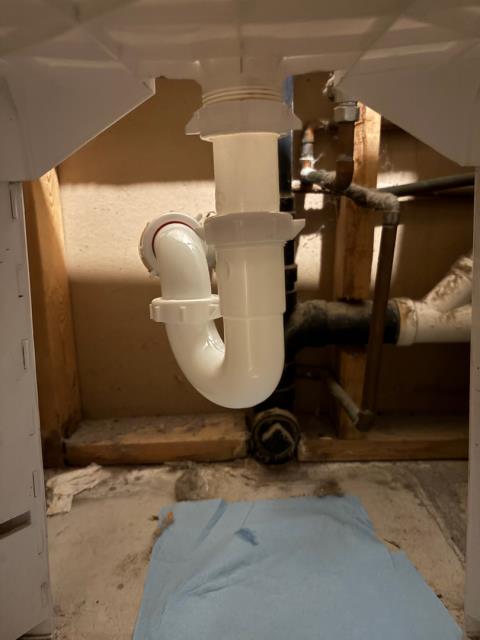
In regions where leaves and debris are common, you can prevent buildup by periodically cleaning your sink traps and using a drain strainer to catch hair and other particles. It’s also wise to flush your drains with hot water weekly, as this can help dissolve any grease or soap residue that may have accumulated.
In our area, many homeowners face issues with tree roots infiltrating their drainage systems. Avoid pouring harsh chemicals down the drain, as they can exacerbate these problems and cause more harm than good.
Instead, consider scheduling a professional inspection annually to catch potential issues early, especially if you notice any recurring problems. By staying proactive with these simple maintenance steps, you can reduce the risk of clogs and keep your plumbing in top shape for years to come.
Homemade Drain Cleaners: Safe and Effective Solutions
If you’ve ever faced a stubborn clog in your kitchen or bathroom, especially in areas with hard water like many regions, you know how frustrating it can be.
Fortunately, homemade drain cleaners provide a safe and effective solution. One popular method involves mixing baking soda and vinegar. Pour half a cup of baking soda down the drain, then follow it with half a cup of vinegar. Allow this mixture to sit for about 30 minutes before flushing it with hot water. This approach is particularly beneficial in areas where mineral buildup can contribute to clogs.
Another useful option is to use salt combined with baking soda. Mix a quarter cup of each, pour it down the drain, and follow up with boiling water after letting it sit for about 15 minutes. This combination can be especially effective in regions where grease and food particles are common culprits for drain issues.
These natural ingredients break down buildup without harsh chemicals, making them ideal for your home and the environment.
Incorporate these methods into your routine to keep your drains flowing smoothly and to help prevent future clogs, especially in areas that are prone to drainage problems.
The Importance of Drain Screens and Traps
Maintaining clear drains in our region goes beyond relying on homemade cleaners; installing drain screens and traps is particularly important due to the unique challenges posed by local weather conditions and lifestyles.
These simple devices act as your first line of defense against debris such as hair, food particles, and other unwanted materials that can accumulate, especially during heavy rainfall or seasonal changes when outdoor debris is more likely to wash into your plumbing.
In areas where high humidity and storm events are common, regularly checking and cleaning your drain screens and traps becomes essential. Not only does this promote better drainage, but it also extends the lifespan of your plumbing system, which can be subjected to additional stress from local environmental factors.
Investing a little time in maintenance can help prevent costly repairs and inconvenient backups that can disrupt daily life, especially during peak seasons.
Make it a habit to inspect these components frequently and replace them as needed. By doing so, you can ensure that your drains flow smoothly and efficiently throughout the year, regardless of the local challenges you may face.
How to Properly Dispose of Grease and Food Waste
While it might be tempting to pour grease or leftover food down the drain, doing so can lead to serious plumbing issues, especially in areas with older sewer systems or where grease buildup is a common problem.
Instead, follow these simple steps to dispose of grease and food waste properly:
- Let grease cool: Allow it to solidify before handling, which helps prevent it from sticking to pipes.
- Use a container: Pour cooled grease into a jar or can for disposal, which can help avoid accidents and spills.
- Throw it away: Place the container in your regular trash, ensuring it’s sealed to prevent leaks.
- Compost food scraps: If you have access to a compost bin, toss in vegetable peels and fruit waste, which can enrich local soil and reduce landfill waste.
- Use sink strainers: Install strainers in your sinks to catch food particles before they go down the drain, minimizing the risk of clogs.
Seasonal Drain Care Tips for Homeowners
As seasons change, it’s essential for homeowners in the area to stay proactive about their drains to prevent clogs and backups.
In the spring, clear away any debris from gutters and downspouts, especially after the heavy storms that can occur, to ensure proper drainage during the rainy season.
In summer, be vigilant about tree roots invading your pipes, particularly in neighborhoods with older trees. Consider using root-killing products if you notice any signs of intrusion.
As fall approaches, regularly clean your gutters and downspouts again, as the abundance of falling leaves can quickly lead to blockages.
In winter, insulating exposed pipes is crucial to prevent freezing and potential bursts, especially in areas prone to cold snaps.
Pouring hot water down your drains monthly can help dissolve grease or buildup.
When to Call a Professional Plumber
How can you tell when it’s time to call a professional plumber? In areas prone to heavy rainfall or older neighborhoods with aging infrastructure, DIY solutions mightn’t suffice.
If you notice any of the following issues, it’s best to reach out for expert help:
- Persistent clogs that resist your best efforts, especially if you live in a region with older pipes that may be more prone to blockages.
- Unpleasant odors coming from your drains, which can be exacerbated by local humidity and stagnant water.
- Gurgling sounds in your pipes, indicating possible issues with venting or drainage that could be common in certain housing styles.
- Water pooling around your fixtures or in your yard, particularly if your home is in a low-lying area that may have drainage challenges.
- Signs of water damage or mold around plumbing areas, an issue that can be more prevalent in climates with high moisture levels.
Don’t hesitate to contact a professional if you encounter these problems.
They’ve the tools and expertise to resolve issues safely and effectively, ensuring your plumbing runs smoothly.
Conclusion
By following these proven DIY drain care tips, Sauk Rapids homeowners can keep their drains running smoothly and avoid costly plumbing repairs. Regular maintenance, such as using homemade cleaners and installing drain screens, can make a significant difference, especially with the unique challenges posed by the local climate and the type of debris that may accumulate. Remember to dispose of grease and food waste properly to prevent clogs, particularly during the busy holiday cooking season when kitchens may see increased traffic. Staying proactive with seasonal drain care is essential, as heavy rainfall can lead to added strain on your drainage system. If you ever encounter a stubborn problem, reaching out to a professional plumber is a wise choice. Taking these steps can help ensure that your drains will thank you for the care you provide!