Beginner’s Guide to Pipe Maintenance in Sauk Rapids
If you own a home in Sauk Rapids, understanding the basics of pipe maintenance is essential to avoiding expensive repairs down the line. Start by getting to know your plumbing system, which includes locating the main water shut-off valve. Given the area’s fluctuating temperatures, it’s important to be vigilant about checking for leaks or unusual sounds, especially during the winter months when pipes are at risk of freezing. With some basic knowledge and a few handy tools, you can address minor issues on your own. However, certain situations, such as persistent leaks or significant water pressure changes, may require the expertise of a professional. Let’s delve into effective strategies for maintaining your plumbing to ensure it remains in excellent condition.
Understanding Your Home’s Plumbing System
Understanding your home’s plumbing system is essential for maintaining it efficiently and preventing potential issues. In regions with cold winters, it’s particularly important to familiarize yourself with how water flows through your house, especially by identifying the main water shut-off valve, which is typically found in the basement or near the water heater. This knowledge allows you to act quickly during emergencies, such as frozen pipes that may burst when they thaw.
Take note of your home’s water pressure, ensuring it stays within recommended levels, usually between 40 to 60 psi, to avoid strain on pipes, which can be a concern in areas where water is sourced from wells or municipal systems that fluctuate in pressure.
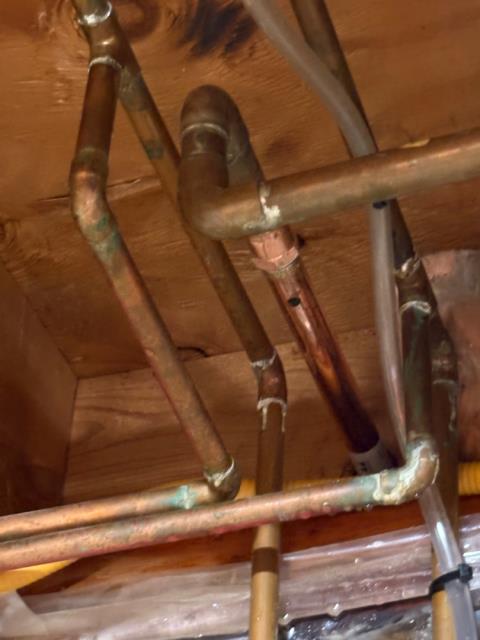
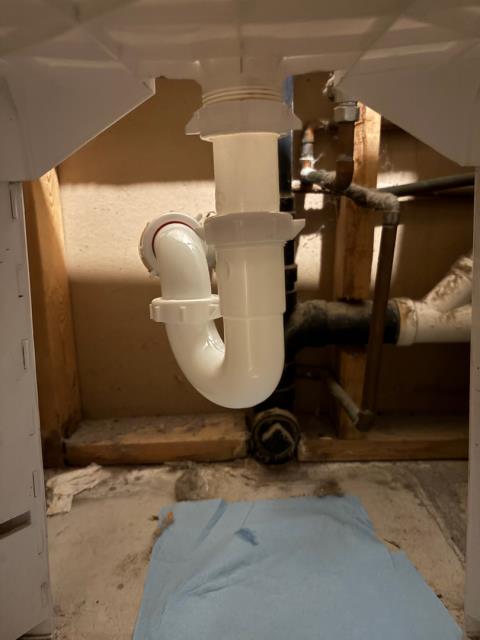
Regularly inspect exposed pipes for any signs of wear or corrosion, particularly in older homes that may have galvanized pipes, which are prone to rust and leakage. Knowing the location and function of each plumbing component, such as faucets, drains, and traps, can empower you to perform minor repairs and maintenance tasks.
In regions with high mineral content in the water, be aware that you may need to clean faucet aerators and showerheads more frequently to prevent mineral buildup.
Stay informed about your system’s age and materials to anticipate necessary upgrades or replacements, especially if you live in an area where newer building codes have been implemented that require updated plumbing standards.
Recognizing Common Pipe Problems
Having a solid grasp of your home’s plumbing system sets the stage for identifying common pipe problems that could arise. In regions prone to heavy rainfall, listen for unusual sounds like banging or whistling, which might indicate air in the pipes or a loose connection exacerbated by water pressure changes.
Look out for signs of leaks, such as water stains on walls or ceilings, dampness, and mold growth, especially in basements or crawl spaces that may be more susceptible to moisture.
Low water pressure could signal blockages or pipe corrosion, which can be common in areas with older infrastructure. Check for slow drains, a classic sign of clogs that may be linked to local soil conditions or tree roots invading sewer lines.
If you notice discolored water, it might point to rust within aging pipes, which can be an issue in neighborhoods with older homes.
Watch for unexpected spikes in your water bill, often a hint of hidden leaks that could be caused by fluctuating weather patterns.
Essential Tools for Pipe Maintenance
A well-stocked toolbox is your first line of defense when it comes to pipe maintenance, especially in areas where fluctuating temperatures can lead to pipe issues. You’ll need a few essential tools to tackle common challenges effectively.
Start with a quality pipe wrench, which helps grip and turn pipes with ease. Adjustable wrenches are also handy for loosening or tightening various fittings that may have corroded due to moisture in the air. Don’t forget a plumber’s tape to seal threaded connections and prevent leaks, which can be exacerbated by seasonal changes.
A pipe cutter will make clean, precise cuts on copper or plastic pipes, ensuring you can replace damaged sections without hassle. For clearing blockages, especially in older homes where roots may intrude into sewer lines, a drain snake is an invaluable tool.
Keep a bucket and some rags nearby to manage spills and clean up messes, as plumbing issues often arise unexpectedly.
Finally, a flashlight guarantees you can see into dark, cramped spaces, like under sinks or in basements, where pipe problems often lurk. With these tools at your disposal, you’re ready to maintain your pipes efficiently, addressing local challenges with confidence.
Regular Inspection and Monitoring Techniques
With your toolkit ready, it’s time to focus on keeping your pipes in top condition through regular inspection and monitoring.
Begin by checking for leaks around joints and fittings, especially in areas prone to freezing temperatures during the winter months. A flashlight will help you spot moisture or rust, which can be more prevalent in regions with high humidity.
Listen for unusual sounds like hissing or dripping, as these might indicate a hidden problem that could worsen over time.
Examine your water meter: if it moves with all taps off, you likely have a leak that needs attention. Feel pipes for temperature changes—cold spots on hot water lines could signal an issue, particularly in older homes where insulation may be inadequate.
Inspect for any corrosion or wear, especially on older pipes commonly found in historic neighborhoods.
Document your findings in a logbook, noting dates and observations. This habit helps you track changes over time and address issues early, which is especially important in areas where plumbing repairs can be costly and inconvenient.
Taking these proactive steps will ensure your plumbing system remains reliable and efficient.
DIY Solutions for Minor Plumbing Issues
Even if you’re not a plumbing expert, tackling minor issues yourself can save time and money. In areas with older plumbing systems, common issues like small leaks can be addressed with plumber’s tape or pipe sealant to prevent water damage.
If you notice a dripping faucet, try tightening the handle or replacing the washer, as these are frequent culprits in older homes. For slow drains, a plunger or a simple baking soda and vinegar solution can work wonders to clear clogs, especially in regions with hard water that can lead to buildup.
If your toilet is running constantly, adjusting the float or replacing the flapper can often resolve the issue. It’s a common problem that can waste water if left unchecked.
Always have a basic toolkit ready, including a wrench, pliers, and a plunger, as these tools are essential for most minor repairs. Don’t forget to turn off the water supply before starting any repairs.
Implementing these DIY solutions can keep your plumbing in check and help you avoid unnecessary service calls for minor fixes that can be easily handled at home.
Preventive Measures for Long-Lasting Pipes
While DIY solutions can address minor plumbing issues, maintaining your pipes proactively ensures they last longer and function efficiently, especially considering the unique challenges posed by the climate in Sauk Rapids.
Start by regularly inspecting visible pipes for leaks or corrosion, as catching issues early can prevent costly repairs down the line.
Given the region’s cold winters, be particularly vigilant about insulating pipes in unheated areas of your home to prevent freezing. This is crucial as freezing pipes can lead to significant damage and repairs.
Additionally, avoid pouring grease or oil down the drain, as these substances can solidify in the colder months, causing blockages. Instead, dispose of them in the trash to keep your pipes clear.
Using drain strainers is also advisable to catch hair and food particles, further preventing clogs.
Moreover, check that your water pressure isn’t too high, as excessive pressure can strain pipes, particularly during the spring thaw when water flow can increase. You can test the pressure easily with a gauge from a local hardware store.
When to Call a Professional Plumber
How do you know when it’s time to call a professional plumber? While some issues can be resolved with a bit of effort, others require expert attention. Here are some warning signs to look out for, particularly relevant to our local area:
- Persistent Clogs: If you’ve tried plunging and snaking your drains without success, there might be a more serious issue at play. In our region, tree roots can often infiltrate pipes, leading to blockages that need specialized tools and expertise to resolve.
- Low Water Pressure: If your faucets only produce a weak trickle instead of a strong flow, it could indicate hidden leaks, pipe corrosion, or issues with the water supply line. These problems aren’t only inconvenient but can also lead to further complications, making it essential to have a professional assess the situation.
- Water Stains or Damage: Unexplained stains on walls or ceilings often point to leaks, which can cause significant damage if not addressed quickly. In our area, the combination of older homes and changing weather conditions can exacerbate these issues, making it crucial to enlist the help of a skilled plumber.
If you encounter any of these problems, seeking professional assistance is a wise decision.
Local Resources and Services in Sauk Rapids
If you’ve identified the need for professional help, it’s important to know the local resources and services available to you in Sauk Rapids. Start by checking out local plumbing companies such as St. Cloud Plumbing and Drain Cleaning. They provide 24/7 emergency services, ensuring you’re never left in a difficult situation, especially during the harsh winter months when plumbing issues can arise unexpectedly.
For more general repairs, consider the Sauk Rapids Handyman Services, which offers a variety of plumbing solutions tailored to meet the needs of residents. Their range of services can help address common challenges faced by homeowners in the area, such as leaky faucets or clogged drains.
If you’re dealing with minor issues, visiting local hardware stores like Ace Hardware can be quite beneficial. They offer not just tools, but also expert advice from knowledgeable staff who understand the unique challenges faced by residents in Sauk Rapids.
Additionally, keeping an eye on community boards and local online groups can provide valuable insights and recommendations. Residents often share reviews and experiences that can help you find trusted professionals right in your neighborhood. This local knowledge can be invaluable when seeking assistance for your home.
Conclusion
In Sauk Rapids, taking proactive steps in pipe maintenance can save you a lot of trouble down the line. With the area’s unique climate, which includes cold winters and warm summers, it is crucial to understand how these conditions can affect your plumbing system. For instance, freezing temperatures can lead to pipe bursts if they are not properly insulated. Being aware of these location-specific challenges will help you recognize common issues early on.
Having the right tools is essential for tackling minor problems. Regular inspections can help you identify leaks or signs of wear before they escalate. Moreover, preventive measures such as insulating pipes and ensuring proper drainage can keep your plumbing in good shape throughout the year.
Remember, for major issues that arise, do not hesitate to call a professional who is familiar with the local plumbing landscape. With these tips, you will ensure your home’s plumbing remains efficient and reliable for years to come.