3 Best DIY Sewer Maintenance Tips
You might not think about your sewer system until there’s a problem, but taking small steps now can prevent big headaches later. In areas prone to heavy rainfall, such as regions with clay soil, it’s especially important to be proactive about sewer maintenance. By using natural solutions to clear your drains, installing a drain guard, and checking for tree root intrusion, you can keep your sewer lines in top shape. Curious about how these simple actions can save you time and money? Let’s explore these three DIY maintenance tips that are particularly relevant for homeowners facing local challenges to guarantee your sewer system runs smoothly.
Regularly Clear Drains With Natural Solutions
Keeping your drains clear is essential, and doing it with natural solutions is easier than you might think. For residents in areas with hard water, mineral buildup can be a common challenge.
Start by using a simple mixture of baking soda and vinegar. Pour half a cup of baking soda down the drain, followed by a cup of vinegar. Let it fizz for about 15 minutes, effectively breaking down any buildup. Afterward, flush with hot water to wash everything away, leaving your pipes clean. To maintain ideal flow, you should repeat this process monthly.
In regions that experience heavy rainfall, debris such as leaves and sediment can build up in your drains. For stubborn clogs, try boiling water mixed with salt. Pour a pot of boiling water combined with salt down the drain to dissolve tougher grease and debris.
Regular maintenance with these natural methods not only keeps your drains clear but also avoids harsh chemicals, protecting your pipes and the environment.
Use a Drain Guard to Prevent Blockages
One of the simplest ways to prevent blockages in your drains, especially in areas prone to heavy rainfall or where tree roots are common, is by using a drain guard.
This handy tool catches hair, food particles, and debris before they enter your pipes, reducing the risk of clogs that can be exacerbated by local conditions.
To use a drain guard effectively, just place it over the drain opening. It’s important to choose one that fits snugly to ensure it captures everything.
Regular maintenance is essential; simply remove the trapped debris and rinse it under running water to keep it functioning properly.
By doing this, you’ll keep your drains flowing smoothly and avoid unpleasant blockages.
It’s an easy and cost-effective step that can make a significant difference in maintaining proper drainage, particularly in areas where local weather or vegetation presents unique challenges.
Perform Routine Checks for Tree Root Intrusion
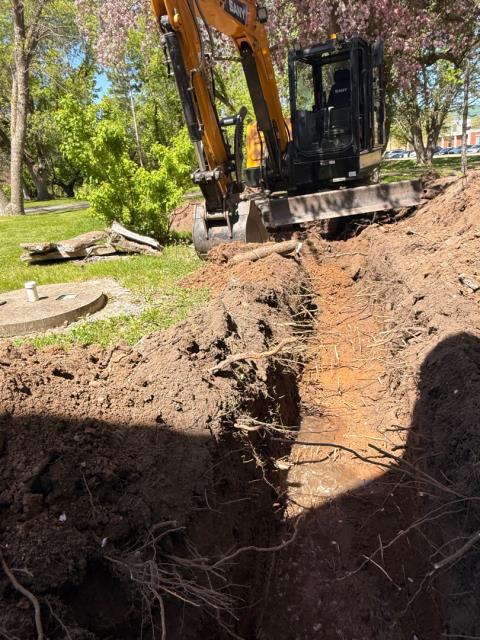
When maintaining your sewer system, it’s essential to perform routine checks for tree root intrusion, particularly in areas where large trees are prevalent.
In regions with heavy rainfall, such as coastal areas, tree roots actively seek out moisture and often find their way into sewer lines, potentially causing significant damage if not addressed. When roots penetrate pipes, they can obstruct water flow, leading to inconvenient clogs and costly repairs.
To mitigate these risks, regularly inspect your sewer lines for signs of intrusion, especially if you live in neighborhoods with mature trees or dense vegetation.
Look for indicators such as slow drains, gurgling noises, or patches of unusually lush grass above the sewer line. Utilizing a plumber’s snake or a camera can provide a clear view inside the pipes, allowing you to identify any root issues.
If you discover roots within your system, consider employing a root-killing treatment or consulting a local plumbing professional who understands the specific challenges posed by the local tree species.
Keeping vigilant about this issue ensures that your sewer system operates efficiently and effectively.
Conclusion
By following these simple DIY sewer maintenance tips, you can keep your plumbing system running smoothly and avoid costly repairs, especially in areas prone to heavy rainfall or flooding. Regularly clear your drains using natural solutions like baking soda and vinegar, which can be particularly effective in regions with hard water. For tough grease buildup, using boiling water mixed with salt can help break down stubborn clogs that are common in kitchens.
To prevent hair and food particles from entering your drains, consider installing a drain guard, particularly in bathrooms and kitchens where these issues are more prevalent. Additionally, performing routine checks for tree root intrusion is crucial, especially in neighborhoods with mature trees that may impact underground plumbing. By taking these steps, you can ensure a healthy sewer system that withstands local environmental challenges.