Sustainable Solutions for Pipe Repairs in Sauk Rapids
Infrastructure maintenance is crucial, especially when it comes to pipelines in Sauk Rapids. The community faces specific challenges, such as aging infrastructure and the potential for environmental contamination from traditional repair methods. In response, there is a strong push for sustainable solutions that minimize environmental impact while extending the life of these essential systems.
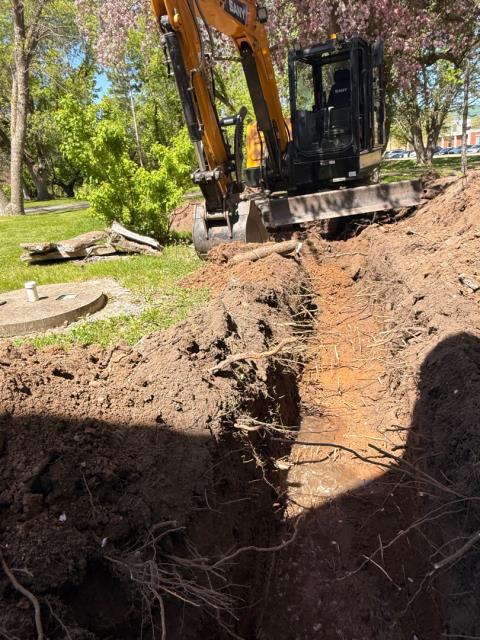
Trenchless technology and eco-friendly materials are leading this charge, significantly transforming how repairs are conducted. These innovative methods not only reduce the need for extensive digging, which can disrupt local ecosystems and neighborhoods, but also utilize materials that are less harmful to the environment.
By implementing these solutions, Sauk Rapids is making strides toward a more resilient infrastructure. The benefits are clear: reduced repair times, lower disruption to daily life, and a commitment to protecting the natural surroundings that residents cherish. This progressive approach is reshaping the community’s infrastructure landscape and setting a precedent for future maintenance efforts.
The Growing Need for Sustainable Pipe Repairs
As global awareness of environmental challenges increases, the need for sustainable pipe repairs becomes more pressing, particularly in urban areas where aging infrastructure poses significant issues.
In regions experiencing heavy rainfall or flooding, traditional repair methods can exacerbate problems by causing further disruption and waste. By opting for sustainable solutions, communities can greatly reduce the carbon footprint associated with these repairs and mitigate local environmental impacts.
Utilizing eco-friendly materials and techniques not only conserves local natural resources but also aligns with regional environmental goals, such as improving water quality and reducing pollution in nearby rivers and lakes.
In areas with strict regulatory measures regarding water management, sustainable pipe repairs can help meet compliance without the added burden of extensive renovations.
Considering the long-term benefits of sustainable practices is crucial for local residents and businesses alike. Sustainable pipe repairs often provide enhanced durability and require less frequent maintenance, which can lead to significant savings over time.
Additionally, these methods contribute to cleaner water systems, resulting in healthier ecosystems and less disturbance to the surrounding environment. By adopting these innovative approaches, communities are taking proactive steps toward fostering a more sustainable future for the next generation.
Trenchless Technology: A Game Changer in Pipe Repairs
In response to the growing need for sustainable solutions in pipe repairs, trenchless technology has emerged as a revolutionary approach that minimizes environmental disruption in urban areas. For instance, in regions where dense populations and existing infrastructure pose challenges, traditional excavation methods can lead to significant inconvenience.
Trenchless technology allows for repairs without the extensive digging that can tear up roads, sidewalks, and landscapes, making it an efficient and cost-conscious choice for city dwellers. This innovative method streamlines the repair process, helping to avoid lengthy disruptions that can affect local businesses and residents.
Techniques like pipe bursting and cured-in-place pipe (CIPP) lining are leading the way, ensuring that repairs aren’t only quick but also durable. By opting for trenchless technology, you help preserve the aesthetic appeal of neighborhoods while contributing to a more sustainable future.
In areas prone to harsh weather conditions or limited access, trenchless methods can also significantly reduce the carbon footprint associated with traditional repair techniques. This makes it a smart choice for communities that prioritize both functionality and environmental responsibility.
Embracing trenchless technology not only addresses immediate infrastructure needs but also reflects a commitment to preserving the local environment for future generations.
Environmentally Friendly Materials in Pipeline Maintenance
Embracing environmentally friendly materials in pipeline maintenance is crucial for achieving sustainable infrastructure solutions, particularly in regions like Sauk Rapids. The local ecosystem faces unique challenges, such as the need to protect waterways and the surrounding natural habitats from industrial impacts. By selecting materials that minimize environmental harm, you can make a significant difference.
Consider using biodegradable sealants that naturally break down, reducing waste and protecting the local environment. Additionally, opting for resins derived from renewable sources, such as plant-based epoxies, can help decrease reliance on fossil fuels, which is especially important in an area that values its natural resources.
These choices not only benefit the environment but also enhance the longevity of your pipelines, ensuring they withstand local weather conditions.
Exploring the use of recycled materials for repairs is another effective strategy. Utilizing recycled metals or plastics can reduce the demand for extracting new raw materials, which is vital in preserving the natural beauty and resources of the Sauk Rapids area.
Cost-Effective Solutions for Long-Term Infrastructure Health
Selecting eco-friendly materials for pipeline maintenance not only benefits the environment but also aligns with cost-effective strategies for maintaining infrastructure over the long term. In regions where extreme weather patterns are common, such as heavy rainfall or prolonged droughts, the need for resilient materials becomes even more critical.
Sustainable solutions often consist of materials that have longer lifespans and require less frequent repairs, which is especially beneficial in areas prone to natural disturbances. This approach reduces overall maintenance costs and minimizes disruptions caused by constant repairs, which can be a significant challenge in communities with limited access to repair services.
Furthermore, using durable, high-quality materials can prevent leaks and other issues that lead to costly fixes down the road. For instance, in areas with aging infrastructure, investing in these sustainable options can help safeguard against the deterioration caused by corrosion and wear.
Community Benefits of Sustainable Pipe Repair Methods
When local communities adopt sustainable pipe repair methods, they benefit in various ways that extend beyond just environmental considerations.
For instance, in urban areas prone to heavy traffic congestion, these methods typically require less excavation. This translates to reduced road closures and detours, minimizing disruption to daily life for residents and commuters alike. The decrease in noise and dust during repairs makes neighborhoods more pleasant to live in, especially in densely populated regions.
Moreover, sustainable repair techniques often enhance water quality by significantly lowering the risk of contaminants infiltrating the water supply. Communities can enjoy increased reliability of their infrastructure, which leads to fewer unexpected outages that can disrupt daily activities.
Furthermore, these approaches contribute to the local economy by creating green jobs and fostering a sense of community pride in environmental stewardship. By embracing sustainable pipe repair methods, communities can cultivate a healthier and more vibrant living environment for all residents.
Case Studies: Success Stories From Sauk Rapids
In the heart of Minnesota, Sauk Rapids exemplifies the transformative power of sustainable pipe repair techniques tailored to local challenges. The community faces unique issues such as aging infrastructure and the need to balance economic growth with environmental stewardship. Inspiring stories of success illustrate the effectiveness of innovative repair methods.
One notable case involved the aging water main on First Avenue, a critical artery for both residents and local businesses. Instead of opting for a costly replacement that would have disrupted daily life, engineers implemented trenchless technology. This forward-thinking approach not only reduced expenses but also minimized disturbances to the community, allowing for continued access and activity along the busy street.
Another success story emerged on Third Street, where a deteriorating sewer line posed a significant threat to the vitality of nearby businesses. With a focus on rapid response, the team employed cured-in-place pipe (CIPP) solutions. This method enabled swift repairs, helping to ensure that local establishments could operate smoothly without lengthy interruptions.
These examples highlight how Sauk Rapids’ commitment to sustainable repair techniques has yielded both economic and environmental benefits for the entire community, reinforcing the importance of innovation in addressing local infrastructure challenges.
Future Innovations in Sustainable Pipeline Repair Techniques
As we look to the future of pipeline repair in regions prone to heavy rainfall and flooding, emerging innovations promise to revolutionize sustainable practices.
Imagine using smart sensors that detect leaks instantly, which is crucial in areas where water resources are already strained. These sensors can alert maintenance teams to issues before they escalate into costly disasters, ensuring quicker and less invasive repairs that minimize disruptions.
In locations where traditional materials often face challenges due to environmental conditions, exploring the use of bio-based repair materials offers a viable alternative. These eco-friendly materials provide the durability and strength needed for effective repairs while significantly reducing carbon footprints.
Additionally, robotics will play an essential role in these areas, enabling remote inspections and repairs in hazardous locations, ultimately ensuring worker safety and efficiency in challenging environments.
Conclusion
Sauk Rapids is making significant strides in sustainable pipe repairs by implementing trenchless technology and eco-friendly materials. This approach addresses local challenges such as aging infrastructure and the need for efficient water management, all while minimizing disruption to the community. By utilizing these innovative methods, the city is not only able to reduce environmental impact but also enhance water quality and infrastructure reliability.
Furthermore, these sustainable practices contribute to the local economy by creating jobs and fostering a sense of community pride. As Sauk Rapids continues to lead the way in eco-conscious solutions, residents are encouraged to support and explore similar sustainable initiatives in their own neighborhoods, promoting a greener future for everyone.