Eco-Conscious Pipe Fixing Techniques Guide
You’re about to explore how adopting eco-conscious methods in plumbing can transform your home and the surrounding environment. This guide offers insights into choosing sustainable materials that are readily available in our region, detecting leaks efficiently, and reducing water waste—issues particularly relevant given our local climate challenges. Imagine the impact on your ecological footprint by simply opting for durable materials and water-saving fixtures that are well-suited to our area. Curious about how these techniques can also enhance energy efficiency and minimize waste? There’s a wealth of information to uncover in this sustainable approach that aligns with the needs of our community.
Choosing Sustainable Materials for Plumbing Repairs
When it comes to plumbing repairs, selecting sustainable materials is crucial for an eco-friendly approach. For instance, in regions where water quality is a concern, materials such as PEX (cross-linked polyethylene) and copper can be particularly beneficial due to their durability and lower environmental impact.
PEX is flexible and resistant to scale and chlorine, requiring fewer fittings and thereby minimizing potential leak points, which is especially important in areas with fluctuating temperatures that can lead to pipe expansion and contraction. Copper, known for its recyclability and natural antibacterial properties, helps ensure water purity, making it a wise choice for health-conscious communities.
When sourcing materials, look for suppliers in your area that are committed to sustainability and offer products with certifications such as LEED or WaterSense. By choosing these materials, you not only help preserve local resources but also contribute to long-term reliability in plumbing systems that can withstand regional challenges, such as varying water pressures or local soil conditions.
Be mindful of the disposal of old materials as well. Responsible recycling of metal pipes and fittings can significantly reduce landfill waste, especially in regions where landfill space is limited.
Your choices in materials can have a meaningful impact on promoting sustainable plumbing practices and supporting environmental health in your community.
Water-Saving Techniques for Leak Fixing
Fixing leaks isn’t just about repairs; it’s an opportunity to conserve water and reduce your overall environmental impact. In regions where water scarcity is a pressing issue, promptly identifying leaks is crucial.
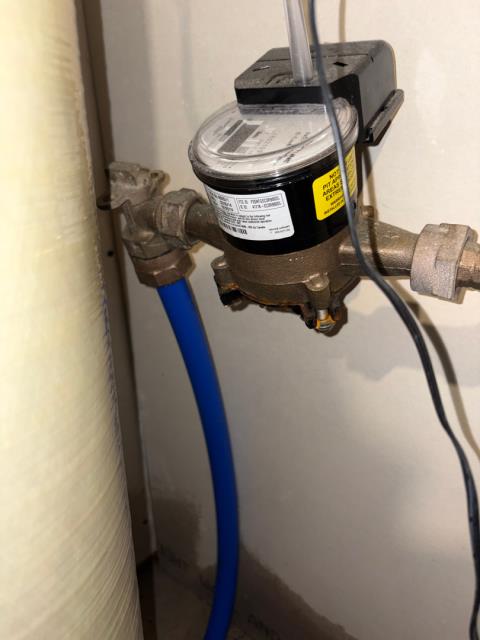
Check your water meter before and after a two-hour period without water use. If the meter changes, you’ve got a leak. Use efficient repair techniques, like pipe wrapping or sealants, to fix minor leaks quickly. In areas with older plumbing systems, don’t ignore dripping faucets; replacing worn-out washers or cartridges can prevent significant water waste.
Consider installing aerators on taps to reduce flow without sacrificing pressure, especially in places where water conservation is vital. Opt for high-quality, durable repair materials to prevent future leaks, as frequent repairs can lead to increased costs and resource use.
Insulating pipes is also a valuable strategy to minimize stress and prevent cracks, particularly in regions subject to temperature fluctuations. By addressing leaks swiftly and effectively, you’ll save water, lower your bills, and contribute to a more sustainable future.
Energy-Efficient Plumbing Practices
While conserving water is essential, adopting energy-efficient plumbing practices can significantly enhance your home’s sustainability, particularly in regions where water scarcity is a concern.
Start by insulating your pipes, especially if you live in an area prone to cold winters. This simple step helps maintain water temperature, reducing the energy needed to heat it.
Next, consider installing a demand-type water heater, which is particularly beneficial in regions with fluctuating energy costs, as it heats water only when necessary, unlike traditional heaters that maintain a constant hot water supply.
Opt for fixtures with the WaterSense label, as these are designed to meet efficiency standards specifically tailored for local water supply conditions. These fixtures use less energy and water without compromising performance, making them ideal for homes in areas facing water shortages.
Regular maintenance is essential; check for leaks and fix them promptly to prevent energy waste, as even small leaks can lead to significant losses over time.
Finally, optimize your hot water usage by setting your water heater to around 120°F. This temperature is efficient and ensures comfort, particularly in climates where hot water is used frequently for bathing or cleaning, while keeping energy consumption in check.
Reducing Waste in Plumbing Projects
In regions where plumbing projects are prevalent, reducing waste can significantly benefit the local environment. One effective strategy is to assess and reuse materials whenever possible. For instance, in areas with older infrastructure, salvaging old pipes, fittings, and connectors that remain in good condition can greatly minimize the demand for new materials and keep usable items out of landfills.
In locations where specific plumbing regulations may complicate projects, precise measurements can help avoid excess cutting and unnecessary waste. When purchasing materials, consider local suppliers that offer options with minimal or recyclable packaging, supporting the community while reducing environmental impact.
Additionally, it’s helpful to encourage your plumber to separate materials for recycling during cleanup, a practice that may not be common in every area but can be easily implemented. Investing in durable, high-quality components can also be beneficial, particularly in regions prone to environmental stressors that may require more frequent replacements.
Lastly, maintaining a clean and organized workspace not only enhances efficiency but also prevents misplacing items, which can lead to additional waste.
Long-Lasting Eco-Friendly Solutions for Pipes
When seeking sustainable plumbing solutions in our region, one of the most impactful choices is opting for long-lasting, eco-friendly pipes. By choosing materials such as copper or cross-linked polyethylene (PEX), you can significantly reduce your environmental footprint.
These options not only conserve resources but also resist corrosion and leaks, ensuring durability even in our local climate.
Consider pipes made from recycled or recyclable materials, which help minimize waste and promote a circular economy. In areas where bamboo is readily available, bamboo pipes present an innovative choice, offering a renewable and biodegradable alternative.
To maximize the lifespan of your plumbing system, it’s crucial to verify proper installation and commit to regular maintenance.
Using non-toxic sealants and insulating pipes can enhance efficiency, particularly during our colder months. By prioritizing these eco-friendly solutions, you’re making a conscious effort to protect the local environment while ensuring your plumbing system’s reliability.
Conclusion
By embracing eco-conscious pipe fixing techniques, you’re not only enhancing your home’s plumbing efficiency but also contributing to a healthier planet. In regions prone to drought, like parts of California or the Southwest, choosing durable materials such as PEX and copper is especially important as they can withstand varying temperatures and reduce the risk of leaks. Additionally, focusing on water-saving fixtures can help minimize waste, which is crucial in areas facing water scarcity.
Consider reusing materials where possible, such as salvaged pipes or fittings, to not only save resources but also to address the challenge of waste disposal in urban areas. Opting for non-toxic sealants can further boost energy efficiency and ensure healthier indoor air quality, which is vital in densely populated environments.
These eco-conscious steps significantly reduce your ecological footprint, offering long-lasting, sustainable plumbing solutions tailored to local challenges. Your efforts today pave the way for a greener tomorrow, benefiting both your home and the wider community.