Budget-Friendly Septic Installation in Sauk Rapids
If you’re thinking about septic installation in Sauk Rapids, you may be looking for ways to manage your budget effectively. Understanding the various system options available in the area is crucial, as each type has its own set of requirements and costs. Additionally, local regulations specific to Sauk Rapids can significantly impact your installation plans.
One common challenge in this region is the soil type, which can affect the type of septic system that is suitable for your property. It’s important to conduct a proper site evaluation to determine the best fit for your land, as this can help avoid unexpected expenses later on.
Moreover, exploring financial assistance programs available in the Sauk Rapids area can greatly ease the financial burden of installation. Many local organizations and government resources offer guidance and support for homeowners looking to install septic systems.
By taking these practical steps, you can ensure that your septic installation is both affordable and compliant with local regulations, making the process smoother and more manageable.
Understanding Septic System Options
When considering a septic system, it’s important to understand the different options that are well-suited for our region. Traditional gravity systems are the most common choice, leveraging natural flow to treat wastewater effectively.
However, in areas with clay-heavy soils or high water tables, these systems can face challenges, making it necessary to explore alternatives.
For properties with limited space or less than ideal soil conditions, a pressure distribution system may be a better option. This system evenly disperses effluent over a larger area, which can be particularly beneficial in locations where traditional options might struggle.
Another viable choice is a mound system, which elevates the drain field above ground level. This is particularly advantageous in regions prone to high water tables, as it allows for effective waste management while preventing contamination of groundwater.
Additionally, aerobic treatment units (ATUs) are worth considering for their efficient waste breakdown capabilities. These systems utilize oxygen to enhance the treatment process, making them suitable for properties that require a more robust solution.
Each septic system option comes with its own set of advantages and disadvantages. It’s crucial to evaluate your property’s specific characteristics and needs to determine the most suitable and cost-effective solution for your installation.
Factors Affecting Installation Costs
Choosing the right septic system isn’t solely about functionality; it significantly influences your installation costs as well. The type of system you select is crucial, as conventional systems typically have lower associated costs compared to alternative options.
Additionally, local regulations and permitting fees can vary widely depending on your municipality, which can add to your overall expenses.
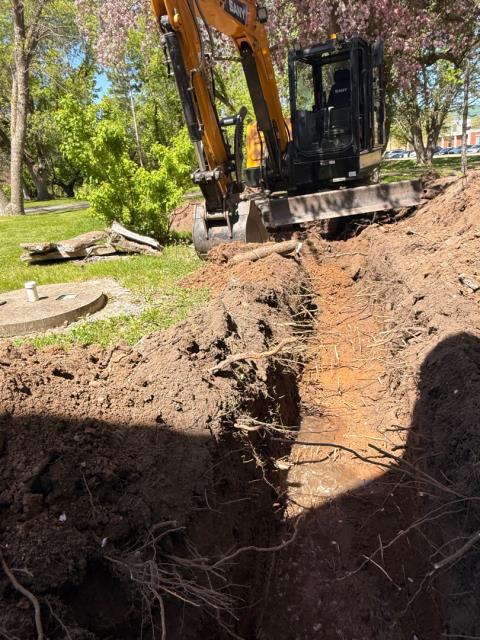
In regions known for their unique geological features, such as rocky terrain or high water tables, the size of your property and the condition of the soil become particularly important. Challenging landscapes may necessitate additional excavation or the use of specialized systems, which can elevate costs.
Furthermore, accessibility for installation equipment can also impact labor expenses, especially in areas with narrow roads or difficult entry points.
Lastly, the cost of materials is another factor to consider. While opting for higher-quality components may lead to improved long-term performance, it can also result in higher initial investment.
Cost-Effective Maintenance Tips
To keep your septic system running smoothly without incurring high costs, regular maintenance is essential. In regions where rainfall is abundant, scheduling inspections every three years can help catch potential issues related to excess water accumulation.
Monitoring your system’s water usage is especially important in areas prone to flooding; reducing unnecessary water usage can help prevent overload during heavy rains. Avoid flushing non-biodegradable items and harsh chemicals, as these can disrupt the natural processes within your tank, particularly in areas with clay soils that may already complicate drainage.
Using septic-safe cleaning products is advisable, as many common household cleaners can negatively impact the microbial balance in your tank.
It’s also wise to pump your septic tank every 3-5 years to prevent buildup and avoid costly repairs, especially in regions with high soil saturation that can exacerbate issues.
Additionally, educating your family about proper septic care will ensure everyone understands the importance of maintaining the system, particularly in locations where septic issues are more common due to local soil types or water table levels.
Local Resources for Septic Installation
Finding local resources for septic installation in your area can significantly streamline the process and help you make informed decisions.
Begin by checking with your city or county’s health department, as they often have specific guidelines and approved contractors that cater to local soil conditions and regulations. For instance, areas with high water tables may have unique requirements that need to be addressed during the installation.
Local hardware stores can also provide recommendations for septic system materials and installers familiar with the regional challenges.
Additionally, community forums and social media groups dedicated to home improvement can be invaluable resources for personal experiences and referrals. Residents often share insights about local contractors who understand the specific needs of your neighborhood.
You might also discover local workshops or seminars that cover septic system installation and maintenance, which can be particularly helpful in areas prone to flooding or heavy rainfall.
Engaging with neighbors who’ve similar setups can yield valuable insights, as they may have navigated the local landscape and can advise on what to expect.
Financing and Assistance Programs
Installing a septic system can be a considerable financial undertaking, especially in areas like Sauk Rapids where specific conditions and regulations may impact costs.
Fortunately, there are various financing and assistance programs available to help alleviate some of the financial strain. Homeowners should look into options such as low-interest loans or grants provided by local government agencies or non-profit organizations, which often target those in need of septic installations.
In this region, certain state programs may also offer tax incentives or rebates to help offset the costs associated with installation.
It’s advisable to consult with the local health department or environmental agency to discover specific programs that can assist you in Sauk Rapids. Additionally, seeking guidance from professionals knowledgeable in local requirements can lead you toward the most suitable financing options for your situation.
This approach can help ensure a cost-effective installation that meets your quality standards while navigating the unique challenges presented by the local environment.
Conclusion
To sum up, achieving budget-friendly septic installation in Sauk Rapids involves exploring a variety of local options and resources tailored to the area’s unique challenges. Understanding the specific system choices that comply with Minnesota’s regulations is crucial, especially given the region’s soil types and water table considerations. Staying informed about local ordinances and potential permitting processes can help avoid unexpected costs. Additionally, utilizing financing programs designed for homeowners in the area can further ease financial burdens.
Regular maintenance plays a vital role in ensuring your septic system operates efficiently and has a longer lifespan. In Sauk Rapids, connecting with community resources for referrals and advice can provide valuable insights into reputable local contractors and service providers. With thoughtful planning and effort, you can secure a reliable septic system that fits your budget without compromising on quality.