Essential Tips for Septic Tank Cleaning Services
When it comes to maintaining your septic system, selecting the right cleaning service in your area can significantly impact the longevity and efficiency of your system. It’s important to choose a company that is reputable and has a deep understanding of local soil conditions, which can affect how your septic system functions. For instance, in regions with clay-heavy soils, drainage can be slower, leading to more frequent maintenance needs.
Recognizing the signs that your tank requires cleaning is also crucial. Look for indicators such as slow drains, unpleasant odors around the tank area, or pooling water in the yard. These issues can suggest that your system is overwhelmed or not functioning correctly. By being informed about these warning signs and knowing what to seek in a cleaning service, you can help ensure your septic system operates smoothly for many years.
Understanding Your Septic System
Understanding your septic system is vital for maintaining a healthy home environment, especially in areas where septic systems are common due to rural settings or limited access to municipal sewage systems. These systems treat wastewater from your home by separating solids and liquids. When you flush the toilet or drain water, it flows into the tank, where bacteria work to break down solid waste. This natural process keeps your wastewater manageable and reduces the risk of contamination, which can be particularly concerning in regions with high water tables or where groundwater is susceptible to pollution.
It’s important to know the components of your system, including the tank, drain field, and the surrounding soil. In certain areas, soil types can affect the drainage and absorption capabilities of your septic system, making it crucial to understand how these factors interact.
Regular maintenance, such as ensuring timely pumping of the tank, is essential for smooth operation and can prevent the need for expensive repairs that may arise from neglect.
Be mindful of what you flush or pour down the drain, as certain materials can disrupt the bacterial balance within the system and lead to significant issues. For instance, in locations with specific environmental regulations or where local wildlife may be affected, improper disposal can have wider implications.
Signs That Your Septic Tank Needs Cleaning
Recognizing when your septic tank needs cleaning can help you avoid costly repairs and maintain a healthy system.
In areas with heavy rainfall, slow drainage in sinks, showers, or toilets is often one of the first signs of a problem. If you notice any gurgling sounds or backups, it’s a clear indication that your tank may be full.
Additionally, in regions with dense vegetation, foul odors around your yard or near the septic system can signal a problem, as they may indicate that waste is leaking into the soil. You might also see unusual lush patches of grass above the tank, which can suggest leaks due to increased nutrient flow.
If your wastewater is pooling in your yard, especially after heavy rain, that’s a critical sign you shouldn’t ignore.
Regular inspections can help you catch these signs early, ensuring your septic system runs smoothly and efficiently. Don’t wait until it’s too late to address these issues, as they can lead to more significant challenges down the line.
Choosing the Right Septic Tank Cleaning Service
When selecting the right septic tank cleaning service, making the right choice initially can save you both time and money.
Start by researching local companies, particularly those familiar with the unique challenges faced in our region, such as the clay-heavy soil that can affect drainage systems. Read customer reviews to gauge their reputation and reliability. Look for services that are known for their transparency in pricing, ensuring you understand the cost structure without hidden fees.
It’s essential to confirm that they’re licensed and insured, as this will protect you from potential liability. Inquire about their experience with the specific conditions of our area, such as seasonal weather variations that may impact septic system performance.
A reputable service should have straightforward answers regarding their cleaning methods and how they address local environmental regulations. Don’t hesitate to request references, and check for any complaints filed with local regulatory agencies, as these can provide insight into the company’s track record.
Lastly, obtain multiple quotes to compare not only services but also the overall value provided. This approach enables you to make an informed decision, ensuring your septic system is handled by qualified professionals who understand the local landscape and its demands.
The Septic Tank Cleaning Process Explained
The septic tank cleaning process is crucial for ensuring a healthy and efficient wastewater system, particularly in areas where soil types can vary significantly, impacting drainage and absorption rates. In many regions, the presence of clay or sandy soils can pose specific challenges, as they may either retain too much water or allow it to drain too quickly.
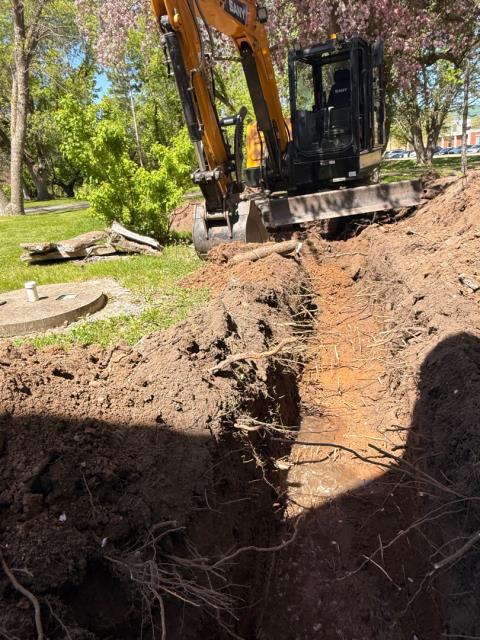
Initially, a professional septic service will locate your tank, often buried under layers of soil or landscaping. They’ll assess its condition, taking into account local environmental factors that may contribute to faster buildup of sludge and scum.
After pumping out the waste, they’ll inspect for any damage or leaks, particularly around inlet and outlet baffles, which can be more susceptible to blockages in certain soil conditions.
To ensure thorough cleaning, technicians may use hoses to wash down the tank walls, removing any buildup that could hinder performance.
Once the tank is cleaned and inspected, it will be refilled with water to the appropriate level, taking care to account for any local regulations regarding wastewater management.
Finally, the service will provide valuable recommendations for future maintenance tailored to local conditions, which might include more frequent cleanings in areas with high water tables or heavy clay soils.
Regular maintenance, typically every 3-5 years, is vital to keep your system functioning efficiently and to avoid costly repairs that can arise from neglect.
Preventative Maintenance Tips for Your Septic System
To keep your septic system running smoothly, it’s essential to implement regular preventative maintenance tailored to the specific challenges of your local area. In regions prone to heavy rainfall, for instance, it’s important to monitor ground saturation levels, as excessive moisture can overwhelm your system.
Start by having your tank inspected and pumped every 3 to 5 years, depending on usage. Be mindful of what goes down your drains; avoid flushing non-biodegradable items or harsh chemicals that can disrupt the bacterial balance crucial for your system’s function.
Additionally, if you live in an area with a high water table, limit water usage to prevent overload; fixing leaks and installing low-flow fixtures can make a significant difference.
Keeping your drain field clear of heavy objects and vegetation is also vital, especially in communities where roots from nearby trees can invade and damage the system.
Finally, educate all household members about septic care, ensuring everyone understands what can and can’t go into the system. By following these tailored tips, you’ll extend the life of your septic system and help avoid unexpected repairs.
Conclusion
In summary, taking care of your septic system is essential for its longevity and efficiency, especially in areas where soil composition and water table levels can affect performance. By understanding the signs that indicate your tank needs cleaning, such as slow drains or foul odors, and choosing a reputable local service, you can avoid costly repairs that often arise from neglect. Regular maintenance is key, particularly in regions with heavy rainfall that can impact the absorption fields. Stay proactive by scheduling cleanings as needed and remember to follow local regulations regarding septic system care. Keeping an eye on your system’s health is crucial, and with these tips, you’ll ensure your septic system runs smoothly for years to come.