Is Your Septic Tank Actually Clean? Discover Now
Is your septic tank actually clean? This is an important question to consider, particularly since the health of your home environment relies on it. In regions where heavy rainfall is common, such as the Pacific Northwest, septic systems can face unique challenges. You might notice some signs of a well-functioning system, like a lack of odors or standing water, but do you know what else to look for? If things don’t seem quite right, it could lead to more significant issues down the line. Let’s explore what you need to know to ensure your septic system is performing optimally in your specific area.
In areas with clay soil, for instance, the absorption rate can be slow, which might lead to backups or overflows if the tank is not properly maintained. Additionally, in warmer climates, the risk of algae growth in the drain field can signal a problem if not addressed promptly. By being aware of these location-specific challenges, you can take proactive steps to keep your septic system running smoothly and avoid costly repairs in the future. Regular inspections and understanding the signs of a failing system can make all the difference in maintaining a healthy home environment.
Understanding Your Septic System
Understanding Your Septic System
When you flush your toilet or run the dishwasher, your septic system plays an important role in managing wastewater. In areas where municipal sewer systems aren’t available, a well-functioning septic system is essential for treating and disposing of sewage and greywater safely. This system typically consists of a septic tank and a drain field.
In regions with heavy clay soil, for example, the drainage process can be slower, which may require additional attention to ensure that wastewater is effectively filtered.
As wastewater flows into the tank, solids settle at the bottom, forming sludge. Depending on the local climate, factors such as seasonal rainfall can affect how your system operates. For instance, during heavy rains, the drain field may become saturated, leading to potential backups if not properly maintained.
The liquid effluent then moves to the drain field, where it’s filtered through soil, further breaking down harmful bacteria and preventing contamination of nearby water sources.
Understanding this process helps you appreciate how crucial regular maintenance is. Neglecting your septic system can lead to backups, unpleasant odors, and costly repairs.
In areas where soil conditions are challenging or where water tables are high, frequent inspections and proper usage can help ensure your system operates efficiently. Familiarizing yourself with its components and functions can help you guarantee it operates smoothly and lasts for many years.
Common Signs of a Healthy Septic Tank
Understanding the common signs of a healthy septic tank is crucial for homeowners in areas with specific environmental challenges, such as high clay content in soil, which can impede drainage.
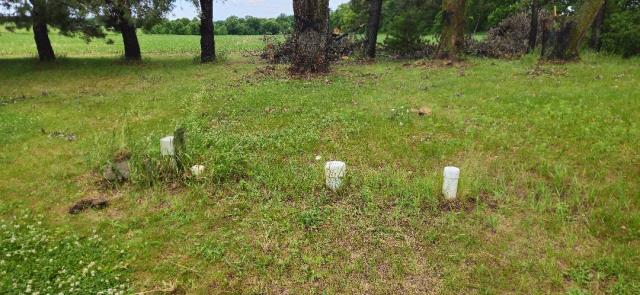
One clear indicator of a well-functioning system is a lush, green lawn over the septic area; this suggests that the nutrients are being effectively absorbed. Additionally, the absence of unpleasant odors near the tank or drain field is a positive sign.
In regions prone to heavy rainfall, it’s particularly important to monitor drainage speeds in sinks and toilets. Normal drainage speeds indicate that your tank is operating correctly, even when groundwater levels fluctuate.
Regular maintenance, such as routine pumping every few years, can help prevent issues commonly faced in your area.
If you haven’t noticed any problems, such as slow drainage or backups, you’re likely on the right track.
Being aware of these signs can assist you in maintaining your septic system effectively and avoiding unexpected challenges related to your local environment.
Red Flags Indicating a Problem
While many signs indicate a healthy septic tank, certain red flags can signal that trouble is brewing, especially in areas with heavy rainfall or clay soil, which can exacerbate septic issues.
If you notice slow drains or backups in sinks and toilets, it’s a clear warning sign that something isn’t right. Unpleasant odors around your yard or inside your home can also indicate septic problems, particularly in regions where humidity is high, as it can amplify these smells.
Additionally, if you see standing water or unusually lush grass over the drain field, it could mean your tank is overflowing, a common issue in locations with limited drainage. Gurgling sounds in your plumbing might suggest air trapped in the pipes, hinting at blockages that may be more prevalent in older neighborhoods with aging infrastructure.
Finally, if you’re experiencing frequent clogs, it’s time to pay attention. Ignoring these symptoms can lead to more significant problems and costly repairs down the line.
Don’t wait—act on these red flags!
The Importance of Regular Maintenance
Regular maintenance is essential to ensuring that your septic tank operates efficiently and lasts as long as possible. In regions with heavy rainfall, such as the Pacific Northwest, the risk of groundwater contamination increases, making it crucial to schedule routine inspections and pumping. By doing so, you can prevent costly repairs and extend the lifespan of your system.
In areas prone to clay soils, like parts of the Midwest, neglecting maintenance can lead to clogs and backups, which may result in environmental hazards. By keeping an eye on your tank’s health, you can identify issues early on, saving yourself both time and money in the long run.
Additionally, regular maintenance ensures your system complies with local regulations, which can vary significantly by state and municipality. This can help you avoid potential fines associated with non-compliance. In regions with strict environmental protection laws, like California, being proactive with your septic system care is even more critical.
Don’t wait for problems to arise; taking a proactive approach is key. Make it a habit to check your septic tank regularly, and you’ll enjoy peace of mind, knowing that your system is functioning well and in accordance with local standards.
How to Inspect Your Septic Tank
Inspecting your septic tank is crucial for maintaining its health, especially in areas prone to heavy rainfall or where the soil has poor drainage.
Start by looking for visible indicators such as surface water pooling around the tank or drain field, which can signal a problem.
In regions with high humidity, be vigilant for unpleasant odors that may indicate a backup or leak.
Additionally, monitor water levels in the tank; in areas with clay soil, for example, high water levels can lead to slower drainage and potential system failure.
Visible Tank Indicators
A healthy septic tank often reveals itself through visible indicators that are easy to check, especially in regions with varying soil types and weather conditions.
Start by inspecting the area around your tank for signs of lush, green grass or unusual vegetation growth; this could indicate an overflow or leak, particularly in areas where heavy rainfall is common.
Next, look for any standing water or wet spots, which may suggest that the tank is full or malfunctioning, especially in locales that experience frequent flooding.
If you notice any bubbling or gurgling sounds, it’s a sign that air is trapped in the system, which can be exacerbated by clay-rich soils that retain water.
Additionally, check the access ports for any sludge buildup; if you see dark layers, your tank might need maintenance, especially in regions where septic systems are prevalent.
Regularly monitoring these indicators can help you catch issues early and keep your septic system functioning smoothly, ensuring compliance with local regulations and preventing costly repairs down the line.
Check for Odors
How can you tell if your septic tank needs attention? One of the most telling signs is an unpleasant odor coming from your drain field or near the tank itself. If you notice a strong, sewage-like smell, it’s a clear indication that something’s off.
In areas with clay soil, for example, odors can be more pronounced due to poor drainage. Additionally, local agricultural practices can impact septic systems, as fertilizers and runoff may contribute to odor issues.
You should also check for smells indoors; if you notice them near your drains, your system may be struggling. In regions with heavy rainfall, the ground can become saturated, which might lead to odors surfacing more frequently.
Don’t ignore these warning signs. If you detect any odors, it’s best to inspect your septic system thoroughly or consult a local professional who understands the specific challenges of your area.
Addressing the problem early can help you avoid more significant issues and costly repairs in the future.
Monitor Water Levels
When you want to guarantee your septic tank is functioning properly, monitoring water levels is essential, especially in regions prone to heavy rainfall or seasonal flooding.
Start by checking the access ports, where you can see the tank’s liquid levels. Ideally, the water should be about one-third full. If it’s too high, it might indicate a blockage or a full tank, which requires immediate attention. Use a dipstick or a measuring tape to get accurate readings.
In areas with clay soil or high water tables, keep a close watch on water levels after heavy rain or during wet seasons, as these conditions can lead to quicker saturation of the tank.
Regular inspections are crucial, particularly following periods of increased water usage, such as during holidays or family gatherings. If you’re unsure about what you’re observing, don’t hesitate to consult a local professional who understands the unique challenges of septic systems in your area.
Keeping an eye on water levels helps you catch issues early, ensuring your septic system operates efficiently and prolongs its life.
The Role of Bacteria in a Clean Septic System
While many homeowners in rural areas might overlook the role of bacteria in their septic systems, these tiny organisms are essential for maintaining a clean and efficient setup.
In regions where soil type can vary significantly, bacteria break down solid waste, converting it into liquid and gas, which helps prevent clogs and backups. Without these microorganisms, your septic tank could quickly become overwhelmed, leading to expensive repairs and potential health hazards, especially in areas prone to flooding or heavy rain.
It is crucial to encourage a healthy bacterial population by avoiding harsh chemicals and excessive use of antibiotics, as these can kill off the beneficial bacteria.
In some communities, septic systems are subject to stricter regulations due to environmental concerns, making it even more important to maintain a well-functioning system. Regular maintenance, such as pumping your tank, supports this natural process, ensuring your system runs smoothly despite local challenges like high groundwater levels or sandy soil that can affect drainage.
Common Misconceptions About Septic Tanks
What do you really know about septic tanks? Many homeowners in rural areas may hold misconceptions that can lead to serious issues.
For instance, it’s a common belief that once a tank is installed, it requires little to no maintenance. In reality, regular pumping and inspections are essential to prevent costly repairs down the line.
Another prevalent myth is that you can flush anything down the toilet, believing it will simply break down. However, many items, such as wipes and feminine hygiene products, can disrupt the system and lead to clogs.
Residents might also think that adding chemicals will enhance the tank’s performance, but these substances can actually harm the beneficial bacteria needed for proper function.
Additionally, in regions with high groundwater levels, it’s easy to assume that a foul odor indicates the tank is full. However, this odor could signal other issues, such as a failing drain field or a blockage.
Steps to Take if Your Tank Is Not Clean
If you suspect your septic tank isn’t clean, the first step is to inspect it for any blockages, especially considering the unique challenges posed by the local environment.
Factors such as heavy rainfall or soil composition in our area can contribute to issues with septic systems.
Once you’ve identified any issues, it’s essential to schedule professional maintenance to address the problem.
Timely action is crucial, as it can help prevent more serious complications down the road, particularly in regions where septic systems are common and local regulations may require adherence to specific maintenance standards.
Inspect for Blockages
To ensure that your septic tank operates effectively, it’s crucial to inspect for blockages that could hinder its function.
Begin by examining the plumbing fixtures in your home for slow drains or backups. In areas prone to heavy rainfall or clayey soils, these issues may point to a blockage in your pipes leading to the tank.
Next, locate the access points of your septic tank and carefully remove the covers. Use a flashlight to peer inside; any visible sludge buildup could indicate a potential problem.
Additionally, check the drain field for signs of standing water or unusually lush vegetation, as these can be indicators of blockages in the leach field, especially in regions with high groundwater levels.
If you identify any concerns, it’s important to address them promptly to avoid further complications. Regular inspections are key to keeping your system functioning properly in your local environment.
Schedule Professional Maintenance
After checking for blockages and noticing signs that your septic tank may not be functioning properly, scheduling professional maintenance becomes essential.
Residents in this area often encounter unique challenges such as the heavy clay soils that can affect drainage and increase the likelihood of clogs.
Don’t wait until issues escalate; act quickly to avoid potentially expensive repairs. Reach out to a licensed septic service provider familiar with local conditions who can thoroughly assess your system.
They’ll inspect the tank, identify any issues, and recommend necessary services, such as pumping or repairs.
It’s wise to inquire about their experience and check reviews to ensure you’re hiring a trustworthy professional.
Additionally, establishing a routine maintenance schedule tailored to the region’s specific needs can help keep your system functioning effectively.
Regular inspections and servicing can prevent future complications and extend the life of your septic system, providing you with peace of mind.
Professional Help: When to Call an Expert
Wondering when it’s time to call in a professional for your septic tank maintenance? If you live in areas prone to heavy rainfall or flooding, you might notice foul odors, slow drains, or gurgling sounds more frequently.
These symptoms are clear indicators that something’s wrong and shouldn’t be ignored. In regions with sandy or clayey soil, septic systems can face unique challenges, so if you haven’t had a professional inspection in over three years, it’s wise to schedule one.
When the tank overflows or you observe sewage backing up, especially after a storm or heavy rain, don’t hesitate to call an expert immediately.
They’re equipped to identify and resolve issues effectively, preventing further damage and costly repairs. Regular professional maintenance can save you significant hassle down the road, ensuring your system runs smoothly, particularly in areas where the ground conditions can impact septic performance.
Trust your instincts; if something feels off, it’s better to be safe than sorry.
Conclusion
In summary, maintaining a clean septic tank is vital for a healthy home, especially in regions prone to heavy rainfall or flooding, which can pose unique challenges to septic systems. By recognizing the signs of a well-functioning system and knowing when to seek assistance, you can avoid expensive repairs and safeguard your local environment. Regular inspections and maintenance are essential to ensure your tank operates efficiently, particularly in areas with clay soil that can impede drainage. Therefore, don’t wait for issues to develop—be proactive and take control of your septic system to ensure it stays in optimal condition.