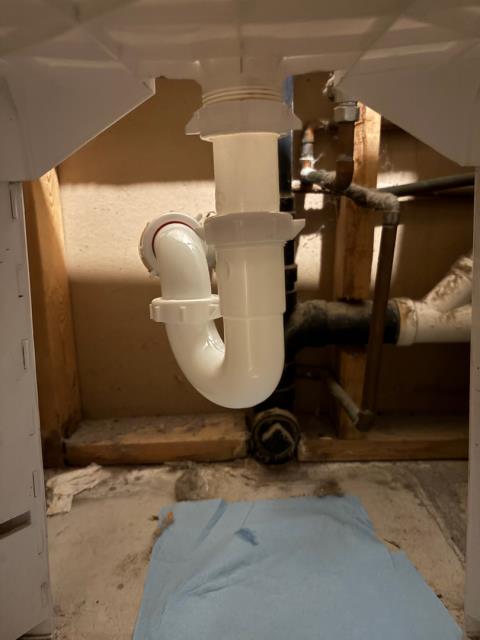
Expert Septic Tank Cleaning in Rapids
If you own a property in Rapids, you understand the unique challenges that come with maintaining a septic system in this area. The local soil composition and water table levels can affect how your system operates, making regular maintenance even more crucial. Scheduling routine cleaning can help prevent costly repairs and ensure your system runs smoothly.
But how do you know when it’s time to call in the professionals? There are several signs to watch for that indicate your septic system may need expert attention. For instance, if you notice slow drains, unpleasant odors near your drain field, or lush patches of grass over your septic tank, these could be signs of a problem.
The benefits of professional cleaning services in Rapids extend beyond mere maintenance. Local experts are familiar with the environmental conditions specific to the area and can provide tailored solutions to keep your system functioning efficiently. By investing in regular septic cleaning, you can protect your property and avoid the hassles that come with system failures.
Understanding Septic Systems
Septic systems play a crucial role in managing waste in regions where centralized sewer systems are absent. These systems are essential for treating and dispersing wastewater in a safe and efficient manner.
At their core, a septic system includes a tank and a drain field. Wastewater from homes flows into the tank, where solids settle at the bottom. Bacteria work to break down organic material, allowing the liquid effluent to exit into the drain field. In this area, the effluent filters through the soil, which further purifies the water before it reaches the groundwater.
Local environmental conditions can present specific challenges to septic systems. For instance, in areas with high water tables, the drain field might struggle to function effectively, leading to potential backups. Heavy rainfall can also saturate the soil, hindering absorption and creating additional strain on the system.
Understanding how your septic system operates in the context of these local factors is essential for proper maintenance. Regular inspections and proactive maintenance can help avoid costly repairs and ensure that your system functions as intended.
Signs Your Septic Tank Needs Cleaning
When your home’s plumbing starts to show signs of trouble, it may be time to consider that your septic tank needs cleaning.
In areas with heavy rainfall or clay soil, homeowners often face unique challenges with their septic systems. Pay attention to slow drains or frequent backups, as these can indicate a full tank.
If you notice a foul odor around your yard or near your septic field, it’s another warning sign. Additionally, standing water or unusually lush, green grass in specific areas of your yard might suggest a leak or overflow, especially after wet weather.
If your toilet gurgles or your sinks bubble, that could indicate potential blockage within the system. Regularly monitoring these signs can help you avoid more significant problems down the line.
If you experience any of these issues, it’s advisable to contact a professional for an inspection and cleaning to ensure your system functions properly.
Benefits of Professional Septic Tank Cleaning
When you opt for professional septic tank cleaning in our area, you’ll experience an immediate boost in system efficiency.
Local factors, such as the high clay content in the soil and the frequent heavy rainfall, can lead to quicker buildup of sludge and scum in septic tanks.
Regular maintenance through professional cleaning not only helps prevent costly repairs in the future but also significantly extends the lifespan of your tank.
Improved System Efficiency
Regular professional septic tank cleaning significantly enhances system efficiency, ensuring that waste management in your home operates without issues.
In areas prone to high rainfall or clay-heavy soil, septic systems can face unique challenges. Keeping your tank clean prevents solids from accumulating, which can lead to clogs that are exacerbated by the local soil conditions. This allows wastewater to flow smoothly, maintaining optimal drainage and reducing the risk of backups and unpleasant odors, which can be particularly troublesome in humid climates.
Additionally, you may notice that your system operates more quietly, signaling that it’s functioning properly. A well-maintained septic system also tends to consume less energy, which can translate to savings on your utility bills.
By prioritizing routine cleanings, you aren’t only safeguarding your system’s performance but also extending its lifespan. Embracing professional septic tank cleaning is essential for ensuring an efficient and reliable waste management system, especially in communities where septic challenges are common.
Enjoy the peace of mind that comes with knowing your system is in top shape.
Prevent Costly Repairs
Maintaining a clean septic tank is crucial for residents in areas with high water tables and clay soils, as these conditions can exacerbate system inefficiencies and lead to costly repairs.
In regions where heavy rain is common, neglecting regular cleaning can cause solids to accumulate quickly, resulting in clogs and backups that can disrupt your entire system. This disruption may lead to emergency repairs, which can be both expensive and inconvenient.
By choosing professional septic tank cleaning, you can ensure that potential issues are identified early, especially in locations prone to flooding or where septic systems are common.
Professionals can detect signs of wear or damage before they escalate into major problems, ultimately saving you time and money. Regular maintenance is particularly important in areas with older systems or where population density puts additional stress on septic infrastructure.
Investing in expert cleaning now provides peace of mind and contributes to a healthier septic system in the long run.
Don’t wait for a disaster to occur; take proactive steps to protect your system and avoid the financial burden that can come from neglect.
Extended Tank Lifespan
Professional septic tank cleaning is crucial for homeowners, especially in regions where soil composition and weather patterns can exacerbate septic issues. In areas with clay-heavy soil, for instance, waste can break down more slowly, leading to buildup that increases the risk of clogs and backups.
Regular maintenance ensures that waste is efficiently processed and harmful materials are removed, which is vital in such environments. Investing in expert cleaning helps to prevent the deterioration of your tank’s materials, particularly in locations where extreme temperatures can take a toll on septic systems.
By maintaining your tank, you not only enhance its longevity but also ensure that it operates at peak efficiency, ultimately saving you on the costs associated with repairs and replacements.
Moreover, a well-maintained septic tank is beneficial for the local ecosystem. It protects groundwater quality, especially in communities reliant on local wells.
The Septic Tank Cleaning Process
Cleaning your septic tank is essential for ensuring its efficiency and longevity, especially in areas where soil composition and local regulations can pose unique challenges. For instance, in regions with heavy clay soils, the risk of drainage issues can increase, making regular maintenance even more critical.
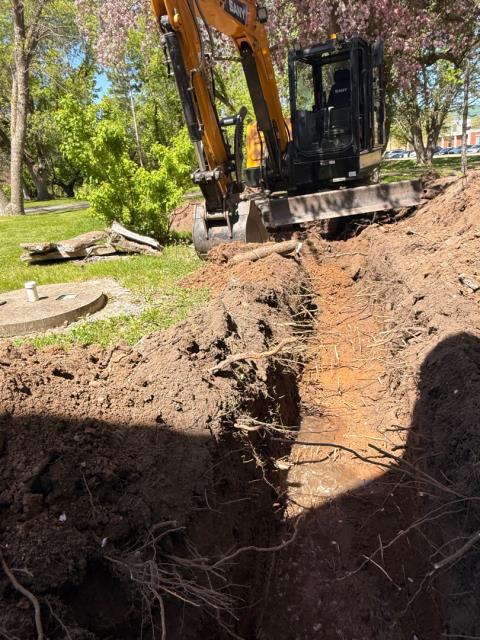
First, a professional will inspect your tank, looking for signs of damage or buildup that may be exacerbated by local weather conditions, such as heavy rainfall or drought, which can affect the tank’s performance. They’ll then pump out the sludge and scum layers that accumulate over time. This process typically involves connecting a hose from a vacuum truck to your tank’s access port.
Following this, the technician will wash down the interior walls to remove any residue, ensuring that no lingering solids can cause future issues. They’ll also check the drain field for proper functioning, particularly in areas where the water table can fluctuate.
Lastly, they’ll discuss any necessary repairs or maintenance tips tailored to your local environment. Regular cleaning helps prevent costly repairs and keeps your system running smoothly, safeguarding your home and the surrounding ecosystem.
Frequency of Septic Tank Maintenance
Understanding how often to maintain your septic tank is essential for its longevity and your home’s sanitation.
In regions with heavy rainfall, such as areas prone to flooding, septic systems can become overwhelmed, making regular maintenance even more critical.
Be aware of recommended cleaning intervals, signs that your tank is full, and seasonal maintenance tips to keep things running smoothly.
For instance, during dry summer months, the soil around your tank may dry out, which can affect the system’s performance.
Let’s explore what you need to know to stay on top of your septic system’s health in your unique environment.
Recommended Cleaning Intervals
Regular maintenance of your septic tank is crucial for its longevity and efficiency. In areas with heavy rainfall or clay soil, which can impede drainage, planning to have your tank pumped every three to five years is essential. This timeline may vary based on household size and water usage.
For households with larger families or those that frequently use a garbage disposal, more frequent pumping may be necessary to avoid issues.
Additionally, local regulations may require more stringent inspection intervals, particularly in regions with high groundwater levels, which can increase the risk of system failure. Regular inspections can help you catch potential issues early, preventing costly repairs down the line.
Keeping track of your cleaning schedule is imperative, as neglecting it can lead to backups and malfunctioning systems. By staying proactive, you’ll maintain a healthy septic system, contributing to your home’s overall value and functionality.
Signs of Full Tank
A full septic tank can create a variety of challenges for homeowners in this region, making it crucial to recognize the signs that indicate maintenance is needed.
Keep an ear out for gurgling sounds in your plumbing, as this can often mean that air is trapped in your pipes due to a blockage. If you experience slow drains or backups, particularly in lower-level fixtures, it’s a strong indication that your tank may be full.
In this area, where rainfall can be frequent, foul odors around your yard or near your drain field may suggest a leak or overflow.
Additionally, standing water or unusually lush green patches in your yard can signal that sewage is surfacing, which is especially concerning during the wet seasons.
Being aware of these signs can enable you to address issues early, helping to prevent significant repairs and ensuring that your septic system operates effectively.
Seasonal Maintenance Tips
Noticing signs of a full septic tank can prompt you to take action, but ongoing maintenance is key to preventing these issues.
In our region, the heavy rainfall during certain seasons can lead to saturated soil, making it crucial to schedule pumping every 3-5 years, depending on your household size and usage.
During spring and fall, check for any visible signs of wear or leaks in the tank and pipes, especially after winter when freezing temperatures can cause cracks.
Keep an eye on your drain field, as the local landscape can impact its functionality; avoid parking or planting over it to prevent compaction.
Given the area’s propensity for extreme weather, it’s wise to reduce water usage by spreading out laundry loads and promptly fixing leaks.
Additionally, be mindful of what goes down the drain; avoid flushing non-biodegradable items, as local waste management facilities can be strained during peak times.
Common Misconceptions About Septic Systems
While many homeowners in our region rely on their septic systems for wastewater management, several misconceptions can lead to costly mistakes. One prevalent belief is that septic systems don’t require regular maintenance. However, neglecting this vital aspect can result in significant problems, especially given the unique soil and weather conditions we face here.
Another common myth is that flushing chemicals will help keep your system clean. In reality, these substances can disrupt the beneficial bacteria essential for breaking down waste, which is particularly concerning in an area known for its delicate ecosystem.
Some may also think that a larger tank means less frequent pumping. However, all tanks should be pumped every 3 to 5 years, regardless of size, to prevent issues that can arise from over-saturation, especially in our region where rainfall can affect the water table.
Finally, some homeowners mistakenly believe they can use their sinks as trash cans. This habit can lead to clogs and backups, which are even more problematic in our locality due to the aging infrastructure in some areas.
Understanding these truths can help you maintain a healthy, functioning septic system tailored to our specific environmental conditions.
Choosing the Right Septic Cleaning Service
How do you know you’re choosing the right septic cleaning service in your area? Start by researching local companies and reading reviews from your community.
Look for providers that have a strong reputation and positive feedback from customers nearby. Given the unique challenges posed by the region’s soil and weather conditions, it’s essential to select a service that understands local septic system requirements.
Make sure the company is licensed and insured; this protects you from liability in case of accidents.
Check their experience—how long they’ve been serving the community is important. Ask about their cleaning methods and whether they use environmentally friendly products that are suitable for the local ecosystem.
A reliable service will offer clear communication and a detailed plan for your septic tank cleaning that takes into account local regulations.
Finally, don’t hesitate to ask for references from other customers in your area. This gives you valuable insight into their customer satisfaction.
Cost Factors for Septic Tank Cleaning
When selecting a septic cleaning service, understanding the cost factors involved is essential for making an informed choice. Several elements can influence the overall price you may encounter.
First, the size of your septic tank plays a significant role; larger tanks require more time and resources to clean adequately. In certain areas, like those with larger lots or rural settings, you may find that many homes have larger tanks, which could lead to higher service costs.
Next, the accessibility of your tank can also impact expenses. If your tank is located in a hard-to-reach area, such as behind a fence or under dense landscaping, it may take longer for the service provider to complete the job. In urban environments, where homes are closer together, access challenges can arise due to space constraints.
Location is another important factor, as prices can vary based on regional labor costs and disposal fees. For instance, in urban areas, labor costs may be higher due to the cost of living, whereas rural areas might’ve different pricing structures influenced by travel distances and local regulations.
Additional services, such as pumping or inspection, could also contribute to the overall cost. For example, if you live in an area prone to heavy rainfall or flooding, having a thorough inspection might be necessary, which can add to your total expenses.
Finally, it’s wise to consider the provider’s experience and reputation, as established companies may charge more for their expertise and reliability.
Balancing these factors will help you navigate the complexities of septic tank cleaning and make an informed decision tailored to your specific needs.
Maintaining Your Septic System Between Cleanings
To keep your septic system in good working order between cleanings, regular maintenance is essential. In areas with clay soil, such as many parts of the Midwest, drainage can be slow, which may lead to backups if not monitored closely.
Start by being mindful of what you flush down the toilet and pour down the sink. Avoid flushing wipes, grease, and non-biodegradable items, as these can easily clog the system.
Monitor your water usage; excessive water can overwhelm the system, particularly during the rainy season when the ground is already saturated. Check for any signs of leaks or backups, and address them promptly to prevent further complications.
Additionally, keep the area around the septic tank clear of heavy vehicles and invasive tree roots, especially in regions where certain tree species are prevalent and can cause significant damage.
Finally, consider adding beneficial bacteria to your system to enhance its efficiency, especially if you live in an area with a high density of septic systems, which can strain local resources.
Conclusion
In summary, maintaining your septic system is crucial for both your home and the surrounding environment in Rapids. The area’s unique soil composition and seasonal weather patterns can impact your septic system’s performance. Scheduling professional cleaning every 3-5 years is essential, especially considering the potential for heavy rainfall or snowmelt that could lead to system overload. Being vigilant for signs that indicate maintenance is needed can help prevent costly repairs and ensure your system operates efficiently. It is important to select a reputable septic service in Rapids that understands local conditions and challenges. Remember, a little proactive care can significantly extend the life of your septic system and contribute to the overall health of your property and community.