7 Tips for Economical Drain Field Repair in Sauk Rapids
If you’re dealing with drain field issues in Sauk Rapids, you’re not alone. Many homeowners in the area face the challenge of maintaining their systems amidst the unique local conditions. Factors such as the region’s heavy rainfall and fluctuating soil types can complicate repair efforts and lead to unexpected costs. Fortunately, there are practical steps you can take to reduce expenses while ensuring your system operates efficiently. From regular inspections to environmentally friendly practices, implementing these strategies can help you save money and prolong the lifespan of your drain field. Let’s delve into these tips and discover how you can start making a positive impact today.
Regular Maintenance Checks
When you prioritize regular maintenance checks for your drain field, especially in areas prone to heavy rainfall or flooding, you can catch potential issues before they escalate.
It’s crucial to inspect the area for signs of trouble, such as pooling water or unusual odors, which can be more prevalent in regions with high water tables. Regularly checking your system helps you identify clogs or damage early on, ultimately saving you time and money in the long run.
Make it a habit to clear debris, like leaves and grass clippings, particularly during the fall months when these materials can accumulate rapidly. You should also monitor your septic tank levels and schedule pumping as needed, especially after periods of heavy use or significant rainfall.
Optimize Water Usage
To keep your drain field functioning efficiently, optimizing water usage is crucial, especially in areas prone to heavy rainfall or drought.
Start by addressing any leaks in your plumbing; even small drips can accumulate over time and strain your system. Consider installing low-flow fixtures in your bathrooms and kitchen, which can significantly reduce water consumption without compromising efficiency.
In regions with high humidity, scheduling your laundry and dishwashing for off-peak hours can be beneficial, allowing your drain field to recover between uses.
Additionally, collecting rainwater for outdoor watering needs can alleviate pressure on your septic system during wet periods. It’s also wise to limit excessive water usage during heavy rains, as saturated soil can hinder drainage capabilities.
Ultimately, being mindful of your water habits not only extends the lifespan of your drain field but also contributes to more sustainable practices in your community.
Use Eco-Friendly Additives
When it comes to maintaining your drain field in areas prone to heavy rainfall or flooding, using eco-friendly additives can make a significant difference.
In regions where clay soils dominate, natural enzyme treatments, bio-based soil amendments, and organic bacterial cultures can help improve soil health and enhance waste breakdown. These solutions are particularly beneficial in preventing the common issue of drainage clogging that many homeowners face.
By opting for these environmentally friendly options, you aren’t only investing in the longevity of your system but also contributing to the preservation of local ecosystems.
Choosing sustainable practices helps protect waterways from contamination and supports overall community health.
Natural Enzyme Treatments
Using natural enzyme treatments can significantly improve your drain field’s performance while being environmentally friendly, especially in regions with heavy clay soils that can hinder drainage.
These treatments are effective in breaking down organic matter, enhancing the drainage process, and preventing clogs common in areas with high rainfall or frequent flooding. By introducing beneficial bacteria and enzymes into your system, you can encourage healthier soil and optimize nutrient cycling, which is crucial in agricultural communities.
In areas where traditional chemical cleaners might disrupt local ecosystems, opting for these natural solutions can provide a sustainable maintenance approach.
Regular application of enzyme treatments can also help mitigate the risk of costly repairs that often arise from neglect or overreliance on harsh chemicals, ultimately preserving your investment in your property.
Additionally, these treatments are easy to apply and safe for both family members and pets, making them an ideal choice for households.
Bio-Based Soil Amendments
Natural enzyme treatments can set the stage for even greater improvements in your drain field by incorporating bio-based soil amendments.
In regions where heavy clay soils dominate, such as in certain parts of the Midwest, these eco-friendly additives can significantly enhance soil structure, water retention, and microbial activity. By using locally sourced compost, biochar, or other organic materials, you’ll not only improve drainage but also promote healthier soil ecosystems that are often challenged by compacted or poorly draining soils.
When you apply these amendments, you’re feeding beneficial microorganisms that break down waste more effectively, which is especially important in areas prone to flooding or heavy rainfall.
It’s crucial to choose products that are free from harmful chemicals to ensure your drain field operates efficiently. Regularly adding bio-based amendments can lead to long-term benefits, reducing the need for costly repairs that can arise from soil degradation or system failure.
Embrace these sustainable choices, and watch your drain field thrive in harmony with the local environment.
Organic Bacterial Cultures
Incorporating organic bacterial cultures into your drain field maintenance can significantly enhance its performance, especially in areas with high clay content or seasonal flooding, which can impede drainage.
These eco-friendly additives help break down waste more efficiently, promoting better drainage and reducing odor. By introducing beneficial bacteria, you’re not only improving the soil’s health but also fostering a balanced ecosystem that can effectively handle organic matter.
In regions prone to heavy rainfall or drought, using organic bacterial products specifically designed for drain fields can be particularly beneficial. Regular application can help prevent clogs and extend the life of your system, especially in locations where soil conditions may lead to quicker degradation of traditional septic systems.
Additionally, utilizing these cultures is a sustainable choice, minimizing your impact on the local environment.
A well-maintained drain field means fewer costly repairs in the future, which can be especially important in communities where septic maintenance services may be limited.
Therefore, considering organic bacterial cultures is a smart and economical solution for your drain field maintenance needs.
Reroute Rainwater Drainage
When heavy rain hits, water can easily overflow your drain field, leading to costly repairs. In regions prone to heavy rainfall or sudden storms, such as the Pacific Northwest, this issue becomes even more pressing.
To avoid this, you should consider rerouting rainwater drainage away from your drain field. Start by identifying areas where rainwater naturally collects, particularly in low-lying areas or near slopes, and direct that flow elsewhere.
Installing gutters and downspouts is crucial in these regions as they can help capture rainwater from your roof and channel it away from the field. Be sure to extend downspouts at least 10 feet from the drain field, particularly in areas where the soil is already saturated, to prevent any additional saturation.
Additionally, creating swales or trenches can be effective in diverting rainwater runoff, especially during the rainy season.
Keep the Area Clear
To keep your drain field functioning well, it’s crucial to promptly remove any obstructions.
In areas where rainfall is frequent, controlling vegetation around the drain field is especially important, as overgrowth can lead to serious drainage issues.
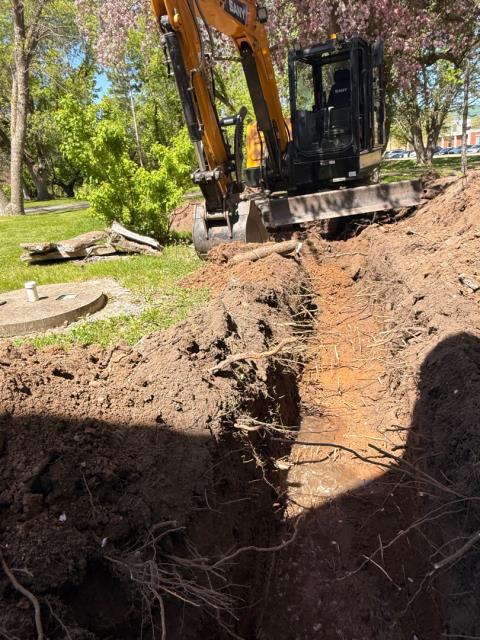
Additionally, in regions that experience heavy traffic or construction, it’s vital to avoid using heavy equipment nearby. Such activities can compact the soil and disrupt the drainage system, leading to costly repairs and maintenance in the long run.
Regular monitoring and maintenance of the area will help ensure the longevity and efficiency of your drain field.
Remove Obstructions Promptly
Keeping the area around your drain field clear is crucial for its health and functionality, especially in regions prone to heavy rainfall or snowfall. In such areas, obstructions like fallen branches, debris from storms, or construction materials can severely hinder proper drainage and potentially damage the system.
Make it a habit to regularly inspect your drain field and promptly remove any obstacles. This ensures that water can flow freely, reducing the risk of clogs or backups, which can be particularly problematic during wet seasons.
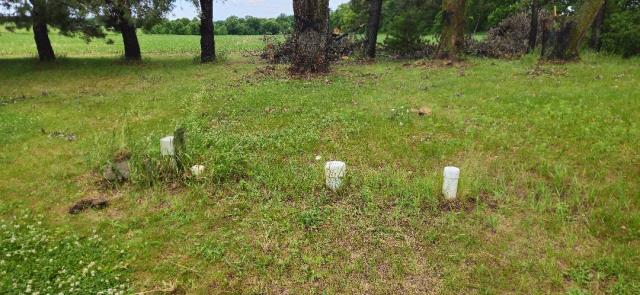
In regions where wildlife may be a concern, it’s also wise to consider marking the boundaries of your drain field to prevent accidental damage from landscaping tools or vehicles.
By staying proactive, you’ll protect your investment and maintain the efficiency of your system. Addressing obstructions quickly can help you avoid more significant issues later on, which can lead to unexpected expenses.
Keeping your drain field clear will contribute to its longevity and effectiveness.
Maintain Vegetation Control
Maintaining a healthy drain field in regions with heavy rainfall or frequent storms can present unique challenges. Controlling vegetation in these environments is crucial for optimal performance. Overgrown grass, shrubs, and trees can obstruct airflow and water movement, leading to potential system failure.
Regularly trim back any invasive plants and ensure the area around your drain field remains clear. This practice enhances drainage and prevents roots from invading the system, which can lead to significant repair costs.
In areas with clay soil or where flooding is common, consider using mulch or gravel around the drain field. These materials can help suppress weed growth while still allowing essential moisture to penetrate the soil.
Additionally, be vigilant for signs of overgrowth, particularly during the growing season when plant growth is most vigorous. By implementing these straightforward strategies, you can ensure your drain field operates efficiently, ultimately helping you avoid time-consuming and potentially expensive repairs in the future.
Avoid Heavy Equipment Usage
Heavy equipment can severely damage drain fields, making it crucial to keep these areas clear of such machinery. In regions where clay soil is prevalent, like many areas in the Midwest, the risk of soil compaction increases, further disrupting the drainage process.
When planning repairs or maintenance, prioritize avoiding the use of large vehicles and equipment near your drain field. The weight and pressure from these machines can lead to costly repairs down the line.
Instead, consider utilizing smaller tools and equipment that won’t exert unnecessary stress on your system.
It’s also important to educate family members and visitors about the significance of keeping the area free from vehicles and heavy objects. By taking these precautions, you can help maintain the integrity of your drain field and prevent potential issues that can arise from improper usage in your specific environment.
Consider Aeration Systems
If you’re looking for an effective way to enhance the performance of your drain field in this region, consider installing an aeration system. Local soil conditions, such as clay or sandy textures, can significantly impact drainage efficiency.
Aeration works by introducing air into the wastewater, promoting the growth of beneficial bacteria that break down organic materials. This process can greatly improve the efficiency of your drain field, reducing the risk of clogs and backups, especially in areas prone to heavy rainfall or flooding.
Additionally, aeration systems can help maintain proper moisture levels in the soil, which is crucial for effective drainage in our unique climate. They’re relatively low-maintenance and can be a more economical solution compared to extensive repairs that may be necessary due to local environmental challenges.
Consult Professionals for Advice
When you’re facing issues with your drain field, consulting professionals can be particularly beneficial given the unique challenges presented by our local environment.
Factors such as soil composition, seasonal weather variations, and local regulations can complicate drainage issues. Professionals in our area possess the expertise necessary to diagnose problems accurately, ensuring you avoid unnecessary repairs. A trained technician can identify underlying issues like blockages or soil saturation that may go unnoticed, especially in regions where heavy rainfall can lead to frequent saturation.
Don’t hesitate to seek advice; a consultation often reveals cost-effective options that may not be immediately apparent.
Many local experts also provide maintenance tips tailored to our specific climate, which can extend the life of your drain field and help prevent future issues. By relying on their knowledge, you’ll be equipped to make informed decisions that protect your investment and ensure your system operates efficiently.
Conclusion
By following these tips for economical drain field repair in Sauk Rapids, you can save money and extend the life of your system. Regular maintenance checks are crucial, especially given the area’s unique soil composition and climate conditions that can impact drainage performance. Optimizing your water usage is equally important; be mindful of how much water is being used during peak seasons, as excessive water flow can overwhelm the system.
Utilizing eco-friendly additives can enhance the efficiency of your drain field, while also being safe for the local environment. In Sauk Rapids, managing rainwater drainage is particularly vital due to the region’s rainfall patterns; ensuring that surface water does not flood the drain field can prevent unnecessary stress on the system. Keeping the area surrounding your drain field clear of debris and vegetation will also help improve airflow and performance.
Considering the installation of aeration systems can be beneficial, especially in areas where soil compaction is an issue. Lastly, do not hesitate to consult local professionals who can provide tailored advice based on the specific challenges faced in Sauk Rapids. Taking these proactive measures will help you avoid more significant repairs in the future.