2025 Guide: Inspection Frequency for Sauk Rapids Tanks
In 2025, understanding the inspection frequency for tanks in Sauk Rapids is essential. The region’s unique climate and environmental regulations can pose specific challenges for tank maintenance and safety. It is crucial to be aware of the particular requirements for various tank types in this area to ensure compliance and operational integrity. Each tank has its own inspection schedule that can significantly affect its functionality and safety. Failing to adhere to these guidelines may lead to unexpected consequences, including potential operational disruptions or regulatory penalties that could impact your business in Sauk Rapids.
Understanding Tank Types and Their Inspection Needs
When inspecting tanks in Sauk Rapids, it’s essential to understand the various types of tanks and their specific inspection needs. The unique environmental conditions and regulations in this region can pose specific challenges for tank inspections.
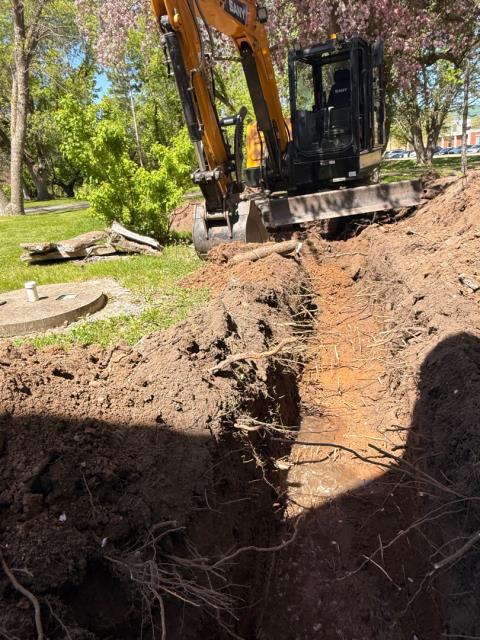
For example, above-ground storage tanks in Sauk Rapids often face issues with corrosion due to the local climate, making visual inspections for structural integrity particularly important. On the other hand, underground tanks may require more focused checks for leaks and soil contamination, especially given the area’s history of groundwater concerns.
Moreover, pressure vessels located in this part of Minnesota necessitate thorough examinations to ensure safety compliance. This could involve various non-destructive testing techniques to detect any potential issues before they become serious hazards.
Recommended Inspection Schedules for Different Tanks
Understanding the specific inspection needs of various tank types lays the groundwork for establishing effective inspection schedules tailored to local conditions.
For aboveground storage tanks, it’s advisable to conduct inspections at least once a year, especially considering the impact of harsh weather conditions prevalent in the area, such as heavy rains or extreme temperatures.
For underground tanks, a bi-annual inspection is critical to ensure safety and compliance with environmental regulations, particularly in regions with high groundwater levels that could pose additional risks.
If you handle hazardous materials, more frequent quarterly inspections may be warranted to proactively address any potential issues, especially in densely populated areas where the consequences of a leak could be significant.
Pressure vessels should undergo regular inspections every six months to ensure they can withstand local operational demands, while smaller tanks might only require annual check-ups depending on their usage and environmental factors.
Always pay attention to the manufacturer’s guidelines, as these often provide tailored schedules based on tank usage and local conditions.
Staying proactive with these inspections is essential to prevent costly failures and ensure your tanks remain in optimal condition, safeguarding both your operations and the surrounding community.
Factors Influencing Inspection Frequency
Several factors can significantly influence the frequency of tank inspections, making it essential to evaluate your specific context.
First, consider the tank’s purpose and contents; for instance, tanks storing hazardous materials may necessitate more frequent checks, especially in regions prone to industrial activity.
Environmental conditions, such as temperature variations and humidity levels, can also impact tank integrity, requiring more vigilant monitoring in areas with extreme weather patterns.
Local regulations often dictate inspection intervals, so it’s crucial to stay informed about any regulatory changes that may affect your operations.
In addition, the frequency of tank usage plays a vital role; tanks that are used more often may experience increased wear and tear, particularly in busy industrial zones or agricultural areas where tanks might be in constant use.
Previous inspection findings should also inform your future schedules; if past checks revealed issues, it would be prudent to increase the frequency of inspections.
The Importance of Regular Tank Maintenance
Regular tank maintenance is crucial for ensuring both safety and efficiency in operations, particularly in regions prone to specific environmental challenges. For instance, in areas where temperature fluctuations are common, tanks can be susceptible to expansion and contraction, leading to potential leaks or structural damage.
Routine inspections help identify these issues before they escalate into costly repairs. This proactive approach not only extends the lifespan of your equipment but also ensures compliance with local safety regulations that may be stringent due to regional concerns.
Maintaining your tanks in optimal condition significantly reduces downtime, allowing operations to proceed without interruption. Furthermore, well-maintained tanks operate more effectively, which can lead to enhanced performance and productivity.
Regular maintenance also encourages a culture of responsibility and safety awareness among your team, fostering an environment where everyone understands the critical nature of their roles in maintaining equipment.
Investing time and resources in tank maintenance is a wise decision that pays dividends in protecting your assets while enhancing overall productivity. In areas with unique geographical or climatic challenges, this investment becomes even more vital to ensure the longevity and reliability of your operations.
Consequences of Neglecting Tank Inspections
Neglecting tank inspections can lead to serious consequences that affect both safety and operational efficiency, particularly in regions where environmental regulations are stringent.
In areas prone to heavy rainfall or flooding, the risk of leaks or ruptures is heightened, resulting in costly environmental damage and potential fines from local authorities. Furthermore, in environments with high humidity or salt exposure, undetected corrosion or structural weaknesses may lead to catastrophic failures, putting employees at risk and damaging the reputation of your organization.
In locations where industries are heavily monitored, failing to conduct regular inspections can lead to unexpected downtime, disrupting operations and impacting productivity. Inadequate maintenance can escalate repair costs and necessitate emergency measures, which can be significantly more burdensome than routine inspections.
Ultimately, prioritizing tank inspections not only safeguards your assets but also ensures compliance with local regulations, protecting your organization from legal repercussions. Stay proactive and maintain your tanks to ensure a safer and more efficient operation.
Conclusion
In summary, staying on top of your tank inspections in Sauk Rapids is essential for safety and compliance. Given the unique environmental challenges in this region, such as fluctuating weather patterns and proximity to water bodies, adhering to the recommended inspection schedules for each tank type is crucial. Regular inspections can help prevent costly issues and ensure operational integrity. Neglecting these checks can lead to serious consequences, including potential environmental hazards and impacts on local businesses. It is vital to prioritize these guidelines to keep your tanks in optimal condition and safeguard both your operations and the community.