Affordable Septic Inspection Guide for Sauk Rapids
If you own a property in Sauk Rapids, understanding the nuances of septic inspections is crucial for maintaining the health of your system. Given the area’s unique soil composition and water table levels, neglecting these inspections can lead to significant issues, including costly repairs. It’s important to know when to schedule inspections and what to expect during the process. Additionally, finding services that fit within your budget can help you avoid sacrificing quality.
When searching for the right inspection service, consider the local regulations and the experience of the inspectors with the specific challenges faced in Sauk Rapids, such as the potential for heavy rain and its impact on septic systems. Look for professionals who are knowledgeable about the local environment and can provide tailored advice. By being informed and proactive, you can ensure your septic system remains in good working order while managing your expenses effectively.
Understanding the Importance of Septic Inspections
When you own a property with a septic system in this region, understanding the importance of regular inspections can save you from costly repairs and health hazards. Given the area’s clay soil and high water table, septic systems can be particularly susceptible to problems if not properly maintained.
If neglected, these systems can lead to serious issues such as backups or even contamination of local waterways. Regular inspections help identify potential issues before they escalate, ensuring your system operates effectively.
By catching problems early, you can avoid significant expenses associated with system failure or environmental damage. Furthermore, routine checks promote longevity, allowing your septic system to function efficiently for many years.
In this area, where groundwater is a vital resource, maintaining your septic system is crucial for protecting both your property’s value and the surrounding environment. Buyers often look for well-maintained systems, making routine inspections a smart investment.
Prioritizing septic inspections is essential for safeguarding your health and preserving the natural landscape. Don’t overlook this critical aspect of homeownership.
Signs Your Septic System Needs an Inspection
While you may not think about your septic system daily, certain signs can indicate it needs an inspection, especially considering the unique challenges posed by our local environment.
If you notice slow drains or backups in your sinks or toilets, it’s a clear red flag. Given our area’s clay soil, which can retain water, you might also experience issues more quickly than in other regions. Foul odors around your yard or near the septic tank are concerning signs that shouldn’t be ignored.
You might observe pooling water or unusually lush, green patches of grass above the drain field, indicating potential leaks or overflows exacerbated by our heavy rainfall.
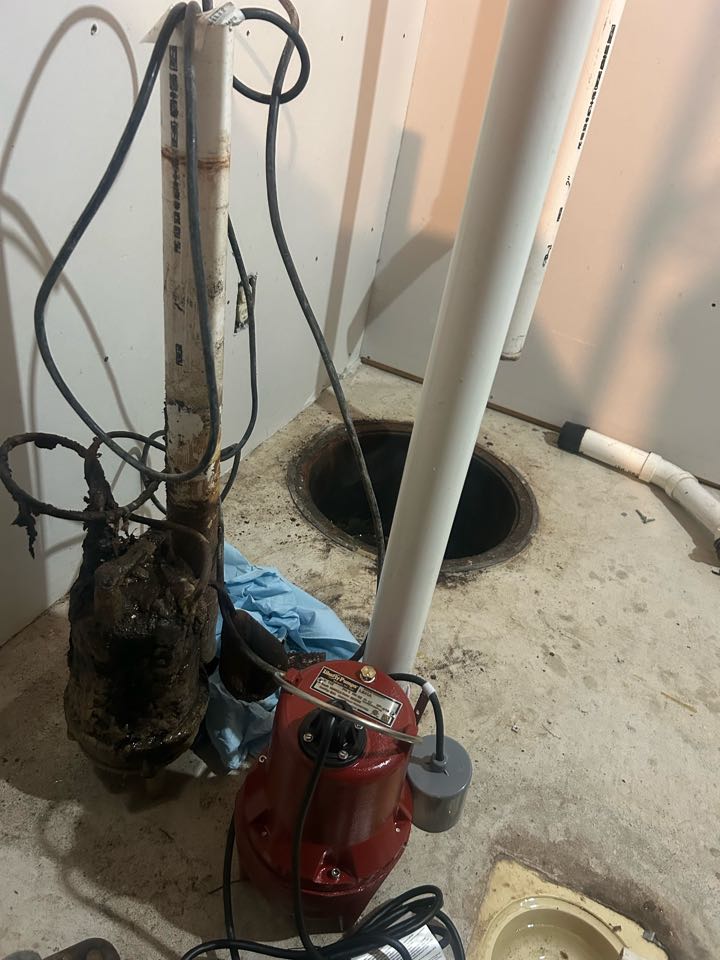
Additionally, if the system’s components, like the pump or alarm, seem to be malfunctioning, it’s time to take action.
Keep an eye out for these warning signs to avoid costly repairs in the future. Regular inspections can help you catch issues early and maintain the health of your septic system, ensuring it functions effectively in our specific climate and soil conditions.
How Often Should You Schedule an Inspection?
You should schedule septic inspections based on several factors, including the season and the age of your home.
For instance, in areas with heavy rainfall or snowmelt, the ground can become saturated, increasing the risk of system failure. Additionally, homes that are older may require more frequent inspections due to potential wear and tear on the system.
If your system type has specific maintenance needs, you’ll want to factor those in too. Regular inspections can help you catch issues early and keep your system running smoothly, especially in regions where soil types can affect drainage and system performance.
Seasonal Maintenance Recommendations
To maintain your septic system’s efficiency and prevent costly repairs, scheduling regular inspections is vital. Ideally, you should plan for inspections at least once every three years. However, if you have a larger household or rely heavily on your septic system, an annual check-up is a smart move.
In areas where heavy rainfall is common, seasonal maintenance becomes even more crucial. For instance, in the spring, it’s important to inspect for any signs of damage caused by winter freeze-thaw cycles, particularly in regions where the ground may shift.
Additionally, if your home is located in a space with clay soil, be vigilant about drainage issues, as this type of soil can retain water, leading to system overloads.
As fall approaches, ensure your system is ready for the colder months by checking for proper drainage and clearing any debris that may impede flow. This is particularly relevant in areas where leaves and other organic matter can accumulate and block access points.
Regular maintenance helps you catch issues early, saving you from unexpected breakdowns and expensive repairs.
Keeping a seasonal schedule guarantees your septic system remains in top shape year-round, allowing you to enjoy peace of mind regardless of local weather challenges.
Home Age Considerations
As your home ages, the frequency of septic inspections should adapt accordingly, especially in regions with unique environmental factors. For newer homes, scheduling an inspection every three to five years is often sufficient.
However, if your home is over 20 years old, you should consider having inspections every one to two years. Aging systems, particularly in areas with high water tables or clay-heavy soils, can develop issues that mightn’t be immediately apparent. Staying proactive helps prevent costly repairs that can arise from system failures.
Local weather conditions can also impact septic systems. For instance, heavy rainfall or prolonged droughts can affect how your system operates.
If you notice any signs of trouble—such as slow drains or foul odors—don’t wait for your next scheduled inspection. Address those concerns promptly to avoid more significant issues down the line.
Regular inspections are essential for ensuring your septic system operates efficiently and prolongs its lifespan, keeping your home safe and your environment clean.
Stay ahead of potential problems by adjusting your inspection schedule as needed, taking into account both the age of your home and the specific challenges presented by your local environment.
System Type Factors
The age of your home significantly impacts how often you should schedule a septic system inspection, but the type of septic system installed is also crucial in determining inspection frequency.
In many rural areas, conventional systems are common and generally require inspections every three to five years. These systems operate through basic filtration and absorption processes, making them relatively low-maintenance.
However, for those with alternative systems, such as mound or drip systems, the need for more frequent inspections becomes apparent. Due to their complexity and reliance on mechanical components, these systems often necessitate annual inspections.
In regions prone to heavy rainfall or flooding, homeowners should be especially vigilant. Excessive water can affect the performance of septic systems, making regular inspections even more critical.
If you have recently made any changes or repairs to your septic system, it’s advisable to schedule an inspection sooner to ensure everything is functioning properly.
Regular inspections not only help prevent potentially expensive repairs but also ensure compliance with local regulations, which can vary greatly depending on the area.
What to Expect During a Septic Inspection
When you schedule a septic inspection in your area, you can expect a thorough evaluation of your system’s components and overall functionality, tailored to the specific challenges posed by the local environment.
The inspector will start by checking the access points to ensure they’re clear for examination. They’ll evaluate the tank for proper size, condition, and any signs of leaks or damage, which can be especially important in areas with high water tables that may affect septic performance.
Expect the inspector to assess the drain field as well, looking for pooling water or foul odors that may indicate potential problems, particularly in regions prone to heavy rainfall or flooding.
They may also evaluate the pipes and filters to verify everything is functioning correctly, considering factors such as soil type and local regulations that can impact septic system performance.
After the inspection, you’ll receive a detailed report outlining any issues found, necessary repairs, and recommendations for maintaining your system.
This process is essential in ensuring that your septic system operates efficiently and effectively, helping to prevent costly repairs and environmental concerns in the future.
Cost-Effective Tips for Maintaining Your Septic System
Maintaining your septic system in this region doesn’t have to be financially overwhelming. By adhering to a consistent pumping schedule, utilizing local DIY maintenance strategies, and ensuring waste is disposed of correctly, you can effectively reduce long-term costs.
In areas where heavy rainfall is common, like during the spring months, the ground can become saturated, putting added pressure on your septic system. Regular inspections can help identify any issues before they escalate, especially after significant weather events.
Additionally, using natural enzymes or bacteria from local suppliers can enhance the breakdown of waste in your tank, reducing the frequency of pumping needed.
It’s also essential to be aware of local regulations regarding septic waste disposal to prevent costly fines or system failures.
Regular Pumping Schedule
A regular pumping schedule is essential for maintaining the efficiency and longevity of your septic system, especially in areas with high water tables or clay-heavy soils that can complicate drainage.
In regions where rainfall is abundant, such as during the spring months, it becomes even more critical to monitor your system closely. Scheduling pump-outs every three to five years can help prevent clogs and backups, which are particularly problematic in these conditions and can lead to significant repair costs.
When determining your pumping frequency, consider the size of your household and your water usage patterns. Larger families or homes that frequently accommodate guests may require more frequent service, especially in areas where septic systems are more prone to overflow due to local environmental factors.
It is also wise to maintain a record of your pump-out dates and service providers. This documentation not only helps you stay on track but also allows you to notice any changes in your system’s performance over time.
Regular pumping not only helps to avoid unexpected expenses but also contributes to the overall lifespan of your septic system, ensuring it operates effectively in the specific conditions of your area.
DIY Maintenance Tips
To keep your septic system running smoothly, especially in areas prone to heavy rainfall or clay soil, you can implement several DIY maintenance tips that won’t strain your budget.
First, regularly check for any signs of leaks or odors around your system, particularly after periods of rain. If you notice anything unusual, address it immediately to avoid more significant issues.
During the rainy season, it’s wise to limit water usage to prevent overwhelming your system, as excess water can lead to backups.
In regions where the soil retains moisture, inspect your drain field for any pooling water, which could indicate a problem.
Additionally, maintaining a healthy balance of bacteria in your tank is crucial; you can achieve this by using septic-safe products and steering clear of harsh chemicals that can disrupt the bacterial balance.
Lastly, keep the area around your septic system clear of debris and heavy objects, as these can cause damage or impede proper drainage.
Proper Waste Disposal
Proper waste disposal is crucial for maintaining the health of your septic system, especially in areas where soil composition and rainfall can affect its performance. In regions with heavy clay soil, for example, water drainage can be slower, increasing the risk of system backups if not managed properly.
Start by flushing only human waste and toilet paper; avoid flushing items such as wipes, feminine products, or medications, as these can easily clog your system and lead to significant repair needs.
When it comes to what you pour down the sink, it’s important to be cautious. In areas prone to flooding or with high groundwater levels, pouring grease, oils, and harsh chemicals can disrupt the delicate balance of bacteria in your tank, exacerbating issues.
Instead, consider composting food scraps, which can reduce the volume of waste entering your system, and opt for biodegradable cleaners that are less harmful to your septic setup.
Regular inspections for leaks can prevent small problems from becoming major headaches, especially in locations where the water table is high.
Additionally, maintaining your drain field by keeping it clear of trees and heavy equipment is vital, as roots and weight can damage the system.
Finding Affordable Septic Inspection Services in Sauk Rapids
How can you find affordable septic inspection services in Sauk Rapids without compromising on quality? Begin by exploring local companies online and paying attention to reviews specific to the area.
Websites like Yelp and Google Reviews can give you insight into customer experiences in Sauk Rapids. Additionally, don’t hesitate to reach out to friends or neighbors for their recommendations, as personal experiences can lead you to trustworthy services that understand the unique challenges of the region.
Once you have compiled a list of potential companies, reach out to several for quotes. It’s essential to inquire about any additional fees and the specifics of what the inspection entails.
Take the time to compare their offerings closely. You may discover that a slightly higher quote could ultimately provide greater value through comprehensive services or expertise.
Lastly, ensure that the companies you consider are licensed and insured, as this will help protect your investment. By following these steps, you’ll be well on your way to finding a reliable and affordable septic inspection service in Sauk Rapids.
Conclusion
Staying proactive with septic inspections in Sauk Rapids can help you avoid expensive repairs and keep your system functioning optimally. Local factors such as soil type and seasonal weather patterns can impact your septic system, making regular inspections even more crucial. Be sure to search for local services, read customer reviews, and compare estimates to secure the best options available in the Sauk Rapids area. Regular maintenance is essential, so stay alert for signs that your system may require attention, especially after heavy rains or during the spring thaw. With a bit of diligence, you can ensure your septic system remains efficient and manageable for years to come.