Annual Maintenance Tips for Sauk Rapids Residents
As a resident of Sauk Rapids, maintaining your home requires regular attention to ensure it remains comfortable and efficient throughout the various seasons. Given the unique climate challenges we face, particularly harsh winters and humid summers, it’s essential to focus on key areas such as your HVAC system, roof, and plumbing. Additionally, your lawn and garden play a crucial role in enhancing your home’s curb appeal and overall comfort.
Start with your HVAC system. Regularly changing filters and scheduling seasonal maintenance can help it run efficiently, especially as temperatures fluctuate. This is particularly important in winter when heating needs are at their peak.
Next, inspect your roof for any signs of wear and tear. Heavy snowfall can lead to ice dams, which can cause leaks and damage if not addressed. Ensuring your gutters are clean and functioning properly will help divert water away from your home during spring thaws.
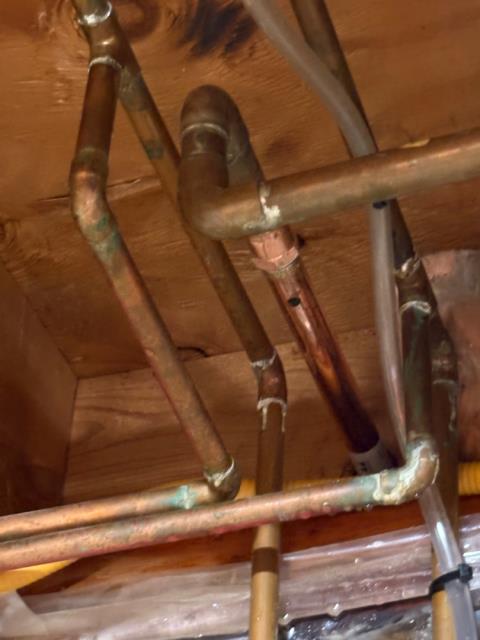
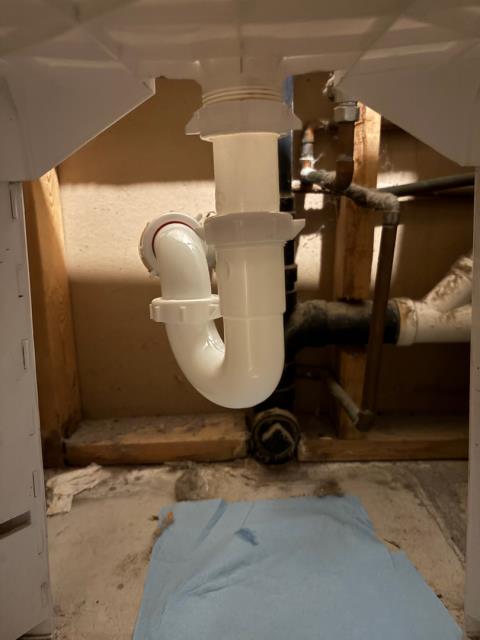
Don’t overlook your plumbing. In Sauk Rapids, freezing temperatures can put your pipes at risk. Insulating exposed pipes and checking for leaks can prevent costly repairs down the line.
Finally, take some time to care for your lawn and garden. The rich soil in this area can be a boon for your plants, but regular maintenance is key. Consider a seasonal plan for landscaping that accounts for local flora and fauna, ensuring your outdoor space thrives year-round.
By prioritizing these essential tasks, you can keep your home running smoothly and enhance its longevity amidst the challenges unique to our area.
Inspect and Service Your HVAC System
As the seasons change in our area, it’s crucial to ensure your HVAC system is prepared to maintain a comfortable home environment.
Begin by scheduling a professional inspection to identify any potential issues that may arise, especially considering our local climate variations. Technicians will ensure that everything is operating efficiently, helping to avoid unexpected breakdowns during peak usage times.
Regularly replacing filters is essential, as clogged filters can’t only reduce indoor air quality but also put additional strain on the system, leading to increased wear and tear.
Additionally, check the thermostat settings to make sure they’re accurate and responsive, particularly during our hot summers and chilly winters.
Be attentive to any unusual noises or vibrations coming from your HVAC unit, as these could signal underlying problems that require prompt attention.
Inspect visible ductwork for any signs of wear or leaks, which can significantly impact energy efficiency and increase utility bills.
In our region, investing in a smart thermostat can provide better control over your heating and cooling, leading to enhanced energy savings.
Clean and Repair Gutters and Downspouts
When autumn leaves begin to fall in our region, it’s crucial to focus on cleaning and repairing your gutters and downspouts. With the heavy rainfall we often experience during this season, clogged gutters can lead to significant water damage and foundation issues, so it’s wise to take action before winter sets in.
Start by removing leaves, twigs, and debris using a sturdy ladder, gloves, and a small scoop. Rinse the gutters with a hose to ensure that water flows freely. While you’re at it, keep an eye out for any leaks or rust spots, and address them with gutter sealant to prevent further deterioration.
Additionally, check the downspouts for any blockages. Given the unique foliage in our area, you may find that certain leaves can create stubborn clogs. Use a plumber’s snake to clear any stubborn blockages if needed.
Ensure that the downspouts are securely attached and directing water away from your home’s foundation, as improper drainage can lead to costly repairs. Regular maintenance is essential to safeguard your home against unnecessary damage, particularly with the winter storms that can hit our region.
Check Roof for Damage or Wear
Inspecting your roof for damage or wear should be a priority as the seasons change, especially considering the unique weather patterns in this region.
Start by checking for missing or damaged shingles, as they can lead to leaks, particularly during heavy rainstorms that are common here. Look for signs of sagging, which might indicate structural issues exacerbated by the weight of accumulated snow in winter.
Pay attention to the flashing around chimneys and vents; it should be intact and secure, as strong winds can displace or damage it.
Examine gutters for shingle granules, as their presence could mean your shingles are deteriorating, which is especially vital given the intense sun exposure in the summer months.
Don’t forget to inspect the attic. Look for any signs of water stains or daylight seeping through, as these can point to leaks that might require urgent attention.
A detailed inspection now can save you from costly repairs later, particularly before the onset of the rainy season.
If you’re unsure or uneasy about climbing onto your roof, consider hiring a local professional who understands the specific challenges of roofing in this area for a thorough check-up.
Seal Windows and Doors
Ensuring your windows and doors are adequately sealed is crucial for maintaining energy efficiency and comfort in homes, especially in areas that experience extreme weather conditions.
Begin by inspecting your windows and doors for any visible gaps or cracks that may allow the harsh winds or chilly air to seep in during winter months or let the heat escape in the summer. Feel for drafts by running your hand along the edges, particularly during the colder months when drafts are most noticeable. If you detect any, it’s time to take action.
Utilize weatherstripping for doors and caulk for windows to create a tight seal. In regions where humidity is prevalent, moisture can exacerbate sealing issues, so pay close attention to the frames as they can be a common source of leaks.
When applying caulk, ensure the surface is clean and dry to promote better adhesion. Replace any worn-out weatherstripping around doors to enhance the overall seal.
By taking these simple, yet effective steps, you can significantly reduce the infiltration of cold air in winter and keep warm air contained during summer.
This not only helps to maintain a comfortable environment in your home throughout the year but also aids in lowering energy costs and improving overall efficiency.
Prepare Your Lawn and Garden
As the seasons change, it’s important to get your lawn and garden ready for the months ahead, especially in our region where the climate can vary significantly.
Start by clearing away dead leaves and debris, as they can suffocate your grass and plants, leading to issues with mold and pests that are common in our area.
Aerating your lawn will improve soil health and allow nutrients to reach the roots more effectively, which is crucial given our heavy clay soil that can become compacted.
Consider adding a layer of mulch around trees and shrubs. This practice is particularly beneficial here, as it helps conserve moisture during the hot summer months and regulates soil temperature during the cooler periods.
Fertilizing your lawn and garden will provide the necessary nutrients for strong growth, especially considering the specific nutrient deficiencies that may be prevalent in our local soil.
Here are a few steps to guide you:
- Rake Leaves: Prevent mold and fungus by removing fallen leaves, which can be a significant issue in the damp fall months.
- Aerate Soil: Promote healthy growth by improving air circulation in our often compacted soil.
- Apply Mulch: Protect plants from the extreme weather changes that can occur in our region.
- Fertilize: Boost growth with the right nutrients tailored to our local soil type, ensuring your garden thrives throughout the season.
Test Smoke and Carbon Monoxide Detectors
While it might be easy to overlook, testing your smoke and carbon monoxide detectors is essential for keeping your home safe, especially in areas prone to wildfires or heavy winter storms. These devices are your first line of defense against potential hazards.
Start by locating each detector in your home, paying special attention to areas near sleeping quarters and common living spaces. Press the test button on each device to verify it produces a loud alarm. If any detectors are silent or weak, be sure to replace the batteries immediately.
Remember, detectors generally need replacement every ten years, so check the manufacture date, especially if your home is in an older neighborhood where devices may not have been updated recently. It’s a good idea to test them monthly and replace batteries annually to ensure your family’s safety.
Don’t forget to educate everyone in your home about the sound of the alarms and what to do if they go off, as local emergency response may vary based on the community’s resources.
Drain and Protect Outdoor Faucets
Once you have confirmed that your home’s interior safety devices are functioning properly, it’s time to shift your attention outdoors to protect against the harsh winter conditions prevalent in this region.
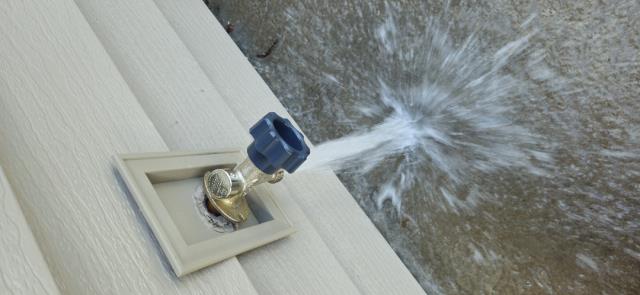
Properly draining and safeguarding your outdoor faucets is crucial to avoid the risk of frozen pipes and the expensive repairs that can follow.
Begin by locating the water supply shut-off valves for your exterior faucets and turning them off. After that, open each faucet to allow any remaining water to drain out.
Given the local climate, where temperatures can plummet and lead to freezing conditions, it may be wise to invest in insulated faucet covers for added protection.
Here’s a quick checklist to ensure you’re fully prepared for the winter months:
- Shut off valves: Find and close the indoor shut-off valves for your outdoor faucets.
- Drain pipes: Open outdoor faucets to release any excess water.
- Check for leaks: Inspect all faucets and pipes for leaks or signs of damage.
- Insulate: Use faucet covers or foam pipe insulation to further shield against freezing temperatures.
Taking these steps will help shield your plumbing from the impacts of the winter chill, ensuring your home remains safe and functional during the colder months.
Inspect and Maintain Your Sump Pump
Your sump pump plays an important role in keeping your basement dry, especially during the wetter months common in this area. With heavy seasonal rainfall and occasional flooding, it’s vital to inspect and maintain your sump pump regularly to ensure it’s working efficiently.
Start by testing the pump. Pour a bucket of water into the pit to trigger the float switch. If it activates and pumps water out, it’s in good shape.
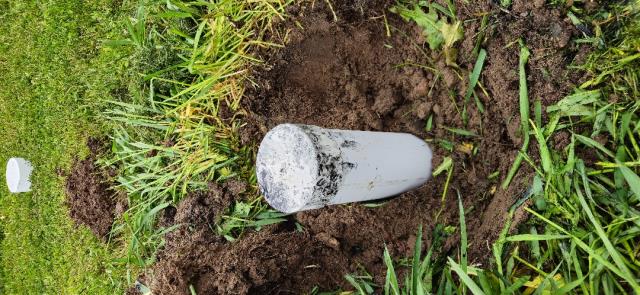
Next, unplug the pump and check for debris or obstructions in the pit and discharge pipe. Cleaning these out can prevent clogs, especially in regions where leaves and sediment can accumulate quickly.
Examine the power cord for any wear and make sure it’s plugged into a GFCI outlet, which is essential for safety in damp environments.
If your pump has a backup battery, test it to ensure it’s charged, as power outages can occur during storms.
Regular maintenance is key to preventing costly flooding and water damage, particularly in areas prone to heavy rains.
Clean and Organize Your Garage or Shed
Tackling the clutter in your garage or shed can transform these spaces from chaotic storage areas into organized and functional parts of your home. In many areas, local weather conditions can lead to unique challenges, such as dampness that promotes rust on tools or pests that can invade stored items.
Start by sorting items into keep, donate, and discard piles. You may be surprised at how much space opens up once unnecessary items are gone. Next, consider investing in storage solutions like shelves or pegboards to keep everything in its place. Label containers, so you’ll always know where things are.
Here are some tips to guide you:
- Sort and Purge: Decide what to keep, donate, or toss. In some regions, it might be beneficial to check for local charities that accept specific items.
- Maximize Vertical Space: Install shelves or hooks, especially if you have limited floor space due to tools or sports equipment.
- Use Clear Containers: This allows you to easily see what’s inside, which can be especially helpful if you have seasonal items that you only use at certain times of the year.
- Label Everything: This simplifies finding items later, particularly in areas where you might store multiple seasonal decorations or gardening supplies.
Conclusion
By keeping up with these annual maintenance tasks, you’ll ensure your Sauk Rapids home remains in excellent condition throughout the year. Given the local climate, it’s particularly important to schedule HVAC inspections before the heating season kicks in to ensure your system is prepared for the cold winters. Cleaning gutters is essential as well, especially after the fall leaves have fallen, to prevent ice dams that can lead to costly repairs.
With the heavy snowfall that Sauk Rapids can experience, checking your roof for any damage is crucial to avoid leaks and structural issues. Sealing windows and doors is another step to enhance energy efficiency, helping your home remain warm during frigid months.
As spring approaches, preparing your lawn for healthy growth is necessary. This might involve aerating the soil and applying appropriate fertilizers. Don’t forget to test smoke detectors to ensure they are functioning correctly, drain outdoor faucets to prevent freezing, and maintain your sump pump to handle potential spring rains effectively.
Finally, taking the time to organize your garage or shed can help you make the most out of your space and keep your tools and equipment in good order. Your efforts in these maintenance tasks will reward you with comfort and savings throughout the year.