3 Best Advanced Sewer Inspection Techniques in Sauk Rapids
In Sauk Rapids, residents often face challenges such as aging sewer infrastructure and heavy rainfall that can lead to blockages and backups. Advanced sewer inspection techniques can significantly benefit the community by addressing these issues effectively. Methods like high-definition video inspections allow for a detailed view of the inside of the pipes, helping to identify cracks, leaks, or root intrusions that may be affecting the system.
Additionally, sonar technology provides an accurate assessment of the sewer lines, even in areas that are difficult to access. This method can detect changes in pipe depth and detect any potential collapses, which is especially important in areas prone to flooding.
Thermal imaging is another innovative technique that can reveal temperature variations in the sewer system, indicating potential blockages or leaks. This technology is particularly useful during the cold months when freezing temperatures can cause significant problems.
These advanced techniques not only offer a comprehensive evaluation but also minimize disruption to the community during inspections. Understanding how these methods can improve local sewer maintenance is crucial for residents looking to ensure a reliable and efficient sewage system for Sauk Rapids.
High-Definition Video Inspections
In recent years, high-definition video inspections have transformed how sewer systems are assessed in our area. With the unique challenges posed by our local geography, including varied soil types and aging infrastructure, high-resolution cameras allow for a thorough exploration of the intricate network of pipes without the need for invasive digging.
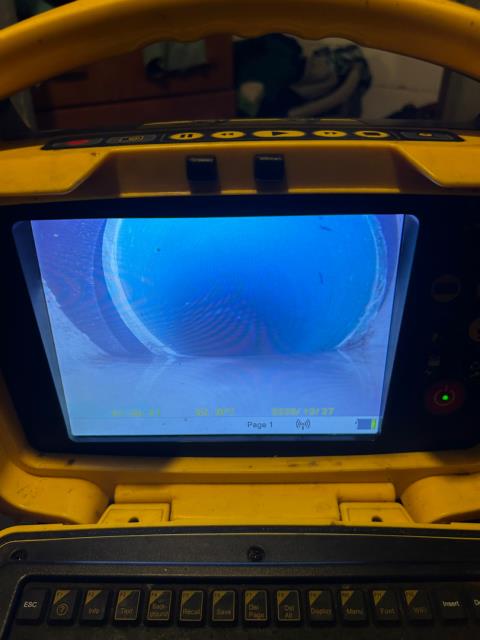
These inspections provide clear, detailed images of the sewer’s interior, enabling the identification of blockages, cracks, and other issues with remarkable precision. As the camera navigates through the sewer lines, operators can view the footage in real-time, facilitating informed decision-making on-site.
This advanced technology is particularly beneficial in our region, where traditional inspection methods may fall short due to the complex terrain and environmental factors. By leveraging high-definition video inspections, you can obtain accurate insights instantly, circumventing the guesswork often associated with older techniques.
Understanding the condition of your sewer system becomes a more straightforward task, allowing for better planning of necessary repairs or maintenance. This innovation is a pivotal step in ensuring that our local sewer infrastructure operates smoothly and efficiently, ultimately safeguarding the community from potential disruptions.
Sonar Sewer Inspection Technology
While high-definition video inspections have revolutionized visual assessments of sewer systems, sonar sewer inspection technology offers an equally groundbreaking approach for detecting issues hidden beyond the camera’s reach.
In areas like Sauk Rapids, where heavy rains can lead to sediment build-up and flooding, sonar technology becomes particularly valuable. By emitting sound waves that bounce off surfaces, sonar can map the interior of pipes, creating a detailed profile of the pipe’s condition even in murky or submerged environments where visibility is limited.
This method is especially effective for identifying deformations, blockages, and sediment accumulation that video inspections may overlook, particularly in large-diameter pipes or areas with significant debris.
Given the unique challenges posed by the local climate and the potential for heavy debris flow during storms, incorporating sonar inspections into your assessment toolkit ensures a more comprehensive evaluation of sewer systems.
This proactive approach helps maintain the integrity of sewer infrastructure in Sauk Rapids and can lead to avoiding costly repairs down the line.
Thermal Imaging for Sewer Line Analysis
While often overlooked in sewer line assessments, thermal imaging serves as a vital tool for identifying temperature anomalies prevalent in local infrastructure.
In regions where heavy rainfall is common, for instance, thermal imaging can reveal hidden issues such as leaks or blockages exacerbated by stormwater infiltration. This technology is particularly beneficial in areas with older sewer systems, where structural failures may not be readily apparent through traditional inspection methods.
Thermal cameras capture infrared radiation, enabling the detection of temperature variations within sewer lines that signify potential problems. For example, a sudden drop in temperature could indicate a blockage, while an unexpected increase might suggest a leak.
This non-invasive approach not only enhances efficiency but also conserves resources, allowing for quicker decision-making regarding necessary repairs.
In urban settings, where sewer lines are often congested, utilizing thermal imaging can streamline the inspection process, ultimately leading to smoother operations.
Conclusion
By utilizing high-definition video inspections, sonar technology, and thermal imaging, residents in Sauk Rapids can effectively stay ahead of potential sewer issues that may arise due to the region’s unique environmental challenges. For instance, the presence of older infrastructure and the seasonal fluctuations can lead to blockages or leaks that are not easily detectable. These advanced techniques allow for a thorough assessment of your pipes without the need for invasive digging. They enable the mapping of interiors, even in murky conditions typical of certain areas, and help identify leaks or blockages by detecting temperature changes. Adopting this proactive approach ensures the sewer system operates efficiently, ultimately benefiting the community by providing smoother, uninterrupted service and reducing the likelihood of costly repairs in the future.