10 Best Septic System Maintenance Tips in Rapids
Maintaining your septic system is crucial for ensuring its longevity and effectiveness, especially in Rapids where unique environmental factors can impact system performance. Many homeowners may not realize how easy it is to overlook essential care practices. Due to the region’s varying soil types and seasonal weather changes, regular inspections and proactive monitoring of water usage become even more important.
In Rapids, heavy rainfall can lead to saturated ground conditions that may affect the drainage field, while cold winters can cause potential freezing issues. By implementing specific strategies tailored to these local challenges, you can avoid costly repairs and protect the surrounding environment. Let’s explore the best practices for effective septic system maintenance that are particularly relevant to homeowners in this area.
Understand How Your Septic System Works
To keep your septic system running smoothly, it’s vital to understand how it works. In this region, your septic system typically consists of a tank and a drain field. Wastewater from your home flows into the tank, where solids settle at the bottom while lighter materials float to the top. Bacteria break down the solids, turning them into sludge. The liquid then flows out to the drain field, where it’s naturally filtered through the soil.
In areas with heavy clay soils, for instance, drainage can be a significant challenge, as these types of soils can impede the flow of water. Additionally, in regions prone to heavy rainfall, the drain field can become saturated, leading to potential backups.
It’s essential to remember that your septic system relies on proper flow and balance. Overloading it with excessive water or harsh chemicals can disrupt this process.
By knowing this basic operation, you can make informed decisions to maintain your system and avoid costly repairs. Understanding the mechanics is your first step to effective maintenance.
Be aware of local environmental factors that may affect your system’s performance, such as seasonal changes in groundwater levels or soil composition.
Schedule Regular Inspections
Scheduling regular inspections for your septic system is crucial to ensure it operates efficiently, especially in areas prone to heavy rainfall or flooding.
In regions with clay soil, for example, drainage issues can arise, making inspections even more important. Experts suggest checking your system at least once every three years, though specific needs may vary based on local environmental conditions.
During these inspections, focus on key elements such as tank levels, the condition of the drain field, and any signs of leaks.
In areas where water tables are high or where seasonal variations are significant, these inspections can help prevent costly repairs and maintain the health of your system.
Regular assessments tailored to local challenges will keep your septic system in optimal shape.
Importance of Inspections
Regular inspections are crucial for the health of your septic system, especially in areas with heavy rainfall or high water tables. These conditions can lead to unique challenges, such as soil saturation that can impact the performance of your system.
By scheduling regular check-ups, you can catch potential issues like clogs or leaks early on, which can save you both time and unexpected expenses. Inspections also ensure that your system is operating efficiently, protecting not only your home but also the local environment.
In regions prone to flooding, for instance, it’s vital to have a professional assess the condition of your tank, distribution box, and drain field to prevent overflow or backflow issues.
Understanding the state of your septic system allows you to make informed decisions about necessary maintenance and potential upgrades, ensuring you’re prepared for any seasonal challenges.
Ultimately, prioritizing inspections is a proactive approach to maintaining a reliable and efficient septic system for years to come, particularly in areas where environmental factors can significantly affect performance.
Recommended Inspection Frequency
While many homeowners in our area may overlook the need for frequent septic system inspections, doing so can lead to expensive repairs later on. Given the unique soil and weather conditions we experience, it’s crucial to schedule regular inspections to keep your system running smoothly.
Typically, you should have your septic system inspected at least once every three years. However, if you have a mechanical system or rely on a garbage disposal, aiming for annual inspections is a prudent choice.
In our region, heavy rains can saturate the ground, potentially affecting system performance, while dry spells can lead to soil compaction. Staying proactive helps identify potential issues early, extending the life of your system and ensuring it functions efficiently.
Don’t wait for signs of trouble; set a reminder for these inspections. Establishing a routine will save you time and money in the long run, allowing you to enjoy peace of mind knowing your septic system is in good shape.
Inspection Checklist Essentials
To keep your septic system in top shape, having a thorough inspection checklist is essential. Start by checking the tank’s sludge and scum levels to determine if pumping is necessary.
In regions with heavy rainfall, such as during the monsoon season, inspect the drain field for any signs of pooling water or foul odors, as excess moisture can lead to system overload.
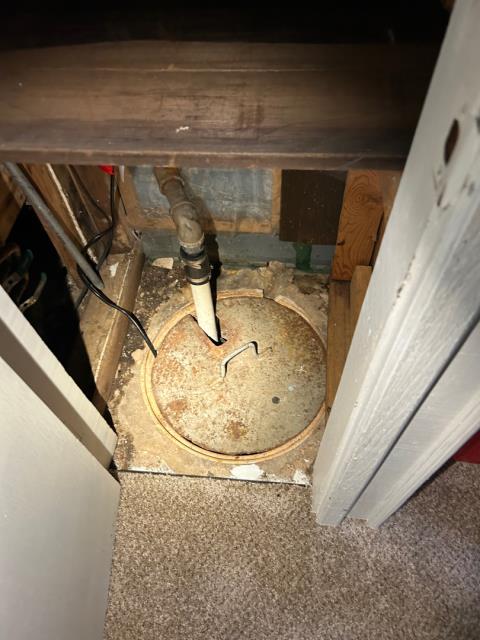
Confirm that all access points are sealed tightly and examine the lids for cracks, especially in areas prone to freezing temperatures that could cause damage.
Look for any vegetation overgrowth, as it could indicate potential issues, particularly in warmer climates where rapid plant growth is common.
Don’t forget to verify that the system’s components, like filters and pumps, are functioning properly.
Make certain to document your findings and schedule repairs immediately if any problems arise.
Regular inspections not only prolong your system’s life but also protect your property and the environment, especially in areas where septic systems are common and local regulations may require adherence to specific maintenance protocols.
Pump Your Septic Tank as Needed
One of the most essential tasks in maintaining your septic system is pumping your septic tank as needed. In areas where the soil is less permeable, regular pumping is even more critical as it prevents sludge buildup, which can lead to costly repairs and system failures.
Generally, you should pump your tank every three to five years, but this can vary based on your household size and usage. In regions that experience heavy rainfall or have high groundwater levels, you might find that your septic system requires more frequent attention.
If you notice slow drains or unpleasant odors, it might be time to schedule a pump-out. Keeping records of your pumping dates will help you stay on track and monitor your system’s health.
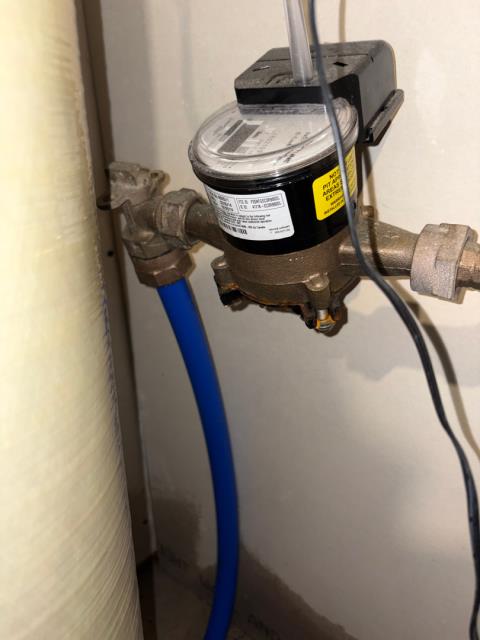
Monitor Water Usage
How can you ensure your septic system operates smoothly? One crucial factor is monitoring your water usage. In regions where heavy rainfall is less frequent, like areas with dry summers, being mindful of your water consumption becomes even more important to prevent overloading your system.
Aim to spread out laundry loads throughout the week and limit long showers, especially when water levels are lower.
In addition, fix any leaks in faucets or toilets as soon as possible, since even small drips can lead to significant water waste over time.
Consider installing water-saving fixtures that help minimize consumption without sacrificing comfort. It’s also important to be aware of outdoor water use during dry spells, as irrigation can quickly add to your overall water usage.
By managing your water consumption effectively, you not only support the health of your septic system but also contribute to resource conservation and potentially lower utility bills.
Remember that a little diligence can make a big difference in maintaining your system’s longevity.
Use Biodegradable Products
Using biodegradable products is a straightforward way to protect your septic system and the environment, especially in areas where soil quality and waste management can present unique challenges.
Products that break down naturally help minimize harmful waste and promote healthier soil, which is particularly important in regions prone to flooding or those with heavy clay soils that can hinder proper drainage.
In many local communities, improper disposal of conventional products can lead to clogged systems and environmental contamination.
By opting for biodegradable alternatives, residents can contribute to a healthier ecosystem while ensuring their septic systems function effectively.
It is essential to explore effective biodegradable options available in your region, as well as safe disposal practices.
Many local retailers offer eco-friendly cleaning supplies, personal care items, and compostable materials that align with sustainable living.
Environmental Benefits Explained
To protect the environment while ensuring your septic system functions efficiently, choosing biodegradable products is a wise decision.
In regions where soil and water quality can be compromised by industrial runoff and agricultural practices, using biodegradable soaps, detergents, and cleaning agents can significantly help. These products break down naturally, preventing harmful chemicals from seeping into the local soil and waterways.
By making this switch, you can ease the burden on your septic system and support healthier ecosystems in your area.
Additionally, utilizing biodegradable options aids in maintaining the vital balance of bacteria in your septic tank, which is crucial for effective waste breakdown. This can lead to less frequent pumping and reduced need for repairs, ultimately saving you time and effort.
Moreover, your choice contributes to cleaner groundwater and a more sustainable environment. By opting for biodegradable products, you’re making a meaningful impact on both the health of your septic system and the surrounding ecosystem.
Product Recommendations Available
When it comes to maintaining your septic system, selecting the right products can make a significant difference, especially in areas with unique environmental challenges.
For instance, in regions prone to heavy rainfall or varying soil types, opting for biodegradable products is essential. These eco-friendly options break down naturally, minimizing harm to your system and the surrounding environment.
Look for biodegradable soaps, detergents, and cleaning supplies that are specifically labeled as safe for septic use. In some localities, harsh chemicals can exacerbate issues caused by saturated soil, disrupting the delicate balance of bacteria essential for breaking down waste.
Additionally, consider using enzyme-based cleaners that promote the natural breakdown process, particularly in areas where septic systems are more susceptible to failure.
By choosing biodegradable products, you not only protect your septic system but also contribute to a healthier ecosystem in your community.
Making the switch today can lead to long-term benefits for both your home and the environment, ensuring that your septic system operates efficiently while supporting local ecological health.
Safe Disposal Practices
One key to maintaining your septic system in this region is adopting safe disposal practices that prioritize biodegradable products.
Due to the local soil composition and groundwater levels, using products that break down naturally is especially important to reduce the risk of clogs and backups. Look for items like biodegradable soaps, detergents, and toilet paper, as these are designed to decompose in your system effectively.
Avoid flushing anything that isn’t biodegradable, such as wipes, feminine hygiene products, and certain chemicals. These items can disrupt the delicate balance of your septic tank, which is particularly vulnerable given the area’s environmental conditions, leading to potential costly repairs.
Additionally, be mindful of what you pour down your drains. Stick to eco-friendly cleaners and avoid harsh chemicals that can harm beneficial bacteria.
In this region, preserving the health of your septic system is crucial to maintaining the local water quality and ecosystem. By making these simple changes, you’ll help ensure your septic system runs smoothly for years to come.
Avoid Flushing Non-Biodegradable Items
Flushing non-biodegradable items down the toilet can lead to significant problems for your septic system, especially in areas where the infrastructure is older or less maintained.
Items like wipes, sanitary products, and plastic materials don’t break down like toilet paper does. In regions with heavy rainfall or high groundwater levels, these items can accumulate more quickly, clogging pipes and disrupting the natural processes in your septic tank. This may lead to backups and the need for extensive repairs.
To keep your system running smoothly, it’s crucial to dispose of these items in the trash rather than the toilet.
Educate your family members about the importance of proper disposal to prevent mishaps. In communities where septic systems are common, a small change in disposal habits can save you from major headaches down the line.
Protect the Drain Field
To ensure that your septic system functions effectively, it’s crucial to protect the drain field, especially given the unique challenges posed by our local environment.
In regions where heavy rains are common, avoid parking vehicles or placing heavy structures over the drain field. Such activities can compact the soil and impede drainage, leading to potential issues.
Additionally, be mindful of local vegetation. Keep trees and shrubs at a distance from the drain field, as their roots can infiltrate the system and cause serious blockages.
Regular monitoring for signs of water pooling or unpleasant odors is important, as these may indicate underlying problems with the system.
During periods of heavy rainfall, limit water usage to prevent saturation of the drain field.
Proper landscaping is also essential; ensure that the area is graded appropriately to facilitate drainage and opt for grass instead of deep-rooted plants.
Keep Records of Maintenance
Maintaining your drain field is just one aspect of keeping your septic system running smoothly. One vital task you shouldn’t overlook is keeping detailed records of all maintenance activities. Whenever you pump your tank, inspect components, or perform repairs, jot down the date, service performed, and any observations. This record helps you track the system’s performance and schedule future maintenance.
In areas prone to heavy rainfall or flooding, keeping accurate records becomes even more critical. Excess moisture can affect the performance of your septic system, making it essential to document any issues or unusual odors that arise after such weather events.
If you live in a region with sandy soil, you might encounter different challenges, such as rapid drainage, which can impact how often your system needs attention.
Additionally, if you ever decide to sell your home, prospective buyers will appreciate knowing the system’s history. Regularly reviewing these records can also help you spot patterns or issues that need attention, especially if you notice recurring problems that could indicate an underlying issue.
Be Aware of Warning Signs
Recognizing warning signs early can save you from costly repairs and health hazards associated with a failing septic system, especially in areas where heavy rainfall can exacerbate these issues.
Keep an eye out for unpleasant odors, particularly around your drain field or inside your home, as they can indicate a problem that needs immediate attention.
In regions with clay soil, you may notice slow drains or gurgling sounds, which can be a red flag for septic system issues. Additionally, if you see puddles or unusually lush patches of grass above your septic tank, this might suggest potential leaks that could lead to significant problems, particularly in areas prone to flooding.
If your toilet or sinks back up, it’s crucial to take action promptly, as these signs can escalate quickly in local climates known for high moisture levels.
Don’t ignore these indicators; they could lead to more serious complications down the line. Regularly checking for these symptoms can help you maintain the health of your system and avoid unpleasant surprises.
Stay vigilant, and you’ll keep your septic system running smoothly for years to come.
Educate Your Family on Septic Care
Educating your family about septic care is essential for keeping your system healthy and functioning properly. Start by explaining how your septic system works, emphasizing the importance of bacteria in breaking down waste.
In areas with clay soils or high water tables, septic systems may face additional challenges, so it’s crucial to understand what can and can’t be flushed or poured down the drain. Teach your kids to avoid putting items like wipes, grease, and chemicals into the system, as these can lead to blockages and costly repairs.
Discuss the importance of regular maintenance, such as pumping and inspections, especially if your home is in a region prone to heavy rainfall or flooding, which can affect system performance.
Encourage your family to notice any changes, like odors or slow drains, which may indicate a problem. This knowledge not only prevents expensive repairs but also fosters a culture of responsibility.
When your family understands septic care, they’ll help protect your investment and ensure a clean environment for everyone.
Conclusion
By following these ten essential septic system maintenance tips, you can ensure your system operates efficiently and has a longer lifespan. In Rapids, regular inspections and pumping are particularly important due to the area’s unique soil composition and seasonal weather patterns. Mindful water usage and the use of biodegradable products can make a significant difference, especially given the local water table conditions.
Be vigilant for warning signs such as slow drains or unpleasant odors, which can indicate underlying issues that need attention. Educating your family on proper septic care is crucial in a community where many homes rely on these systems. By implementing these straightforward steps, you not only protect your investment but also contribute to the environmental health of Rapids. Stay proactive, and you can enjoy a hassle-free septic experience while navigating the challenges specific to our region.