Budget-Friendly Drain Cleaning in Sauk Rapids
When your drains in Sauk Rapids start to slow down, it can be both frustrating and inconvenient. Many homeowners might assume that calling a local plumber is the only solution, but that’s not necessarily true. There are several budget-friendly techniques you can try before reaching for the phone. From simple DIY methods to routine maintenance, you can effectively address minor clogs and keep your plumbing system in good shape.
In Sauk Rapids, the unique combination of older homes and seasonal weather can present specific challenges, such as tree roots invading pipes or grease buildup from summer barbecues. It’s essential to know how to tackle these issues head-on. Interested in learning the best ways to maintain clear drains? Let’s explore some practical solutions that can help keep your plumbing flowing smoothly.
Common Causes of Clogged Drains
When you neglect regular maintenance, you might find yourself facing clogged drains more often than you’d like, especially here where the local climate can exacerbate the issue.
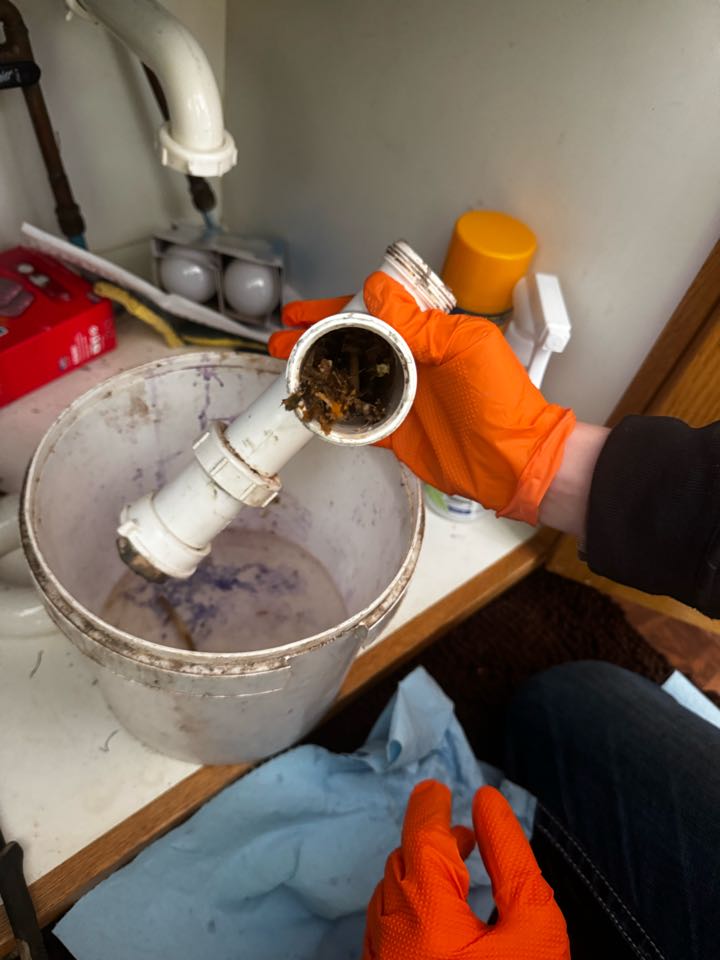
Hair, soap scum, and food particles often build up over time, forming stubborn blockages that can be particularly problematic during rainy seasons. If you’re not careful, grease from cooking can also solidify in pipes, creating major issues, especially in areas where older plumbing is common.
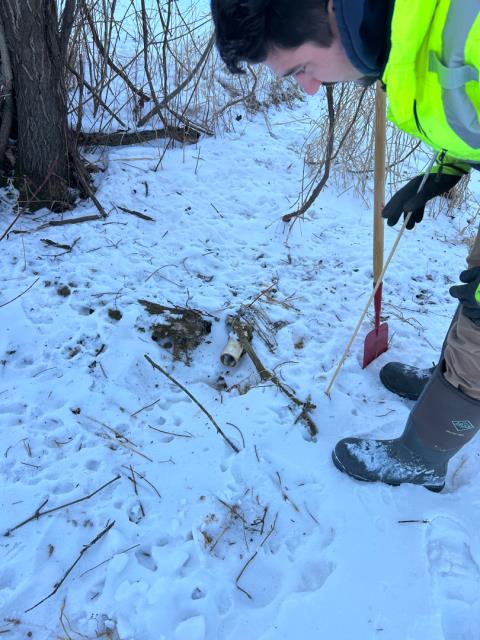
Additionally, tree roots from the abundant greenery in our community can infiltrate your plumbing system, causing severe clogs that may require professional help. Even small items, like toothpaste caps or cotton swabs, can cause unexpected jams.
If you frequently experience slow drains, it’s essential to recognize these common culprits, particularly in our unique environment. By addressing them early, you can save yourself time and money in the long run.
DIY Drain Cleaning Techniques
Clogged drains can be a real hassle, especially in areas prone to heavy rain or where older plumbing systems are common. However, you don’t always need to call a plumber to tackle the problem.
Start by grabbing a plunger and giving it a few good pumps to dislodge the blockage. If that doesn’t work, consider using a plumbing snake to reach deeper clogs. Simply insert the snake into the drain and twist it until you feel resistance, then pull it back to remove debris.
In regions with a lot of tree roots, you may find that using a wet/dry vacuum can be particularly effective for sucking out stubborn clogs.
For minor blockages, running hot water down the drain can help, as can a mixture of baking soda and vinegar, which works well in combating grease buildup common in kitchen sinks.
These DIY techniques can save you both time and money while ensuring your drains continue to flow smoothly, even in challenging local conditions.
Homemade Drain Cleaners
If you’re looking for an effective and budget-friendly solution to keep your drains clear, homemade drain cleaners can be a game changer.
In regions where heavy rainfall can lead to clogged drains from debris and sediment, these simple mixtures using common household ingredients can be particularly useful.
Here are three you might find effective:
- Baking Soda and Vinegar: In areas prone to mineral buildup, pour half a cup of baking soda down the drain, followed by half a cup of vinegar. Let it fizz for about 30 minutes, then rinse with hot water to help clear any stubborn blockages.
- Salt and Baking Soda: If you frequently deal with slow drains, mix half a cup of salt with half a cup of baking soda. Pour this mixture down the drain, wait for 30 minutes, and then flush with boiling water to help dissolve any buildup.
- Dish Soap and Hot Water: In places where grease accumulation is a common issue, pour a generous amount of dish soap into the drain, followed by boiling water to help dissolve and flush away the grease.
These options aren’t only effective but also environmentally friendly, making them a great choice for maintaining your plumbing without harsh chemicals.
Importance of Regular Maintenance
Regular maintenance is crucial for preventing costly plumbing issues, especially in areas prone to unique local challenges.
For instance, homes near heavily wooded areas may experience more frequent clogs due to fallen leaves and debris entering the drainage system. By routinely checking and cleaning your drains, you can identify minor blockages before they escalate into major problems. This proactive approach can save you time, money, and stress by addressing small issues early on. It also helps keep your home’s plumbing system running smoothly.
Neglecting maintenance can lead to clogs, leaks, and even water damage, which can become quite expensive to repair. In regions where heavy rainfall is common, the risk of flooding can increase if your plumbing system isn’t well-maintained.
Additionally, consistent care can extend the life of your plumbing system, giving you peace of mind. Therefore, it’s wise to set a regular schedule for drain cleaning and inspections tailored to your local environment. This way, you can protect your home while keeping your plumbing budget-friendly.
When to Use a Plumber’s Snake
A plumber’s snake is an essential tool for tackling stubborn clogs that regular drain cleaning methods can’t handle. If you’re facing persistent drainage issues, it’s time to contemplate using this handy device.
Here are three scenarios when you should grab your plumber’s snake:
- Slow Drains: If water is draining slowly despite using plungers or drain cleaners, a snake can reach deeper blockages that are common in older plumbing systems found in many local homes.
- Frequent Clogs: When you find yourself repeatedly unclogging the same drain, especially in areas with hard water or high sediment levels, a snake can help remove the root cause of the problem.
- Clogs Beyond Reach: For obstructions that are too deep for traditional tools, such as tree roots infiltrating pipes, a plumber’s snake can navigate through the complex network of plumbing to clear them effectively.
Using a plumber’s snake can save you time and money while keeping your drains flowing smoothly, particularly in regions where drainage issues are prevalent due to local environmental factors.
Signs You Need Professional Help
How can you tell when it’s time to call in the professionals for your drain issues? If you notice persistent slow drains, especially common in older homes in the area, it’s a clear sign you might need help.
Gurgling sounds from your pipes can indicate deeper blockages that a simple plunger won’t resolve, and in many local neighborhoods, tree roots can exacerbate these issues.
Foul odors coming from your drains often signal a serious problem that needs immediate attention; this is especially true in areas with older sewer systems that can contribute to such smells.
If you find yourself using chemical drain cleaners frequently, it’s wise to seek professional assistance, as these can damage your pipes over time and may not be effective against the unique buildup found in this region.
Finally, if multiple drains are backing up simultaneously, don’t hesitate to call an expert, as this can indicate a larger issue with the municipal sewer lines.
Ignoring these signs could lead to more extensive and costly repairs down the line. Remember, early intervention can save you money and prevent further complications.
Tips for Preventing Future Clogs
While it may appear that drains are destined to clog over time, there are several proactive measures you can take to reduce the likelihood of blockages, especially considering the unique challenges posed by local conditions.
By maintaining your drains effectively, you can avoid the hassle of unexpected repairs. Here are three practical tips:
- Use a drain strainer: Installing a strainer in your sinks and shower can help capture hair, food particles, and other debris before they enter the pipes. This is particularly important in areas where hair shedding is common or where cooking generates a lot of waste.
- Flush with hot water: Regularly pouring boiling water down your drains can assist in breaking down grease and soap buildup, which is especially beneficial in regions where hard water is prevalent and can lead to mineral deposits.
- Avoid harsh chemicals: Rather than relying on chemical drain cleaners, try using a mixture of baking soda and vinegar. This natural alternative is gentler on your plumbing and the environment, especially in areas where water quality is a concern.
Conclusion
By employing budget-friendly drain cleaning techniques and being proactive with maintenance in Sauk Rapids, you can ensure your drains flow smoothly without overspending. Due to the area’s unique weather patterns and seasonal changes, debris can accumulate in your drains, leading to clogs. Utilize simple DIY methods and homemade cleaners to address minor blockages, and consider using a plumber’s snake for more stubborn issues. Regular upkeep is especially important in this region, as it can help prevent costly plumbing problems that might arise from neglect. With these tips tailored for Sauk Rapids, you will not only save money but also enjoy a hassle-free home environment. Happy cleaning!