Choosing Materials for Line Repair in Sauk Rapids
When selecting materials for line repair in Sauk Rapids, it is essential to consider the unique challenges posed by the local climate and environment. The area experiences significant temperature fluctuations and high humidity, which can lead to increased wear and tear on materials. Therefore, it is crucial to choose options that can withstand such conditions and resist weather-related damage and corrosion. For instance, PEX is a popular choice for water lines due to its flexibility and resistance to freezing, while high-quality insulated wire is recommended for electrical systems to ensure reliability and safety.
In addition to durability, compliance with local codes is vital to ensure that repairs meet safety standards and regulations specific to the region. Prioritizing sustainability is also important, as environmentally friendly materials can contribute to the long-term health of the community. As you assess your options, consider the specific needs of your project and the materials that will provide the most lasting and safe repairs in the Sauk Rapids area. What steps will you take next to ensure your repairs stand the test of time?
Understanding Local Climate and Usage Demands
How do you choose the right materials for line repair in Sauk Rapids? Begin by recognizing the area’s unique climate and the specific demands on your lines.
Consider the significant temperature fluctuations, high humidity levels, and the diverse seasonal weather patterns that can affect material performance. For example, frequent freezing temperatures necessitate materials that can resist cracking or brittleness in cold conditions.
Additionally, take into account the local usage demands on your lines. Are they subjected to heavy loads or high traffic volumes? This will impact your selection of materials that need to endure stress and wear over time.
Local regulations and guidelines also play a crucial role, as they may specify certain material standards that must be adhered to. By focusing on these local factors, you can ensure that your line repairs aren’t only effective but also durable in the long run.
Evaluating Material Durability
When evaluating material durability for line repair in Sauk Rapids, it’s crucial to select materials that can endure the unique environmental conditions and stresses typical of the area.
Durability is essential for ensuring long-term performance and reliability. Several factors must be considered to make a well-informed decision.
- Weather Resistance: Given the significant temperature fluctuations and the potential for heavy rainfall and snowfall in Sauk Rapids, it’s important to choose materials that can withstand these elements without compromising their integrity.
- Corrosion Resistance: Materials such as coated steel or specialized alloys are advisable, as they provide protection against rust and degradation, which can be accelerated by the humidity and precipitation levels in the region.
- Load Bearing Capacity: Ensure that the selected material can adequately support the weight and pressure it may encounter in its specific application, particularly considering the local infrastructure demands.
Cost Considerations for Line Repair
While selecting durable materials is crucial for successful line repair, it’s equally important to consider local cost challenges. In many regions, fluctuating material prices can impact your budget, so it’s vital to strike a balance between quality and affordability to ensure the project’s feasibility.
Begin by assessing the initial costs of various materials available in your area. While lower-cost options may seem appealing at first, they could result in more frequent repairs in the future. It’s beneficial to evaluate the total cost of ownership, which encompasses maintenance and potential downtime expenses that could arise from subpar materials.
Moreover, labor costs can vary significantly based on the materials selected. Some options may necessitate specialized skills or tools that could elevate overall expenses.
It’s also worthwhile to investigate local suppliers for bulk purchasing opportunities or discounts, which can help mitigate costs. By carefully examining these factors, you can make informed choices that support both the durability and economic viability of your repair projects.
Assessing Environmental Impact
Considering the environmental impact of materials for line repair is becoming increasingly important as sustainability takes center stage in many industries. In regions with unique ecological challenges, it’s essential to assess how each material affects the local environment before making your choice.
Opt for materials that minimize harm and support eco-friendly practices. This approach not only aligns with growing environmental regulations but also enhances your brand’s reputation.
When evaluating materials in your area, consider:
- Recyclability: Can the material be recycled or repurposed after use? Local recycling facilities may have specific capabilities that can influence your choice.
- Toxicity: Does the material release harmful chemicals during production or disposal? Certain regions may have stricter regulations regarding toxic substances, affecting the materials you can select.
- Carbon Footprint: What’s the total greenhouse gas emissions associated with the material? Local transportation methods and distances can significantly impact the overall carbon footprint, making it crucial to choose materials that are sourced nearby when possible.
Exploring Ease of Installation
Choosing materials that align with environmental goals is only part of the equation; equally important is how easily these materials can be installed, especially in areas with unique challenges like varying weather conditions or limited access to skilled labor.
For instance, if a material requires specialized tools or extensive training, it can slow progress and increase overall project costs. Opt for materials that offer straightforward installation processes, particularly those that are suitable for the local climate and terrain.
Look for components that simplify your task, such as those with snap-together features or flexible designs that can easily adapt to tight spaces often found in urban settings.
It’s essential to assess whether the material comes with clear instructions or access to local technical support, as this can make a significant difference in the installation process.
By choosing user-friendly options, you not only save time but also minimize disruptions to the community, which is particularly important in densely populated areas.
Prioritize materials that guarantee a smooth, efficient installation to ensure your projects remain on schedule and can withstand local environmental conditions.
Comparing Material Options for Water Lines
When evaluating material options for water lines, it’s essential to balance durability, cost, and compatibility with existing infrastructure. You want materials that will stand the test of time without being excessively expensive.
Here are some popular choices, along with considerations specific to the local environment:
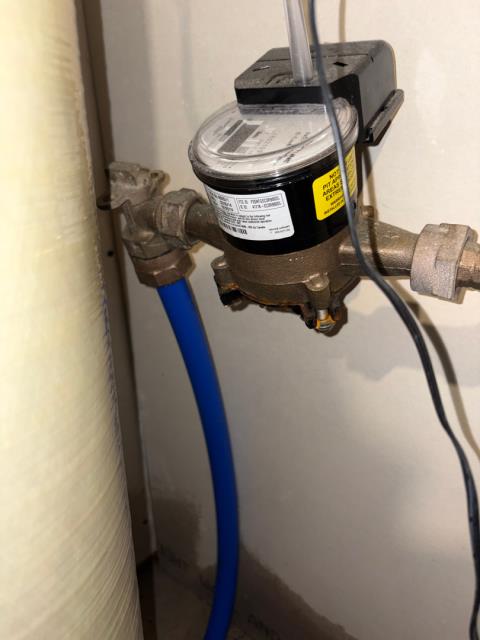
- Copper: Known for its long lifespan and resistance to corrosion, copper is a reliable choice, though it may be on the higher end of the budget scale. In areas with high mineral content in the water, copper’s durability is especially beneficial as it can withstand potential buildup and corrosion.
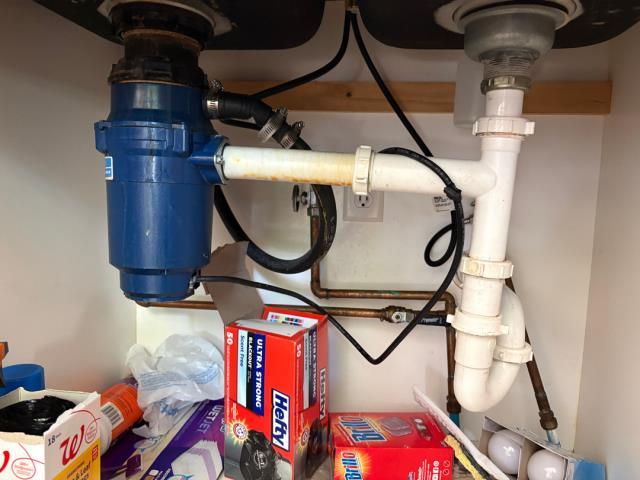
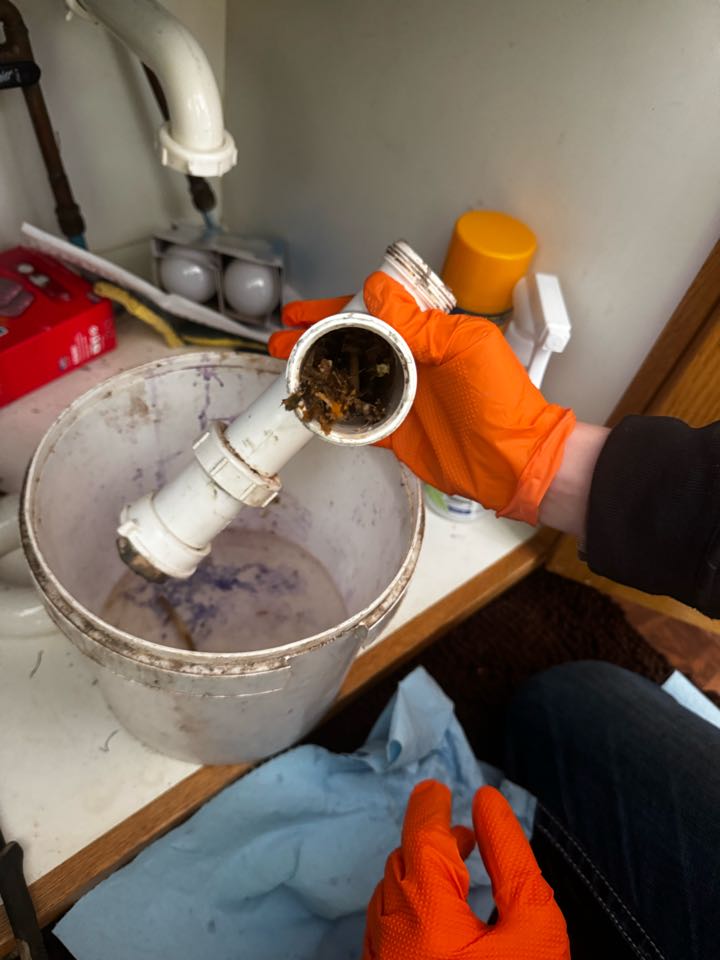
- PVC: This is a cost-effective option that’s easy to install and resistant to various chemicals, making it suitable for many local applications. However, in regions that experience extreme temperature fluctuations, PVC may become brittle in the cold or warp in high heat, which could lead to issues over time.
- PEX: Flexible and simple to install, PEX is becoming increasingly popular. Its ability to resist scale build-up and withstand varying temperatures makes it ideal for both hot and cold water lines. In areas prone to freezing temperatures, PEX’s flexibility allows it to expand without breaking, which is a significant advantage.
When selecting the material for your water lines, consider the specific environmental challenges and conditions in your area to ensure long-lasting performance.
Material Choices for Gas Line Repair
Just as water lines demand careful material selection, gas lines require thoughtful consideration to ensure safety and efficiency. When repairing or replacing gas lines, selecting materials that resist corrosion, withstand pressure, and prevent leaks is crucial.
Steel is a top choice due to its durability and strength, but it can corrode over time, particularly in areas with high humidity or saline soil conditions.
For a more corrosion-resistant option, consider using polyethylene (PE) pipes. These pipes are flexible, lightweight, and easy to install, making them particularly well-suited for underground gas lines in regions where soil movement is common due to frost or shifting earth.
Copper is another option, known for its reliability and longevity. However, in areas with acidic soils, copper may not be the best choice as it can degrade more quickly.
It’s also essential to keep in mind that some local codes and regulations may dictate specific material requirements based on environmental considerations.
Always prioritize safety and durability to ensure long-term peace of mind, especially in regions prone to extreme weather or geological shifts that could impact gas line integrity.
Electrical Line Repair Materials in Sauk Rapids
Electrical line repair in Sauk Rapids requires careful consideration of local conditions and the right materials to ensure safety and reliability. The unique weather patterns and environmental factors in this area can pose specific challenges for electrical repairs.
Here are some essential materials to consider for high-quality repairs:
- Insulated Wire: Choose wires with strong insulation to safeguard against electrical hazards and ensure long-lasting connections, especially important given the temperature fluctuations experienced in Sauk Rapids.
- Connector Kits: High-grade connector kits are vital for securing joints and maintaining efficient electrical flow. In a region where moisture levels can vary, reliable connectors can prevent issues caused by corrosion or moisture intrusion.
- Weatherproof Enclosures: Protecting your repairs from the elements is crucial. Durable, weatherproof enclosures will shield electrical components from the harsh conditions that can occur in Sauk Rapids, such as heavy rain or snow.
Selecting the appropriate materials not only enhances the safety and efficiency of your repairs but also contributes to the longevity of electrical systems.
Equipped with the right tools and knowledge, you can confidently address any electrical challenge that arises in this community.
Conclusion
When choosing materials for line repair in Sauk Rapids, it is crucial to consider the local climate, which is characterized by significant temperature fluctuations and high humidity levels. These factors can impact the performance and longevity of your repairs. For water lines, PEX is a reliable choice due to its flexibility and resistance to freezing, making it suitable for the region’s cold winters. For electrical systems, insulated wires are essential to safeguard against moisture and temperature changes.
In addition to durability, it’s important to adhere to local building codes, which may dictate specific material requirements. Environmental considerations also play a role; selecting recyclable and low-toxicity materials can help minimize your ecological footprint. While you want to ensure that your repairs are effective, the overall cost and ease of installation should also be taken into account, allowing you to make well-informed decisions that are efficient, safe, and suited to the unique conditions of Sauk Rapids.