Cost-Effective Septic Inspection Services Guide
When it comes to septic inspections, knowing how to find cost-effective services in your area can save you time and money. In regions with diverse soil types and varying regulations, it is essential to evaluate the experience and credentials of service providers to ensure you are getting reliable help. Additionally, understanding the local inspection process and its specific requirements can help prevent unexpected costs.
To prepare your home for inspection and potentially lower those expenses, consider these key factors. First, familiarize yourself with the specific regulations governing septic systems in your locality, as they can vary widely. Local environmental concerns or seasonal weather patterns may also impact the inspection process. Furthermore, maintaining clear access to your septic system can facilitate the inspection and may lead to lower costs.
By taking these steps, you can make an informed decision and find septic inspection services that are both reliable and budget-friendly in your community.
Understanding the Importance of Septic Inspections
When you own a home with a septic system in areas prone to heavy rainfall or seasonal flooding, understanding the importance of regular inspections becomes even more crucial for maintaining functionality and preventing costly repairs.
Septic systems can be complex, and issues can arise unexpectedly, especially in regions where soil saturation can affect system performance. By scheduling regular inspections, you can identify potential problems early, which is particularly important in locations with high groundwater levels or clay-rich soils that may impede drainage.
These inspections help ensure your system operates efficiently, protecting both your property and the surrounding environment.
Additionally, many local regulations mandate septic inspections, especially during property transactions. By staying compliant, you can avoid fines or complications when selling your home.
Investing in routine septic inspections not only keeps your system running smoothly but also provides peace of mind, knowing you’re taking proactive steps to safeguard your home and investment.
Don’t wait until it’s too late—stay ahead of potential issues to ensure the longevity of your septic system.
Key Factors to Consider When Choosing a Service Provider
Choosing the right septic inspection service provider is crucial, particularly in regions where soil conditions and local regulations can vary significantly. For example, in areas prone to heavy rainfall, the inspection process may need to take into account the potential for groundwater contamination.
Begin by verifying the provider’s credentials and certifications to ensure they comply with local regulations specific to your area.
Experience is also important; seek out a company with a strong history of conducting septic inspections in your community. This familiarity can help them better understand local challenges, such as unique soil types or environmental considerations.
Reading customer reviews can provide insight into their reputation and reliability.
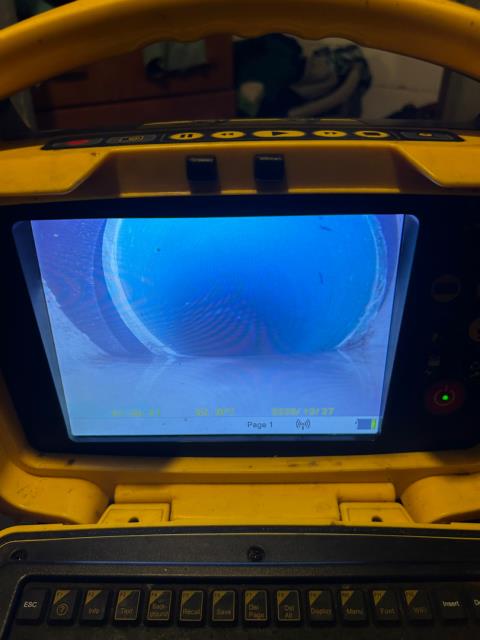
Inquire about their inspection process, including the technology and methods they utilize. Some providers may use advanced diagnostic tools that are particularly beneficial in detecting issues in specific local conditions.
It’s wise to request a detailed estimate upfront, as this will help you avoid unexpected costs later on.
Finally, assess their customer service. A responsive and knowledgeable team can make a significant difference, especially when navigating any specific concerns related to your local area.
Preparing Your Home for a Septic Inspection
Preparing your home for a septic inspection can make the process smoother and more efficient, especially in our region where specific soil and weather conditions can impact system performance.
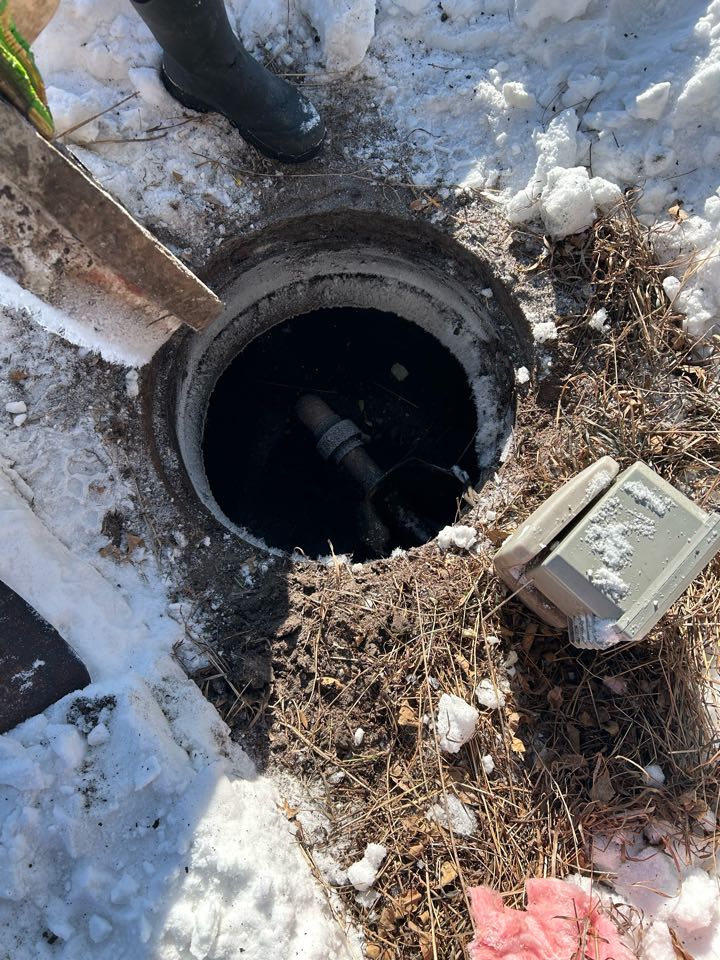
Start by locating your septic tank and any access points, which can sometimes be challenging due to seasonal vegetation growth. Clear away any debris, like leaves or dirt, to ensure easy access for the inspector. It’s also wise to avoid parking vehicles over the septic area to prevent damage or hindrance during the inspection, particularly since heavy rains can lead to ground saturation that may affect the area around your septic system.
Next, verify that all plumbing fixtures are functioning properly, as this provides the inspector with a clearer picture of your system’s performance.
In our area, fluctuations in groundwater levels can influence how well your septic system operates, so any irregularities should be noted.
Finally, inform your inspector of any previous issues or concerns you’ve had with the septic system, such as slow drains or unusual odors, as these can be indicative of underlying problems.
This proactive approach can help ensure a thorough and accurate inspection, leading to better insights on your system’s condition and how it’s affected by local environmental factors.
Common Issues Identified During Inspections
Septic inspections in this region often uncover a variety of common issues that can significantly impact system performance. A prevalent concern is a clogged drain field, particularly in areas with heavy clay soils that retain moisture, leading to backups and unpleasant odors.
Homeowners may also face challenges with the tank’s baffles or filters, which can impede the proper flow of wastewater. In this climate, leaks or cracks in the tank can pose serious risks of contamination, especially during periods of heavy rainfall, which can exacerbate existing problems.
Furthermore, root intrusion from nearby trees is especially common in densely wooded neighborhoods and can disrupt the system’s functionality. Many households may also find their septic systems improperly sized for their needs, resulting in overloading during peak usage times.
Tips for Reducing Septic Inspection Costs
To keep septic inspection costs manageable in our region, consider scheduling inspections during the fall or early spring when demand tends to be lower. This timing can often lead to more favorable rates as companies may be more inclined to negotiate.
Additionally, be sure to research and compare quotes from multiple service providers in the area. Look for package deals that include a comprehensive inspection along with maintenance services, as these options can provide significant savings over time.
If your septic system has been well-maintained, don’t hesitate to inquire about potential discounts, as some local companies may offer reduced prices for routine checks.
Lastly, ensure that your property is easily accessible; by clearing any obstacles, you can avoid extra charges that may arise from difficult access.
Maintaining Your Septic System Between Inspections
To keep your septic system in top shape, it’s essential to follow a regular pumping schedule tailored to the local soil conditions and water table levels.
In regions with heavy rainfall or high groundwater, special attention should be given to drainfield maintenance to prevent costly issues down the line, such as flooding or system failure.
Additionally, seasonal changes can impact how your system operates; for instance, during dry spells, it’s crucial to avoid overloading the system with water.
Regular Pumping Schedule
Maintaining a regular pumping schedule is essential for keeping your septic system in top shape between inspections, especially in areas where the soil composition may affect absorption rates. In regions with high clay content, for instance, it can be more challenging for the septic system to properly filter wastewater, which can necessitate more frequent pumping.
Generally, you should aim to pump your septic tank every 3 to 5 years, but this may vary based on your household size, water usage, and local environmental factors. Regular pumping helps prevent solid waste buildup, which can lead to costly repairs and system failures.
In locations prone to heavy rainfall or flooding, the risk of system overload increases, making it even more crucial to adhere to a strict pumping schedule. To determine the ideal timing for your system, consider factors such as the number of residents, daily water usage, and the size of your tank.
Monitoring your tank’s sludge levels can also provide valuable insights into when it’s time for pumping. By sticking to a consistent pumping routine, you can extend your system’s lifespan and potentially avoid expensive emergency repairs.
It’s wise to make that appointment sooner rather than later to ensure your system continues to function smoothly, especially in challenging environmental conditions.
Drainfield Maintenance Tips
Maintaining your septic system effectively involves more than just regular pumping; proper care of your drainfield is crucial, especially in areas with clay soils that can retain water and affect drainage.
It’s important to avoid heavy traffic over your drainfield, as this can compact the soil and hinder absorption. In regions prone to flooding, be vigilant about keeping rainwater and runoff away from your drainfield, as excess moisture can overwhelm the system.
Pay attention to the vegetation above your drainfield; grass is preferable, but be cautious of planting trees and shrubs with deep roots, which can invade and damage your system.
In some areas, invasive plant species can pose a significant threat, so it’s wise to choose native grasses that won’t interfere with drainage.
When it comes to what you flush, remember that only human waste and toilet paper should go down the toilet.
In regions where household waste disposal practices vary, public awareness campaigns can help ensure that everyone is following proper guidelines.
Lastly, consider installing a drainfield alarm to detect any problems early, especially in areas with variable climates that can stress septic systems.
Conclusion
In conclusion, investing in regular septic inspections is crucial for safeguarding your home and the surrounding environment, especially given the unique challenges faced in this region, such as fluctuating soil conditions and varying local regulations. By selecting a knowledgeable provider familiar with local practices and preparing your property adequately, you can avoid significant repair expenses and ensure adherence to community guidelines. It’s also important to monitor your septic system between inspections to preserve its functionality and efficiency. By following these recommendations, you can make well-informed choices and enjoy the reassurance that your septic system is operating effectively.