Cost-Effective Septic Maintenance Tips in Sauk Rapids
Maintaining your septic system in Sauk Rapids can be both effective and budget-friendly. Understanding the unique characteristics of the local soil and water table is essential, as these factors can influence how your system operates. Regular inspections by local professionals familiar with the area’s specific challenges can help you identify potential issues early on, preventing costly repairs later.
In Sauk Rapids, it’s important to be mindful of what you flush down your toilets and sinks. Items that seem harmless can lead to clogs and backups, especially in areas where the soil may not drain as efficiently. By educating yourself and your family about proper waste disposal, you can significantly reduce the risk of system malfunctions.
Additionally, consider embracing simple changes in your daily routine that can enhance your septic system’s efficiency. For instance, spreading out laundry loads throughout the week rather than doing them all at once can prevent overwhelming the system. Moreover, using water-saving fixtures can reduce the amount of wastewater your system processes daily.
By implementing these cost-effective strategies and staying informed about your septic system’s needs, you can ensure its longevity while minimizing maintenance costs and disruptions.
Understand Your Septic System
To effectively manage your septic system, it’s essential to understand how it functions. Your system treats wastewater from your home, separating solids from liquids. The solids settle at the bottom of the tank, forming sludge, while lighter materials float to the top, creating scum.
The liquid effluent then flows into the drain field, where it’s further filtered by the soil. Knowing this process helps you recognize potential issues, especially in areas where heavy rainfall can saturate the ground and affect drainage.
For instance, if you notice slow drains or foul odors, it could indicate a problem with your system’s ability to process waste efficiently. Additionally, remember that your septic system relies on beneficial bacteria to break down waste, so avoid flushing chemicals or products that can disrupt this balance.
Understanding these basics will empower you to maintain your system effectively and prevent costly repairs down the line.
Schedule Regular Inspections
Regular inspections are essential for keeping your septic system running smoothly, especially in areas prone to heavy rainfall or clay soils that can impact drainage.
In regions where groundwater levels fluctuate, it’s advisable to have your system checked at least once a year to catch any potential issues early.
This proactive approach not only protects your investment but also helps maintain the health of your property and the surrounding environment.
Importance of Inspections
Scheduling regular inspections for your septic system is crucial for maintaining its health and longevity, especially in areas prone to heavy rainfall or flooding.
In regions where the soil composition can impact drainage, these inspections help identify potential issues before they escalate into costly repairs. Having a professional assess your system ensures that all components, from the tank to the drain field, are functioning correctly in the unique environmental conditions of your area.
Regular checks also provide peace of mind, as they ensure your system complies with local regulations, particularly in communities with strict environmental standards.
Furthermore, inspections can help you monitor the condition of your system, enabling informed decisions about necessary maintenance or upgrades based on regional challenges.
Remember, catching problems early is key to avoiding significant disruptions and unexpected expenses later on.
Frequency Recommendations
Inspecting your septic system at least once every three years is a smart move for any homeowner in this region, where varying soil types and seasonal weather can impact system performance.
Regular inspections help catch potential issues early, potentially saving you from significant repair costs in the future. If your household has more occupants or if you frequently use a garbage disposal, consider scheduling inspections every two years to ensure optimal function.
In our area, it’s particularly important to monitor your system’s performance closely. Signs like slow drains or unpleasant odors can be indicative of larger issues that require immediate attention, especially given the local climate’s effect on septic systems.
Pumping your septic tank every three to five years is also recommended, depending on your household’s usage patterns. By adhering to this maintenance schedule, you can help ensure that your septic system operates efficiently and lasts longer, ultimately protecting both your home and your finances.
Know What Goes Down the Drain
When it comes to maintaining your septic system, knowing what goes down the drain is essential. In areas with clay soil, for example, septic systems can face unique challenges due to slower drainage.
It’s crucial to remember that not all waste is created equal. Only flush human waste and toilet paper. Items such as wipes, feminine hygiene products, and dental floss can lead to significant clogs and result in inconvenient repairs.
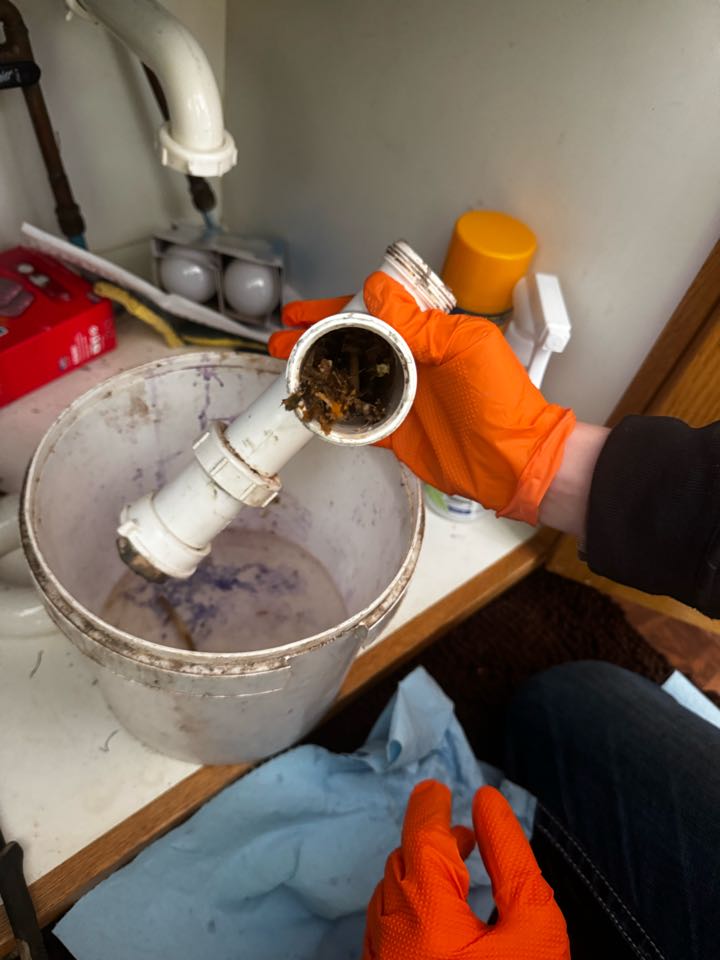
In the kitchen, be extra cautious with grease, oils, and food scraps. These materials can solidify and create blockages, especially in colder climates where temperatures drop significantly.
Additionally, using chemicals like bleach and harsh cleaners can disrupt the beneficial bacteria that your septic system relies on for proper function. By being mindful of what you dispose of, you can help ensure your septic system operates effectively and avoid unexpected issues.
Practice Water Conservation
Practicing water conservation is essential for maintaining your septic system, particularly in regions where heavy rainfall can lead to soil saturation and impact system performance. Excessive water usage can overwhelm your system, especially during periods of high water table levels, which can be common in certain local areas.
By using less water, you not only protect your system but also contribute to more sustainable water management in your community.
Start by fixing leaks in faucets and toilets; those small drips can lead to significant water loss over time. Installing water-saving fixtures, such as low-flow showerheads and dual-flush toilets, can help reduce water consumption without sacrificing comfort.
When doing laundry, consider only running full loads to maximize water efficiency. This practice is especially important in areas where water resources may be limited.
Additionally, try to spread out water use throughout the week instead of cramming it all into one day. For instance, if you have outdoor watering needs, be mindful of local regulations and drought conditions that may affect water availability.
These simple steps can make a big difference in maintaining your septic system’s health while benefiting the environment and the community as a whole.
Maintain Your Drain Field
To keep your septic system functioning well, maintaining your drain field is essential, especially considering the unique challenges of our local environment.
In areas with heavy rainfall, it’s crucial to monitor the drain field for potential flooding or saturation, which can impede the system’s effectiveness. Make certain to keep the area around your drain field clear of debris, plants, and heavy equipment. Avoid parking vehicles or placing structures on it, as this can compact the soil and hinder proper drainage.
Regularly inspect for signs of trouble, such as pooling water or foul odors, which can indicate a problem. Given our region’s diverse flora, be mindful of your landscaping; using native plants with shallow roots can help absorb excess water without damaging the system.
Finally, ensure that your drain field’s soil isn’t saturated by diverting water from downspouts and gutters away from the area. By following these simple steps, you’ll help your drain field perform efficiently for years to come while addressing local conditions effectively.
Use Enzyme Treatments Wisely
Using enzyme treatments can significantly enhance the performance of septic systems in our region, especially when applied thoughtfully. These products assist in breaking down organic waste, ensuring that your system operates more efficiently.
To achieve optimal results, select a high-quality enzyme treatment that’s specifically formulated for septic systems. Adhere to the manufacturer’s instructions regarding dosage and frequency, as excessive use can upset the natural bacteria balance within your tank.
In our area, it’s particularly beneficial to apply enzyme treatments during routine maintenance, ideally coinciding with the pumping of your tank. This timing maximizes the effectiveness of the enzymes.
It’s crucial to remember that enzyme treatments aren’t a substitute for regular maintenance; rather, they serve as a useful supplement. By utilizing them wisely, you’ll contribute to a healthier and more efficient septic system, helping to address local challenges such as soil saturation or seasonal fluctuations in water table levels.
Be Cautious With Chemicals
When it comes to maintaining your septic system in the local area, it’s essential to be mindful of the chemicals you choose to use. Many harsh cleaners available on the market can disrupt the delicate balance of bacteria that’s crucial for breaking down waste.
This is particularly important in regions where soil composition and local water tables may already pose challenges for septic systems. Opting for natural alternatives is often a more sustainable and effective choice.
Always take the time to read product labels carefully to ensure they’re safe for use with septic systems before incorporating them into your cleaning routine.
Avoid Harsh Cleaners
While it may be tempting to reach for strong chemical cleaners to tackle tough stains, doing so can harm your septic system. In areas where soil composition and weather patterns can affect septic health, these harsh cleaners can disrupt the balance of beneficial bacteria that break down waste, leading to clogs and backups.
When you pour these chemicals down the drain, they can also contaminate the surrounding soil and groundwater, posing health risks to the community.
Instead of reaching for those toxic solutions, consider using milder cleaning products that are appropriate for your local environment. Always read labels to ensure they’re septic-safe, especially in regions where septic systems are common.
If you’re unsure, a little research can save you from costly repairs down the line. By avoiding harsh cleaners, you’ll help maintain your system’s health and longevity while keeping your home clean.
Your septic system will appreciate the care you take to protect it.
Opt for Natural Alternatives
Many homeowners in the Pacific Northwest are discovering the benefits of opting for natural alternatives in their cleaning routines.
With the region’s unique climate and abundant rainfall, using ingredients like vinegar, baking soda, and lemon juice can effectively clean your home without harming your septic system. These natural options break down waste naturally, supporting the bacterial balance essential for your septic tank’s health, especially in areas where heavy moisture can impact septic efficiency.
Instead of chemical-laden products, try DIY cleaners that keep your home fresh and your septic system functioning well.
For instance, a simple mixture of vinegar and water can tackle tough stains and odors that are common in damp environments. By making this switch, you’re not just protecting your septic system—you’re also contributing to a healthier environment that’s crucial in maintaining the natural beauty of the Pacific Northwest.
Embrace these natural alternatives to maintain a safe, effective cleaning routine that benefits both your home and your septic system while respecting the local ecosystem.
Read Product Labels Carefully
How can you ensure your septic system remains in good condition? One crucial step is to read product labels carefully.
In areas with sandy or clay soils, the balance of your septic system can be particularly sensitive, so it’s important to be aware that many common household cleaners and chemicals can disrupt the natural bacterial activity essential for breaking down waste.
While shopping, focus on biodegradable and non-toxic products that won’t adversely affect your system. In regions prone to heavy rainfall, harsh chemicals like bleach and drain cleaners can exacerbate issues by overwhelming beneficial bacteria.
Instead, opt for eco-friendly alternatives that are safe for septic systems. Always look for any warnings or instructions regarding septic use on the label.
Keep Records of Maintenance
Keeping detailed records of your septic system maintenance is essential for its longevity and efficiency, especially in areas where soil conditions and water table levels can pose unique challenges. Document every service performed, including pump-outs, inspections, and repairs. Note the dates and any specific issues your system faced; this information can help you recognize patterns over time.
In regions where heavy rainfall is common, for instance, you may notice increased frequency of issues, requiring you to adjust your maintenance schedule accordingly.
Keep receipts and invoices in a dedicated folder, making it easy to track expenses and maintain warranties. This record-keeping not only aids in planning future maintenance but also proves invaluable if you ever decide to sell your property. Potential buyers appreciate knowing that the system has been well cared for, particularly in areas where septic systems are a crucial part of local infrastructure.
Moreover, having organized records can simplify conversations with professionals when you need assistance, especially if you live in a region where septic regulations and requirements are frequently updated.
Regularly updating your records will save you time and hassle in the long run, ensuring your system operates smoothly despite the challenges posed by your local environment.
Seek Professional Help When Needed
When it comes to septic system maintenance, knowing when to seek professional help is crucial, especially in areas prone to heavy rainfall or flooding. If you notice unusual odors, slow drains, or gurgling sounds, it’s important to call in the experts.
In regions where soil saturation can affect septic performance, waiting for a minor issue to escalate can lead to costly repairs. Early intervention can help you avoid significant expenses and inconvenience.
Regular inspections by a qualified technician are essential, as they can identify potential problems before they develop into serious issues. Additionally, if you’re uncertain about your system’s maintenance needs or if there’s been recent heavy rainfall, seeking professional advice is vital.
Trust your instincts—if something feels off, don’t hesitate to reach out for help. By taking a proactive approach, you can ensure that your septic system operates efficiently and lasts longer, safeguarding your property and peace of mind.
Conclusion
By following these cost-effective septic maintenance tips specific to Sauk Rapids, you can ensure your system operates efficiently and help prevent expensive repairs. Regular inspections are crucial, especially considering the area’s seasonal changes that can affect soil absorption and system performance. It is also important to be mindful of waste disposal; avoid flushing non-biodegradable items that can cause clogs, particularly during the heavy rainfall seasons that may lead to system overload.
Water conservation is another key aspect of maintaining your septic system’s health. With the fluctuating water levels in Sauk Rapids, reducing water usage can help prevent the system from becoming overwhelmed. Opt for natural cleaning alternatives instead of harsh chemicals, which can disrupt the bacterial balance in your septic tank.
Keeping detailed records of maintenance and usage will also contribute to the longevity of your system. Familiarize yourself with local regulations and know when it’s time to seek professional help to address any concerns. By taking these proactive steps, you’ll be better positioned to save both time and money on septic maintenance while ensuring your system remains reliable for years to come.