Discover Cost-Effective Septic Solutions in Sauk Rapids
If you are a homeowner in Sauk Rapids, understanding your septic system is crucial for saving money and avoiding potential issues. The unique soil composition and seasonal weather patterns in the area can present specific challenges for septic systems. Recognizing early warning signs, such as unusual odors or slow drains, can help you address problems before they escalate. Implementing regular maintenance tailored to the local environment can significantly enhance the longevity and efficiency of your system.
In Sauk Rapids, there are numerous cost-effective solutions available that are specific to the community’s needs. Local service providers can offer insights into the best practices for maintaining your septic system, ensuring it remains both effective and eco-friendly. By exploring these options, you can guarantee your system functions optimally while also protecting the natural resources in the area.
Understanding Your Septic System
Understanding your septic system is essential, especially if you want to avoid costly repairs down the line. In areas with heavy rainfall or clay-rich soils, managing your septic system can be particularly challenging due to potential drainage issues.
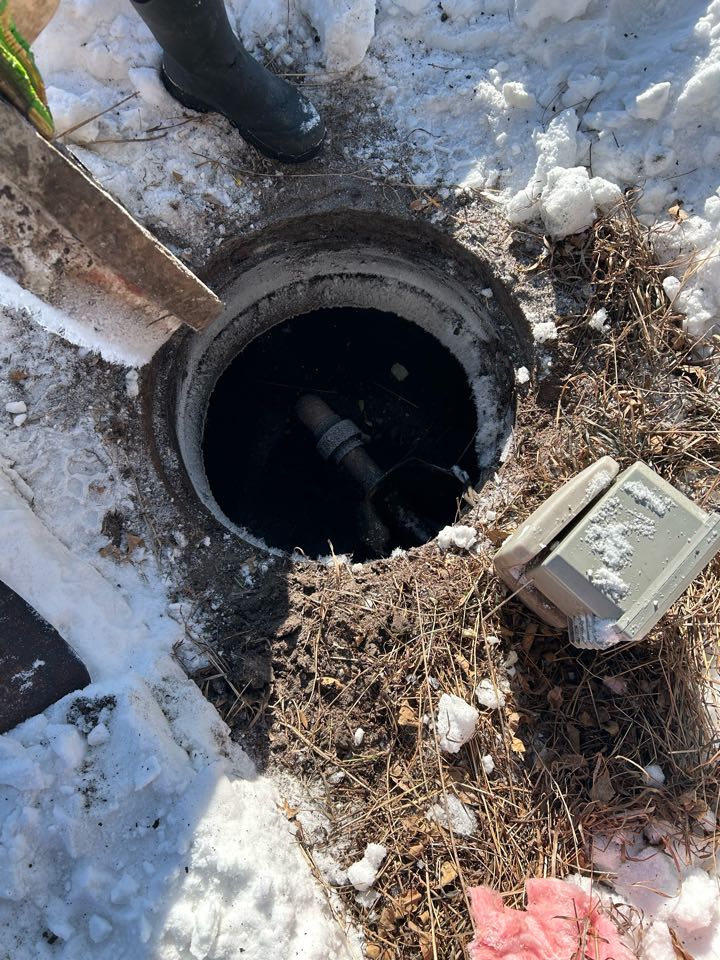
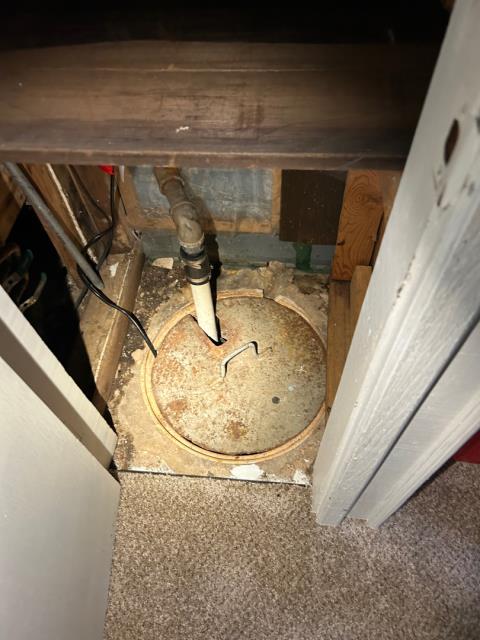
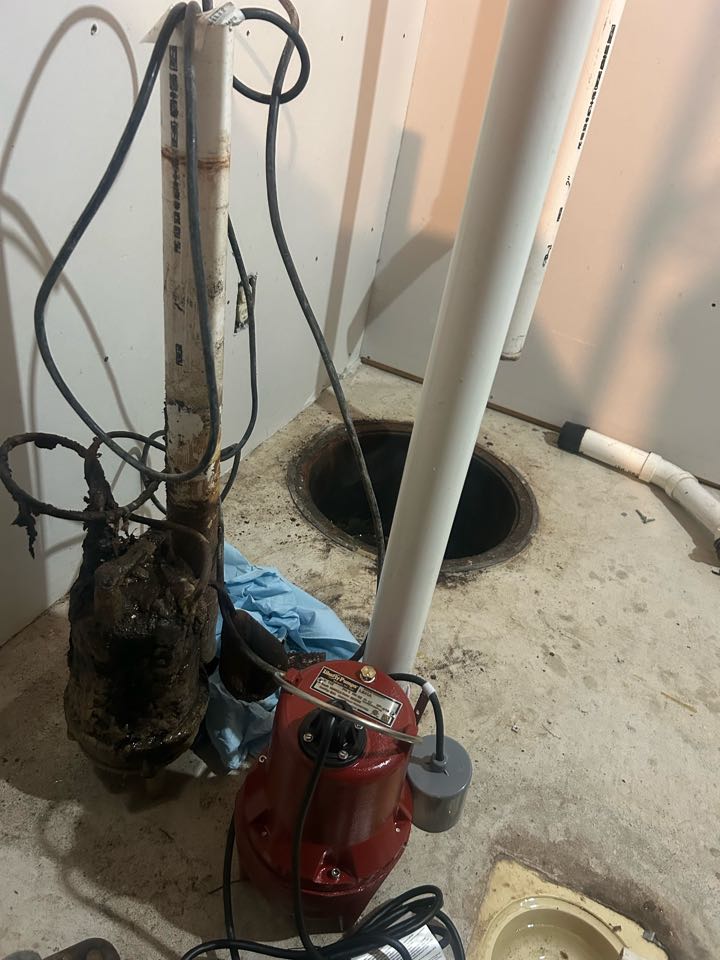
Your septic system’s main job is to treat wastewater from your home. It consists of a tank and a drain field that work together to break down solids and filter out contaminants. Regular maintenance is key to keeping it functioning properly. You should know how much water your system can handle, especially during wet seasons, and avoid overloading it.
Be mindful of what you flush; only human waste and toilet paper belong in the toilet. In regions prone to flooding, it’s also crucial to watch your drain field—avoid parking or planting over it to prevent damage and ensure proper drainage.
Signs Your Septic System Needs Attention
If you notice foul odors around your yard or in your home, it might be time to check your septic system.
In areas with heavy rainfall or clay soils, such conditions can exacerbate septic issues. Slow drains and frequent backups can also signal underlying problems that need your attention.
These challenges are particularly common in regions where the ground is saturated, making it harder for the system to function properly.
Catching these signs early can save you from costly repairs down the line.
Foul Odors Emanating
When foul odors begin to emanate from your yard or home, it signals that your septic system requires urgent attention.
In regions where heavy rainfall is common, such as in the Pacific Northwest, saturated soil can exacerbate septic issues, leading to unpleasant smells. This odor often indicates that waste isn’t decomposing properly or there may be a blockage in the system. You may notice these smells near your septic tank or drain field, suggesting that something is amiss.
In areas with older infrastructure, such as parts of the Northeast, neglected septic systems can lead to more significant problems, including expensive repairs or health risks.
To tackle these issues, it’s wise to arrange for a local professional inspection to pinpoint the underlying cause. Regular maintenance, which includes pumping and inspections, is crucial in preventing odors from becoming a frequent problem.
Slow Drains and Backups
Slow drains and backups can be particularly frustrating challenges for residents in areas with older septic systems or specific soil conditions. If you notice water pooling around drains or hear gurgling sounds, it’s essential to take immediate action.
These issues often indicate a clog or a full tank, which can lead to more severe complications if not addressed promptly. In regions where clay soils dominate, slow drainage in sinks, tubs, and toilets can be a common sign of a malfunctioning system. If these signs are ignored, it could result in significant repairs or even a complete system failure.
Regular maintenance, such as pumping your tank, is crucial in preventing these headaches, especially in locales where heavy rainfall can saturate the ground and impact system performance.
Don’t wait until it’s too late—address these symptoms swiftly to ensure your septic system operates effectively and efficiently, safeguarding your home and property.
Regular Maintenance Tips for Homeowners
To ensure your septic system operates efficiently in areas with heavy rainfall or frequent flooding, it’s essential to schedule routine inspections at least once a year.
These environmental conditions can put additional stress on your system, making regular monitoring even more critical.
Additionally, steer clear of using chemical drain cleaners, as they can disrupt the natural bacteria balance essential for septic systems.
Schedule Routine Inspections
Scheduling routine inspections for your septic system is crucial, especially in regions where soil types and seasonal weather patterns can affect system performance. In areas prone to heavy rainfall or flooding, for instance, it’s even more important to stay vigilant about your system’s health.
Regular inspections can help identify potential issues like clogs, leaks, or other problems that might arise due to the local environment. If you live in a larger household or experience higher water usage, more frequent checks might be necessary, ideally at least once every three years.
During these inspections, a qualified professional will evaluate the condition of the tank, pump levels, and overall functionality, taking into account any local factors that could impact the system.
This proactive approach not only helps to avoid costly repairs down the line but also ensures that your septic system functions reliably. Don’t wait until you encounter serious problems; prioritize inspections to maintain the health of your home and its environment.
Avoid Chemical Drain Cleaners
When dealing with clogs in your plumbing, it may be tempting to reach for chemical drain cleaners, but these products can be particularly harmful for septic systems, especially in areas with clay soil that can retain water and exacerbate drainage issues.
The harsh chemicals in these cleaners can disrupt the natural bacteria that are crucial for breaking down waste, potentially leading to more significant problems down the road.
Instead, consider using natural alternatives such as baking soda and vinegar, which can effectively clear minor clogs without jeopardizing the health of your septic system.
In regions where heavy rainfall is common, regular maintenance becomes even more essential; tasks like pumping and inspections can help prevent blockages that may arise from excess water saturation.
If you find yourself facing persistent clogs, it’s advisable to consult a professional who understands the specific challenges of your area.
Cost-Effective DIY Solutions
When you’re looking to save money on septic maintenance, DIY solutions can be a game changer. In regions with heavy rainfall, like the Pacific Northwest, regular inspections are crucial to catch issues early, as excess water can lead to backups.
Visually check for leaks or standing water around your tank, especially after a storm. You can also maintain your system by using enzymes or bacteria treatments, which help break down waste naturally. Instead of relying on costly chemicals, consider using baking soda and vinegar for minor clogs, as these natural alternatives can be just as effective.
Additionally, in areas prone to flooding or where the soil has poor drainage, keep your drain field clear of heavy objects and vegetation to allow proper drainage.
Educating yourself on proper water usage is also essential; in drought-prone regions, avoiding excessive water can greatly reduce strain on your system. These simple practices can significantly prolong the life of your septic system and save you money over time.
When to Call a Professional
No matter how diligent you’re with your DIY maintenance, there are times you need to call in a professional. If you notice foul odors around your yard or experience slow drains, it’s a clear sign something’s wrong.
In areas prone to heavy rainfall or flooding, these issues can escalate quickly, so don’t hesitate to reach out for expert help when your septic system backs up or you see pooling water. Additionally, if you’re unsure about the age or condition of your septic system, a professional can provide valuable insights tailored to the specific challenges of our local environment.
Regular inspections are essential, especially if you haven’t had one in years. Considering the unique soil and weather conditions here, addressing issues early can ultimately be more cost-effective.
Trust your instincts; if something feels off, it’s best to involve a professional for peace of mind.
Affordable Septic Pumping Options
How can you ensure your septic system remains in excellent condition without incurring excessive costs? One effective approach is to explore affordable septic pumping options available in your community.
Many local companies provide competitive rates tailored to the unique challenges of our area, such as environmental regulations and varying soil conditions that can impact septic system performance.
It is wise to ask about any available discounts or package deals when contacting these companies. Regular maintenance scheduling is crucial, as it can help avoid expensive repairs that might arise from neglecting your system.
Additionally, consider collaborating with neighbors to take advantage of group pumping discounts; several local service providers offer reduced rates for servicing multiple tanks simultaneously.
Keep an eye out for community programs or grants that may assist in offsetting costs, especially those aimed at promoting sustainable practices in our region.
Eco-Friendly Additives for Septic Systems
When it comes to maintaining your septic system, eco-friendly additives can make a significant difference, especially in regions where soil composition and rainfall levels pose unique challenges.
In areas with heavy clay soil, for instance, natural enzyme treatments can help improve drainage and prevent backup issues.
Beneficial bacteria boosters are particularly beneficial in locations with high organic waste loads, as they enhance the breakdown process, ensuring a more efficient system.
Organic waste decomposers are also a great option for communities that experience seasonal flooding, as they assist in breaking down waste quickly before it can be carried away by excess water.
These eco-friendly options not only promote a healthier environment but also contribute to extending the lifespan of your septic system.
Natural Enzyme Treatments
While traditional septic treatments in this region often rely on harsh chemicals, natural enzyme treatments provide a more eco-friendly alternative that promotes a healthier system.
These treatments utilize naturally occurring enzymes to break down waste effectively, reducing the buildup of sludge common in local soil types and preventing clogs that can disrupt service. By introducing these enzymes into your septic system, you encourage a balanced microbial environment, which is particularly beneficial for addressing the unique challenges posed by the area’s heavy clay soils.
Utilizing natural enzyme treatments not only enhances your system’s efficiency but also minimizes environmental impact, especially in areas prone to water contamination.
They’re safe for your plumbing and the surrounding soil, ensuring that your septic system functions efficiently without harming local ecosystems.
When you opt for these treatments, you’re choosing a sustainable solution that caters to the specific needs of your home while benefiting the environment.
Embrace this cleaner approach today and contribute to the well-being of your community!
Beneficial Bacteria Boosters
Beneficial bacteria boosters serve as eco-friendly additives that enhance the performance of your septic system, particularly in regions prone to heavy rainfall or clay soil.
These conditions can lead to a higher risk of clogs and backups, making it essential to introduce a concentrated population of helpful microorganisms. The bacteria effectively break down organic waste, ensuring that your system operates efficiently and reducing the likelihood of system failures.
In areas where septic systems face challenges from local wildlife or seasonal changes, maintaining a balanced microbial ecosystem is crucial.
By incorporating beneficial bacteria boosters, you can help your system function effectively and prolong its lifespan, even in the face of these local challenges.
Using these boosters is straightforward—simply add them to your system as directed and allow them to work their magic.
You may notice significant improvements in waste breakdown and overall system health over time. Plus, they’re safe for the environment, making them a wise choice for anyone looking to reduce their ecological footprint.
Consider integrating beneficial bacteria boosters into your routine maintenance for a healthier, more resilient septic system.
Organic Waste Decomposers
Building on the idea of enhancing your septic system’s performance, organic waste decomposers offer a locally relevant and eco-friendly solution for effective waste management.
In regions where heavy rainfall can saturate the ground and challenge septic systems, these natural additives can be particularly beneficial. They break down organic matter more efficiently, reducing sludge buildup and improving overall system function, which is crucial in areas prone to flooding.
By introducing enzymes and microorganisms, you help accelerate decomposition, allowing waste to break down faster and more completely. This is especially important in places where the soil may be less permeable, as it aids in preventing backups and overflows.
Using these decomposers not only helps maintain your septic system but also minimizes the environmental impact. They’re safe for your system and won’t harm beneficial bacteria, making them a wise choice for homeowners in ecologically sensitive areas.
Incorporating organic waste decomposers into your routine can lead to significant cost savings on maintenance and repairs, ensuring your septic system operates smoothly for years to come. It’s a simple step toward sustainable waste management that aligns with local environmental efforts.
Local Resources for Septic Services in Sauk Rapids
If you’re looking to address your septic system needs in Sauk Rapids, you’ll find several local resources to assist you. The unique soil composition and seasonal weather patterns in the area can present specific challenges for septic systems, making it essential to work with knowledgeable professionals.
Start by visiting the Sauk Rapids City Hall, where you can gather information on permits, local regulations, and licensed contractors who understand the area’s requirements.
There are numerous companies specializing in septic services, covering everything from installation to routine maintenance, ensuring that your system functions optimally despite local environmental factors.
It’s also a good idea to connect with local environmental health departments for advice on best practices and to schedule necessary inspections, which can help prevent issues that arise from the region’s climate and soil conditions.
To find the right service provider, utilize online directories that offer reviews and ratings specifically for septic services in Sauk Rapids.
Additionally, community forums or social media groups can be invaluable; residents often share their recommendations and personal experiences, helping you identify reliable septic solutions that are well-suited to the local environment.
Financial Assistance Programs for Septic Repairs
Are you aware of the financial assistance programs available for septic repairs in Sauk Rapids? These programs can help alleviate the costs associated with fixing or replacing your septic system, which can be particularly challenging given the area’s unique environmental regulations and soil conditions.
Many local and state initiatives offer low-interest loans or grants specifically for homeowners dealing with septic issues in this region. Eligibility for assistance may depend on factors such as income level and specific criteria related to your property type.
Additionally, non-profit organizations in the area provide resources and support to help you navigate the application process successfully. It’s crucial to research and reach out to the local health department or community services to explore the options available in Sauk Rapids.
Don’t hesitate to inquire; financial support can significantly ease the burden of managing your septic repair costs.
Long-Term Benefits of Preventative Care
While many homeowners in our region may overlook septic system maintenance, investing in preventative care can yield significant long-term benefits. Given the unique soil and environmental conditions here, regular inspections and servicing of your septic system are crucial.
By catching small issues early, you can prevent them from escalating into costly repairs that can affect your home’s value. This proactive approach not only extends the life of your system but also helps preserve the natural beauty and integrity of our local environment.
Well-maintained systems reduce the risk of groundwater contamination, which is especially important in areas where we rely on local water sources. Additionally, you can enjoy peace of mind knowing that you’re taking responsible steps to protect your home and your community.
In our area, where heavy rains and seasonal changes can impact septic systems, prioritizing preventative care can save you money, reduce stress, and ensure your septic system operates efficiently for years to come.
Taking action now can lead to lasting benefits, making your home a safe and healthy place for you and your family.
Conclusion
By taking a proactive approach to your septic system, you can save money and protect the environment, particularly in Sauk Rapids where unique soil conditions and seasonal weather can impact system performance. Regular maintenance, cost-effective DIY solutions, and eco-friendly additives are crucial for ensuring your system operates efficiently. Be sure to explore local resources and financial assistance programs offered by community organizations, which can help alleviate the costs associated with repairs. Prioritizing preventative care will not only extend the life of your septic system but also provide peace of mind for years to come, especially as you navigate the local challenges related to septic maintenance and environmental regulations.