DIY Drainage Maintenance Tips for Sauk Rapids Homeowners
As a homeowner in Sauk Rapids, you understand that maintaining your drainage system is crucial for protecting your property from the unique weather challenges our area faces. Given the heavy rainfall and occasional flooding that can occur, regular inspections for leaks, cracks, and unusual wet spots are vital—especially after storms. Keeping gutters and downspouts clear of debris is essential to prevent clogs and ensure proper water flow. Additionally, considering the sandy soil common in this region, natural solutions like using vinegar or baking soda can help keep your drains flowing smoothly. Interested in how these straightforward DIY tips can protect your home and improve its functionality?
Regularly Inspect Your Drainage System
When it comes to maintaining the efficiency of your drainage system, regular inspections are essential. In regions prone to heavy rainfall or flooding, such as coastal or low-lying areas, you should begin by checking for visible cracks or leaks in drainage pipes.
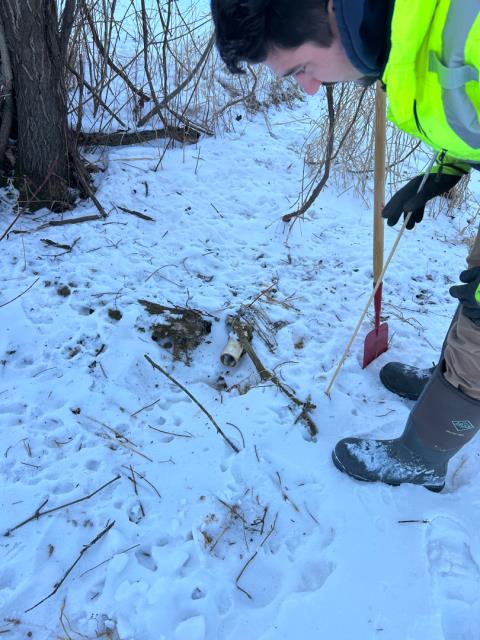
Walk around your property, looking for signs of wear or damage that could exacerbate drainage issues during stormy seasons. Be vigilant for any unusual wet spots in your yard, as these may indicate a hidden problem, particularly after a heavy downpour.
Inside your home, listen for gurgling sounds in your pipes, which can signal potential blockages or improper venting that may be more common in older homes.
Test all faucets and drains to ensure water flows smoothly and quickly, especially during peak usage times. In areas with high humidity, don’t overlook the basement or crawl spaces, as these can be prone to moisture buildup and water damage if not regularly monitored.
Clear Debris From Gutters and Downspouts
After inspecting your drainage system for potential issues, it’s important to focus on clearing debris from gutters and downspouts. In regions where heavy rainfall or falling leaves are common, keeping your gutters clear is essential to prevent water from overflowing and potentially damaging your home.
Here are steps to ensure your gutters and downspouts are free from blockages:
- Gather Your Tools: Make sure to have gloves, a sturdy ladder, a scoop, and a garden hose ready. Prioritize safety by ensuring your ladder is stable, especially if you’re working on a sloped roof or in windy conditions.
- Remove Debris: Use the scoop to clear out leaves, twigs, and any other debris that may have accumulated, particularly if your home is surrounded by trees. Start from one end and work your way to the other to ensure thorough cleaning.
- Flush With Water: Once you’ve cleared the debris, use the garden hose to flush out any remaining dirt and to check for clogs in the downspouts. If you live in an area that experiences heavy rains, it’s wise to be particularly diligent about this step.
- Inspect Fasteners: After cleaning, take a moment to confirm that all gutter fasteners are secure. This will help prevent sagging or leaks, which can be especially problematic in regions prone to heavy storms.
Use Natural Solutions to Unclog Drains
Clogged drains can be a significant inconvenience, especially in areas where heavy rainfall or seasonal debris can lead to frequent blockages. Before resorting to harsh chemicals, it’s wise to explore natural solutions that are both effective and eco-friendly.
Start by boiling a pot of water and pouring it down the drain to help loosen any stubborn debris.
Next, mix half a cup of baking soda with half a cup of vinegar. This bubbly concoction is great for breaking down build-up that can occur in drains, particularly in places where grease or food particles may accumulate. Pour this mixture into the drain and allow it to sit for about 15 minutes.
Following this, flush the drain with another pot of boiling water to clear out any remaining residue.
This method is simple and avoids bringing harmful substances into your home, which is particularly important in regions where water quality is a concern.
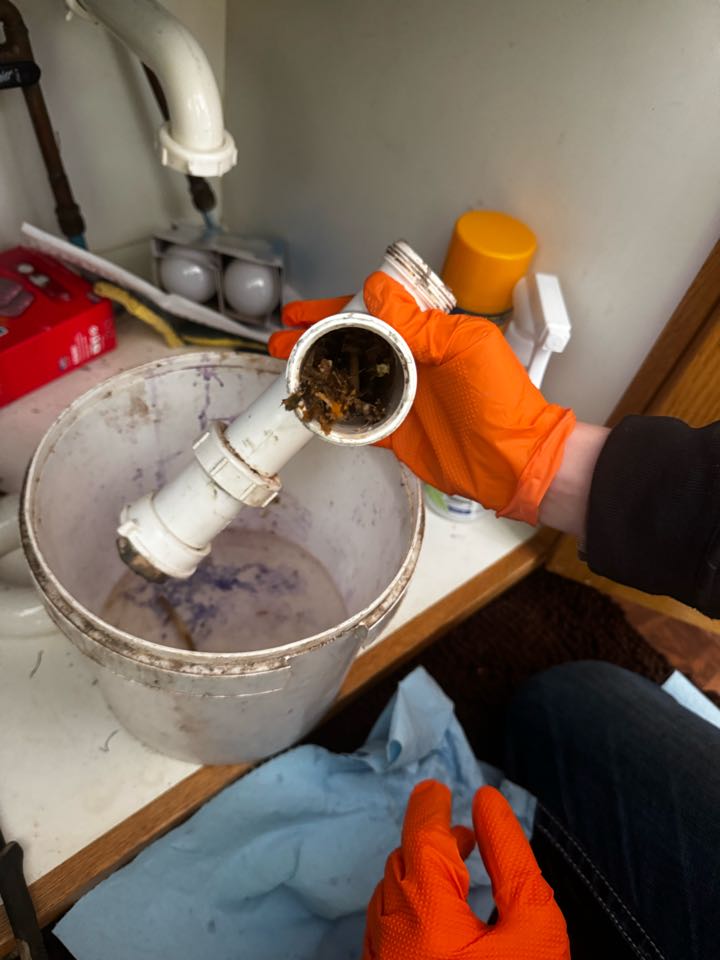
If you encounter a particularly stubborn clog, consider using a plunger or a plumbing snake to physically dislodge the blockage.
Maintain Proper Grading Around Your Home
Beyond keeping your drains clear with natural solutions, it’s crucial to prioritize proper grading around your home, especially given the unique challenges posed by local weather patterns.
Incorrect grading can lead to water pooling around your foundation, which can cause significant damage over time. To ensure effective drainage, follow these steps:
- Evaluate the Slope: Walk around your property and check if the ground slopes away from the foundation. Ideally, there should be a drop of about 6 inches over the first 10 feet, which is particularly important in areas prone to heavy rainfall.
- Add Soil Where Needed: If you notice low spots, fill them with soil to create a proper slope. Compact the soil thoroughly to prevent settling, especially in regions where soil may shift due to moisture changes.
- Check Gutters and Downspouts: Ensure that your gutters and downspouts effectively direct water at least 5 to 10 feet away from your home. This is especially vital in areas where sudden downpours can overwhelm drainage systems.
- Inspect Regularly: Regularly inspect your property for signs of erosion or changes in grading that might affect drainage, particularly after storms. Local vegetation can also play a role in maintaining soil stability.
Proper grading is essential for protecting your home from potential water damage, especially in climates that experience fluctuating conditions.
Install and Clean Drain Screens
One effective way to prevent debris from clogging your drains is by installing and regularly cleaning drain screens. In areas prone to heavy rainfall or seasonal flooding, such as those near rivers or lakes, these handy tools can be particularly beneficial as they catch food particles, hair, and other debris before they can cause blockages.
To start, purchase screens that fit your sink, shower, and bathtub drains. Most home improvement stores in the region offer a variety of options suitable for different types of plumbing systems.
Once installed, make it a habit to clean them weekly. Simply remove the screen and rinse off any accumulated debris. For stubborn buildup, use a small brush or an old toothbrush to scrub it away.
In regions with high humidity, this buildup can occur more rapidly, so regular cleaning is essential. Maintaining your drain screens guarantees maximum efficiency and prolongs the lifespan of your plumbing system.
Check and Repair Leaky Pipes
When it comes to maintaining a healthy plumbing system, checking and repairing leaky pipes is crucial, especially in regions where temperature fluctuations can cause pipes to expand and contract.
Leaky pipes can lead to water damage, increase your water bill, and promote mold growth. Here’s how you can tackle this issue:
1. Identify Leaks: Regularly inspect your pipes for signs of leaks, such as water spots, drips, or rust.
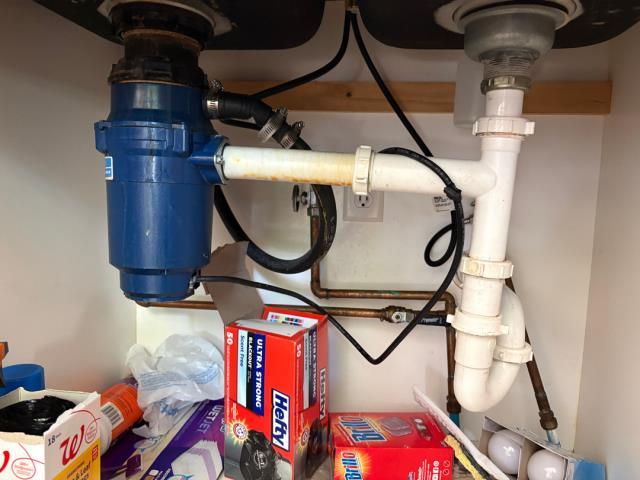
Pay attention to areas under sinks and near water heaters, particularly in basements or crawl spaces that may be prone to moisture.
2. Fix Small Leaks: Use plumber’s tape or epoxy to seal minor leaks.
These quick fixes help prevent further damage until you can make permanent repairs. In regions with older plumbing systems, this can be especially important as wear and tear may be more prevalent.
3. Replace Damaged Pipes: For extensive damage, consider replacing sections of pipes.
Be certain you turn off the water supply before starting. In areas where pipes are more susceptible to freezing, it may be wise to insulate exposed pipes to avoid future issues.
4. Maintain Regular Checks: Schedule periodic inspections to catch leaks early, saving time and money in the long run.
In locations with heavy rainfall, it’s advisable to check for leaks more frequently, as the added pressure can exacerbate existing issues.
Insulate Pipes for Winter Protection
As winter approaches, insulating your pipes becomes a crucial task to prevent freezing and bursting, especially in regions where temperatures can plummet.
Start by identifying pipes located in unheated areas such as basements, attics, and garages, which are particularly vulnerable to the cold. Depending on your local climate, these areas may experience significant temperature drops, making insulation even more important.
Use foam pipe insulation or heat tape to wrap these susceptible pipes, both of which are typically available at local hardware stores. Be sure to measure your pipes’ diameter to ensure you choose the right size for a snug fit.
Secure the insulation with cable ties or duct tape, paying careful attention to eliminate any gaps that could expose the pipes to cold air. It is particularly important to focus on bends and joints, as these areas are more prone to freezing.
In regions that experience harsh winters, insulated pipes can help maintain a stable temperature, significantly reducing the risk of costly water damage. By taking these preventative steps, you’ll gain peace of mind and ensure a warmer, safer home throughout the winter months.
Conclusion
By taking a proactive approach to your home’s drainage maintenance, you can prevent potential issues and avoid costly repairs, especially given the unique weather patterns and soil conditions in Sauk Rapids. Regular inspections are crucial, as heavy rains can lead to rapid accumulation of debris in your drainage system. Clearing out this debris and utilizing natural unclogging solutions can help maintain optimal flow.
Moreover, ensure that your property has proper grading to direct water away from your foundation, which is particularly important in an area prone to spring runoff. Cleaning drain screens regularly is essential for preventing blockages, especially during the fall when leaves are abundant.
Keep an eye out for any leaks in your system, as they can worsen over time. Additionally, insulating your pipes is a wise step to protect against the harsh winter temperatures that can cause freezing and potential damage. By following these straightforward DIY steps, you can ensure your home remains safe, efficient, and well-prepared throughout the year.