DIY Guide: Maintain Your Sewer Lines Effectively
Maintaining your sewer lines might not be glamorous, but it’s essential for avoiding costly repairs and unpleasant surprises, especially in areas prone to heavy rainfall or seasonal flooding. You don’t need to be a plumbing expert to tackle basic upkeep. With some simple tools and a bit of know-how, you can keep your pipes in top shape.
In regions where tree roots are common, taking preventative measures to protect your sewer lines from invasive roots is crucial. Regularly inspecting your yard for any signs of root intrusion can save you from significant issues down the line. Additionally, in areas with older infrastructure, being vigilant about potential blockages from grease buildup is important.
Before you know it, you’ll be armed with practical tips to prevent clogs, detect issues early, and ensure your plumbing system runs smoothly. Curious about how to get started?
Recognizing the Warning Signs of Sewer Line Issues
A well-functioning sewer line is essential for a smoothly running household, particularly in areas with older infrastructure or heavy rainfall. Recognizing the early warning signs of sewer line issues can save you from costly repairs.
Keep an eye out for slow draining sinks or bathtubs, as these often indicate a blockage forming in your sewer line. In regions prone to tree roots, be vigilant for multiple drains clogging simultaneously, which can be a significant red flag.
Gurgling sounds from your toilet, especially after using other fixtures, can hint at trapped air caused by a blockage. This is particularly common in neighborhoods with aging sewer systems.
Additionally, foul odors emanating from drains or your yard could suggest a leak or crack, a concern heightened during wet seasons when sewer systems are put under extra pressure.
If you notice lush patches of grass above your sewer line, it might indicate a leak enriching the soil. Acting quickly on these signs can prevent further damage and costly disruptions to your home.
Tools and Materials You’ll Need
Having recognized the warning signs, you’re now ready to equip yourself for maintaining your sewer lines, especially considering the unique challenges posed by our local environment.
First, gather a pair of sturdy rubber gloves to protect your hands from grime and bacteria. The clay and heavy soil in the area can lead to clogs, making a drain snake or auger essential for breaking up blockages that may be deep within the pipes. For lighter blockages, a plunger can be surprisingly effective, particularly in older homes where the plumbing may not be as forgiving.
Additionally, given the occasional heavy rainfall in our region, a sewer jetter that attaches to your garden hose is invaluable for blasting away stubborn debris with high-pressure water. You might encounter tree roots infiltrating pipes, so this tool can be especially effective in those situations.
Don’t forget a flashlight for clear visibility inside dark pipes, as the older infrastructure can often lead to low-light conditions. A bucket can help catch any overflow, and a pair of safety goggles is vital to shield your eyes during the process.
Lastly, considering the seasonal changes, keep some enzyme-based drain cleaner handy for regular maintenance and prevention to help combat the buildup that can occur after heavy rains or during fall leaf drop.
Inspecting Your Sewer Lines for Damage
Before embarking on the maintenance process, it’s crucial to inspect your sewer lines for any signs of damage, especially considering the unique environmental challenges faced in our area.
Begin by checking for visible leaks or pooling water around your property, which may indicate a broken or cracked pipe. This is particularly important in regions prone to heavy rainfall or flooding, as excess moisture can exacerbate these issues.
Listen for gurgling sounds when water drains; these can signal potential trouble within the lines, especially if your neighborhood has older infrastructure.
Additionally, be aware of any unusual odors near drains or outside, as these may hint at problems with your sewer system that could be aggravated by local soil conditions.
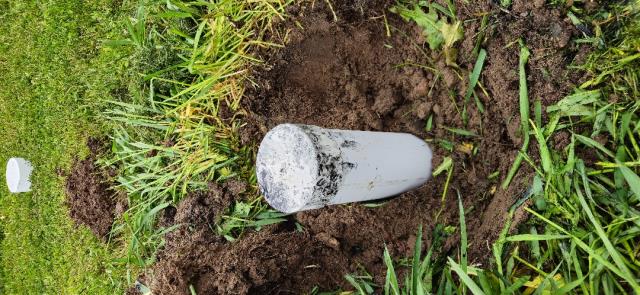
Use a flashlight to examine access points like cleanouts for blockages or corrosion. In many cases, tree roots are a common culprit in our area, infiltrating sewer lines and causing significant damage over time.
If you have access to a sewer camera, it’s an excellent tool for inspecting the interior condition of your pipes, allowing you to identify issues that may not be visible from the outside.
Clearing Blockages the Right Way
When faced with a blocked sewer line, especially in areas prone to heavy rainfall or old infrastructure, it’s essential to clear the obstruction correctly to prevent further damage.
Start by identifying the blockage location, as tree roots are a common issue in many neighborhoods, often infiltrating pipes. Use a plunger to attempt to dislodge simple clogs; ensure you create a good seal for effective pressure.
If that doesn’t work, try a drain snake, inserting it into the pipe and twisting to break up the blockage. Don’t force it, as this could damage the pipes.
In regions with hard water, mineral buildup can contribute to stubborn clogs. For such situations, consider a mixture of baking soda and vinegar. Pour it down the drain and let it sit for a few hours before flushing with hot water.
If these methods fail, calling a local professional is the best course of action to avoid worsening the situation, particularly in areas where plumbing systems may be vulnerable to severe weather or age-related issues.
The Importance of Regularly Flushing Your Sewer System
Regularly flushing your sewer system is crucial for avoiding costly repairs and ensuring a healthy home environment, especially in areas prone to heavy rainfall or flooding.
In regions with clay soil, for instance, tree roots can infiltrate pipes, leading to blockages. It’s important to clear away debris and buildup that can exacerbate these issues. Using high-pressure water or enzymatic cleaners can effectively wash away waste and prevent serious complications.
This routine maintenance not only helps keep your pipes flowing smoothly but also reduces unpleasant odors that can arise, particularly in humid climates where stagnant water may linger.
Neglecting regular maintenance can lead to significant problems, which may require professional intervention.
In many localities, it’s advisable to flush your system every few months to stay ahead of potential issues. This proactive approach helps you avoid unexpected problems and extends the lifespan of your plumbing system.
Remember that taking a few simple steps now can spare you from major headaches down the line. Keeping your sewer system in excellent condition is a wise investment in your home’s long-term health.
Preventing Root Intrusion in Sewer Lines
Tree roots are surprisingly one of the most common causes of sewer line blockages in many regions. Their persistent search for moisture can lead them to infiltrate your pipes, resulting in clogs and potential damage.
In areas with a high concentration of trees, such as those with lush parks or dense neighborhoods, this issue can be particularly pronounced. To mitigate this risk, start by assessing the proximity of any trees or shrubs to your sewer line. It may be wise to consider replacing them with species known for having less aggressive root systems or relocating them to a safer distance.
Routine inspections of your sewer lines are crucial, especially in locations where heavy rainfall or irrigation practices can exacerbate root growth. Look out for early signs of intrusion, such as slow drainage or unusual gurgling noises.
Installing a root barrier can serve as an effective physical deterrent between the roots and your pipes. Additionally, utilizing a foaming root killer can help to manage and reduce root encroachments effectively.
Being proactive by scheduling regular inspections with a local plumbing expert can help identify any potential root issues early on, ensuring that your sewer lines remain clear and functional.
Maintaining Proper Drainage Around Your Home
Ensuring proper drainage around your home is crucial for protecting your sewer lines and preventing water damage. In regions prone to heavy rainfall or snowmelt, such as the Northwest, it becomes even more important to manage water runoff effectively.
Start by inspecting your gutters and downspouts. They should be clear of debris and effectively directing water away from the foundation to minimize the risk of pooling. In areas with clay soil, which retains moisture, it’s advisable to extend downspouts at least five feet from your home.
Next, check the ground slope around your property. A gentle slope away from your foundation is essential, particularly in areas where the ground tends to settle or shift. This slope helps water flow away, reducing the risk of it infiltrating sewer lines.
Lastly, pay close attention to your landscaping. In regions with dense vegetation, ensure that plants and mulch are positioned at a safe distance from your home to prevent moisture accumulation near the foundation. This will help maintain dryer conditions and protect against potential water damage.
- Gutters and Downspouts: Regularly clear any clogs and ensure they direct water efficiently away from the house.
- Ground Slope: Establish a gentle slope that encourages water to flow away from the foundation.
- Landscaping: Keep plants and mulch at an appropriate distance from your home to avoid trapping excess moisture.
Natural Solutions for Sewer Line Maintenance
When it comes to maintaining sewer lines in areas prone to heavy rainfall or seasonal flooding, natural solutions can be both effective and eco-friendly. For instance, using baking soda and vinegar is a great approach. Pour half a cup of baking soda down the drain, followed by a cup of vinegar. Let it fizz for about 15 minutes, then flush it with hot water. This combination helps break down minor clogs and eliminates odors, which can be particularly helpful in regions where dampness can lead to unpleasant smells.
Another effective method is using enzyme-based cleaners. These natural products contain bacteria that consume organic waste, which is especially beneficial in areas where roots from nearby trees may infiltrate pipes. Just follow the package instructions for the best results, ensuring you’re taking local conditions into account.
Regularly pouring hot water down your drains can also help remove grease buildup, which can be more common in neighborhoods with a high concentration of restaurants or food services.
Scheduling Routine Professional Inspections
While natural solutions are essential for maintaining sewer lines, scheduling routine professional inspections is equally important, especially in areas prone to heavy rains or shifting soils.
Local environmental factors can lead to unique challenges, such as tree root intrusion or sediment buildup, which mightn’t be immediately visible. Professionals have the tools and expertise to identify potential issues before they escalate into expensive repairs.
Even if your sewer lines appear to be functioning well, an expert can detect subtle signs of trouble that may go unnoticed.
Here are a few reasons why professional inspections are crucial:
- Early Detection: Professionals can spot small cracks or clogs that you might overlook, helping to prevent significant issues down the line.
- Advanced Equipment: They utilize specialized tools, such as high-definition cameras, to conduct thorough inspections of your sewer lines, a capability that goes beyond typical homeowner tools.
- Peace of Mind: Regular inspections provide reassurance that your sewer lines are in good condition, reducing stress and ensuring your home’s plumbing system operates smoothly.
Don’t neglect these inspections; they contribute to the long-term health of your plumbing system and can save you from future headaches.
Dealing With Persistent Sewer Line Problems
If you’re dealing with persistent sewer line problems, especially common in areas with older infrastructure, there are practical steps you can take to address them effectively.
First, recognize the symptoms. Slow drains, frequent backups, or unusual odors can indicate a deeper issue. Using a plumbing snake can help clear minor blockages that are often caused by everyday debris. For tougher clogs that might arise from grease buildup or foreign objects, employing a high-pressure water jet can be beneficial in breaking up stubborn debris.
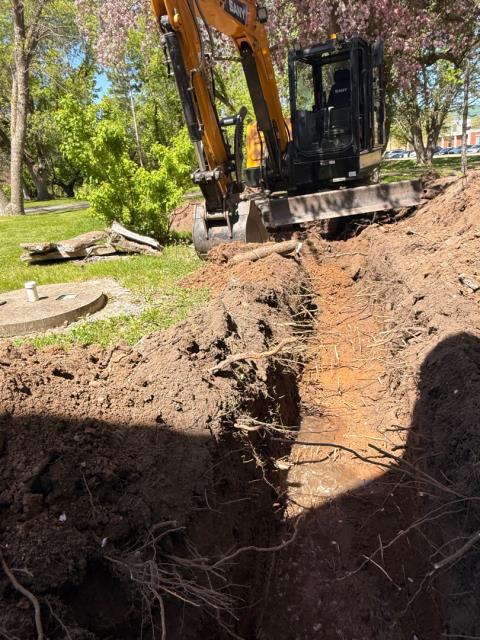
In many regions, tree roots pose a significant challenge, as they’re notorious for invading sewer lines and causing serious disruptions. While root-killing chemicals can provide some relief, they may not be sufficient for severe invasions. In such cases, it may be wise to explore trenchless repair methods, which can minimize disruption to your property and landscape.
Regular maintenance checks are crucial, especially in areas prone to flooding or heavy rainfall, which can exacerbate sewer line issues.
If problems persist, scheduling professional inspections can help you catch underlying issues before they escalate into costly repairs. Staying proactive with your sewer line maintenance will help prevent extensive damage and keep your systems functioning smoothly.
Conclusion
By keeping an eye on your sewer lines and addressing issues promptly, you can prevent costly repairs and maintain a healthy plumbing system. In areas prone to heavy rainfall, be aware that excess water can overwhelm your sewer lines, leading to backups. Use tools like drain snakes and plungers for minor clogs, and don’t underestimate the effectiveness of hot water and enzyme-based cleaners, especially in regions where tree roots may invade the pipes. Regular inspections and flushing are essential, particularly in older neighborhoods where pipes may have deteriorated. When necessary, don’t hesitate to seek professional help. Stay proactive, and you’ll enjoy a fresh-smelling, efficient sewer system for years to come. Your home will thank you!