DIY Home Plumbing Maintenance Tips
You’ve likely encountered a plumbing issue or two, especially with the unique challenges posed by local weather conditions and older home infrastructures. But don’t worry—it happens to everyone. Tackling these issues yourself can save you both time and money. By understanding common problems, such as frozen pipes in winter or clogged drains affected by local foliage, and having the right tools on hand, you’ll be prepared for almost anything. Imagine confidently repairing a leaky faucet or clearing a sink that struggles with debris from nearby trees. Curious about how to keep your plumbing system in top shape? There’s more to discover beyond just basic fixes, including seasonal maintenance tips tailored to our area’s specific environment.
Identifying Common Plumbing Issues
Plumbing problems can be a real headache, especially in areas with older infrastructure or fluctuating weather conditions. Identifying them early can save you time and money.
In regions prone to heavy rainfall, keep an eye out for slow drains, which often point to clogs caused by debris or sediment buildup. Listen for unusual sounds like gurgling from your pipes or toilets; these can signal venting issues that might be exacerbated by local plumbing systems.
Water stains on ceilings or walls might indicate hidden leaks, which can be more common in areas with shifting soil or older homes. Don’t ignore dripping faucets or running toilets, as they waste water and can significantly inflate your water bills over time.
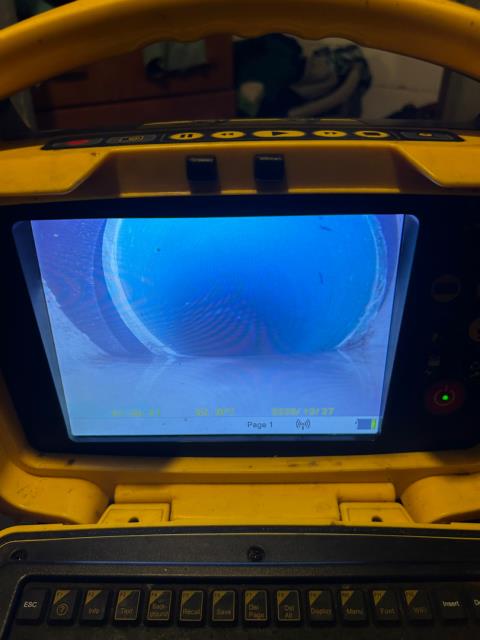
Notice any changes in water pressure, which might suggest pipe blockages or leaks that could worsen due to temperature fluctuations. Additionally, check for any unpleasant odors around sinks or drains, as they could mean a sewer line issue, particularly in regions with aging sewer systems.
Essential Tools for DIY Plumbing
Spotting plumbing issues early can help avoid expensive repairs, but having the right tools is equally crucial for any DIY enthusiast. In areas where older infrastructure may be common, having the right equipment can make all the difference.
Here are three essential tools to have on hand when tackling local plumbing challenges:
- Pipe Wrench: This adjustable tool is designed to grip pipes and fittings securely. It’s particularly useful in regions where older pipes may be rusted or corroded, allowing you to loosen or tighten them without causing further damage.
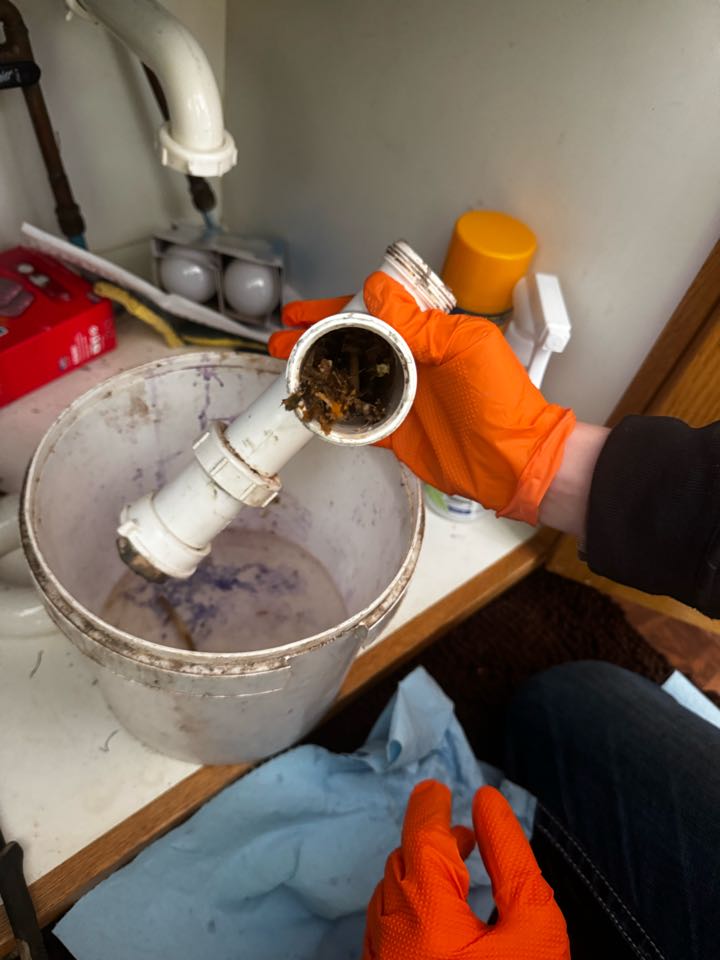
- Plunger: A reliable plunger is a must for dealing with clogged toilets and sinks, especially in areas where tree roots or older plumbing systems can lead to more frequent blockages. Its suction power effectively dislodges stubborn clogs quickly.
- Plumber’s Tape: Often referred to as Teflon tape, this essential material seals pipe threads, helping to prevent leaks that can arise from temperature fluctuations or aging pipes. Wrapping it around threads before making connections ensures a tight seal, which is particularly important in climates with extreme weather conditions.
Equipping yourself with these basic tools will prepare you to handle most plumbing tasks effectively, ensuring you can tackle any issues that arise in your home.
How to Fix a Leaky Faucet
A leaky faucet can be an annoying and costly problem, especially in areas prone to drought where water conservation is crucial. To fix it, start by turning off the water supply under the sink.
If you’re in a region with older plumbing systems, be extra cautious, as rust or corrosion can complicate repairs. Plug the drain to avoid losing small parts that can easily fall into older sink designs.
Use a wrench to remove the handle and reveal the valve. Check for worn-out washers or seals; these are common culprits, especially in climates with fluctuating temperatures that can wear out materials faster.
You can find replacement parts at local hardware stores, many of which may offer advice tailored to the common plumbing issues in the area.
Once you have replaced any damaged parts, reassemble the faucet, ensuring everything is tight. Turn the water back on and test the faucet.
If it still leaks, you may be dealing with a deeper issue, such as a faulty valve, which could necessitate consulting a local plumber familiar with regional plumbing standards.
Regular maintenance can prevent future leaks, so make faucet checks part of your routine, especially in environments where water is a precious resource.
Clearing a Slow-Draining Sink
After fixing a leaky faucet, you may encounter another common issue: a slow-draining sink. Fortunately, this is a problem you can tackle too. Here are some steps to follow, considering the specific challenges you might face in your area:
- Boiling Water: Begin by pouring a kettle of boiling water down the drain. This can help clear minor clogs caused by grease or soap buildup, which are often exacerbated by local water quality.
- Baking Soda and Vinegar: Combine 1/2 cup of baking soda with 1/2 cup of vinegar. Pour this mixture down the drain and allow it to fizz for about 15 minutes. Afterward, rinse with hot water to help flush out any lingering debris that may have accumulated due to local plumbing conditions.
- Plunger: Utilize a cup plunger to dislodge more stubborn clogs. Ensure there’s enough water in the sink to cover the plunger’s rubber cup, and then plunge vigorously. This method is particularly effective in areas where clogs may be more frequent due to older plumbing infrastructure.
Troubleshooting a Running Toilet
When your toilet won’t stop running, it can be both an annoyance and a drain on your water bill. In many areas, especially those prone to hard water, mineral buildup can affect the components inside the tank.
First, check the flapper in the tank. It’s often the culprit when it’s worn or misaligned, allowing water to seep into the bowl. Turn off the water supply, flush, and inspect the flapper. If it’s damaged, replacing it with a more durable option can help combat issues caused by hard water.
Next, examine the float. In regions where water pressure is high, the float might be set too high, causing the water to overflow into the overflow tube. Adjusting the float’s height can help prevent excess water from running continuously.
Furthermore, inspect the fill valve for debris or wear, as local sediment can accumulate and impair its function. Cleaning or replacing the valve can resolve many running toilet issues.
Finally, check the chain connecting the flapper and handle. Ensure it isn’t too loose or tight to maintain proper tension. In areas with fluctuating temperatures, the plastic components can become brittle, so consider using more resilient materials if you find frequent issues.
Preventative Measures to Maintain Your Plumbing System
Fixing a running toilet is just the beginning of ensuring your plumbing system operates efficiently. To prevent future issues, it’s essential to adopt a proactive maintenance strategy. Regular inspections can identify problems before they escalate into costly repairs.
Here are some preventative measures tailored to common local plumbing challenges:
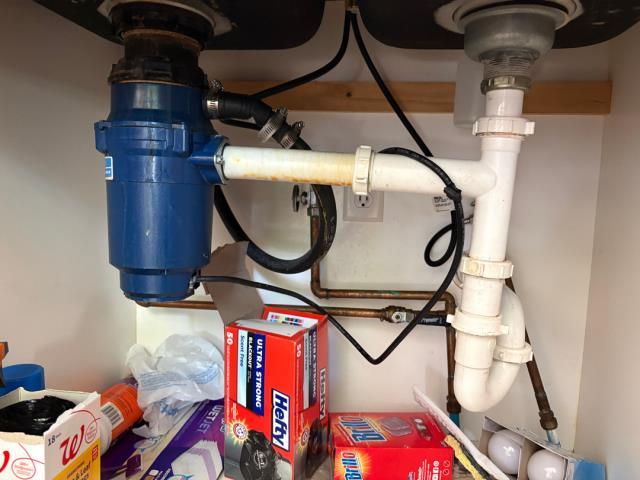
- Inspect for Leaks: Regularly examine under sinks and around toilets for any signs of water leakage. In areas where humidity levels can fluctuate, catching leaks early is crucial to prevent mold growth and more extensive damage down the line.
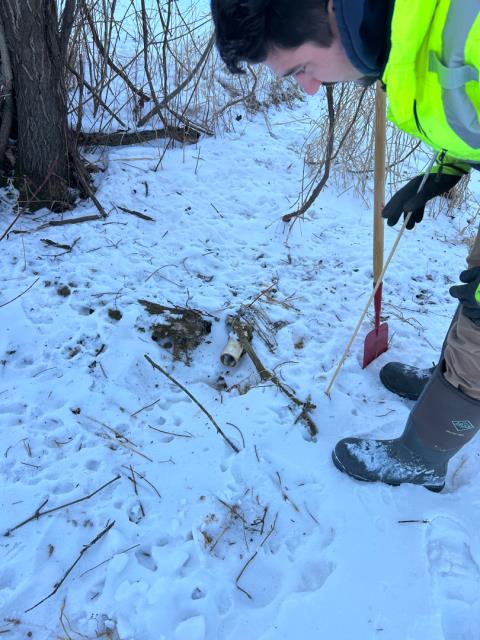
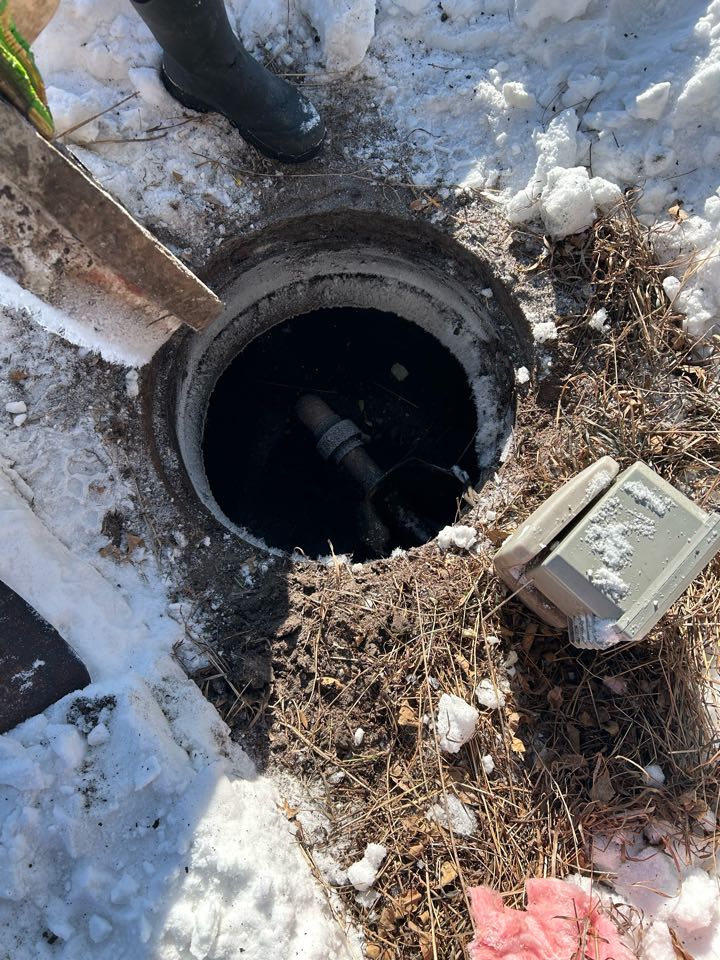
- Clean Drains: Employ a natural drain cleaner on a monthly basis to keep your pipes clear. Given the region’s unique soil composition, be cautious of tree roots that can infiltrate underground pipes. Avoid using harsh chemicals, as they can be detrimental to your plumbing system over time.
- Monitor Water Pressure: High water pressure can put unnecessary strain on your plumbing. Invest in a pressure gauge to ensure your water pressure remains within a safe range, typically between 40-60 psi. In areas prone to seasonal fluctuations, it’s wise to check this regularly to avoid potential pipe bursts during extreme weather conditions.
Conclusion
You have the tools and knowledge to tackle common plumbing issues that may arise in your area. For instance, in regions where hard water is prevalent, mineral buildup can clog pipes over time. Addressing this problem early with simple solutions like boiling water or a mix of baking soda and vinegar can help keep your drains clear and water flowing smoothly.
In addition, be sure to regularly check for leaks, especially in older homes where pipes might be rusty or corroded. Monitoring water pressure is also crucial, as fluctuations can lead to significant issues down the road. By staying proactive with these DIY tips, you can maintain a healthy plumbing system and ensure that your home’s waterworks operate efficiently and effectively.