Drain Dilemmas: Clogs & How to Dodge Them
Clogged drains can be particularly troublesome, disrupting your daily routine and plumbing system. In areas where humidity is high, such as coastal regions, hair and soap scum tend to accumulate more quickly, leading to blocked drains. Additionally, in neighborhoods with older plumbing systems, grease buildup from cooking can exacerbate the issue, as many residents may not be aware of proper disposal practices. Luckily, there are effective strategies to prevent these problems before they worsen. So, what actions can you take to maintain clear drains? Let’s delve into some practical solutions tailored to your local environment that can help you avoid the frustration of unexpected blockages.
Common Causes of Clogged Drains
Clogs can occur unexpectedly, often stemming from everyday habits that may go unnoticed. In this region, hair is a significant contributor to drain issues, frequently accumulating in shower and bathroom sink drains.
Additionally, if one isn’t cautious about what gets flushed, items like wipes and other non-biodegradable products can cause serious blockages, which can be particularly troublesome in local plumbing systems.
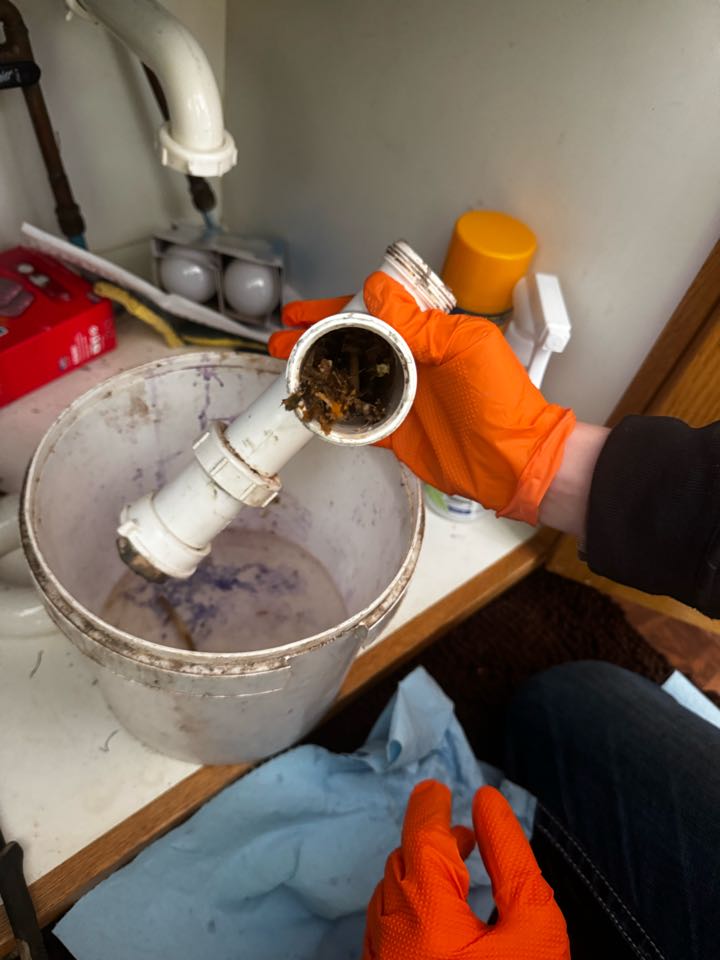
In kitchens, soap residue commonly combines with food particles, creating a stubborn sludge that adheres to pipes, especially in areas where cooking styles may lead to more grease and debris.
Moreover, mineral buildup from hard water, prevalent in many homes here, can exacerbate clogging problems over time.
To mitigate these common challenges, regular maintenance is essential. Utilizing drain strainers and periodically rinsing your pipes with hot water can make a significant difference in maintaining smooth flow and preventing costly plumbing issues in the long run.
Kitchen Sink Clogs: Food and Grease Build-Up
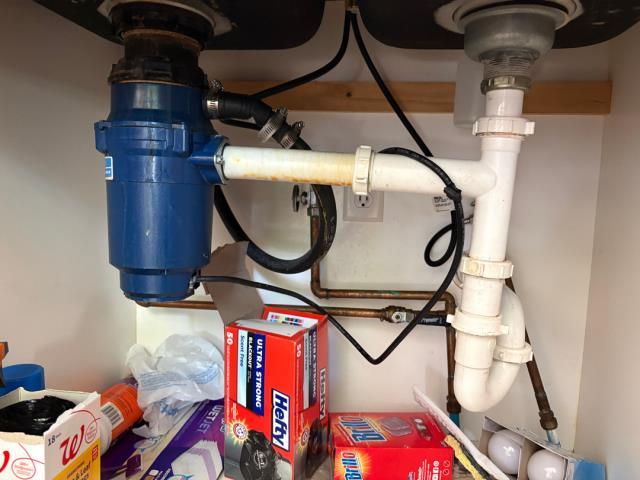
When preparing a meal in the heart of the city, it’s easy to overlook how food scraps and grease can accumulate in your kitchen sink, leading to frustrating clogs.
In urban areas where older plumbing systems are common, you might think rinsing dishes is enough, but tiny particles and oily residue can build up over time, narrowing the pipes even further.
To prevent this, make it a habit to scrape excess food into the trash instead of washing it down the drain. Using a grease container for oily substances is crucial, especially since local waste management services often discourage pouring grease down the sink.
After washing dishes, running hot water can help flush the pipes and keep them clear. Regularly cleaning your sink and utilizing a strainer can also catch debris before it enters the drain.
Shower and Bathtub Blockages: Hair and Soap Residue
Shower and bathtub blockages can be a significant nuisance, particularly in areas where hard water is prevalent. This can lead to mineral buildup in addition to the common culprits of hair and soap residue.
To keep your drains flowing smoothly, consider these tailored steps:
- Install a drain cover to catch hair, especially in regions where longer hair is common, preventing it from entering the plumbing system.
- Rinse your tub or shower after each use to help prevent soap scum buildup, a particular issue in areas with higher humidity.
- Regularly clean your drain using a mixture of baking soda and vinegar, which can effectively break down the residue that accumulates, especially in older plumbing systems.
- Schedule routine maintenance with a local plumber who understands the specific challenges posed by the area’s water quality and plumbing infrastructure.
Toilet Troubles: Flushing the Wrong Items
Toilet troubles often arise from flushing the wrong items, which can lead to frustrating blockages and costly repairs.
In our area, with its unique plumbing systems and older infrastructure, the risks of clogs are even higher. You might think that anything small can go down the toilet, but that’s a common misconception. Items like wipes, paper towels, and feminine hygiene products don’t break down easily and can quickly clog your pipes. Even so-called “flushable” wipes often cause issues here.
Additionally, avoid flushing food scraps, dental floss, and cotton balls; they can create nasty backups that are particularly troublesome in our local sewage systems.
Always remember that your toilet’s primary purpose is for human waste and toilet paper only. By being mindful of what you flush, you can save yourself the headache of a clogged toilet and the inconvenience of needing a plumber.
Keeping it simple won’t only benefit your plumbing but also help maintain the overall health of our community’s wastewater system. Your toilet will thank you for it!
Tree Roots: The Hidden Culprit
Tree Roots: The Hidden Culprit
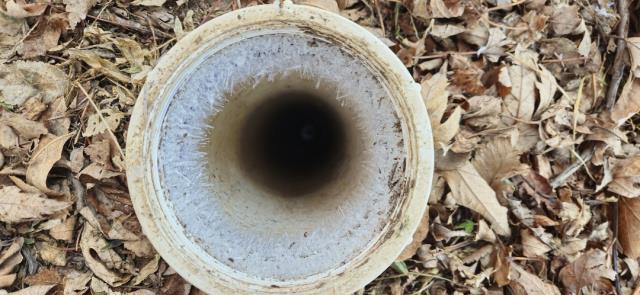
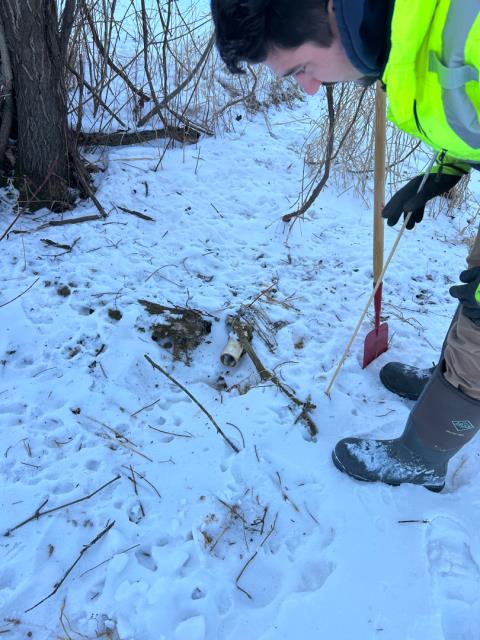
When it comes to plumbing hazards, tree roots can often be overlooked, yet they’re a significant factor behind serious drainage problems. In our region, where lush greenery and mature trees are abundant, these roots actively seek out moisture. If they find their way into pipes, they can create substantial blockages.
Homeowners may notice slow-draining sinks or gurgling toilets, which could indicate a root invasion. Failing to address these signs can lead to costly repairs and extensive damage.
Consider the following points:
- Roots can infiltrate even the smallest cracks in pipes, especially in older plumbing systems common in our area.
- They thrive in the moist environments found in sewer lines, particularly during our rainy seasons.
- Regular inspections by a local plumbing expert can help identify root issues before they escalate.
- Certain tree species prevalent in our region are more prone to invading plumbing systems, making awareness crucial.
Stay vigilant to protect your drainage from these sneaky offenders, as early detection can save you from future headaches.
Preventive Measures for Clogged Drains
Clogs can sneak up on anyone, especially in areas where heavy rainfall or seasonal changes can lead to excess debris entering your drainage system. However, there are simple preventive measures you can take to keep your drains clear.
First, using drain covers is essential to catch hair and debris, particularly in areas with a high volume of foot traffic. Regularly cleaning these covers ensures they continue to function effectively.
Second, be mindful of what you flush or pour down the sink; avoid grease, coffee grounds, and non-biodegradable items that can contribute to blockages. In locations where certain food items are more common, like seafood remnants, it’s crucial to dispose of them properly rather than rinsing them down the sink.
Third, running hot water through your drains weekly can help break down any buildup that may accumulate over time. You can also use a mixture of baking soda and vinegar monthly to naturally cleanse your pipes, which is particularly effective for dealing with common organic matter found in local households.
Finally, consider scheduling professional drain maintenance annually to catch any potential issues early, especially in areas prone to tree roots invading sewer lines or sediment buildup.
DIY Solutions for Minor Clogs
When you notice a minor clog forming in your drain, addressing it early can help you avoid bigger headaches later on. Fortunately, there are simple DIY solutions you can try before reaching for the phone.
Here are some effective methods to clear those pesky clogs, particularly relevant to our local environment:
- Boiling Water: Pouring boiling water down the drain can dissolve soap scum and grease, which are common in kitchens where cooking oils are frequently used.
- Baking Soda and Vinegar: Mixing equal parts of baking soda and vinegar creates a fizzing reaction that breaks down debris, especially useful in bathrooms where hair and soap residue accumulate.
- Plunger: A trusty plunger can create suction to dislodge clogs. Just remember to cover any overflow openings to maintain pressure.
- Wire Hanger: Straightening a wire hanger can help you fish out hair or other blockages gently, an effective method for those struggling with hair buildup in drains.
These quick fixes can often clear minor clogs efficiently and save you from calling in a professional.
When to Call a Professional Plumber
Knowing when to call a professional plumber is crucial, especially in areas prone to heavy rainfall or flooding, as these conditions can exacerbate plumbing issues.
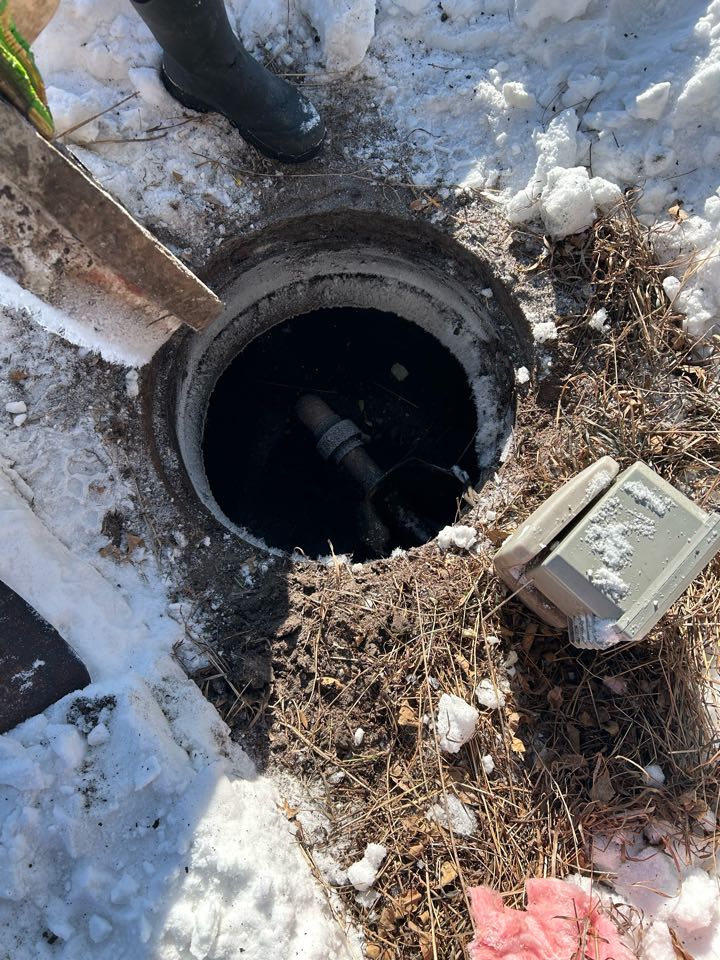
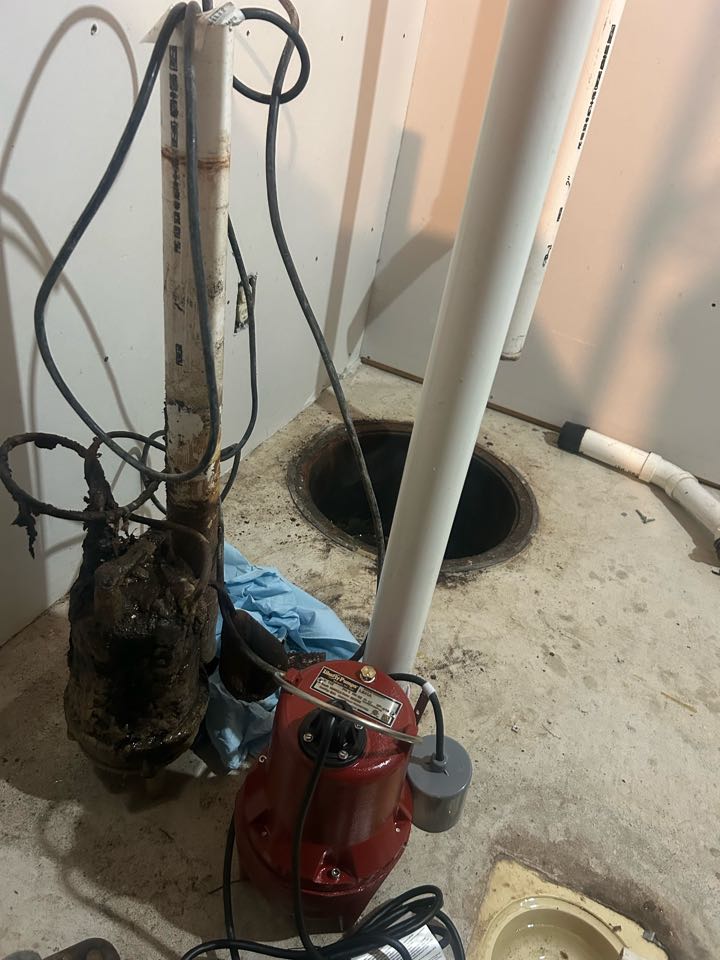
If you’ve attempted DIY solutions and the clog in your pipes remains stubborn, it’s advisable to seek professional assistance. In regions where older plumbing systems are common, multiple clogged drains could signal a more serious issue with your main sewer line, which may require expert intervention.
Be alert to warning signs such as water backing up, unusual noises from your pipes, or unpleasant odors. These symptoms often hint at more significant problems that need to be addressed promptly.
If you’re facing leaking pipes or signs of water damage, it’s important to act swiftly to prevent more extensive repairs down the road, especially in areas with high humidity that can lead to mold growth.
Furthermore, if you’re uncertain about the severity of the plumbing issue or don’t have the necessary tools for a proper fix, contacting a professional can ensure safety and provide an effective solution.
Relying on a qualified plumber can help restore your peace of mind and keep your plumbing system functioning smoothly in any local climate.
Conclusion
By understanding the common causes of drain clogs specific to our area and taking proactive steps, you can keep your plumbing system running smoothly. In this region, issues such as tree root infiltration and grease buildup from local dining establishments can contribute to clogs. Remember to avoid flushing non-biodegradable items, utilize drain covers, and regularly maintain your drains with hot water to combat these challenges. If you encounter stubborn blockages, don’t hesitate to try some DIY solutions, but be aware of when it’s best to call a local professional. With these tips, you can dodge those frustrating drain dilemmas and enjoy hassle-free plumbing in our community.