Eco-Friendly Pipe Repair: Minimizing Environmental Impact
You might not realize it, but your choices in pipe repair can greatly affect the environment, especially in areas where local ecosystems are fragile. By opting for eco-friendly methods, you’re directly contributing to the preservation of these delicate habitats. For example, trenchless technology is particularly beneficial in urban settings where digging trenches can disrupt not only the landscape but also nearby infrastructure and wildlife. This innovative approach allows for pipe repairs to be made with minimal disturbance to the surrounding area, conserving natural resources and significantly reducing carbon emissions. Are you interested in learning how these sustainable practices can protect local ecosystems and promote environmental stewardship?
The Importance of Eco-Friendly Practices in Pipe Repair
When considering the impact of traditional pipe repair methods on the environment, particularly in areas prone to heavy rainfall and unique ecosystems, it becomes clear why eco-friendly practices are essential.
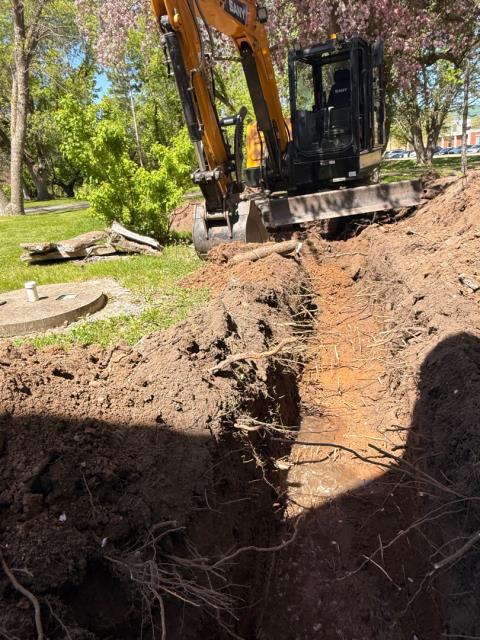
In regions where the landscape is characterized by sensitive wetlands and diverse wildlife, digging trenches for pipe repairs can significantly disrupt local ecosystems, harm native vegetation, and contribute to soil erosion. Additionally, the risk of contaminating groundwater with heavy machinery and construction waste is heightened in communities that rely on clean water sources for their livelihoods.
By opting for eco-friendly methods, homeowners can significantly reduce these environmental risks and promote sustainability in their neighborhoods.
Eco-friendly pipe repair practices emphasize minimizing waste and preserving the unique natural landscapes found in many areas. These methods often incorporate sustainable materials and techniques that have a reduced carbon footprint.
For instance, trenchless technology can be a viable alternative, allowing for repairs to be made without extensive digging, thereby protecting the surrounding environment.
By adopting these practices, not only do residents contribute positively to their local ecosystems, but they also enhance the durability of their pipes, which can lead to less frequent repair needs.
This sustainable approach presents a beneficial solution for both homeowners and the local environment.
Understanding Trenchless Technology
Although traditional pipe repair methods can be disruptive, trenchless technology offers a cleaner, more efficient alternative, particularly in urban areas where space is limited and disruptions can cause significant inconvenience.
In densely populated neighborhoods, you don’t need to dig up large areas of your property or disrupt your daily life. Instead, trenchless methods focus on repairing pipes from within, minimizing damage to the environment and your surroundings.
Here’s how trenchless technology works:
- Pipe Inspection: Professionals use specialized cameras to inspect your pipes, identifying issues without the need for excavation. This is particularly beneficial in older neighborhoods where traditional methods could potentially damage historic infrastructure.
- Pipe Lining: A resin-saturated liner is inserted into the damaged pipe, then cured to form a new pipe within. This method is advantageous in areas with limited access, as it requires minimal digging.
- Pipe Bursting: The old pipe is broken apart as a new pipe is pulled through, seamlessly replacing it. This technique is especially useful in regions with challenging soil conditions, where traditional replacement methods would be more labor-intensive.
- Directional Drilling: New pipes are installed without digging, guided by precise drilling techniques. This is ideal for locations where existing structures or landscaping must be preserved.
This technology reduces waste and conserves resources, making it an environmentally friendly choice for communities looking to maintain their infrastructure without major disruptions.
Benefits of Minimizing Excavation
Trenchless technology not only revolutionizes pipe repair but also highlights the benefits of minimizing excavation, particularly in areas with unique local challenges.
For instance, in regions where residential gardens are a point of pride, traditional methods that require large trenches can lead to the destruction of these cherished spaces. With minimal excavation, homeowners can preserve the natural beauty of their surroundings, avoiding the costly restoration that comes with extensive digging.
Time savings are another significant advantage of trenchless methods. In urban settings where traffic congestion is a common issue, completing pipe repairs quickly becomes essential.
Trenchless technology eliminates the need for extensive digging and refilling, which means less inconvenience for residents and commuters alike. Furthermore, minimizing excavation reduces waste, as there’s less soil and debris to manage.
Reducing Carbon Emissions in Pipe Repair
Embracing pipe repair methods that reduce carbon emissions is essential for a sustainable future, especially in regions where water infrastructure is aging and climate change poses additional challenges.
Innovative approaches that not only fix pipes efficiently but also contribute to lowering your environmental footprint are vital. Here are four key strategies to achieve this:
- Trenchless Technology: Utilizing methods like cured-in-place pipe (CIPP) can be particularly beneficial in urban areas where extensive digging could disrupt traffic and local businesses. This approach minimizes the need for excavation, thereby reducing machinery emissions and preserving the surrounding environment.
- Eco-Friendly Materials: In areas prone to environmental degradation, choosing sustainable materials with lower embodied carbon is crucial. These materials not only help in reducing the overall impact on the environment but also align with local sustainability goals.
- Efficient Equipment: Investing in energy-efficient tools and machinery can significantly reduce power consumption and emissions. In regions facing energy shortages or high pollution levels, using such equipment can aid in mitigating local environmental challenges while ensuring effective pipe repairs.
- Local Sourcing: Sourcing materials locally can greatly minimize transportation emissions, which is especially relevant in areas where long-distance shipping contributes significantly to carbon footprints. This practice not only supports the local economy but also fosters community resilience.
Resource Conservation Through Innovative Methods
Shifting focus from reducing carbon emissions, let’s explore how innovative methods can conserve resources during pipe repair, especially in regions facing unique challenges. For instance, areas prone to heavy rainfall may experience soil erosion and instability, making traditional excavation methods less viable. Trenchless technology emerges as a solution, minimizing the need for extensive digging. This method not only reduces soil disruption but also conserves energy and materials, making it ideal for locations with fragile ecosystems.
In regions where infrastructure is aging, pipe relining offers a practical approach by utilizing existing structures to minimize material waste. This method can be particularly beneficial in urban areas where the replacement of entire sections could cause significant disruption to traffic and local businesses.
Moreover, integrating smart leak detection systems addresses the common issue of water loss, which can be particularly acute in areas with limited water resources. These systems allow for early detection of leaks, enabling prompt repairs before they escalate into larger problems.
Utilizing advanced imaging and robotics for pipe inspection and repairs enhances precision, saving both time and resources.
Impact on Natural Habitats and Ecosystems
When addressing pipe repair, it’s essential to consider the impact on local natural habitats and ecosystems. In regions with sensitive wildlife or unique plant species, it’s particularly important to ensure that repair efforts don’t disrupt the delicate balance of these environments. Neglecting this responsibility can lead to habitat destruction, water contamination, and a decline in biodiversity.
To minimize environmental impact, consider the following steps:
- Assess Environmental Sensitivity: Understand the specific ecological needs of the areas surrounding the repair site, especially if they’re home to endangered species or fragile ecosystems.
- Choose Eco-Friendly Materials: Select sustainable materials that are less likely to release harmful substances into the surrounding environment, particularly in areas near water bodies or wetlands.
- Implement Minimally Invasive Techniques: Utilize methods that decrease physical disruption to the landscape, such as trenchless technology, especially in urban areas where green spaces may be limited.
- Monitor and Rehabilitate: After completing the repairs, maintain ongoing monitoring of the site and take steps to rehabilitate any disturbed areas, aiding in the recovery of local ecosystems.
Case Studies of Successful Eco-Friendly Repairs
Understanding the impact on natural habitats guides us toward more sustainable practices.
Take, for instance, a scenario in the coastal areas of South Carolina, where a water utility faced a pipe burst near an ecologically sensitive marshland. Instead of resorting to traditional repair methods that would have involved significant excavation, they opted for cured-in-place pipe (CIPP) technology. This innovative approach not only minimized digging but also greatly reduced disruption to the local ecosystem. The use of CIPP has proven effective in preserving local wildlife while efficiently addressing pipeline issues.
Another example can be found in the Pacific Northwest, specifically in a city in Oregon that confronted a critical sewer line problem. By choosing trenchless technology, they successfully minimized land disturbance, thereby protecting nearby rivers from potential contamination.
These case studies underscore that eco-friendly repairs aren’t merely a theoretical concept—they are practical and effective solutions. By embracing these methods, utilities aren’t just repairing infrastructure; they’re making a commitment to environmental stewardship and setting a positive example for future projects.
Future Trends in Sustainable Pipe Repair
What does the future hold for sustainable pipe repair in urban environments?
Cities face unique challenges, such as aging infrastructure and increased population density, which make sustainable solutions even more critical.
Here are four key developments to watch that will help address these local challenges:
- Advanced Materials: Innovations in biodegradable and recycled materials for pipes are on the rise, aiming to minimize waste and pollution in urban areas where traditional materials often contribute to landfill issues.
- Smart Technology: The integration of sensors and AI-driven systems for early leak detection is becoming more prevalent. This technology can help municipalities prevent significant water loss and reduce the financial burden associated with extensive repairs.
- Trenchless Techniques: Techniques like cured-in-place pipe will become more common, allowing for repairs with minimal disruption to busy streets and neighborhoods. This approach is particularly beneficial in densely populated areas where excavation can lead to traffic delays and inconvenience for residents.
- Green Certifications: As sustainability becomes a priority, new certifications and standards will emerge. These will assist local governments and contractors in identifying and selecting sustainable products and services that align with community goals for environmental responsibility.
Staying informed and adapting to these trends will be essential for creating a greener future in urban settings.
How to Choose Eco-Friendly Pipe Repair Services
Choosing eco-friendly pipe repair services can significantly reduce your environmental footprint while ensuring the longevity of your plumbing system. In areas prone to heavy rainfall or flooding, the impact of traditional plumbing repairs can be heightened, making sustainable practices even more crucial.
Start your search by identifying companies in your region that prioritize sustainable practices. Look for those that hold certifications or are affiliated with local environmental organizations, as these can indicate a commitment to eco-friendly methods.
In regions with sensitive ecosystems, ask if the company uses trenchless technology, which minimizes land disruption and waste—a critical consideration in areas where wildlife habitats may be affected.
Inquire about the materials they use. It’s beneficial to choose services that utilize non-toxic, biodegradable products, particularly in areas where groundwater contamination is a concern.
Check online reviews and testimonials to ensure they deliver quality and environmentally responsible service. Additionally, consider their waste disposal practices; a reputable company should have a strong recycling and waste management plan, especially in regions with strict environmental regulations.
Finally, gather quotes from several providers to compare both costs and sustainability practices. This approach will help you select a service that aligns with your eco-friendly goals while addressing the unique environmental challenges of your area.
Conclusion
By opting for eco-friendly pipe repair services in our region, you are playing a vital role in safeguarding the environment. The unique challenges faced here, such as aging infrastructure and varying soil conditions, make it essential to adopt trenchless technology and sustainable materials. These innovative methods significantly reduce waste and carbon emissions, which is crucial in conserving our local resources for future generations.
In addition to minimizing environmental impact, these techniques help preserve local ecosystems, particularly in sensitive areas where traditional digging could disrupt wildlife habitats. Furthermore, the enhanced durability of the repaired pipes ensures long-term benefits for our community, reducing the likelihood of future repairs and associated disruptions.
Staying informed about sustainable trends and prioritizing companies that are dedicated to responsible practices is key. By making conscientious choices, you contribute to a healthier planet and a more resilient local environment. Your decisions truly make a difference.