Efficient Septic Tank Maintenance in Rapids
Maintaining your septic tank efficiently in Rapids is essential for the longevity of your system, especially given the unique environmental conditions of the area. Regular inspections and timely pumping every 3-5 years are crucial steps to prevent issues. The high water table in certain parts of Rapids can pose challenges, making it even more important to monitor your water usage and ensure proper waste disposal. Homeowners should be particularly aware of local regulations regarding what can and cannot be flushed or drained into the system. Neglecting these aspects can lead to significant repairs that may disrupt daily life. Interested in specific strategies to keep your septic system running smoothly in Rapids? Let’s delve deeper into effective maintenance practices tailored to our community.
Understanding Your Septic System
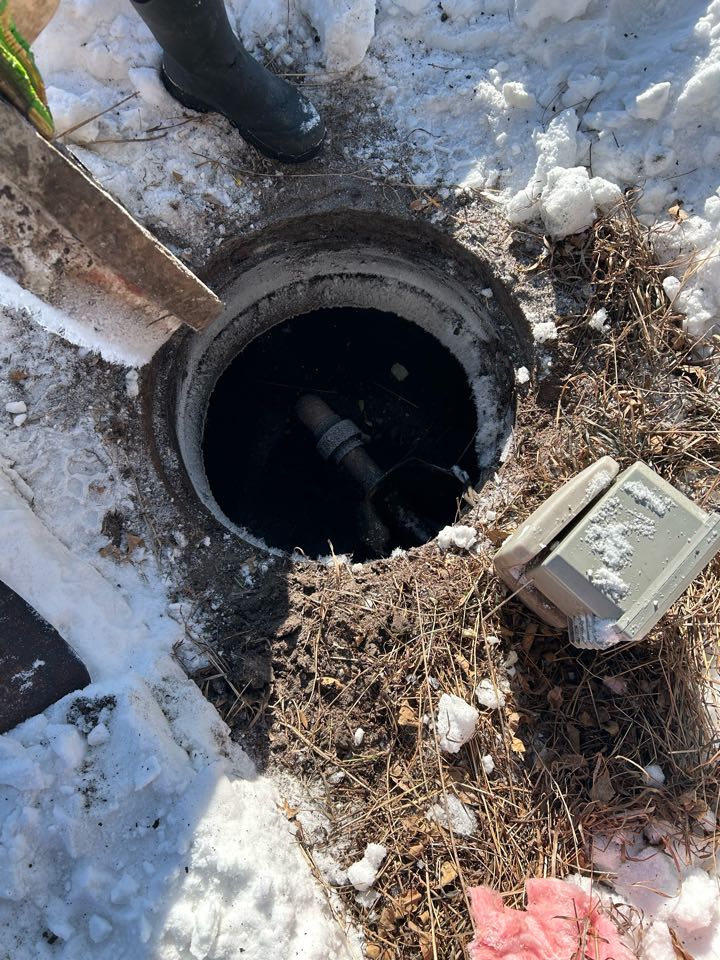
Every homeowner in this region should have a basic understanding of their septic system to ensure its proper functioning. The main components of a septic system include the tank, drain field, and soil. Wastewater flows from your home into the tank, where solids settle at the bottom while lighter materials float to the top. This separation process is crucial for treating wastewater before it enters the drain field, where the soil further filters the effluent.
Due to the local climate, homeowners may face unique challenges such as heavy rainfall or drought conditions that can affect the operation of their septic systems. For instance, excessive rainfall can saturate the drain field, leading to backups and potential system failure. Conversely, during dry spells, the soil may become too compacted, hindering the absorption of effluent.
Understanding how your system works helps you avoid common pitfalls, such as flushing inappropriate items or overloading it with water. Regularly monitoring water usage and being aware of any unusual odors or slow drains can signal potential issues.
Regular Inspection and Pumping Schedule
To keep your septic system functioning properly in our region, regular inspections and pumping are essential. The unique soil composition and seasonal weather patterns can pose specific challenges, making it vital to inspect your system at least once a year to catch potential issues early.
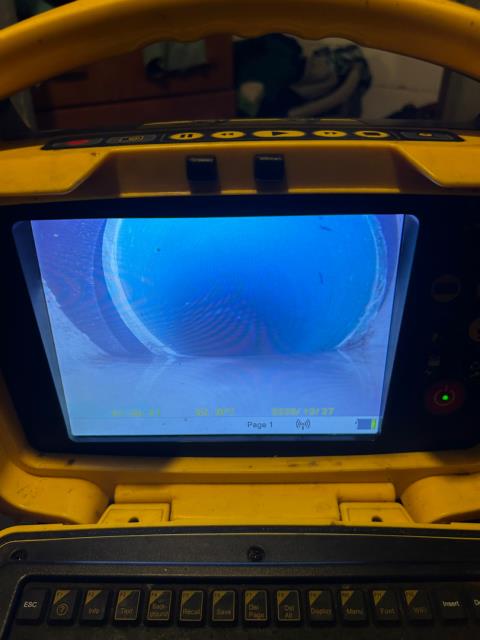
During these inspections, a professional can assess the condition of your tank, check for leaks, and ensure that all components are operating efficiently.
Pumping your tank every three to five years is also crucial, as it removes accumulated solids that could lead to clogs or system failure, especially considering the heavy rainfall we often experience.
If you notice slow drains or gurgling sounds, it may be a sign that your tank needs immediate attention.
Water Usage Best Practices
While you may not think about it often, being mindful of your water usage can greatly impact the health of your septic system. In regions facing water scarcity, like many areas with frequent droughts, it’s especially crucial to monitor your consumption.
Start by fixing leaks in faucets or toilets, as they can waste a surprising amount of water over time. Additionally, consider installing low-flow showerheads and faucets, which can significantly reduce water usage without sacrificing comfort.
When doing laundry, try to run full loads and spread out your washing over the week rather than doing multiple small loads in one day. This practice not only conserves water but also reduces the strain on your septic system.
To further save water, limit your shower time—every minute counts.
Moreover, be aware of your irrigation practices, especially in regions where watering restrictions may be in place. Watering lawns and gardens early in the morning or late in the evening minimizes evaporation and ensures more water reaches the roots.
Proper Waste Disposal
Mindful water usage sets the foundation for a healthy septic system, but proper waste disposal is just as important. Residents in areas with older or poorly maintained septic systems may face unique challenges.
You should only flush human waste and toilet paper down your toilet. Avoid flushing items like wipes, feminine products, or any non-biodegradable materials, as these can clog your system and lead to significant repair issues.
In the kitchen, don’t pour grease, oil, or food scraps down the drain; these can solidify and obstruct your pipes, especially in regions where the plumbing infrastructure is more susceptible to blockages. Instead, use a compost bin for food scraps and dispose of grease in a sealed container.
Be cautious with chemicals as well; harsh cleaners can disrupt the natural bacteria in your septic system, which is particularly important in areas where septic maintenance services may not be readily available.
Signs of Septic System Issues
How can you tell if your septic system is in trouble? Look for several key signs that are particularly relevant to our area.
If you notice slow draining sinks or toilets, it’s a red flag. Foul odors around your yard or near the septic tank can indicate possible leaks or blockages, especially after heavy rains that may saturate the soil.
You might also see pooling water or unusually lush grass over the drain field, which suggests a malfunction that can be exacerbated by our local clay soil’s poor drainage. Gurgling sounds in your plumbing can signal backup issues that often arise during the winter months when the ground is frozen.
Additionally, if your household uses more water than usual but you haven’t had any maintenance, be cautious. Regularly check for changes in your system’s performance, particularly after seasonal events like heavy storms or snowmelt.
If you spot any of these issues, it’s critical to address them promptly to avoid costly repairs and ensure your system operates efficiently.
Conclusion
Proactive septic tank maintenance in Rapids is crucial to prevent costly issues that can arise due to the unique challenges of the local environment. The region’s heavy rainfall can contribute to groundwater saturation, which may affect how your septic system operates. Regular inspections and pumping every 3-5 years are essential, especially in areas where soil drainage can be problematic.
Additionally, being mindful of water usage and proper waste disposal is vital to ensure your system runs efficiently. In Rapids, residents may notice signs of trouble such as slow drains or unpleasant odors, which should never be ignored. Addressing these issues promptly can help you avoid more significant problems later. By following these tips, you can ensure that your septic system remains reliable and effective, allowing you to enjoy your home without worry for years to come.