Effortless Underground Line Repair: 5 Expert Tips
If you’re looking to make underground line repairs easier and more efficient in our region, you’re in the right place. Local soil conditions, including high clay content and frequent moisture fluctuations, can pose unique challenges. By adopting advanced technology and techniques, you can minimize disruptions and enhance safety on-site, especially in areas with heavy traffic or limited access. With the right tools and materials suited for our climate, repairs can become more durable and resilient. Interested in the key strategies that professionals recommend for tackling these local challenges?
Utilize Advanced Detection Tools
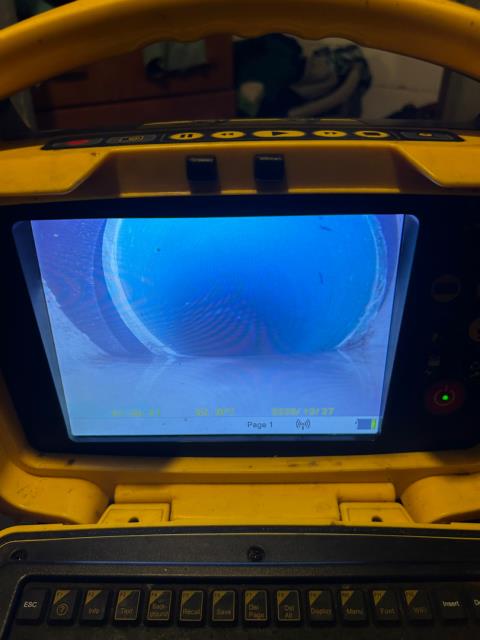
When repairing underground lines in urban areas, it’s essential to utilize advanced detection tools to accurately identify problem areas. In densely populated regions, where utility lines often overlap, tools such as ground-penetrating radar (GPR) and electromagnetic locators are invaluable for pinpointing issues without unnecessary digging.
These technologies allow you to visualize what lies beneath the surface, making it easier to detect leaks, blockages, or damaged lines that may be hidden by other infrastructure.
In locations where heavy traffic and frequent construction can complicate repair efforts, investing in the right detection technology can ensure efficient resolution of issues while minimizing disruption to the community.
Proper training in the handling and operation of these tools is crucial; consulting with an expert can enhance your understanding and effectiveness.
Advanced detection tools are critical allies in maintaining underground infrastructure, helping to avoid costly mistakes and ensuring the safety and efficiency of the repair process.
Employ Trenchless Technology
While traditional excavation methods may appear simple, utilizing trenchless technology presents a range of benefits for underground line repairs, particularly in urban areas with dense infrastructure. In locations where surface disruption can lead to significant complications, trenchless methods help preserve both landscapes and existing structures.
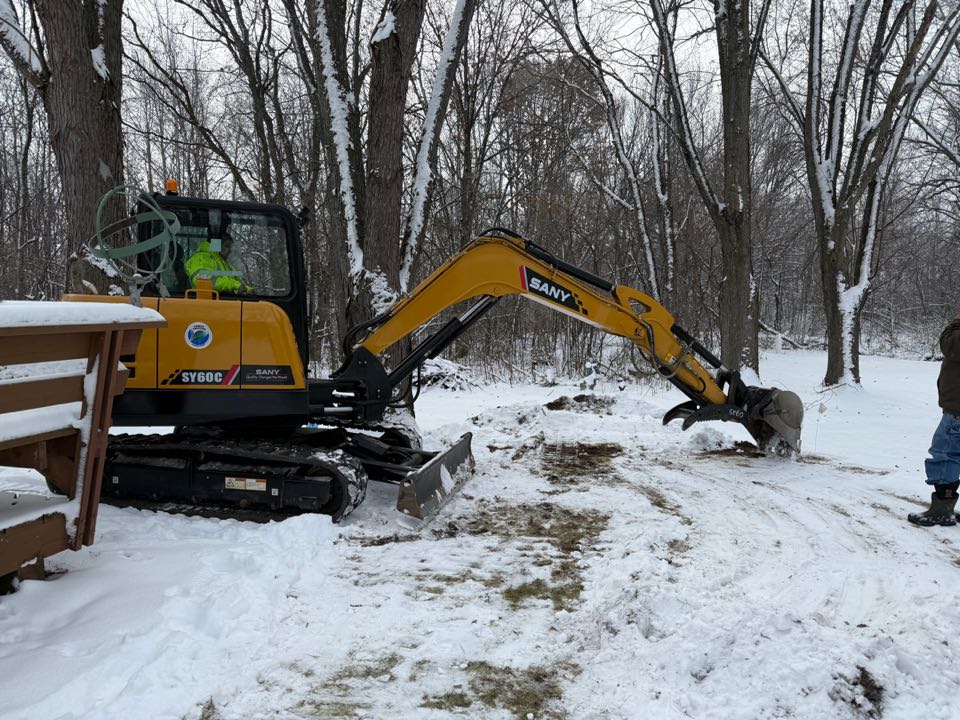
Techniques such as pipe bursting or horizontal directional drilling allow for repairs or replacements without the need for extensive digging, which is especially valuable in regions with limited space or where traffic management is a concern. This approach not only saves considerable time but can also lead to reduced costs associated with repairs, making it an efficient and appealing option for municipalities and service providers.
In cities where existing utilities are closely packed, trenchless technology minimizes the risk of damaging these critical services, avoiding the headaches that come with unexpected outages. Moreover, trenchless methods are environmentally friendly, generating less waste and fewer emissions compared to traditional excavation.
In areas with strict environmental regulations or sensitive ecosystems, this reduced impact is crucial. Additionally, the durability and longevity of repairs made using trenchless methods often exceed that of traditional techniques, ensuring a reliable and long-lasting solution.
Prioritize Safety Protocols
Embracing trenchless technology is a smart move, but it’s crucial to prioritize safety protocols in underground line repairs, especially considering the unique challenges posed by our local environment. One significant concern in this area is the presence of heavy traffic, which necessitates heightened safety measures. Your first priority should be equipping everyone with personal protective gear. Helmets, gloves, and high-visibility vests are essential for minimizing risks, particularly in areas with high pedestrian and vehicular activity.
Before starting any work, conduct a thorough risk assessment to identify potential hazards specific to local conditions, such as soil stability and underground utilities. Make certain your team understands emergency procedures, including evacuation routes and first aid protocols that are relevant to the local infrastructure.
Communication is key, so utilize radios or other reliable devices to keep everyone informed, especially in areas where visibility may be compromised. Regular safety meetings can help reinforce these protocols and address any concerns that may arise due to the local work environment.
Don’t forget to review equipment safety features and ensure all machinery is in top condition, particularly as local weather can affect equipment performance. Maintaining a culture of safety not only protects your team but also guarantees efficient project completion, allowing for a smoother operation in our community.
Implement Proper Line Marking Techniques
Implementing proper line marking techniques is essential for guaranteeing the accuracy and safety of underground repairs, particularly in regions where diverse utility networks are densely packed.
Accurately identifying and marking underground lines helps to minimize risks and avoid costly errors that can arise from hitting unmarked infrastructure. Start by using the right tools and materials for the job. High-visibility paint and flags are vital, especially in areas with heavy foot or vehicle traffic.
It’s important to adhere to standardized color codes to reduce confusion and ensure that everyone on-site understands what lies beneath.
- Use high-visibility paint: This ensures that the markings are easy to spot, even from a distance, which is crucial in busy urban environments.
- Follow color codes: Each type of utility line has its own designated color, simplifying identification and enhancing safety.
- Double-check accuracy: Always verify your marking against the plans and maps, especially in locations known for overlapping utility systems.
- Communicate effectively: Ensure that all team members are familiar with the marking system, as miscommunication can lead to dangerous situations.
Leverage High-Quality Repair Materials
Choosing high-quality repair materials is essential for ensuring the longevity and effectiveness of underground line repairs, especially in regions prone to specific environmental challenges. For instance, areas with heavy rainfall may face increased moisture levels that can compromise the integrity of repairs. Investing in top-grade materials can significantly reduce the risk of future leaks or failures.
Start by selecting materials that are specifically designed for underground conditions. In regions where temperatures fluctuate dramatically, look for products that are resistant to both moisture and corrosion. These factors greatly influence the durability of your repairs and can make a significant difference in long-term performance.
Avoid cutting corners by opting for cheaper alternatives. While these may seem appealing initially, they often lead to more expensive repairs in the future. It’s advisable to source materials from reputable suppliers with established track records in your area. Such suppliers typically offer warranties and demonstrate confidence in the quality of their products.
Prioritizing quality not only makes your job easier but also contributes to achieving lasting results in the face of local environmental challenges. By selecting the right materials, you can ensure that your underground repairs withstand the test of time and local conditions.
Conclusion
By following these expert tips, you’ll make underground line repairs in your area both efficient and effective. Start with advanced detection tools to pinpoint issues without unnecessary digging, especially in regions where soil composition can complicate the process. Utilize trenchless technology to minimize surface disruption, particularly important in urban settings where traffic and landscaping are significant concerns. Always prioritize safety protocols to protect your team, especially in locations that may have unique environmental hazards. Implement accurate line marking techniques to avoid costly errors, particularly in areas with dense infrastructure. Finally, choose high-quality repair materials that can withstand local environmental challenges, ensuring lasting durability. With these strategies, your repair projects will be smooth and successful.