Essential Tips for Sauk Rapids Plumbing Maintenance
In Sauk Rapids, maintaining your home’s plumbing system is essential for avoiding expensive repairs and ensuring reliable functionality throughout the year. With the changing seasons, especially during the harsh winters, plumbing issues can arise, making it important to stay proactive. You might be unsure where to begin, but there are straightforward steps you can take to keep everything operating smoothly. For instance, scheduling regular inspections with local plumbing professionals can help catch potential problems before they escalate. Additionally, being mindful of what enters your drains is crucial, particularly in winter when freezing temperatures can lead to blockages and pipe bursts. Interested in discovering how to safeguard your plumbing this winter? Let’s delve into some essential strategies tailored for residents of Sauk Rapids.
Schedule Regular Plumbing Inspections
To keep your plumbing system running smoothly in our area, it’s crucial to schedule regular inspections tailored to local conditions. Seasonal changes can lead to unique challenges, such as freezing temperatures that may cause pipes to burst or heavy rains that can overwhelm drainage systems.
By scheduling inspections, you can catch minor issues before they escalate into costly repairs. Experienced local plumbers can identify potential problems like leaks, corrosion, and worn-out components that you might overlook.
Make it a habit to have your plumbing checked annually, especially before winter and after heavy rainfall. This proactive approach not only saves money in the long run but also extends the lifespan of your pipes, faucets, and fixtures.
Additionally, regular inspections ensure your home remains safe and comfortable for everyone, particularly during our region’s extreme weather events. Don’t wait for a plumbing crisis to strike; instead, invest in routine maintenance.
Taking this small step can make a significant difference in keeping your plumbing in top shape amidst local environmental challenges.
Monitor Water Pressure Levels
Monitoring water pressure levels is crucial for maintaining a healthy plumbing system, especially in regions prone to fluctuating weather patterns. In areas with heavy rainfall or frequent drought, high water pressure can strain pipes, leading to leaks or bursts, while low water pressure may indicate blockages or issues with the main supply line.
To keep track of your water pressure, consider purchasing a basic water pressure gauge from a local hardware store. By attaching it to an outdoor faucet, you can ensure that your pressure remains within the ideal range of 40-60 psi.
If you observe fluctuations beyond this range, it may be wise to consult a plumbing professional. Regular monitoring allows you to identify potential problems early, helping you avoid more significant issues in the future.
Insulate Pipes for Winter Protection
As winter approaches, insulating your pipes becomes a critical step in preventing cold-related plumbing issues, particularly in regions prone to harsh winter conditions.
In areas with substantial snowfall and freezing temperatures, the risk of frozen pipes can lead to significant damage and costly repairs, making it essential to act now.
Begin by identifying pipes in unheated areas such as basements, attics, or garages, as these spaces are most vulnerable to extreme cold.
Use foam pipe insulation or heat tape to wrap these pipes securely. Ensure that the insulation fits snugly without gaps, as even the tiniest openings can allow cold air to penetrate.
Don’t overlook outdoor faucets and any exposed pipes, as they’re equally susceptible to freezing.
It’s advisable to turn off the outdoor water supply and drain hoses to prevent any potential issues.
By dedicating a bit of time and effort to properly insulate your pipes, you can avoid the headaches and expenses that come with plumbing emergencies this winter season.
Stay proactive and protect your home against the bitter cold.
Check for Leaks and Drips
Checking for leaks and drips in your plumbing system is essential to prevent water damage and avoid expensive repairs, especially in areas prone to heavy rainfall or seasonal temperature fluctuations.
Even with proper insulation, small leaks can often go unnoticed, but over time, those drops can lead to significant issues. Here’s how to catch them early:
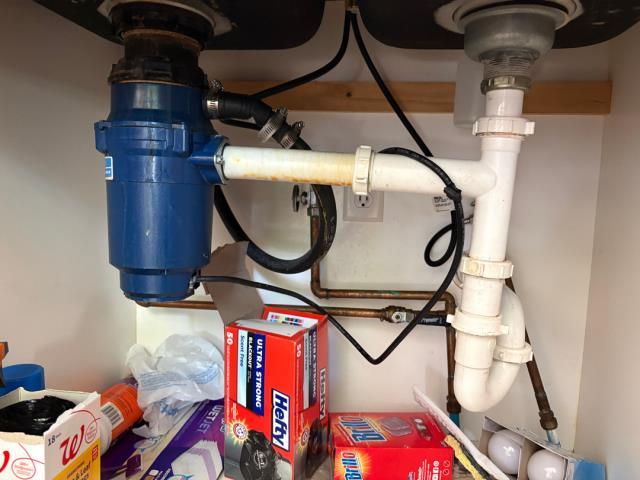
- Inspect Visible Pipes: Examine under sinks and around appliances for any signs of moisture or corrosion, particularly in regions where plumbing may be exposed to temperature changes.
- Monitor Your Water Bill: An unexpected increase in your water bill can be a sign of a hidden leak, which is especially important to watch in communities where water conservation is emphasized.
- Check Faucets and Showerheads: Ensure that faucets and showerheads aren’t dripping when turned off. If you notice any leaks, replacing washers or seals can often resolve the issue.
- Test Toilets: Add a few drops of food coloring to the tank. If the color appears in the bowl without flushing, it indicates a leak that needs to be addressed promptly.
Regularly checking your plumbing not only promotes efficiency but also helps keep your home dry and free from potential water damage.
Maintain Your Water Heater
A well-maintained water heater is essential for ensuring a reliable supply of hot water, especially during the colder months when demand increases. In regions where temperatures drop significantly, it’s crucial to keep the temperature setting around 120°F. This not only helps in preventing scalding but also contributes to energy savings, which can be particularly beneficial in areas with high energy costs.
Regular inspection of the anode rod is vital, as it helps prevent tank corrosion, which can be a common issue in areas with hard water. If you notice the anode rod is less than half an inch thick or shows signs of heavy corrosion, it’s advisable to replace it to prolong the life of your water heater.
In many localities, sediment build-up can become a problem due to mineral deposits in the water supply. Draining and flushing the tank annually will help remove this sediment, ensuring your water heater operates efficiently.
Listen for any unusual noises from the unit, as these can be early indicators of sediment accumulation that needs to be addressed.
Keeping the area around your water heater clear of debris and flammable materials is also essential, especially in places prone to wildfires or where construction debris may accumulate.
Lastly, it’s important to test the pressure relief valve periodically to ensure it’s functioning properly, as this can prevent potential leaks or dangerous pressure build-up, which could be particularly concerning in densely populated areas where safety is a top priority.
Clean Drains and Prevent Clogs
When it comes to maintaining a healthy plumbing system, keeping your drains clean and preventing clogs is crucial for residents in our area.
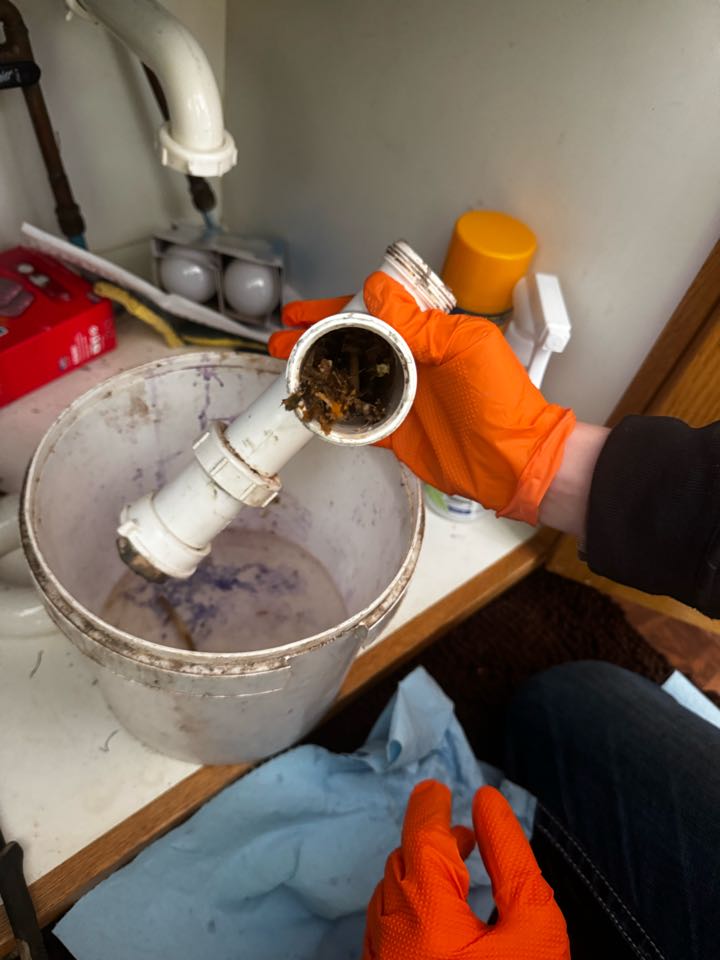
The unique challenges posed by local weather conditions, such as heavy rainfall and seasonal debris, can increase the likelihood of blockages. Regular maintenance can save you from costly repairs and inconvenience.
Here’s how you can ensure your drains stay clear:
- Use a Drain Strainer: Place strainers over your drains to catch hair, soap scum, and debris before they cause blockages. This is especially important in areas with a lot of foliage, where leaves and twigs can easily clog drains.
- Clean with Baking Soda and Vinegar: Pour half a cup of baking soda followed by a cup of vinegar down the drain, wait 15 minutes, then rinse with hot water. This natural method helps break down buildup and is effective in combating the mineral deposits that can form in our local water supply.
- Schedule Routine Cleaning: Make it a habit to clean your drains monthly using non-corrosive products that are safe for our local environment. Staying proactive can help mitigate the effects of the humid climate which may contribute to faster buildup.
- Flush with Hot Water: Regularly flush drains with hot water to remove minor buildups. This practice can be particularly beneficial during the rainy season when drains may accumulate more debris.
Be Mindful of What Goes Down the Drain
While taking care of your plumbing in our area, it’s important to consider the specific challenges we face. For instance, the local infrastructure may struggle with heavy rainfall, causing drainage systems to back up.
Avoid pouring grease, fats, or oils down the kitchen sink, as they can solidify and lead to significant blockages, especially during wet weather. Instead, collect these substances in a container and dispose of them with your household trash.
In bathrooms, be vigilant about not flushing non-flushable items like wipes or paper towels, which can easily clog pipes and contribute to plumbing issues exacerbated by our unique climate.
Using a drain strainer can help catch hair and debris, preventing them from entering the pipes. Make it a habit to regularly clear the strainer to ensure water flows smoothly, especially during peak usage times.
Additionally, be cautious with chemical drain cleaners, as they can be detrimental to pipes over time, particularly in areas with older plumbing systems.
Understand Your Main Water Shut-Off Valve
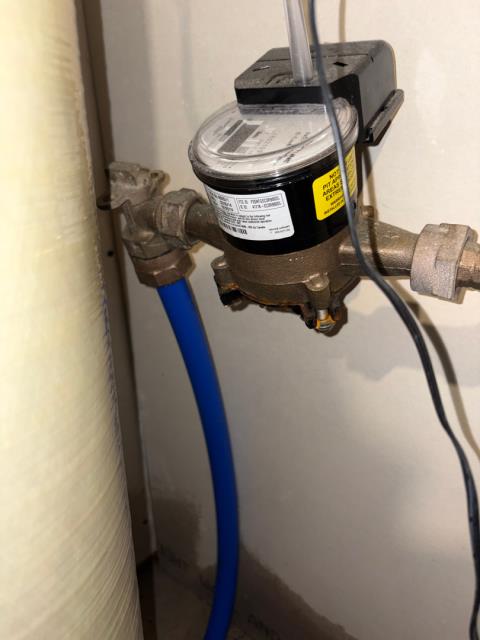
Understanding how to locate and operate your main water shut-off valve is crucial for homeowners in any region. In emergencies, such as a burst pipe, quickly turning off the water can prevent significant damage. Here’s how you can master this important skill:
1. Locate the Valve: In many homes, the main water shut-off valve is situated where the water line enters the building. Common locations include basements, crawl spaces, garages, or near water heaters.
In areas with colder climates, the valve may be indoors to prevent freezing.
2. Check Valve Type: Determine whether your valve is a gate or ball valve. Gate valves typically require turning a wheel, while ball valves are easier to operate with a lever handle.
Knowing this can help you respond quickly during an emergency.
3. Practice Turning Off: It’s wise to regularly test the valve to ensure it functions properly and isn’t stuck. To shut off the water, turn the valve clockwise.
Familiarizing yourself with this process can save time when every second counts.
4. Label It Clearly: Consider using a visible tag or marker to identify the valve easily.
This can be especially helpful in stressful situations or for guests who may not know where it’s located.
Prepare for Heavy Rain and Flooding
Preparing your home for heavy rain and potential flooding is crucial, especially in areas that frequently experience severe weather events. Start by clearing gutters and downspouts to ensure that water flows away from your home, reducing the risk of overflow.
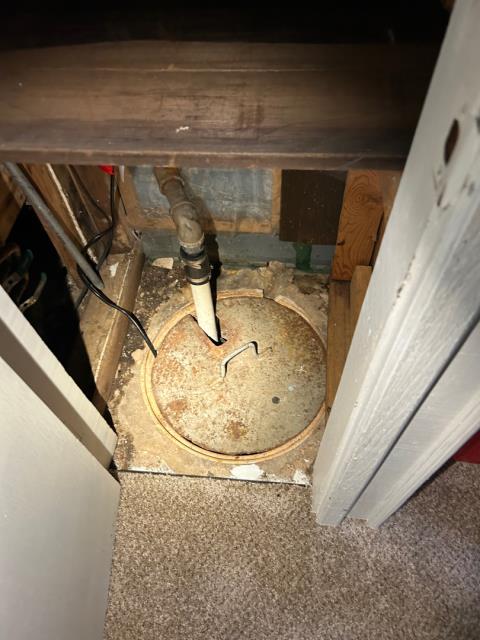
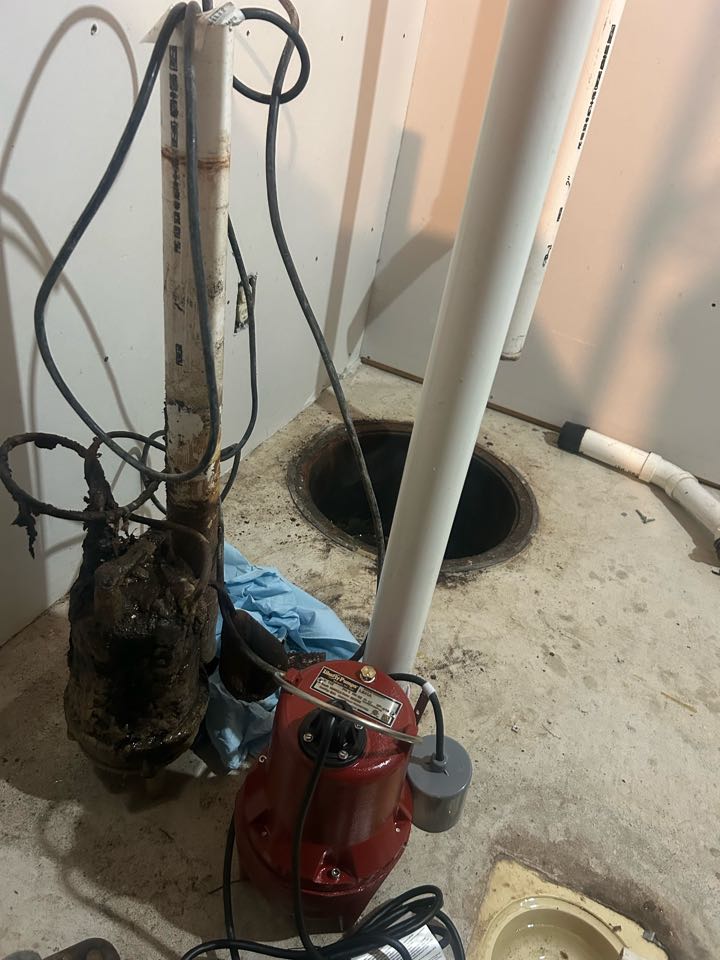
It’s essential to check basement drains and sump pumps to confirm they’re functioning optimally. In regions prone to flooding, consider installing backflow valves to prevent sewage backups, which can be a significant concern during heavy rains.
If your home is situated in a low-lying area, elevating appliances and critical electrical components can be a wise precaution. Additionally, seal any cracks in your foundation to block water intrusion effectively.
Keeping sandbags handy can provide an emergency barrier against rising water, especially in neighborhoods that are particularly vulnerable to flooding.
Verify that your insurance policy adequately covers flood damage to give you peace of mind should the worst happen.
Finally, work with your family to create an emergency plan that includes evacuation routes tailored to your local landscape. Taking these proactive steps today can prevent significant headaches tomorrow and help safeguard your home against the elements.
Conclusion
By following these essential plumbing maintenance tips, you’ll ensure your Sauk Rapids home remains in excellent condition throughout the year. The local climate can bring heavy rains and freezing temperatures, making regular inspections and proactive measures crucial. Monitor your water pressure, insulate pipes to prevent freezing, and keep an eye on your water heater, especially during colder months. Cleaning drains regularly and being cautious about what goes down them can help avoid clogs, which are common in the area due to seasonal debris. Additionally, familiarize yourself with the main water shut-off valve to act quickly in emergencies, and prepare your home for heavy rain to prevent flooding and water damage.