Expert Solutions for Sewer Line Problems
When faced with sewer line issues in our region, you may be looking for expert solutions to address the problem efficiently and effectively. In areas prone to heavy rainfall or older infrastructure, understanding the root causes of sewer line problems is crucial. But how can you identify and fix these issues without unnecessary hassle? Advanced diagnostics such as sewer camera inspections and smoke testing provide precise methods to locate trouble spots that are often hidden beneath the surface.
For homeowners in this area, common challenges may include tree root intrusion, which can lead to significant blockages, or aging pipes that may be corroded or cracked. Curious about how modern techniques can restore functionality with minimal disruption? Innovative approaches like trenchless repair methods not only minimize excavation but can also save time and reduce the overall impact on your property. With the right expertise, you can address sewer line problems effectively and get your system back in working order.
Common Causes of Sewer Line Issues
When it comes to sewer line issues in our area, understanding the common causes can save you a lot of trouble.
First, tree roots are notorious for invading sewer lines, as they seek moisture and nutrients found in the pipes. In our region, the prevalence of certain tree species makes this issue particularly concerning, as their roots can grow into pipes, causing blockages and cracks.
Second, aging pipes are a frequent culprit in neighborhoods where older infrastructure is common. Over time, pipes corrode, weaken, and eventually break, leading to leaks that can disrupt service.
Third, improper disposal of waste materials poses a significant challenge. Many residents may not realize that flushing items like wipes, grease, and hygiene products can lead to severe blockages. This is especially important to note in households with multiple occupants, where these items may be more frequently disposed of incorrectly.
Finally, ground shifts and settling can misalign or break pipes. In our area, these shifts can be due to natural causes like heavy rainfall or soil erosion, as well as artificial ones like nearby construction projects.
Advanced Diagnostic Techniques for Sewer Line Problems
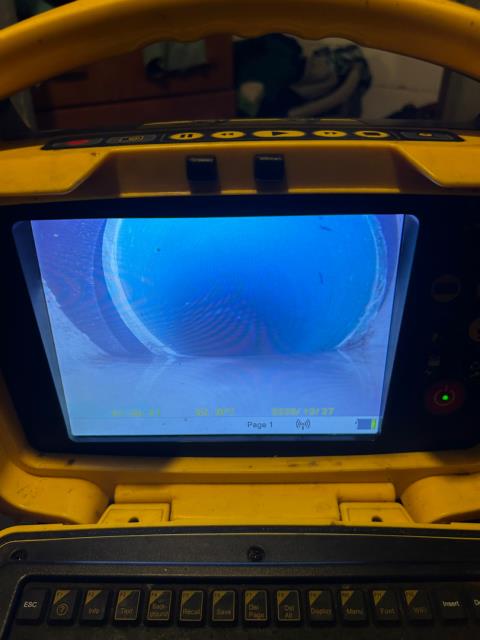
When facing sewer line issues in urban areas, employing advanced diagnostic techniques can significantly enhance the accuracy and efficiency of identifying problems. One invaluable tool is the sewer camera inspection. By inserting a high-resolution camera into the pipes, you can visually assess blockages, cracks, or tree root intrusions that are often common in densely populated regions. This method eliminates guesswork, saves time, and prevents unnecessary digging, which can be particularly disruptive in busy neighborhoods.
Another effective technique is smoke testing, which involves introducing non-toxic smoke into the sewer system to reveal leaks or improper connections. In areas with older infrastructure, this method allows for quick identification of issues as the smoke escapes through problem areas, helping to avoid costly repairs down the line.
Additionally, electronic pipe locators can trace the path of the pipe and pinpoint blockages with precision. This is especially useful in locations where multiple utilities may be buried close together, ensuring that you have the right information to proceed with effective solutions without risking damage to other lines.
Effective Methods for Clearing Clogs
Clogs in sewer lines can be particularly challenging in areas with older infrastructure or heavy tree cover, as roots can infiltrate pipes and create blockages.
To address these issues effectively, begin with a plunger. It’s a straightforward tool that can often dislodge minor clogs with a few firm pushes. If that method proves ineffective, consider using a plumber’s snake. This tool is designed to reach deeper into the plumbing system and can break through tougher blockages that are common in regions with aging pipes.
For more stubborn clogs, especially those caused by tree roots or significant buildup, hydro-jetting services may be necessary. This technique utilizes high-pressure water to clear debris without damaging your existing pipes, making it a favorable option in areas prone to severe clogs.
Chemical drain cleaners are another alternative, but they should be used cautiously to prevent potential harm to your plumbing and the local ecosystem.
Regular maintenance is key to preventing future clogs. Being mindful of what gets flushed or washed down drains is especially important in locations where non-degradable items may inadvertently make their way into the system.
Repairing and Replacing Damaged Pipes
Dealing with damaged pipes requires prompt attention to prevent further complications, especially in areas prone to heavy rainfall or freezing temperatures. Ignoring the issue can lead to costly repairs and potential health hazards.
First, identify the problem area by conducting a thorough inspection. You might notice signs like unusual odors, slow drains, or wet spots in your yard. In regions with clay soil, shifting ground can exacerbate pipe damage, making it crucial to address any issues quickly.
Once located, you have two main options: repair or replace the damaged section. For minor issues, trenchless repair methods, such as pipe lining or pipe bursting, offer efficient solutions. These techniques minimize excavation, saving time and money, particularly in urban settings where digging can disrupt traffic and local businesses.
However, if the pipe is beyond repair, replacing it becomes necessary. Be sure to choose durable materials like PVC or cast iron that can withstand local environmental conditions for longevity.
Always consult a professional plumber with experience in your area to guarantee proper installation and avoid future complications.
Preventative Measures to Avoid Future Problems
To keep sewer line problems at bay in our region, it’s essential to adopt preventative measures that guarantee the longevity and efficiency of your plumbing system.
Start by being mindful of what goes down your drains. Avoid flushing non-biodegradable items, grease, or large food particles, as these can lead to clogs commonly seen in local plumbing systems.
Additionally, the unique soil conditions and climate in our area can contribute to pipe issues, so regular inspections and cleanings are crucial to catch potential problems early.
Be aware that certain trees native to our region are known for their extensive root systems, which can invade pipes and cause blockages. Landscaping choices should take this into consideration to minimize risks.
Installing drain strainers can also be beneficial, as they catch debris before it enters the system, helping to prevent common issues faced in our local plumbing infrastructure.
Lastly, pay attention to any signs of trouble, such as slow drains or unusual odors, and address them promptly.
Choosing the Right Professional for the Job
While preventative measures can significantly reduce sewer line issues, sometimes the assistance of a professional becomes necessary. Choosing the right expert ensures that your problem is addressed efficiently and effectively.
Start by seeking recommendations from friends or neighbors who’ve dealt with similar challenges, especially in this area where root intrusion from trees is a common issue due to our local flora.
Look for licensed and insured professionals; this provides reassurance that they possess the necessary skills and are protected against any unforeseen mishaps. Given the unique geological features of our region, it’s essential to find someone familiar with the local soil conditions as they can impact sewer line performance.
Check online reviews and ratings specific to professionals in your area. A contractor with positive feedback from locals typically indicates reliable service.
Don’t hesitate to ask questions about their experience with projects similar to yours, especially in dealing with issues like high water tables or frequent flooding that can complicate sewer line repairs.
Request quotes from multiple experts, being mindful to compare not just their pricing but also the range of services they offer. This can help you gauge which professional may provide the best overall value for your needs.
Trust your instincts during initial interactions. A courteous and knowledgeable professional who communicates clearly is likely to deliver quality work.
Making a well-informed choice will ultimately save you time, money, and future headaches, particularly in a region where sewer line problems can escalate if not addressed promptly.
Conclusion
You’re now equipped with the knowledge to tackle sewer line issues specific to your area with confidence. In regions prone to heavy rainfall or flooding, tree roots often invade sewer lines, leading to blockages. Understanding these common causes and utilizing advanced diagnostics like camera inspections and smoke testing can help you pinpoint problems accurately. For areas with older infrastructure, efficient clog-clearing methods, such as hydro-jetting, can be particularly effective in restoring flow. Additionally, trenchless repairs are a great option, ensuring minimal disruption to your property.
Regular maintenance is crucial in preventing future issues, especially in neighborhoods where aging pipes may be a concern. When you choose the right local professional, you ensure your sewer system remains reliable and efficient, ultimately saving you time and hassle in the long run.