2025 Guide to Home Drain Maintenance in Sauk Rapids
Maintaining your home’s drainage system is crucial, especially in Sauk Rapids, where the region is prone to heavy rains and potential flooding. Understanding the unique challenges posed by the local climate and topography is essential for effective drainage management. Routine checks are necessary to prevent clogs that can lead to costly water damage.
One significant challenge in Sauk Rapids is the presence of clay soil, which can impede water drainage and increase the risk of backups. It’s important to regularly inspect and clear gutters and downspouts to ensure they are free of debris, as clogged gutters can exacerbate drainage issues during heavy rainfall. Additionally, consider the placement of your downspouts; directing water away from your foundation can help prevent water accumulation around your home.
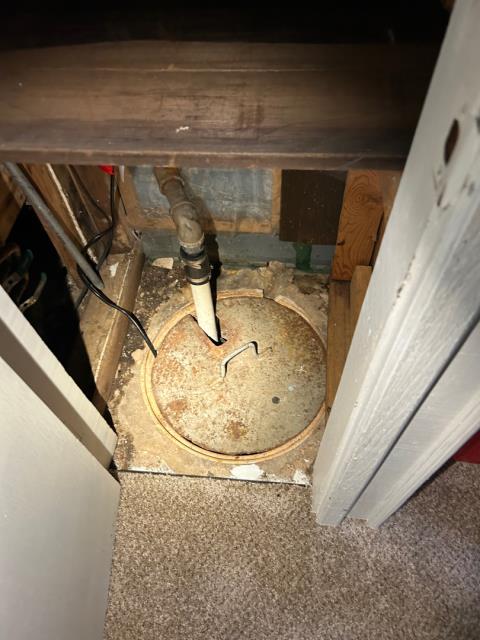
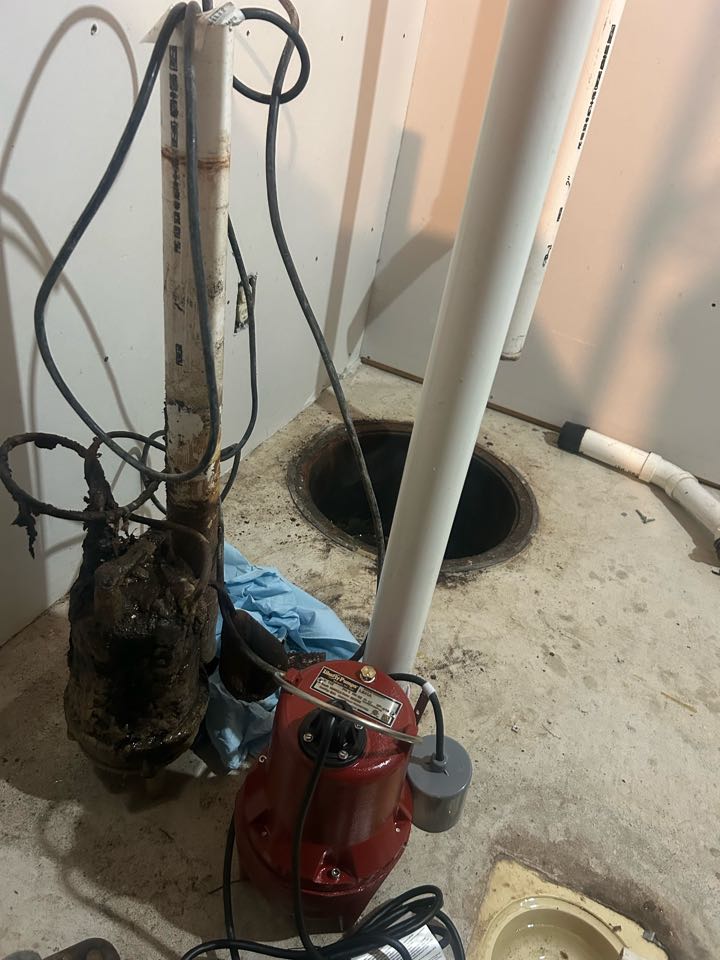
Another key practice is to periodically check your sump pump, if you have one, to ensure it is functioning properly. Given the likelihood of heavy rains, a reliable sump pump can be a homeowner’s best friend in preventing basement flooding.
Furthermore, you should keep an eye on any landscaping that might affect drainage. Plant roots can intrude into drainage systems, causing blockages. It’s wise to maintain a buffer zone between trees and your drainage lines to minimize this risk.
In summary, staying proactive with your drainage system maintenance in Sauk Rapids can help you avoid significant headaches in the future. By understanding local challenges and implementing these essential practices, you can keep your home’s drainage functioning smoothly.
Understanding Your Drainage System
Understanding your drainage system is essential for maintaining a healthy home environment, especially in areas prone to heavy rainfall or flooding. Your drains play a crucial role in managing wastewater, so knowing how they function can help prevent issues unique to your region.
Familiarize yourself with the layout of your plumbing and where each drain leads, particularly in areas like the basement, which may be more susceptible to water accumulation.
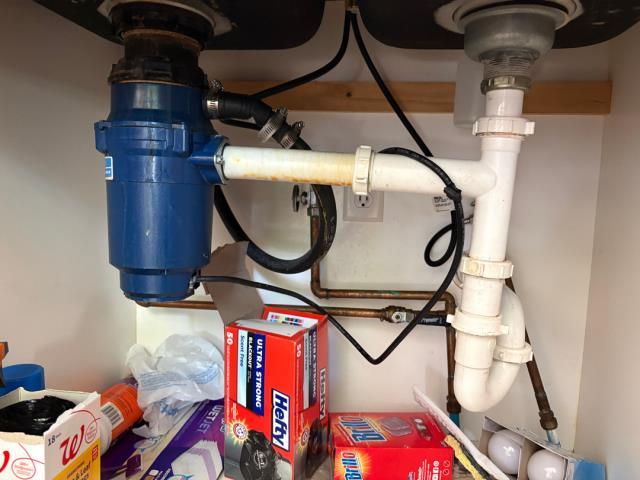
It is important to identify potential problem areas, such as kitchen and bathroom sinks, which often gather grease and hair. In regions with hard water, mineral buildup can also pose a challenge, leading to clogs over time.
Regularly check for signs of blockage, such as slow drainage or unpleasant odors, as these can indicate underlying issues that need attention.
Additionally, be aware of the materials used in your pipes; older systems made from certain materials may require more frequent maintenance.
Routine Drain Cleaning Techniques
To keep your drains flowing smoothly, regular cleaning is essential, especially in areas prone to specific environmental challenges.
Implementing routine techniques can prevent clogs and maintain peak function. Here are four effective methods to clean your drains that consider local conditions:
- Boiling Water: In regions where hard water is common, mineral buildup can occur in pipes. Pouring boiling water down your drains can help dissolve grease and remove minor blockages, particularly beneficial for kitchen sinks where cooking oils accumulate.
- Baking Soda and Vinegar: This powerful combination is especially effective in areas with high humidity, where mold and mildew can contribute to drain issues. Pour half a cup of each into the drain, wait 30 minutes, then flush with hot water to break down buildup effectively.
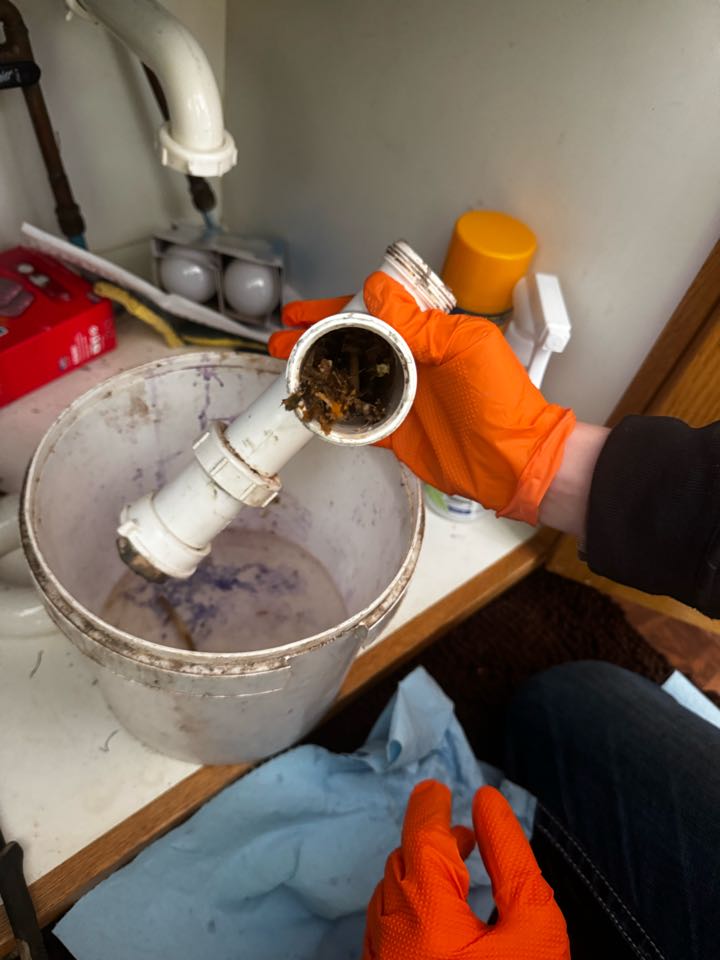
- Manual Removal: For stubborn clogs, especially in older homes with aging plumbing systems, using a drain snake or a bent wire hanger can be just the ticket to physically remove debris. This method is often necessary in places with older infrastructure where blockages can be more frequent.
- Enzyme Cleaners: In regions with a lot of organic waste, such as leaves and plant materials, eco-friendly enzyme cleaners can be a great solution. These cleaners use enzymes to digest organic matter, keeping your drains clear without harsh chemicals, making them an ideal choice for environmentally conscious homeowners.
Stay proactive with these methods, and your drains will thank you!
Seasonal Maintenance Checks
As the seasons change in our region, it’s essential to perform maintenance checks on your drains to prevent potential problems.
Start by inspecting your gutters and downspouts for debris, especially considering the heavy rainfall we often experience in the spring. Ensuring they’re clear will allow proper water flow and help prevent overflow and flooding around your home.
Next, check your indoor drains for any signs of slow drainage or unpleasant odors, which can be more prevalent during the humid summer months. A mixture of baking soda and vinegar can help keep them fresh and free from buildup.
In the colder months, it’s vital to insulate any exposed pipes, particularly those that are located in unheated areas like basements or crawl spaces, to avoid freezing and potential bursting.
During the spring, look for any signs of wear and tear or leaks around your fixtures, as the thawing process can sometimes reveal hidden issues.
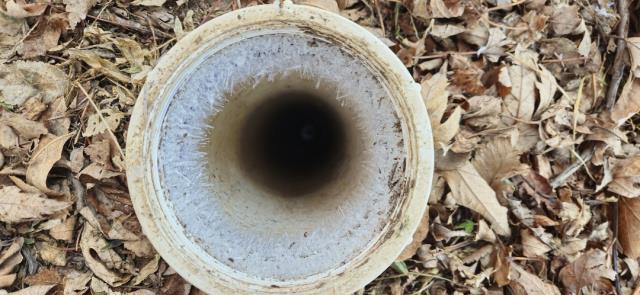
Fall is an ideal time for cleaning out your yard’s drainage systems, especially after the leaves have fallen, as clogged drains can lead to unwanted water pooling in your yard.
Common Drain Problems and Solutions
While drain problems mightn’t occupy your thoughts regularly, they can quickly turn into significant issues if left unattended, especially in areas with heavy rainfall or older infrastructure.
Here are some common challenges you may encounter along with their solutions:
1. Clogs: In regions prone to heavy foliage, leaves and twigs can contribute to drain blockages. Hair, grease, and other debris may also cause similar issues.
Utilize a plunger or a drain snake to clear these obstructions effectively.
2. Slow Draining: This often signals a partial clog, which can be exacerbated by the accumulation of sediment common in areas with hard water.
A mixture of baking soda and vinegar followed by hot water can help break down the buildup.
3. Bad Odors: Unpleasant smells can arise from stagnant water or food remnants, particularly in warmer climates where organic matter decomposes quickly.
Regular cleaning of your drains with a mixture of salt and lemon juice can help eliminate these odors.
4. Leaks: It’s essential to inspect pipes for cracks or loose connections, especially in older homes where plumbing systems may be outdated.
Tightening fittings or replacing damaged sections as necessary can prevent more extensive water damage.
Addressing these issues promptly can save you considerable time and resources in the future.
Eco-Friendly Drain Care Tips
How can you keep your drains clear and eco-friendly while navigating local challenges? Start by using natural cleaning solutions like baking soda and vinegar, which are effective in many regions.
Pour a cup of baking soda down the drain, followed by a cup of vinegar. Let it sit for 30 minutes, then flush with hot water. This combination helps break down grease and grime without relying on harsh chemicals.
In many areas, disposing of cooking oils or fats down the sink can lead to significant plumbing issues. Instead, collect them in a container and find a local recycling program or waste disposal option for proper disposal.
Installing a drain strainer can also be beneficial, as it catches food particles and hair, preventing clogs that are often exacerbated by local plumbing systems.
Lastly, consider using enzymatic cleaners, which are biodegradable and safe for your plumbing. These can be particularly effective in regions where traditional methods may struggle.
With these eco-friendly tips, you can keep your drains flowing smoothly while being considerate of the environment and the specific challenges of your area.
When to Call a Professional
Even with eco-friendly drain care tips in mind, some situations require professional help. If you encounter any of the following issues, it’s time to call in an expert:
- Repeated Clogs: If your drains clog frequently despite your efforts, it may signal a more serious issue, such as tree roots invading your pipes or a buildup of sediment common in older homes in areas with hard water.
- Slow Draining: Drains that take a long time to empty can indicate a blockage that needs professional attention. In regions with heavy rainfall, for instance, stormwater can overwhelm drainage systems, leading to slow drainage.
- Foul Odors: Unpleasant smells coming from your drains could point to serious plumbing problems. In urban areas, for example, sewer gas can sometimes infiltrate homes, signaling a need for immediate inspection.
- Water Backup: If water is backing up into your sinks or tubs, it’s essential to act quickly to prevent further damage. In coastal areas, high water tables can exacerbate drainage issues, making it crucial to address backups promptly.
Don’t hesitate to seek professional assistance when you recognize these signs. Your home’s plumbing deserves the best care!
Tips for Preventing Future Clogs
To keep your drains flowing smoothly and prevent future clogs, you should adopt a few simple habits that cater to the unique challenges of your area.
First, always use drain covers to catch hair and debris before they go down the sink or tub. Given the high levels of dust and debris in urban environments, regularly cleaning these covers is essential to maintain their effectiveness.
Second, avoid pouring grease or oil down the drain, as it solidifies and can lead to blockages, especially in older plumbing systems common in many neighborhoods. Instead, dispose of it in a container for proper waste disposal.
Third, flush your drains monthly with a mixture of hot water and vinegar to help break down any build-up, which can be particularly beneficial in regions where mineral deposits are prevalent.
Finally, don’t treat your toilet like a trash can; only flush toilet paper and human waste.
Conclusion
To summarize, maintaining your drains is crucial for preventing water damage in your home, especially in Sauk Rapids where heavy rain and melting snow can lead to increased water flow. By understanding your unique drainage system and implementing regular cleaning techniques, you can avoid common clogs, such as those caused by leaves and debris that often accumulate during the fall season. Additionally, seasonal maintenance checks are particularly important in this region, as the fluctuating weather can create specific challenges for drainage systems. Incorporating eco-friendly care tips can help ensure a healthy system throughout the year. If you find yourself dealing with persistent issues, reaching out to a local professional can provide the expertise needed to tackle these problems effectively. Stay proactive, and you’ll enjoy a worry-free drainage system in your home in Sauk Rapids!