Hidden Secrets to Cost-Effective Sewer Replacement
You might not realize it, but there are hidden secrets to replacing sewer lines without breaking the bank. In regions with older infrastructure, such as many neighborhoods in the Midwest, understanding the basics of your sewer system is essential. Local soil conditions and age of the pipes can lead to unique issues, making it crucial to spot problems early. Exploring cost-effective solutions like trenchless methods can be particularly beneficial in densely populated areas where digging up yards can lead to significant disruption.
These innovative techniques not only save money but also minimize the impact on your property and surrounding landscape. If you live in an area prone to strict regulations, knowing how to navigate the permitting process efficiently can save you time and hassle. Regular inspections also play a vital role in maintaining your sewer system and can help identify potential problems before they escalate. Discover the strategies tailored to your local challenges that can make sewer replacement smoother and more affordable.
Understanding the Basics of Sewer Systems
When you begin to explore sewer systems, it’s essential to understand their fundamental components and functions. A sewer system primarily consists of pipes, manholes, and treatment facilities. Pipes, made from materials like PVC, clay, or cast iron, transport wastewater from homes and businesses to treatment plants. Manholes provide access points for maintenance and inspection. Treatment facilities process the wastewater, making it safe for release into the environment.
In many regions, the challenge of managing stormwater runoff can complicate sewer systems. Heavy rainfall can overwhelm existing infrastructure, leading to combined sewer overflows that can pollute local waterways. Understanding the role of stormwater management in conjunction with sewer systems is critical for effective urban planning.
You should know that gravity helps wastewater flow downhill through the pipes, minimizing the need for pumps. However, in areas where gravity can’t do all the work, lift stations are used to elevate sewage to higher elevations. Local topography can affect the placement and efficiency of these systems, as hilly or uneven terrain requires careful engineering solutions.
Understanding these basics helps you grasp how sewer systems work and prepares you for more complex topics or potential upgrades that may be necessary to address local challenges.
Identifying Signs of Sewer Line Issues
If you suspect trouble with your sewer line, it’s essential to identify the signs early to prevent costly damage. In areas known for older infrastructure or heavy rainfall, it’s particularly important to keep an eye out for these warning indicators that might suggest issues with your sewer system.
Recognizing them promptly can save you a lot of headaches and money.
- Slow Drains: If multiple drains in your home are slow, especially in older neighborhoods, it’s a red flag for a potential blockage.
- Unpleasant Odors: A persistent sewage smell around your house or yard, particularly in regions where sewer systems are more prone to issues, is a clear indicator.
- Unexplained Puddles: Water pooling in your yard when there’s no rain, especially after heavy storms, could mean a sewer leak that needs immediate attention.
- Lush Patches in Lawn: Unusually green and fast-growing grass in certain areas, often seen in homes with aging sewer lines, might signal buried sewage that’s enriching the soil.
Being aware of these signs in your local context can help you act quickly and mitigate larger problems down the line.
Exploring Trenchless Sewer Replacement Options
Although traditional sewer replacement methods can be disruptive and costly, trenchless technology offers a more efficient and less invasive alternative, especially in areas where local regulations and environmental conditions pose unique challenges.
Homeowners in regions with expansive tree roots or clay-heavy soils often face significant obstacles with conventional digging methods, leading to potential damage to surrounding landscaping and infrastructure.
With trenchless options like pipe bursting and pipe lining, you can address sewer issues with minimal disruption.
Pipe bursting involves pulling a new pipe through the existing one, breaking the old pipe apart in the process. This method is particularly beneficial in urban settings where space is limited, and older pipes may be severely damaged or collapsed due to shifting soil or root intrusion.
Conversely, pipe lining involves inserting a flexible tube coated with resin into the old pipe. Once in place, the resin hardens, forming a new pipe within the old one.
This technique is especially advantageous in areas that experience frequent soil movement or have vulnerable landscaping, as it requires very little excavation.
Both methods are efficient and save you time and hassle while addressing the specific challenges posed by your local environment.
Comparing Costs: Traditional vs. Trenchless Methods
When considering sewer replacement options in areas with unique local challenges, understanding the cost differences between traditional and trenchless methods is crucial. Traditional methods often require extensive excavation, which can lead to significant labor and restoration costs, especially in regions with older infrastructure or dense urban settings.
In contrast, trenchless methods, such as pipe bursting or lining, typically minimize disruption to the surrounding environment, though their initial costs may appear elevated. Nevertheless, they can result in substantial savings over time due to reduced property damage and faster project completion.
Here are some important factors to consider:
- Excavation Costs: Traditional methods necessitate digging, which can negatively impact landscaping, driveways, and nearby structures, particularly in neighborhoods with established greenery or decorative features.
- Time Efficiency: Trenchless methods are generally quicker, which can lead to lower labor costs and less inconvenience for residents in busy areas.
- Restoration Expenses: With less disruption, there’s often a reduced need for repairs to sidewalks, roads, and other surfaces, making trenchless methods more appealing in urban environments.
- Long-Term Savings: Trenchless options may provide enhanced durability and lower future maintenance costs, which can be particularly beneficial in regions prone to soil shifts or other geological issues.
Ultimately, the choice between traditional and trenchless methods will depend on your specific circumstances and the challenges presented by your local environment.
Planning and Timing for Optimal Savings
To achieve optimal savings in sewer replacement projects, careful planning and timing are crucial. Begin by assessing the current state of your sewer lines. Understanding when a replacement is absolutely necessary can help you avoid unnecessary costs.
Timing your project during off-peak seasons when local contractors may be more competitive can lead to better rates. Additionally, in regions prone to heavy rainfall or harsh winters, planning around weather conditions is essential to avoid delays and unexpected expenses. Proper timing can also help minimize disruptions to your daily routine and reduce labor costs.
Investigate local contractors and take the time to compare their quotes. It’s important not to rush this selection process; verifying each contractor’s experience and availability can lead to a more efficient project.
In areas with a high demand for construction services, having a well-chosen contractor can make a significant difference in project completion time and overall savings. Lastly, consider any potential impacts on your property and plan for alternate access points to ensure a smooth replacement process.
Navigating Permits and Regulations Efficiently
Before embarking on your sewer replacement project, it’s crucial to understand the local permits and regulations to avoid costly delays. Navigating this process efficiently can save you significant time and resources.
Start by contacting your local municipality to determine the specific requirements that apply to your area. Each locality has its own set of rules, so it’s essential not to assume that the regulations are uniform. By being proactive, you can streamline approval and avoid potential pitfalls.
Here are some tips for efficient navigation:
- Research Local Codes: Familiarize yourself with zoning laws and building codes specific to your community, as they can vary significantly.
- Consult with Experts: Engaging with local professionals who understand the intricacies of the regulations can guide you through the complexities.
- Prepare Thorough Documentation: Submitting detailed plans and necessary paperwork can help expedite the approval process, reducing the risk of delays.
- Monitor Timelines: Pay attention to submission deadlines and local processing times to prevent any interruptions to your project schedule.
Staying informed about local requirements will keep your sewer replacement project on track.
The Role of Professional Inspections
Having a professional inspection is essential for the success of your sewer replacement project, especially in areas prone to unique environmental challenges such as clay soil or high groundwater levels.
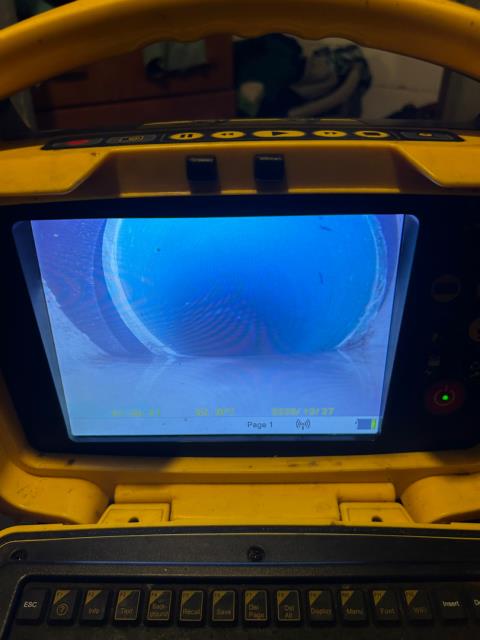
Skipping this step may seem like a way to cut costs, but it can lead to unforeseen issues that result in significant expenses down the line. Local experts utilize specialized tools to uncover problems such as root intrusion, corrosion, and misalignments that often go unnoticed by those without the proper training.
These issues can be particularly common in regions where tree roots are aggressive or where soil conditions fluctuate significantly with seasonal changes. By investing in a thorough inspection, you can address potential concerns early on, ensuring a smoother and more cost-effective replacement process.
DIY Tips to Prevent Future Sewer Problems
Once you’ve confirmed your sewer system is in good shape through a professional inspection, you can take proactive steps to keep it running smoothly.
Regular maintenance is essential to preventing future problems and avoiding costly repairs. Here are some DIY tips tailored to address local challenges that can help you maintain a healthy sewer system:
- Avoid flushing non-degradable items: In many areas, plumbing systems are particularly susceptible to clogs from items like wipes, diapers, and sanitary products. Be mindful of what goes down the toilet to prevent blockages.
- Use enzyme-based cleaners: These cleaners are effective in breaking down organic waste while being gentle on your pipes. This is especially important in regions where older plumbing systems may be more vulnerable.
- Inspect for leaks: Regularly check for signs of leaks or dampness around your plumbing fixtures. Local weather conditions can sometimes exacerbate small leaks, leading to more significant issues over time.
- Tree root management: In areas with mature trees, it’s crucial to monitor tree roots near your sewer lines. These roots can infiltrate and damage pipes, leading to costly repairs if not addressed promptly.
Conclusion
By embracing trenchless methods and staying proactive, residents in urban areas can significantly reduce the costs and challenges associated with sewer replacement. In cities where infrastructure is older, keep an eye out for signs of trouble such as frequent backups or slow drainage. Addressing these issues early through professional inspections can prevent more extensive repairs down the line. It is also vital to understand local regulations and efficiently secure permits, as different municipalities may have specific requirements that can affect timelines and processes. Regular maintenance, along with educating yourself on proper waste disposal practices, will help extend the lifespan of your sewer system, ultimately leading to cost savings and ensuring a smoother experience in the long run.