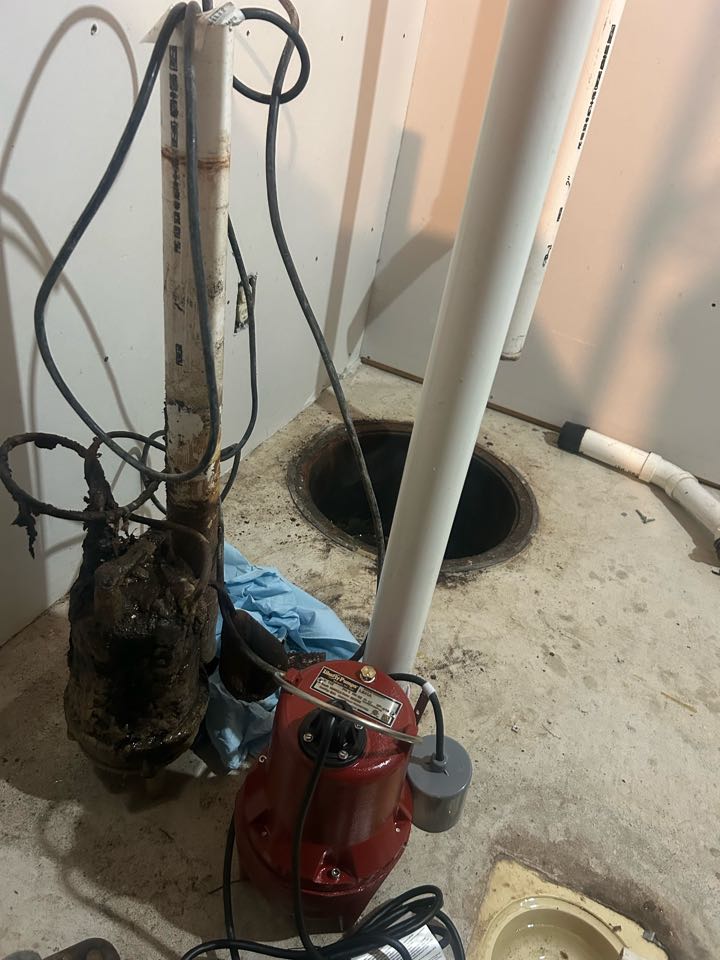
Immediate Septic Solutions in Rapids Area
If you’re facing septic issues in the Rapids area, you know how quickly the situation can worsen. The unique terrain and weather conditions here can exacerbate problems such as gurgling drains, unpleasant odors, and pooling water in your yard. It’s crucial to address these signs promptly, as they may indicate a failing septic system or blockage. So, what steps should you take next?
Understanding the fundamentals of your septic system, including its components and maintenance needs, is essential. For residents in the Rapids area, factors like soil composition and seasonal rainfall can impact your system’s performance. It is vital to recognize when it is time to call for professional assistance.
If you’re experiencing issues, consider reaching out to local experts who understand the specific challenges of septic systems in our region. They can provide immediate solutions tailored to the unique conditions of the Rapids area. Don’t wait until the problem escalates; taking action now can help ensure your septic system operates smoothly for years to come.
Understanding Septic System Basics
Septic systems play a crucial role in managing waste for homes not connected to a municipal sewer, especially in rural areas where such connections aren’t feasible. These systems treat and dispose of wastewater on-site, protecting both your property and the surrounding environment.
In regions with heavy clay soils, for example, drainage can be a significant challenge, as these soils tend to retain water, potentially leading to system backups or failures.
A typical septic system consists of a tank and a drain field. Wastewater flows from your home into the tank, where solids settle at the bottom, forming sludge, while lighter materials float to the top as scum. The clarified liquid then exits the tank and enters the drain field, where it’s filtered through soil.
However, in areas with high water tables, the effectiveness of the drain field can be compromised, requiring special considerations during installation.
Regular maintenance, such as pumping the tank every three to five years, ensures your system operates efficiently. In some locales, seasonal flooding or heavy rainfall can exacerbate existing drainage issues, making routine checks even more critical.
Understanding these basics helps you take better care of your system and prevent costly issues down the line, especially in regions prone to environmental challenges.
Signs of a Septic Emergency
Recognizing the signs of a septic emergency is crucial for homeowners in regions where the soil can become saturated, especially after heavy rainfall.
In areas with clay-rich soil, for instance, drainage issues can exacerbate septic problems. If you hear gurgling sounds coming from your drains or toilets, this may indicate a blockage in your system that requires immediate attention.
Be mindful of foul odors near your home or yard, as these can signal a potential overflow or leak, particularly during the rainy season when the ground is already saturated.
Additionally, if your yard appears soggy or you notice pooling water near the septic tank, it’s essential to take action.
Slow-draining fixtures or frequent backups can also indicate underlying issues that need to be addressed.
Furthermore, if you observe unusually lush, green grass over your septic area while the rest of your yard appears dry, it could suggest a leak in the system.
Given the local climate and soil conditions, it’s vital to not ignore these signs. Addressing them promptly can help prevent costly repairs and protect your health.
Importance of Regular Maintenance
While many homeowners in our region may overlook their septic systems, regular maintenance is crucial to ensure they operate effectively and efficiently. The unique soil and climate conditions here can present specific challenges, such as seasonal flooding or heavy rainfall, which can impact your septic system’s performance.
By scheduling routine inspections and pump-outs, you can avoid costly repairs and potential health hazards associated with system failures. Monitoring your system allows you to identify minor issues before they escalate into significant problems.
This proactive approach also extends the lifespan of your septic system, ultimately saving you money in the long run. It’s important to be mindful of what goes down your drains, as certain substances, like grease or chemicals, can severely harm your system.
Regular maintenance ensures that your septic tank operates at peak performance, providing peace of mind for you and your family. With the specific environmental challenges we face, don’t wait until it’s too late—invest in your septic system now to safeguard your home and health.
Common Septic Issues in the Rapids Area
In the Rapids area, homeowners often encounter specific septic issues that can impact their plumbing systems.
One common challenge is the presence of heavy clay soils, which can lead to clogged drain fields.
Additionally, the local climate can affect the frequency of septic tank pumping, as excessive rainfall may hinder proper drainage and increase the risk of system failure.
Addressing these issues in a timely manner is essential to prevent costly repairs and ensure the longevity of your septic system.
Clogged Drain Field
A clogged drain field is one of the most common septic issues homeowners face in the Rapids area. Due to the region’s clay-heavy soil and high water table, drain fields can easily become saturated or blocked. This leads to wastewater not flowing properly, resulting in backups and unpleasant odors.
You might notice soggy patches in your yard, slow drains inside your home, or even sewage surfacing on your property. These symptoms indicate that your drain field needs immediate attention.
To prevent clogging, it’s crucial to avoid flushing non-biodegradable items and to limit water usage during periods of heavy rain, as the ground can become overly saturated.
Regular maintenance, such as checking for tree roots or compacted soil, can also help keep your drain field functioning effectively. If you’re experiencing problems, don’t hesitate to reach out to a local professional for a thorough inspection and appropriate solutions tailored to the unique challenges of the Rapids area.
Pumping Frequency Issues
Many homeowners in the Rapids area underestimate the importance of regular septic tank pumping. In this region, where heavy rains and fluctuating groundwater levels are common, neglecting this task can lead to serious problems.
If you don’t pump your tank often enough, solids can build up, causing clogs and backups in your system. This not only affects your home but can also lead to contamination of local groundwater, which is a significant concern for the community.
Typically, you should pump your septic tank every 3 to 5 years, depending on your household size and usage. However, in the Rapids area, where many residents enjoy hosting gatherings or have larger families, you may need to increase that frequency.
Regular pumping is essential to maintaining your system’s efficiency and protecting your investment in your home. Don’t wait until issues arise; take proactive steps to ensure your septic system operates smoothly and safely.
Emergency Septic Pumping Services
When your septic system fails unexpectedly in our area, immediate help is crucial to prevent further damage and health risks. Emergency septic pumping services are vital in these situations, especially considering the unique challenges posed by our local climate and soil conditions.
Heavy rainfall or prolonged dry spells can exacerbate septic issues, making prompt action even more important. Professionals with experience in our region can quickly remove excess waste and restore your system’s functionality.
Delays in addressing septic problems can lead to costly repairs and potential health hazards, particularly in densely populated neighborhoods where systems are closely situated. Many emergency services operate around the clock, ensuring you receive assistance whenever you need it.
Septic System Repair Options
When your septic system needs repair, understanding your options can help you save both time and money.
Living in an area with clay soils or high water tables can present unique challenges, as these conditions can affect the performance of your septic system.
Common repair techniques can address various issues, but maintaining your system through regular inspections and pumping is crucial to avoid future problems.
Let’s explore these strategies to ensure your system operates effectively in our local environment.
Common Repair Techniques
Septic system repairs can be particularly challenging in areas with heavy clay soil, which tends to retain water and can lead to saturated drain fields. Understanding common techniques can make the repair process smoother.
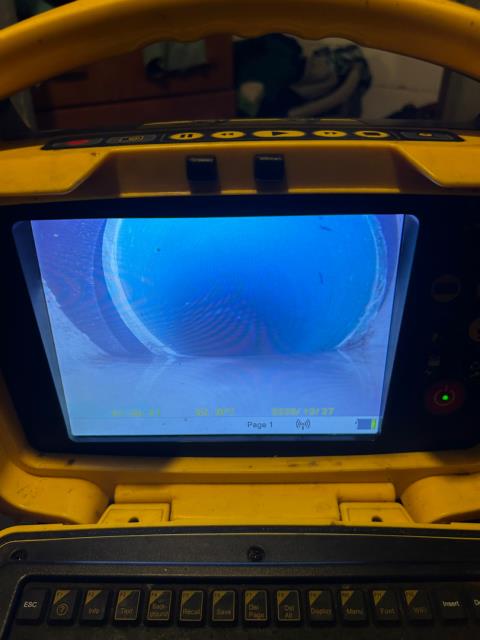
One effective method is the use of a sewer camera to identify blockages or damage within the pipes. This technology allows for precise detection of issues, helping to avoid unnecessary digging and repairs that can be disruptive to your landscape.
In regions where drain fields are prone to saturation, utilizing pumps to remove excess waste can help restore normal function. If you find that your system isn’t draining properly, installing a new distribution box can significantly improve flow and distribute waste more evenly across the drain field.
Additionally, in climates with fluctuating temperatures, it’s important to address any damaged or cracked pipes promptly, as freezing and thawing cycles can exacerbate existing issues. For smaller repairs, sealing leaks with appropriate sealants can provide a quick and effective solution.
It is always advisable to consult a professional who’s familiar with local soil conditions and regulations to determine the best approach for your specific situation. This way, you can ensure that your septic system operates efficiently and remains compliant with local guidelines.
Preventative Maintenance Tips
To keep your septic system running smoothly, regular preventative maintenance is key. In areas with heavy rainfall or fluctuating soil conditions, it’s particularly important to have your system inspected at least once a year. This helps identify potential issues before they escalate into costly repairs.
Depending on your household size and usage, you should also schedule pump-outs every 3 to 5 years. Be mindful of what you flush or wash down the drain, especially in regions where septic systems are more susceptible to failure due to high water table levels. Avoid chemicals and non-biodegradable items that can harm your system.
Keeping your drain field clear of debris and plant roots is essential, especially in locales where invasive plant species may encroach and disrupt proper drainage. Additionally, educate your family about septic care to promote good habits tailored to your local environment.
Choosing the Right Septic Service Provider
How can you ensure you’re selecting the right septic service provider in your area? Start by seeking local companies with strong reputations. Look for reviews online and ask neighbors for their recommendations, as they can provide firsthand insights into their experiences.
Additionally, consider the unique challenges in your region, such as soil types and local regulations, that may affect septic system maintenance and installation.
Next, verify their credentials by confirming they’re licensed and insured. This is crucial in protecting yourself from potential liabilities that could arise from substandard work.
Inquire about their experience and the variety of services they offer. A reputable provider should manage everything from system installations to emergency repairs, especially given the unpredictable nature of weather in this area that can impact septic systems.
It’s also wise to ask about their response time and availability; you want a provider who can respond promptly when you need assistance.
Finally, gather estimates from several providers. Compare their costs while considering the quality of their services. By following these steps, you’ll feel assured in your decision and ensure your septic system is entrusted to capable professionals.
Preventative Measures for Your Septic System
Maintaining your septic system is essential for preventing costly repairs and ensuring its longevity, especially in regions where soil conditions can impact system performance.
Start by scheduling regular inspections and pumping every three to five years. This keeps solids from accumulating and clogging your system, which is particularly important in areas with clay soil that can retain water.
Be mindful of what you flush; avoid disposing of non-biodegradable items, oils, or chemicals. Local ordinances may also restrict certain waste disposal methods, so be sure to follow regulations specific to your area.
During heavy rain, limit water usage to prevent overloading your system, as many localities experience runoff that can exacerbate drainage issues.
Additionally, keep trees and shrubs away from the drain field; their roots can cause significant damage. Different tree species prevalent in the region may have aggressive root systems, making it crucial to choose appropriate landscaping options.
Use septic-safe products to protect the bacteria vital for breaking down waste, particularly in environments where local wildlife might alter the ecosystem balance.
Finally, educate your household about proper septic care so everyone knows how to help maintain your system. This community awareness can be especially important in neighborhoods where septic systems are common.
With these preventative measures, you can extend the life of your septic system and avoid unexpected issues, ensuring a healthy environment for your family and community.
Cost Considerations for Septic Services
While you might be focused on keeping your septic system in good shape, understanding the costs associated with septic services is equally important.
In many areas, regular maintenance, like pumping and inspections, is essential to avoid potential issues. The frequency and pricing of these services can vary based on the size of your system and local market conditions.
If problems do arise, repairs can quickly become costly, with minor fixes often needing a significant investment and major repairs potentially leading to substantial expenses.
In regions with specific soil types or strict local regulations, the installation of a new system can also be a considerable financial undertaking.
It’s wise to budget for unexpected expenses, particularly in locations prone to environmental challenges that can affect septic systems.
Investing in preventative measures, such as routine maintenance and early detection of issues, can help you avoid expensive repairs down the road.
This proactive approach not only saves money but also ensures your septic system functions smoothly, adapting to the unique needs of your area.
Resources for Septic System Education in Rapids
To keep your septic system operating efficiently in Rapids, it’s crucial to grasp the fundamentals. Local challenges such as varying soil types and seasonal weather patterns can impact your system’s performance.
Familiarizing yourself with maintenance best practices can help you save both time and money, while being aware of common issues that may arise in our area allows you to respond promptly when problems occur.
Let’s take a look at some valuable resources available in Rapids to enhance your understanding of septic systems and ensure their longevity in our unique environment.
Understanding Septic System Basics
Understanding the basics of septic systems is essential for homeowners in Rapids, particularly because these systems play a crucial role in managing household wastewater. In this region, the combination of varying soil types and seasonal weather patterns can pose unique challenges for septic systems.
A typical septic system consists of a tank and a drainage field. Wastewater flows from your home into the tank, where solids settle at the bottom and liquids flow out. The bacteria in the tank break down waste, while the drainage field allows treated water to percolate back into the ground.
It is important to recognize that your septic system requires regular maintenance to function effectively. Homeowners should be vigilant for common signs of distress, such as foul odors or slow drains, which can indicate underlying issues.
Additionally, understanding the impact of local soil composition and drainage characteristics can help you make informed decisions about the care and upkeep of your system. This knowledge empowers you to address potential problems before they escalate, ensuring your septic system operates smoothly throughout the year.
Maintenance Best Practices
Regular maintenance is crucial for keeping your septic system in top shape, and knowing the best practices can make all the difference. In areas prone to heavy rainfall, schedule regular inspections every three to five years to catch potential issues early, as excess moisture can affect the performance of your system.
Pump your tank as recommended, typically every three to five years depending on your household’s usage and local regulations. Be mindful of what you flush; avoid products that contain harsh chemicals, and steer clear of flushing non-biodegradable items, which can be particularly problematic in regions with specific soil types.
In many locations, the drain field can be compromised by heavy vehicles, so keep this area clear. Additionally, avoid planting trees nearby since their roots can invade and damage your system, especially in areas where certain tree species thrive.
Lastly, maintain water efficiency in your home to reduce overload on your septic system. By following these practices tailored to your local environment, you’ll ensure your septic system operates efficiently and lasts longer, ultimately saving you time and money in the long run.
Troubleshooting Common Issues
Septic systems can encounter a variety of issues, and recognizing the signs early can save you from costly repairs.
In regions with heavy rainfall, you might notice slow drainage or gurgling sounds, which could indicate a blockage or a full tank due to excess water. Additionally, if you detect sewage odors around your yard, it may signal a leak or overflow, especially after storms.
In areas with sandy soil, keep an eye on lush, green patches in your lawn; they could indicate that the system is failing, as the excess nutrients from the septic system may promote unusual plant growth.
Frequent backups can also be a common issue in neighborhoods with older infrastructure, prompting the need to contact a professional.
Regular inspections and maintenance are crucial, particularly in locales with varying soil conditions or fluctuating water tables.
Staying informed about the specific challenges your septic system may face in your area can help you troubleshoot potential problems before they escalate. By being proactive, you can ensure that your septic system operates smoothly for years to come.
Conclusion
In the Rapids area, addressing septic issues promptly is essential to avoid costly repairs and maintain the longevity of your system. Local factors, such as soil composition and seasonal weather changes, can exacerbate septic problems, making it crucial to recognize the signs of a septic emergency. By choosing experienced professionals familiar with the unique challenges of the Rapids region, you can ensure your home remains safe and functional.
Don’t wait until it’s too late—regular maintenance and quick interventions are vital to keeping your septic system in optimal condition. Be proactive about safeguarding your investment and enjoy the peace of mind that comes with knowing your septic system is well cared for.