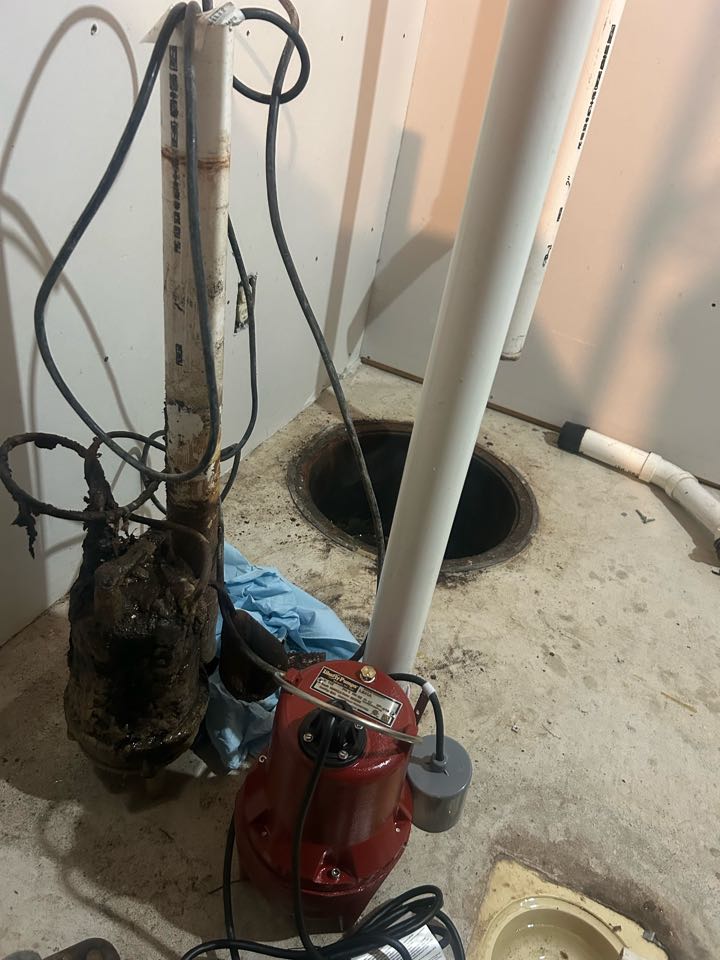
Minnesota Pipe Material Choices Explained
When choosing pipe materials in Minnesota, one must take into account the region’s severe winters and the risk of frost heave. The state experiences significant temperature fluctuations, which can lead to ground movement that affects underground piping. With options like PEX and HDPE providing both flexibility and durability, homeowners face important decisions that influence both performance and maintenance needs. Will you opt for traditional choices like cast iron, known for its soundproofing qualities, or will you lean towards modern materials designed to endure the cold? Striking a balance between initial investment and long-term reliability is crucial, prompting careful consideration of all factors involved.
Understanding Minnesota’s Climate and Its Impact on Pipe Materials
Given Minnesota’s harsh climate, selecting the right pipe materials is essential for ensuring durability and functionality. The state is known for its long, freezing winters and the potential for frost heave, conditions that can lead to pipes cracking or bursting.
It’s important to choose materials that can withstand extreme temperature fluctuations and resist corrosion.
In Minnesota, plastic pipes such as PEX or PVC are excellent options due to their flexibility and resilience, making them suitable for underground installation in areas that experience significant ground movement.
Copper pipes, recognized for their durability, can also be effective, although they may require additional insulation to prevent freezing during the coldest months.
By taking Minnesota’s unique climate challenges into account, you can make informed decisions that ensure your plumbing system remains intact and efficient.
This proactive approach helps avoid costly repairs and ensures a reliable water supply throughout the year.
Traditional Pipe Materials: Cast Iron and Steel
While modern materials like PEX and PVC are often favored in Minnesota, traditional pipe materials such as cast iron and steel still find their place in certain applications.
These time-tested materials offer unique benefits that might suit your specific needs, especially considering the region’s climate and infrastructure challenges.
Cast iron is known for its excellent soundproofing qualities, making it ideal for reducing noise in plumbing systems, which can be especially beneficial in densely populated areas or multi-family buildings.
Steel, on the other hand, is recognized for its durability and strength, which can be essential for high-pressure systems often encountered in industrial applications.
Here are some of the advantages of these materials:
- Longevity: Both materials can last for decades with proper maintenance, making them a reliable choice for long-term projects in Minnesota’s variable weather conditions.
- Fire Resistance: They don’t burn, offering an added layer of safety, which is a significant consideration in any construction project.
- Recyclability: Cast iron and steel are environmentally friendly options due to their easy recyclability, aligning well with Minnesota’s commitment to sustainability.
When selecting materials for plumbing or construction projects, consider these factors to ensure you meet both your needs and local regulations effectively.
The Rise of PVC: Pros and Cons
As modern plumbing evolves, PVC has surged in popularity due to its affordability and versatility. Its lightweight nature makes installation straightforward, which can lead to reduced labor costs and time.
PVC doesn’t corrode or rust, ensuring a longer lifespan compared to some metals. Additionally, it’s highly resistant to chemical damage, making it suitable for various plumbing applications.
However, PVC has its drawbacks. It isn’t suitable for hot water pipes, as high temperatures can cause it to warp or degrade.
In regions with extreme temperatures, like the harsh winters experienced in this area, PVC can become brittle and prone to cracking.
Moreover, while PVC is recyclable, it’s considered less environmentally friendly than some alternatives.
It’s important to weigh these pros and cons when selecting your plumbing material.
Copper Pipes: Durability and Performance
Copper pipes have long been a staple in plumbing systems due to their exceptional durability and reliable performance. When considering materials for plumbing in areas with fluctuating temperatures, such as regions that experience harsh winters or sweltering summers, copper stands out for several reasons.
First, it’s resistant to corrosion, meaning it won’t rust or degrade as quickly as some other materials. This guarantees that your plumbing system remains intact and efficient over time, even in challenging climates.
Additionally, copper pipes can handle higher temperatures and pressures, making them ideal for both hot and cold water lines. In places where water quality can be an issue, you can also enjoy these benefits:
- Longevity: Copper pipes can last over 50 years, reducing the need for frequent replacements and minimizing disruptions.
- Safety: They don’t release harmful chemicals into the water, which is especially important in areas where water contamination is a concern, guaranteeing safe drinking water for your family.
- Environmentally Friendly: Copper is recyclable, contributing to sustainability efforts, which is increasingly relevant as communities strive to reduce their environmental footprint.
Choosing copper means investing in a durable, high-performance plumbing system that can withstand local challenges while ensuring reliability and safety for many years.
PEX Pipes: Flexibility and Adaptability
In plumbing, having a variety of material choices is crucial, especially considering local challenges such as fluctuating temperatures and unique building structures. PEX pipes are a prime example of how flexibility can address these issues effectively.
Their ability to bend around corners and obstacles simplifies installation in tight spaces often found in older homes or urban environments. Unlike rigid materials, PEX can navigate tricky areas without the need for additional fittings, which minimizes potential leak points.
Additionally, PEX’s adaptability is exceptional, making it suitable for both hot and cold water applications. Its resistance to scale and chlorine is particularly beneficial in regions where water quality may vary, reducing maintenance needs over time.
Many homeowners find that PEX is a more budget-friendly alternative to traditional copper pipes, allowing for cost-effective plumbing solutions without compromising on quality.
Therefore, when seeking a versatile option for your plumbing needs, PEX pipes emerge as a reliable and adaptable choice for local challenges.
High-Density Polyethylene (HDPE): An Emerging Choice
When considering innovative plumbing solutions in Minnesota, High-Density Polyethylene (HDPE) emerges as a compelling option. Its flexibility and durability provide distinct advantages over traditional plumbing materials, particularly in the face of the region’s unique environmental challenges.
Minnesota’s harsh winters and fluctuating temperatures make HDPE an appealing choice due to its resilience and environmentally friendly properties.
Here’s why HDPE could be the ideal selection for your plumbing projects:
- Corrosion Resistance: HDPE pipes are highly resistant to chemical corrosion, ensuring they can endure Minnesota’s diverse weather conditions without compromising their integrity. This resistance contributes to a longer lifespan and can lead to reduced maintenance needs over time.
- Leak-Free Joints: The heat-fused joints of HDPE pipes create a secure seal, significantly minimizing the risk of leaks. This feature is particularly beneficial in areas prone to freezing temperatures, where leaks can lead to costly damage and repairs.
- Eco-Friendly: Constructed from recyclable materials, HDPE supports sustainable building practices, which is increasingly important in Minnesota’s commitment to environmental stewardship.
Opting for HDPE can enhance the efficiency and reliability of your plumbing projects, combining durability with sustainable solutions that are well-suited to the local climate.
Considerations for Pipe Material Selection in Cold Weather
When selecting pipe materials for cold weather in Minnesota, it’s crucial to consider how they respond to the state’s harsh winter conditions, including freezing temperatures and thermal expansion.
Materials that can withstand expansion without cracking are essential. Flexible materials such as PEX or HDPE are excellent choices, as they maintain their integrity when water freezes inside, which is particularly important given the extreme cold experienced here.
Rigid materials like PVC may become brittle in these conditions, posing a risk of breaks and leaks.
Insulation plays a vital role in protecting pipes from freezing temperatures. Adding insulation wraps or sleeves can significantly enhance the resilience of your plumbing system.
Additionally, installation depth is critical; burying pipes below the frost line, which can vary across different regions in Minnesota, is an effective way to shield them from freezing.
Furthermore, it’s important to ensure that joints and connections are robust. This precaution helps prevent leaks during severe cold spells, which are common in Minnesota winters.
Corrosion Resistance: Choosing the Right Material
Selecting the right pipe material for corrosion resistance is crucial to ensuring the longevity and reliability of your plumbing system, especially in regions prone to specific environmental challenges.
For instance, areas with high mineral content in the water or aggressive soil conditions can significantly impact the choice of materials.
Here are some materials that offer excellent corrosion resistance suited for different locations:
- Copper: Known for its durability and ability to resist corrosion, copper is a popular choice among homeowners in many regions. It stands up well against the corrosive effects of natural elements and is relatively easy to install and maintain, making it a reliable option.
- PEX (Cross-linked Polyethylene): This flexible plastic piping is resistant to both corrosion and scaling, making it an excellent option for modern plumbing systems. It’s particularly advantageous in climates where freezing temperatures can lead to pipe damage, as it can expand and contract without breaking.
- Stainless Steel: While it may require a higher initial investment, stainless steel provides superior resistance to corrosion and is ideal for areas with harsh environmental conditions, such as coastal regions where exposure to salt can be detrimental.
Choose wisely to avoid costly repairs and ensure the durability of your plumbing system in the face of local environmental challenges.
Environmental Considerations for Pipe Materials
Considering environmental factors is essential when choosing pipe materials for your plumbing system, especially in regions prone to specific ecological challenges. For instance, areas with high levels of industrial activity may face greater risks of harmful substances leaching from certain materials into the environment. Thus, prioritizing materials with minimal environmental impact is crucial.
Opt for pipes made from recycled or sustainably sourced materials. Copper is a recyclable option that doesn’t contribute to landfill waste and is durable, reducing the need for frequent replacements. In coastal regions, where the risk of corrosion is higher, polyethylene pipes may be a better choice due to their lower carbon footprint during production compared to metals.
It is important to avoid materials that can release harmful substances, particularly in areas where water quality is a concern. Certain plastics have been known to leach chemicals over time, which can pose risks to both the environment and public health.
Additionally, consider the energy required to produce and transport these materials, particularly in regions with limited infrastructure. By making eco-friendly choices, you aren’t only protecting the environment but also contributing to a sustainable future for your community.
Cost-Effectiveness: Balancing Budget and Performance
While managing costs is a crucial aspect of selecting pipe materials, it shouldn’t compromise performance and durability. In Minnesota, the selection of pipes necessitates a careful balance between budget considerations and the need for reliable infrastructure.
It’s important to evaluate short-term savings against potential long-term expenses, such as repairs or replacements. When making your decision, keep in mind the following factors:
- Material Durability: Choose materials that are resistant to corrosion and have a track record of longevity, which can help minimize future costs associated with replacements.
- Installation Costs: Some materials may appear more affordable initially, but their installation processes could lead to higher expenses in the long run.
- Maintenance Needs: Pipes that require less maintenance can lead to significant savings over time, making them a wise choice for the long-term.
Additionally, Minnesota’s unique climate poses specific challenges, such as freeze-thaw cycles that can impact the performance of certain materials.
It’s essential to consider how different pipe materials will hold up against these local environmental conditions to ensure lasting infrastructure.
Conclusion
In Minnesota, selecting the appropriate pipe material hinges on achieving the ideal balance between performance, cost, and environmental impact. One must consider the state’s harsh winters and the risk of frost heave, which can significantly affect underground installations. PEX and HDPE are popular choices due to their flexibility and resistance to cracking in cold temperatures. Meanwhile, traditional materials such as cast iron and steel are known for their durability and long lifespan, although they may require more maintenance over time.
In areas with high moisture content, PVC can be an attractive option because of its resistance to corrosion and affordability. Copper pipes, while more expensive, offer exceptional durability and are less prone to leaks. Ultimately, your decision should reflect a combination of these factors to ensure reliable performance and reduced maintenance needs in Minnesota’s unique climate.