Protecting Drain Lines in Cold Weather
As winter approaches in our region, it’s essential to prioritize the protection of your drain lines against freezing temperatures. Local conditions can pose unique challenges, such as the sudden drops in temperature that can occur in the evenings, leading to potential blockages from ice or debris. A small obstruction can escalate into significant issues, including burst pipes and costly repairs.
By familiarizing yourself with the best practices for preventing these problems, you can ensure your home remains safe and efficient throughout the cold months. Consider insulating exposed pipes, especially those located in unheated areas such as crawl spaces or attics, which are more susceptible to freezing. Additionally, keeping your home’s thermostat set to a consistent temperature, even at night, can help maintain warmth in the areas where your pipes are located.
Be proactive by regularly checking for any signs of leaks or blockages and addressing them promptly. Curious about further measures to guarantee your pipes remain in excellent condition during the harsh winter months?
Understanding the Risks of Frozen Pipes
As the temperatures drop in regions known for their cold winters, the risk of frozen pipes becomes a significant concern that can lead to costly damage in homes.
When water freezes, it expands, and this can cause pipes to crack or burst. Unfortunately, homeowners may not notice any issues until the ice thaws, which can lead to water damage, mold growth, and expensive repairs. Even a small crack can result in gallons of water flooding your living space.
To understand the risks, it’s essential to identify which pipes are most vulnerable in colder climates. Pipes located in unheated areas such as basements, attics, or garages, as well as those running along exterior walls, are particularly at risk.
In many regions, these pipes can freeze quickly during severe cold spells, leading to potential disasters.
Being proactive about protecting your pipes, such as insulating them or allowing a slow drip of water to flow during extreme cold, can make a significant difference.
Monitoring local weather forecasts and taking the necessary precautions will help you avoid the hassle and expense associated with dealing with frozen pipes during the winter months.
Insulating Your Pipes for Winter
To effectively safeguard your pipes from winter’s chill, insulating them is an essential step you shouldn’t overlook. In regions where temperatures can plummet, particularly in areas with unheated spaces such as basements, attics, and crawl spaces, identifying the most vulnerable pipes is crucial.
Take the time to measure the length and diameter of these pipes to determine how much insulation you’ll need.
Next, choose the right type of insulation that suits your local climate. Foam pipe sleeves are a popular choice due to their ease of installation. Simply cut them to size and fit them snugly around your pipes. Use duct tape to secure them and seal any gaps you may find.
Be sure to also insulate pipe joints and bends, as these areas can be particularly susceptible to freezing. By insulating your pipes, you can significantly reduce the risk of freezing, which can prevent costly repairs down the line, especially in regions where winter weather can be harsh.
Ensuring Proper Drainage and Flow
Although winter in our region brings unique challenges, ensuring proper drainage and flow in your plumbing system is critical to prevent backups and damage.
Start by clearing any debris from gutters and downspouts, as blockages can lead to water pooling and freezing, especially with the heavy snowfall we often experience. Check that all drains are free from obstructions, and consider using a mix of baking soda and vinegar to naturally clear minor clogs. After that, running hot water periodically can help keep everything moving smoothly.
It is also essential to verify that all outdoor drains are clear, as melting snow can create significant runoff. If you notice slow drainage, it’s best to address it immediately before it worsens.
Pay attention to signs like gurgling sounds or foul odors, which may indicate potential clogs. By taking these proactive measures, you’ll help maintain optimal flow and avoid winter plumbing issues that can arise in our area.
Regular Maintenance and Inspection Tips
Despite the challenges posed by the cold winters in our region, regular maintenance and inspection of your plumbing system can greatly enhance its longevity and efficiency.
Start by checking for any visible leaks or drips, as leaks can lead to significant issues if left untreated, especially during freezing temperatures common in our area. Examine exposed pipes, particularly those in unheated spaces like basements or crawl spaces, for signs of wear and insulate them if necessary to prevent freezing.
It’s essential to clear any debris from gutters and downspouts to ensure proper water flow away from your home, especially considering the heavy snowfall we often experience.
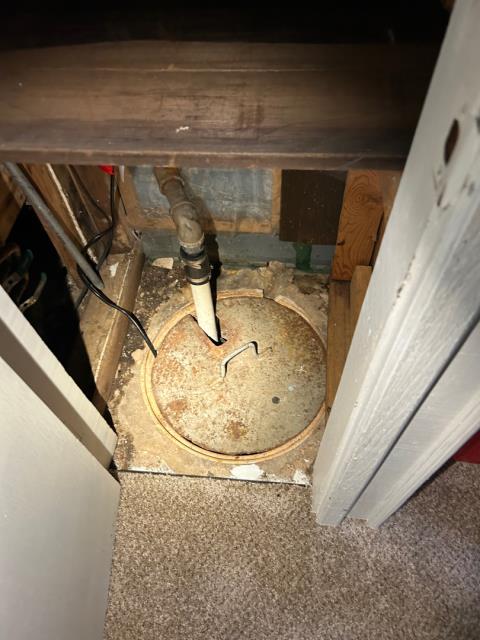
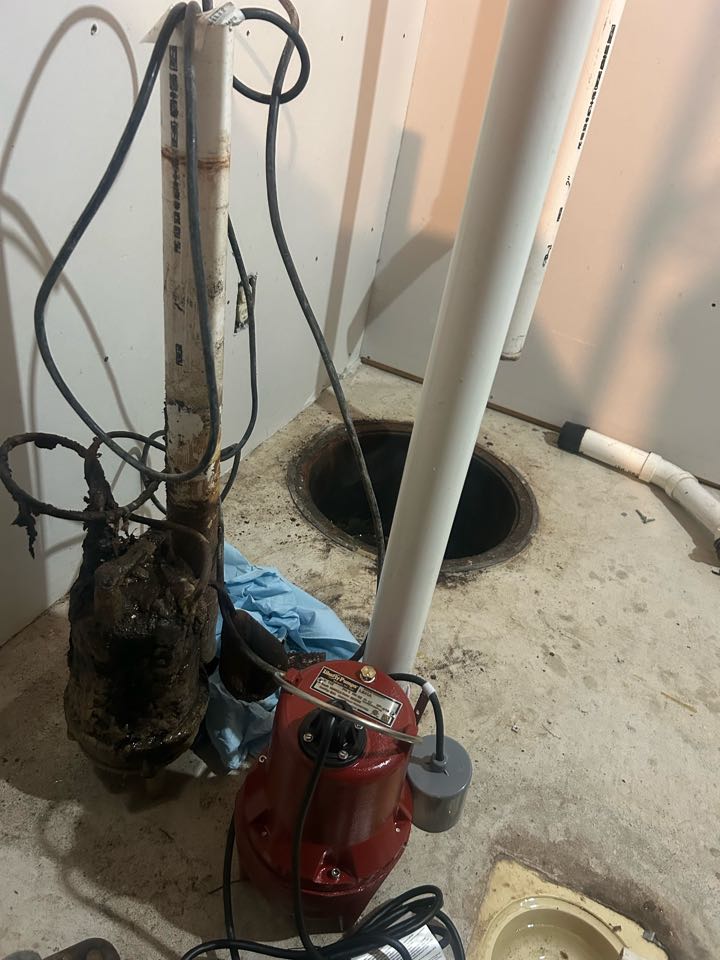
Additionally, don’t forget to test your sump pump, as it plays a critical role in handling increased water levels during melting snow or rain. Regularly running water through seldom-used drains can also help prevent stagnant water from freezing and causing clogs.
Emergency Measures for Freezing Conditions
As temperatures plummet and freezing conditions become imminent, it’s crucial for residents in regions prone to harsh winters to implement emergency measures to protect your drain lines.
Start by allowing a slow trickle of water to flow through faucets, as moving water helps prevent pipes from freezing. In areas where temperatures can drop significantly overnight, consider opening cabinet doors under sinks to let warm air circulate around pipes.
If you have access to heat tape, wrapping it around vulnerable pipes can provide much-needed warmth during extreme cold snaps. In severe cases, using a space heater in enclosed areas like basements can help maintain a more temperate environment.
Additionally, ensure that any outdoor hoses are disconnected and properly drained to avoid ice formation. For those with water supply lines running through garages, keeping the garage doors closed is essential to minimize exposure to the cold.
These immediate actions can help you avoid costly repairs and ensure your drain lines remain functional during intense winter weather.
Long-Term Solutions for Cold Weather Protection
When seeking long-term protection for drain lines against cold weather, investing in proper insulation is crucial, particularly in regions known for extreme winter temperatures.
In areas where temperatures frequently drop below freezing, using high-quality materials specifically designed for plumbing applications becomes even more important. Foam pipe insulation is a highly effective choice, as it’s easy to install and offers excellent thermal protection, particularly in climates characterized by sharp temperature fluctuations.
In addition to insulation, consider the use of heat tape or cables. These products can be wrapped around pipes and plugged in to help maintain a consistent temperature, significantly reducing the risk of freezing.
It’s advisable to select products that include a built-in thermostat for enhanced efficiency, especially in locations where prolonged cold spells are common.
Regular maintenance is essential. For example, inspect your insulation for signs of wear or damage and replace it as necessary.
Additionally, sealing gaps or cracks in walls where pipes are located can help minimize the intrusion of cold air, which is particularly important in older buildings or those with less effective weatherproofing.
Conclusion
To keep your drain lines safe during the cold winters typical of this region, it is essential to clear debris regularly and run hot water through the system. Given the local climate, insulating exposed pipes is crucial to prevent them from freezing. It is also advisable to check for clogs using a mixture of baking soda and vinegar, as local minerals can contribute to buildup. Regular inspections of your drains can help identify potential issues early on, especially before the temperatures drop significantly. In case of emergencies, prompt action is important to prevent damage. By following these specific steps, you can ensure your plumbing remains in excellent condition, even during the harshest winter weather. Stay proactive and protect your home!