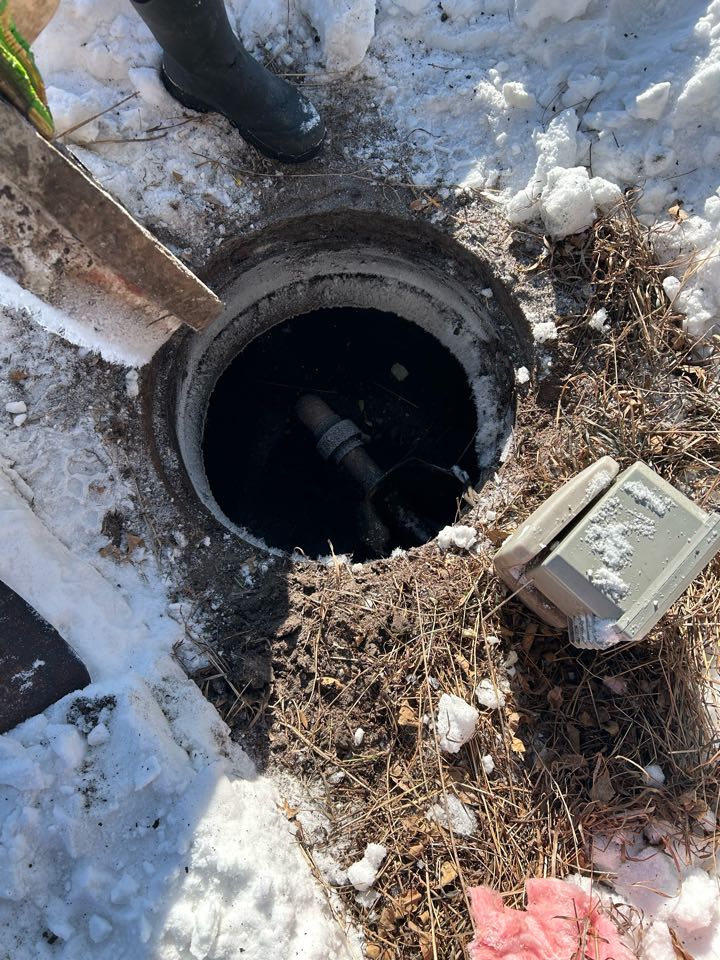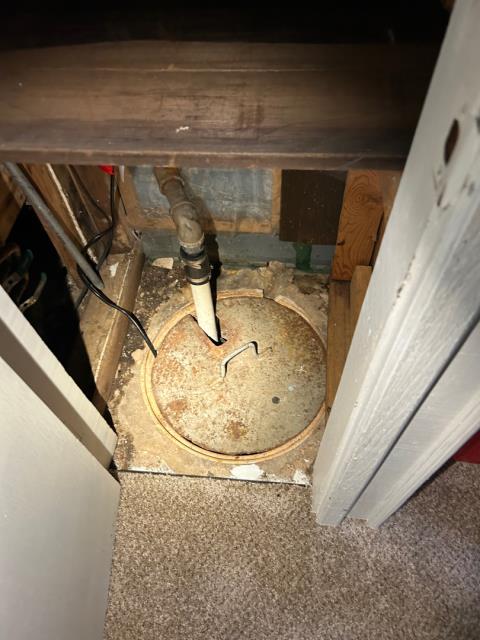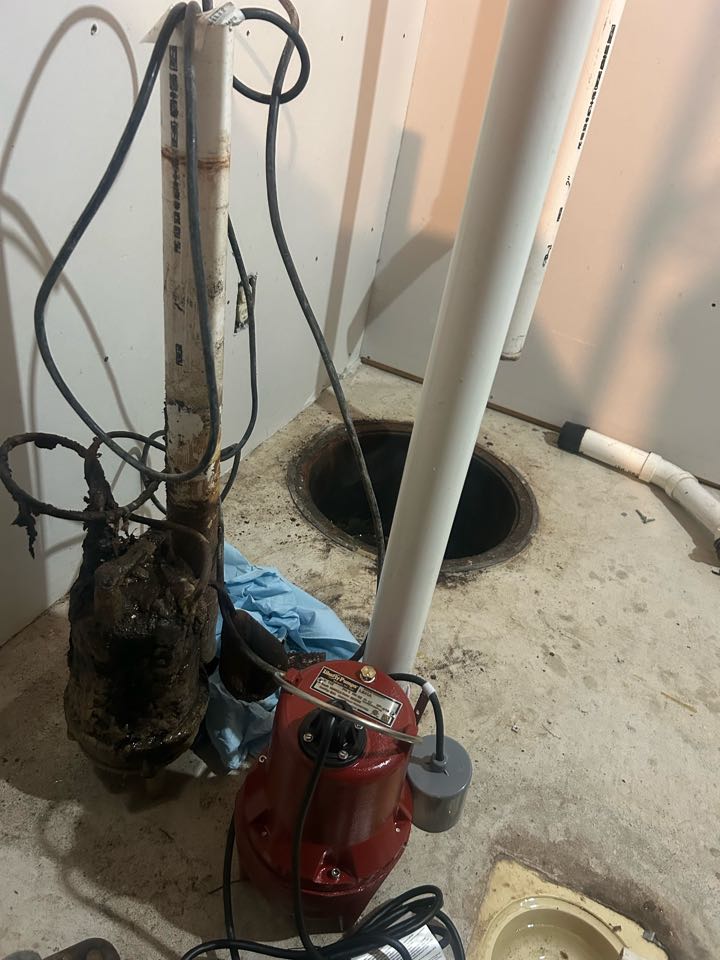
Reliable Emergency Septic Solutions in Sauk Rapids
When it comes to your home’s septic system, unexpected failures can be a significant headache, especially in Sauk Rapids where the local soil composition and weather conditions can exacerbate issues. Homeowners may notice unpleasant odors, slow drains, or even backups, particularly after heavy rainfall or during the winter months when the ground is frozen. It’s crucial to have reliable emergency septic solutions available at a moment’s notice. Being informed about common local challenges, such as the impact of seasonal changes on septic systems, can help you respond effectively when issues arise. Knowing whom to trust for assistance is equally important, as local expertise can make a difference in resolving your septic concerns efficiently and effectively.
Understanding Septic System Basics
Septic systems play a crucial role in managing wastewater in rural and suburban areas that lack access to municipal sewage services. In regions with high water tables, for instance, homeowners may face unique challenges in maintaining their systems.
The typical setup involves a tank and a drain field that work together to treat and dispose of household wastewater safely. When wastewater is flushed or drained, it enters the septic tank, where heavier solids settle to the bottom, creating sludge. Meanwhile, bacteria work to break down these solids, while lighter substances rise to the surface, forming scum.
In areas with sandy soil, the drainage and filtration may occur more rapidly, which can be beneficial, but it can also lead to faster system saturation. Conversely, clay-heavy soils may impede drainage, increasing the risk of backups and system failure.
The liquid effluent then flows into the drain field, where it’s further filtered through the soil, allowing for additional treatment before it reaches the groundwater. Regular maintenance, such as having the tank pumped every few years, is essential to ensure your septic system functions efficiently, especially in areas prone to flooding or heavy rain.
Signs Your Septic System Needs Emergency Attention
If you notice unpleasant odors around your yard, it’s a strong sign your septic system needs urgent help, especially in areas where the soil composition can exacerbate issues.
Slow draining fixtures can also indicate a serious problem that shouldn’t be ignored, particularly in regions where heavy rainfall may contribute to system overload.
Additionally, pooling water in your yard may signal a malfunctioning system that requires immediate attention, especially in neighborhoods with high water tables or clay soils that are less permeable.
Unpleasant Odors Emanating
When unpleasant odors start wafting from your drains or yard, it’s often a clear sign that your septic system needs immediate attention.
In regions with heavy rainfall or high groundwater levels, such odors may be particularly pronounced, as these conditions can hinder proper waste processing. You might notice a strong, sulfuric scent or even a sewage-like aroma, which can be exacerbated by local soil conditions that limit drainage.
Ignoring these odors could worsen the situation, leading to backups or system failure, especially in areas where septic systems are common and regulations are strict.
It’s essential to act quickly—don’t wait for the problem to escalate. Contact a professional septic service familiar with the specific challenges of your area to assess the situation and provide the necessary solutions.
Slow Draining Fixtures
Unpleasant odors aren’t the only red flag signaling a septic system in distress; slow draining fixtures can also indicate a need for urgent intervention.
If you notice your sinks, toilets, or bathtubs draining sluggishly, it’s essential to pay attention. In many areas, particularly those with older septic systems or heavy clay soils, these slow drains can be an early warning sign that your septic system is overwhelmed or blocked.
When multiple fixtures are affected, the issue is likely more serious and could lead to costly backups or damage if ignored.
Local weather conditions, such as heavy rainfall or drought, can exacerbate septic issues by saturating the ground or causing soil to dry out and compact, respectively.
Don’t wait for the situation to worsen. Acting quickly can save you from more extensive repairs down the line.
If you’re experiencing slow drains, it’s advisable to consult a septic professional familiar with local regulations and soil conditions to assess the problem and recommend a reliable solution.
Pooling Water Symptoms
Pooling water around your yard can signal a serious problem with your septic system, especially in areas prone to heavy rainfall or flooding. If you notice wet spots, particularly after storms that are common in our region, it’s crucial to take notice. This pooling indicates that wastewater isn’t draining properly, which can lead to more significant issues down the line.
In our local environment, you might also detect a foul odor in the air, which is a telltale sign that your system isn’t functioning correctly. Additionally, if you observe unusually lush, green grass growing over certain areas, it could be a result of nutrient-rich wastewater surfacing, which is more likely in our fertile soil conditions.
Ignoring these symptoms can lead to extensive repairs that can strain your finances, so it’s essential to act promptly. If you see pooling water or any related signs, reach out to a professional who understands the unique challenges of our local septic systems.
Taking action now will help safeguard your home’s health and prevent further damage.
Common Causes of Septic System Failures
Septic system failures can arise from several common issues that homeowners in this region often overlook. One significant cause is the overloading of the system with excessive wastewater, which can lead to backups and slow drainage. In areas with heavy rainfall or high groundwater levels, this problem can be exacerbated, as the soil may not be able to absorb the water effectively.
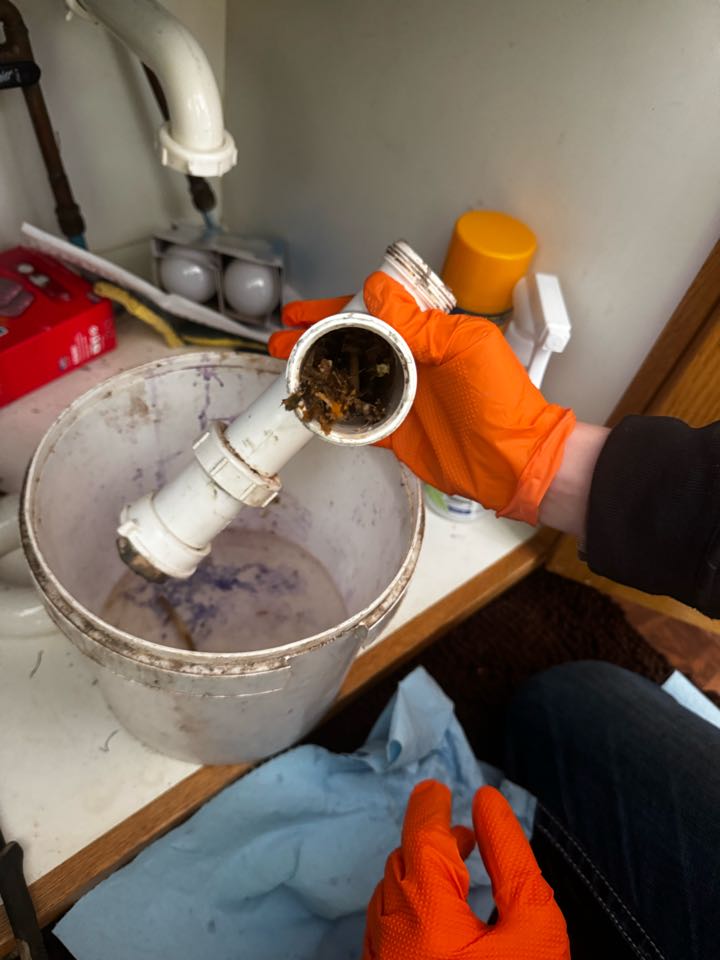
Furthermore, flushing non-biodegradable items such as wipes and feminine products can cause clogs in the pipes and disrupt the system’s proper function. Local regulations may also restrict certain waste disposal practices, making it crucial to adhere to guidelines to avoid complications.
Tree roots are another common concern, particularly in neighborhoods with mature landscaping. These roots can invade and damage septic lines, leading to blockages that are often difficult and costly to repair. Regular inspections can help identify potential root issues before they escalate.
Neglecting to pump the tank regularly is a recipe for disaster, as solids can accumulate and lead to system failure. In this climate, where septic systems may be used year-round, maintaining a pumping schedule is essential for optimal performance.
Moreover, using harsh chemicals can kill the beneficial bacteria that are necessary for breaking down waste. Homeowners should be cautious about the products they use and consider eco-friendly alternatives that won’t harm the septic system.
Finally, improper installation can create ongoing problems. Ensuring that your system is installed by a qualified professional familiar with local regulations and soil conditions can save headaches down the line.
The Importance of Regular Maintenance
Regular maintenance of your septic system is crucial for homeowners in areas with high groundwater levels or clay soils, which can complicate drainage and increase the risk of system failure.
By keeping up with routine check-ups, you can significantly extend the lifespan of your system and avoid the potential headaches associated with backups or overflows.
In regions prone to heavy rainfall or flooding, maintaining your septic system becomes even more important to prevent costly repairs.
Don’t wait for problems to surface; prioritize maintenance now to ensure your system operates efficiently and effectively.
Prevent Costly Repairs
When you overlook routine maintenance, you could face hefty repair costs in the future. In our region, where heavy rains and seasonal changes can put additional stress on septic systems, regular inspections and pumping are essential. These practices can identify issues before they escalate into major problems.
For example, a minor clog can turn into a significant backup or a system failure if left unaddressed. By keeping up with maintenance, you ensure your septic system runs smoothly, helping to prevent unexpected financial burdens that can disrupt your household budget.
Moreover, routine checks can reveal potential issues, such as leaks or malfunctioning components, early on. Taking a proactive stance not only saves you money but also alleviates the stress of unexpected emergencies.
Extend System Lifespan
Neglecting maintenance not only leads to costly repairs but can also shorten your septic system’s lifespan.
In regions with heavy rainfall or fluctuating temperatures, such as the Midwest, regular maintenance becomes even more crucial. The soil in these areas can become saturated, putting additional strain on your septic system. By scheduling routine inspections and pumping, you can identify potential issues before they escalate. This proactive approach not only prevents malfunctions but also ensures that your system operates at peak performance for years to come.
Additionally, in coastal areas where saltwater intrusion may affect the groundwater, it’s vital to be mindful of what goes down your drains. Avoid flushing non-biodegradable items or harsh chemicals, as they can disrupt the delicate balance of your septic system.
Emergency Septic Services Available in Sauk Rapids
If you find yourself facing a septic emergency in Sauk Rapids, knowing that reliable services are just a call away can provide much-needed peace of mind.
Local professionals understand the unique challenges that residents encounter, such as the area’s heavy rainfall and potential for flooding, which can exacerbate septic issues like backups and leaks. They offer prompt assistance for a variety of problems, including system failures that can arise from winter freezes or summer storms.
Equipped with the right tools and expertise, these local experts can quickly diagnose and resolve issues, minimizing disruption to your home and routine. Many services operate around the clock, ensuring that help is available whenever you need it, whether it’s during a weekend barbecue or in the middle of the night.
Their swift response is essential in preventing further damage and avoiding costly repairs down the line.
Whether you require a simple pump-out or assistance with a more complex issue, you can trust these professionals to restore your system efficiently.
Don’t hesitate to reach out to a local emergency septic service the moment you need immediate assistance; they’re ready to help you navigate any challenges that arise in Sauk Rapids.
How to Choose the Right Septic Service Provider
Choosing the right septic service provider can be a daunting task, especially when you’re facing an urgent issue in your area.
Begin by researching local companies and reading customer reviews to gauge their reputation. In regions where soil conditions may vary, or where regulations can be stricter, it’s important to find providers experienced in local septic system challenges. Ask friends or neighbors who’ve dealt with similar situations for their recommendations as they can provide valuable insights.
Next, confirm the provider’s credentials. Ensure they’re licensed, insured, and employ trained professionals familiar with the specific requirements and environmental considerations in your area.
Request a detailed estimate upfront to avoid any unexpected costs later on. Understand their response times, as you’ll want a provider who can address your needs promptly.
Lastly, trust your instincts when interacting with potential service providers. If you feel at ease and confident in their expertise, you’re likely making a solid choice.
What to Expect During an Emergency Septic Service Call
When you reach out for emergency septic service in your area, you can anticipate a prompt response from the technician, who’ll arrive ready to assess and address the specific issue you’re facing.
Given the unique challenges posed by the local soil types and weather conditions, be prepared to discuss any symptoms you’ve noticed, whether it’s slow drainage or unpleasant odors.
Upon arrival, the technician will conduct a thorough inspection of your system, looking for common issues such as clogs, leaks, or even problems related to heavy rainfall or drought conditions that can impact septic performance.
Once the technician identifies the problem, they’ll explain the necessary repairs in detail and provide an estimate that reflects the complexity of the work involved.
Throughout the service call, you’re encouraged to ask questions to ensure you understand the situation fully.
After the repairs are completed, the technician will offer valuable advice on how to maintain your septic system, tailored to local environmental factors, to help prevent future emergencies.
You’ll feel reassured knowing that your septic system is functioning properly again and that you have the knowledge to keep it in good condition.
Preventative Measures to Avoid Future Issues
After addressing immediate concerns with your septic system, it’s important to focus on preventative measures that can help you avoid future issues specific to your area.
Regular maintenance is key; schedule inspections and pump-outs every 3 to 5 years, as local soil conditions and climate can impact system performance. Be mindful of what you flush—only human waste and toilet paper should go down the toilet.
In many regions, particularly where heavy rains are common, avoid pouring grease, chemicals, or non-biodegradable items down the drain, as these can lead to clogs or system failures.
Additionally, verify that your landscaping doesn’t interfere with the septic system; keep heavy equipment and vehicles off the drain field to prevent soil compaction, which is especially important in areas with clay soils that are prone to drainage issues.
Finally, educate your household about proper septic care to prevent mishaps. By taking these steps, you’ll not only prolong the life of your septic system but also save yourself from potential headaches down the road.
Cost Considerations for Emergency Septic Solutions
Understanding the costs associated with emergency septic solutions can help you make informed decisions when facing a crisis. In many regions, the costs can vary significantly based on local labor rates and material availability. Generally, you’ll encounter expenses for diagnostics, repairs, and potentially complete system replacements.
Diagnostic visits can be influenced by the complexity of the issue and the local market conditions. If repairs are necessary, the costs could range widely, depending on the severity of the problem and the specific challenges of your area, such as soil type or accessibility. Complete system replacements can be particularly costly in locations where regulations are strict or where the terrain presents challenges for installation.
In addition to these primary expenses, it’s essential to consider additional costs such as permits or disposal fees, which may vary based on local regulations. Keep in mind that opting for a quick fix might lead to more significant costs in the long run, particularly if the underlying issue isn’t addressed properly.
Therefore, weighing your options carefully is vital. Planning ahead can save you money and reduce stress in the event of an emergency, especially in areas where septic issues are common due to environmental factors or aging infrastructure.
Local Regulations and Compliance for Septic Systems
Navigating local regulations and compliance for septic systems is crucial to avoid penalties and ensure your system functions effectively. In many regions, specific requirements govern the installation, maintenance, and inspection of septic systems. It’s important to become familiar with these local laws, which often necessitate obtaining permits and maintaining appropriate distances from property lines and water sources.
In areas with high water tables or specific soil types, there may be additional challenges such as the need for specialized systems or alternative treatment options. Regular inspections are commonly required to confirm that the system operates properly and adheres to public health standards. Non-compliance can lead to significant fines or even system failures, which can be costly to remedy.
Consulting with local health departments or professional septic services can help you stay updated on the relevant regulations in your area. By focusing on compliance, you not only protect your investment but also contribute to the well-being of the community and preservation of the environment.
Conclusion
In Sauk Rapids, reliable emergency septic solutions are crucial for homeowners due to the unique challenges posed by the local environment. The region’s clay soils can lead to drainage issues, making it essential to be vigilant about your septic system. Understanding how your system operates, recognizing early signs of trouble, and scheduling regular maintenance can help you avoid costly failures.
In the event of an emergency, local professionals are available around the clock, ready to address your septic issues swiftly and effectively. With the potential for heavy rains and seasonal temperature fluctuations, staying proactive about your septic system is vital to prevent backups or overflows. Choosing licensed experts in Sauk Rapids ensures that your home remains safe and functions smoothly, allowing you to focus on enjoying the beautiful surroundings without worry.