Septic Pumping Services in Sauk Rapids: A Guide
When it comes to maintaining your septic system in Sauk Rapids, understanding the nuances of septic pumping services is essential. Many homeowners may not realize how frequently their systems require attention or what warning signs indicate it’s time for pumping. Given the unique characteristics of the Sauk Rapids area, such as its soil composition and seasonal weather changes, it’s important to consider several local factors that can influence your septic system’s performance.
For instance, the clay soil commonly found in this region can affect drainage and lead to slower absorption rates. This can result in a higher likelihood of system backups if not managed properly. Additionally, heavy rainfall during certain seasons can saturate the ground, putting extra pressure on your septic system. Homeowners should be vigilant for signs such as slow drains or unpleasant odors, which may indicate that it’s time to schedule a pumping service.
Regular inspections are crucial, especially in a community where many properties rely on septic systems. By understanding the local challenges and maintaining a proactive approach, you can help ensure your septic system operates efficiently and avoid costly repairs in the long run. Always consult with local professionals who can provide tailored advice and services to keep your system in optimal condition.
Understanding Septic Systems and Their Components
Septic systems play a crucial role in managing wastewater, particularly in rural areas and communities not serviced by municipal sewer systems. In regions where soil composition and drainage can vary significantly, understanding the local environmental conditions is essential for effective septic system operation.
These systems consist of several key components working in unison to treat and dispose of waste. Initially, wastewater flows from the home into a septic tank. Here, solids settle at the bottom, forming sludge, while lighter materials float to the top as scum. This process can be impacted by local factors such as heavy rainfall or drought conditions, which can affect the tank’s ability to function properly.
Following this, the liquid effluent exits the tank and enters the drain field. In areas with clayey or sandy soils, the filtration process can vary, influencing how well contaminants are broken down. It’s crucial for homeowners to be aware of their local soil conditions, as these can lead to challenges, such as slow drainage or potential system backups.
Regular maintenance is vital to ensure the longevity and efficiency of septic systems. Homeowners should schedule routine inspections and be mindful of their water usage to prevent overwhelming the system.
Knowledge of how septic systems operate, combined with an understanding of local environmental factors, can help avoid costly repairs and keep wastewater management functioning smoothly in your home.
Signs That Your Septic System Needs Pumping
Homeowners in this region often overlook the signs that indicate their septic system needs attention, particularly since these systems operate quietly behind the scenes.
One of the first signs to watch for is slow drainage in sinks, showers, and toilets. If you start to hear gurgling sounds or experience backups, it’s time to take action.
Foul odors around your yard or near your septic tank can signal a problem as well, especially after heavy rainfall, which can exacerbate issues in septic systems.
Additionally, if you notice lush, green grass over your septic area while the surrounding lawn remains dry, it may indicate a leak or overflow, a common issue in this area due to clay-rich soils that can hinder proper drainage.
Water pooling in your yard is another clear sign that your system is full.
Do not ignore these warning signs; addressing them promptly can save you from costly repairs and health hazards down the line.
Regular maintenance is essential, particularly in regions where groundwater levels fluctuate, as this can impact the performance of your septic system.
How Often Should You Schedule Septic Pumping?
Knowing how often to schedule septic pumping is essential for maintaining your system’s health. In many regions, it’s generally advisable to pump every three to five years.
However, specific factors such as household size, water usage, and local soil conditions can significantly influence that timeline. For instance, in areas with high water tables or clay soils, you may find that your system requires more frequent attention.
Keep an eye out for signs that your system might need servicing sooner, such as slow drains or unpleasant odors, which can indicate that your septic tank is nearing capacity.
Being proactive about maintenance can help prevent costly repairs and keep your system running smoothly.
General Pumping Guidelines
While it might seem easy to overlook your septic system, scheduling regular pumping is essential for its longevity and efficiency, especially in areas prone to heavy rainfall or flooding.
In regions where soil absorption rates are lower due to clay or rocky terrain, you should plan to pump your septic tank every three to five years. However, this timeline can vary based on household size and water usage. For larger families or homes that frequently use garbage disposals, more frequent pumping may be necessary to avoid system overload.
In addition, keep an eye on any changes in your water usage habits, particularly during peak seasons when water consumption may increase, as this can impact the tank’s capacity.
Regular pumping not only helps prevent backups but also ensures that your system operates smoothly, which is particularly important in climates where freezing temperatures can affect system performance.
Staying proactive about maintenance can save you significant inconvenience and costs in the future.
Signs of Overdue Pumping
How can you tell if it’s time to schedule septic pumping in your area? Look out for several signs that indicate overdue service, especially considering the unique environmental factors that can affect local septic systems.
If you hear gurgling sounds in your drains or notice slow drainage, it might be time to take action. A strong, unpleasant odor around your yard or near your septic system is another significant warning sign.
Additionally, be aware of standing water or unusually green patches of grass above your septic tank, as these can indicate potential issues.
In regions where heavy rainfall is common, the soil can become saturated, leading to additional stress on your septic system. If your household size has increased or you’ve recently added new appliances, it’s wise to reassess your pumping schedule to accommodate the greater demand.
Regularly monitoring these signs can help you avoid expensive repairs and maintain a healthy septic system. It’s best not to wait until problems escalate!
The Septic Pumping Process Explained
Septic pumping is a crucial maintenance task, especially in areas where heavy rainfall can lead to saturated soils and increased risk of system failure.
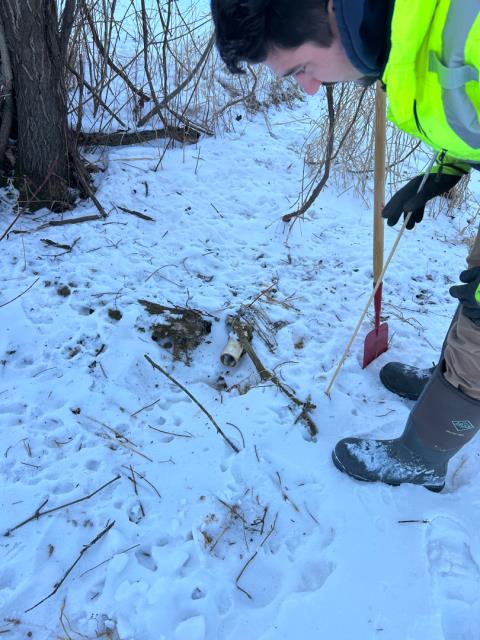
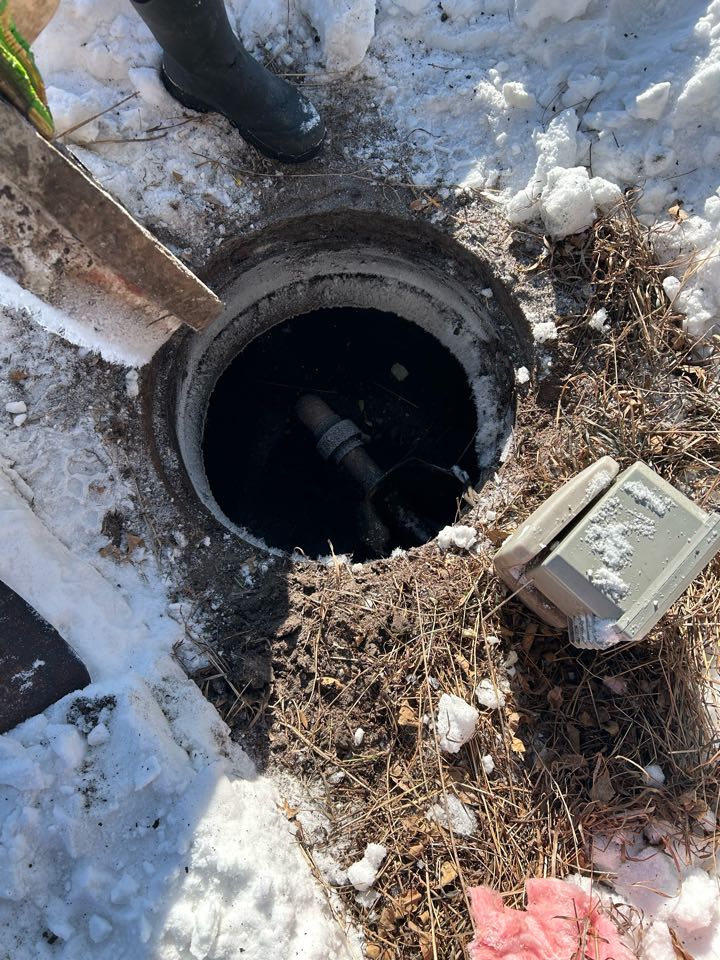
When a technician arrives with specialized equipment, they assess your septic tank’s condition, which can be particularly important in regions with clay-heavy soils that can retain water and hinder proper drainage. They’ll locate the access points and safely remove the cover.
Using a vacuum truck, they extract the sludge and scum buildup from the tank. This is vital in preventing blockages and unpleasant odors, which can be more pronounced in humid climates.
After the tank is pumped, the technician inspects its condition, looking for any signs of damage or wear, which can be exacerbated by the local environment.
Once the inspection is complete, the technician securely replaces the tank cover, ensuring it’s sealed properly to prevent any infiltration of groundwater.
Finally, you’ll receive a report detailing the services performed and any recommended follow-ups.
Regular pumping, especially in areas prone to flooding or heavy rains, helps keep your septic system in optimal condition, extending its lifespan and ensuring it functions effectively.
Choosing the Right Septic Pumping Service in Sauk Rapids
When selecting a septic pumping service in Sauk Rapids, it’s crucial to consider the company’s reputation within the local community.
Look for customer reviews and testimonials to understand their reliability, especially in dealing with the unique challenges posed by the area’s soil composition and local regulations.
Additionally, evaluate their pricing structures to ensure you receive quality service that aligns with the typical costs in the Sauk Rapids region.
Understanding the local market can help you make an informed decision.
Assessing Service Reputation
When evaluating the reputation of a septic pumping service in Sauk Rapids, there are several factors to consider that are particularly relevant to the local context.
Begin by exploring online reviews and testimonials from previous customers in the area. This can provide valuable insights into the service’s reliability and quality, especially in dealing with the specific soil and environmental conditions unique to Sauk Rapids. Look for patterns in feedback regarding their responsiveness during peak seasons, as this can be critical when septic issues arise.
Next, reach out to friends, family, or neighbors for personal recommendations. Local residents may have firsthand experience with septic services in the area and can share insights that online reviews mightn’t capture.
Additionally, it’s essential to confirm the company’s credentials, such as licenses and insurance, ensuring they adhere to local regulations and prioritize safety in your community.
Consider the company’s experience within the area. A well-established service in Sauk Rapids is likely to understand the local challenges, such as seasonal flooding or specific soil types, which can impact septic systems.
Evaluating Pricing Structures
Finding the right pricing structure for septic pumping services in Sauk Rapids can greatly influence your decision-making process.
Begin by comparing quotes from various local providers, as costs can vary significantly in this area. It’s essential to look for transparent pricing that encompasses all potential fees, so you aren’t caught off guard by unexpected expenses.
In Sauk Rapids, some companies may charge a flat rate, while others might bill based on the tank size or the frequency of service. Consider any package deals that could offer savings over time, especially given the seasonal demands that can affect service rates.
Additionally, inquire whether they provide emergency services, as this can impact overall pricing.
Ultimately, select a service that achieves a balance between quality and affordability, ensuring you receive dependable service without straining your budget.
Taking care of your septic system is crucial for maintaining your property’s health and functionality.
Maintaining Your Septic System Between Pumpings
To keep your septic system running smoothly between pumpings, regular maintenance is crucial. Start by monitoring your water usage; excessive water can overwhelm your system, especially in areas prone to heavy rainfall or flooding.
Fix any leaks in your plumbing to prevent unnecessary strain, as even minor leaks can lead to significant issues over time. Be mindful of what you flush; avoid putting non-biodegradable items down the toilet, as they can clog your system.
In regions with sandy soil, like coastal areas, it’s important to be particularly cautious, as the drainage can be affected by improper waste disposal. You should also regularly inspect your septic tank’s access points for any signs of leaks or damage.
Keeping the area around your septic system clear of heavy vehicles or structures is essential, as this helps prevent soil compaction, which can affect drainage. In rural communities where septic systems are common, it’s vital to ensure that neighboring systems don’t cause interference.
Finally, consider using septic-safe products to maintain healthy bacteria levels. By taking these simple steps, you’ll help guarantee your septic system operates efficiently until the next pumping, ensuring it remains reliable in your local environment.
Conclusion
In summary, keeping your septic system in top shape is vital for your home in Sauk Rapids. The unique soil conditions and water table levels in the area can pose specific challenges, making it crucial to understand when to pump your system and recognize the signs of trouble. By being proactive, you can avoid costly repairs that may arise from neglect. Choosing a reliable septic pumping service in Sauk Rapids ensures you receive the best care tailored to local conditions. Additionally, regular maintenance between pumpings can help extend the lifespan of your system. By staying vigilant and informed, you will enjoy a hassle-free septic experience for years to come.