Septic Solutions That Won’t Drain Your Wallet
Maintaining your septic system in our region doesn’t have to strain your finances. By focusing on regular upkeep and making informed choices, you can keep expenses manageable while ensuring your system operates efficiently. Understanding the specific challenges posed by our local soil types and weather patterns is crucial, as these factors can significantly impact your septic system’s performance.
In areas where heavy rainfall is common, for instance, it’s vital to monitor the drainage field and ensure it doesn’t become saturated. This can lead to backups and costly repairs. Additionally, the clay-rich soils prevalent in some parts of our area may slow down drainage, meaning regular inspections can help catch issues before they escalate.
Being aware of the signs of trouble is equally important. Look out for unusual odors or wet spots in your yard, as these can indicate a malfunctioning septic system. Implementing preventive measures such as proper waste disposal and mindful water usage can also enhance the longevity of your system.
Let’s explore some practical, budget-friendly strategies tailored to our local challenges that can help you save money and extend the life of your septic system.
Understanding Your Septic System Basics
A septic system is an essential part of many homes, particularly in rural communities where access to municipal sewage systems may be limited. This system is responsible for treating and disposing of wastewater generated from daily household activities. Understanding its functionality can help prevent future problems.
Typically, a septic system consists of a septic tank and a drain field. Wastewater from your home flows into the septic tank, where solids settle at the bottom, and bacteria break down organic material. The liquid effluent then moves to the drain field, where it filters through the soil before returning to the groundwater.
In regions where heavy rainfall is common, the drain field can become oversaturated, leading to potential backups or system failures. Additionally, local soil conditions can affect how well the system operates.
It’s vital to be mindful of what goes down your drains, as improper disposal of items such as grease, non-biodegradable products, and chemicals can lead to clogs and costly repairs.
Regular Maintenance: The Key to Longevity
Regular maintenance is crucial for keeping your septic system functioning effectively, especially in areas that experience heavy rainfall or unique soil conditions.
Scheduling routine inspections and pump-outs can help you avoid significant repairs that could arise from neglect. In regions where water tables are high, it’s important to monitor your water usage closely, as overloading your system can lead to backups or failures.
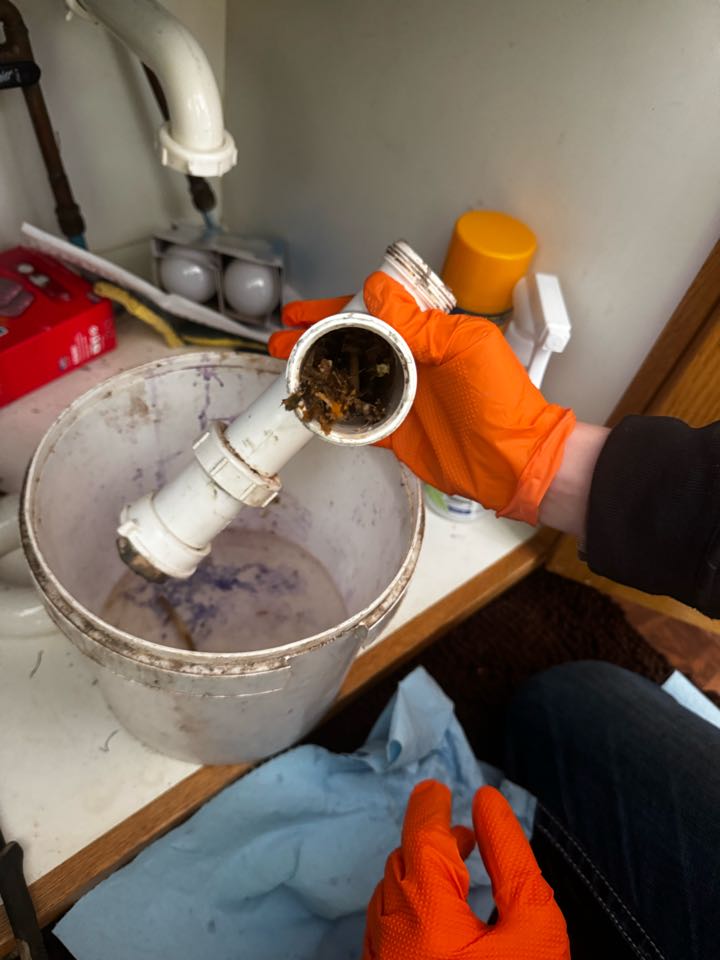
Be mindful of what you send down your drains; common challenges include flushing non-biodegradable items or pouring grease down sinks, which can create clogs.
In addition, if you live in an area with heavy traffic, keeping the vicinity around your septic tank clear of heavy vehicles or structures is essential to prevent damage.
Utilizing septic-safe products is also recommended to promote the healthy growth of bacteria that aid in waste breakdown.
DIY Septic System Inspections
Regular maintenance is essential for effective DIY septic system inspections, especially in areas with unique environmental challenges.
For instance, if you live in a region with heavy rainfall, you may need to be extra vigilant as excess water can saturate the soil and impact the performance of your septic system.
Begin your inspection by examining the area surrounding your septic tank for any signs of leaks or unpleasant odors, which can be more pronounced during damp weather.
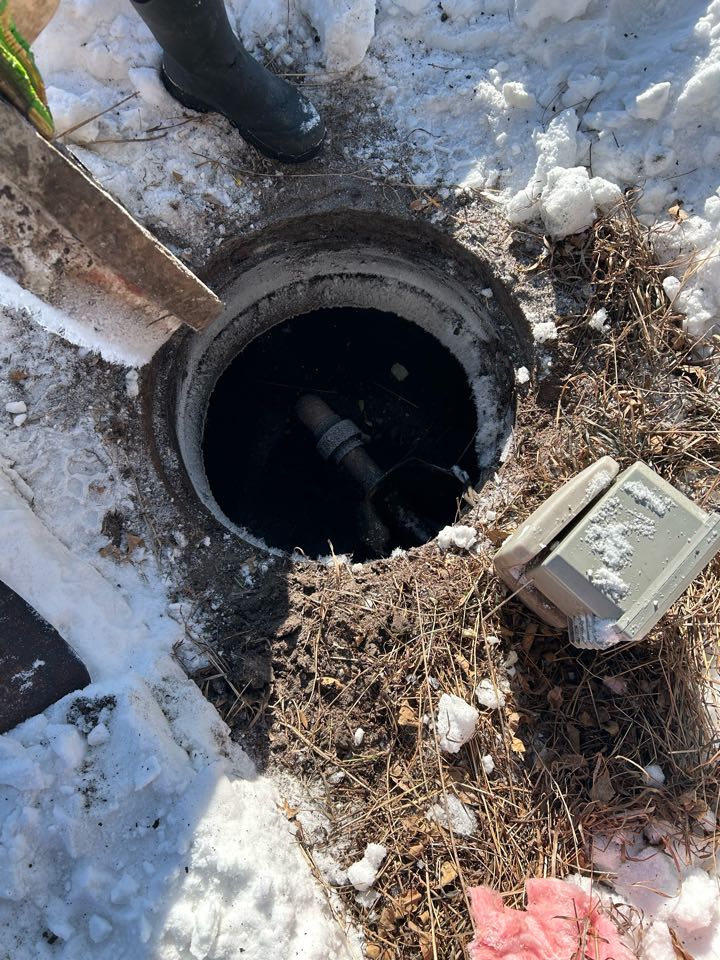
Next, check the access points of your tank to ensure they’re secure and free from damage, as heavy rains can sometimes dislodge covers or create cracks.
It’s also crucial to monitor the water levels inside the tank; if they rise significantly, it could signify an issue that requires further investigation.
In areas with clay soil, slow drains may be more common, and this can indicate a potential problem with your septic system.
Lastly, pay attention to your drain field; any pooling water, particularly after a rainstorm, may suggest a failure in the system and should be addressed promptly.
Conducting regular inspections can help you identify and resolve issues early, potentially saving you from more significant repairs in the future.
Cost-Effective Pumping Solutions
While pumping your septic system might seem like an unexpected expense, exploring cost-effective solutions can make it manageable, especially in our region where local soil conditions and regulations can impact maintenance needs.
First, consider scheduling regular maintenance. By pumping your system every three to five years, you can prevent costly backups and repairs that are common in our area due to heavy rainfalls and clay-rich soils that can lead to faster buildup.
Next, compare quotes from different septic service providers. Many local companies offer competitive rates, so take the time to research and find the best option for your needs. You might also look into bundling services with neighbors; group discounts can provide significant savings for everyone involved.
Finally, keep your system healthy by being mindful of what goes down the drain. Reducing waste and avoiding harmful substances can extend the time between pumpings, ultimately saving you money.
Eco-Friendly Additives for Septic Health
When it comes to maintaining your septic system in the Midwestern region, eco-friendly additives can make a significant difference.
The cold winters and warm summers can create unique challenges for septic health, making natural bacteria boosters, yeast, and enzymes especially beneficial. These additives help break down waste more efficiently, promoting a healthier environment in your system.
Additionally, if you’re dealing with the heavy clay soils common in many areas, these eco-friendly solutions can aid in preventing clogs and backups.
You might even consider homemade treatment solutions using readily available ingredients to keep your system running smoothly without relying on harsh chemicals.
Natural Bacteria Boosters
Natural bacteria boosters are crucial for maintaining the health of septic systems, especially in regions where soil composition and climate can pose unique challenges. In areas with heavy clay soils, for example, waste breakdown can be less efficient, leading to clogs and potential system failures.
By introducing eco-friendly additives that contain beneficial microorganisms, you can enhance the breakdown of waste, which is particularly important in locations prone to high water tables that can saturate the drain field.
Utilizing these natural boosters helps maintain balanced bacteria levels, allowing the septic system to process organic material more effectively. This is especially beneficial in communities where septic systems are common and the risk of environmental contamination is a concern.
Regular use of natural bacteria boosters can prolong the lifespan of your system, reducing the need for frequent pumping while ensuring that your wastewater management remains environmentally friendly.
Incorporating these boosters into your maintenance routine not only supports the septic tank but also optimizes the function of your drain field. This is vital in areas where increased rainfall or flooding can impact system performance.
Yeast and Enzyme Benefits
Adding yeast and enzymes to your septic system can significantly enhance its efficiency and performance, especially in areas prone to heavy rainfall or high groundwater levels.
These eco-friendly additives work by breaking down organic waste more effectively than natural bacteria alone. In regions where clay soils are common, the slow drainage can lead to increased waste accumulation. Yeast helps accelerate the decomposition process, converting waste into harmless byproducts more quickly, which is crucial in preventing system overloads during wet seasons.
Enzymes play a vital role as well, assisting in the breakdown of fats, oils, and greases that can easily clog your system. In local communities where residents frequently use kitchen sinks for disposal of these substances, the risk of clogs increases.
Utilizing these additives can minimize the risk of backups, extend the lifespan of your septic system, and ultimately contribute to more sustainable waste management practices.
Moreover, as these additives are safe for the environment, they help ensure that your waste management efforts don’t negatively impact local ecosystems, particularly in areas with sensitive waterways.
Incorporating yeast and enzymes into your routine maintenance can lead to a healthier, more efficient septic system, helping you avoid unexpected issues and the associated costs of repairs.
Homemade Treatment Solutions
While commercial treatments can be effective, many homeowners in regions with unique environmental factors prefer using homemade solutions for septic health that are both eco-friendly and budget-conscious.
For instance, areas prone to heavy rainfall may experience increased water levels in septic systems, making it essential to maintain their health. One way to do this is by adding a cup of baking soda and vinegar to your toilet monthly. This combination helps break down waste and keeps odors at bay, particularly important in humid climates where odors can become more pronounced.
Another option is using Epsom salt, which can promote beneficial bacteria growth. Simply pour a cup down the drain every few months, especially in areas where soil conditions may hinder proper drainage.
Additionally, composting kitchen scraps instead of flushing them can be particularly advantageous in regions with strict waste management regulations, as it reduces waste and supports your septic system.
Finally, adding beneficial microbes, such as those found in yogurt, can enhance the natural breakdown of solids. This is especially useful in locations where the soil may have lower natural microbial activity.
Water Conservation Tips for Homeowners
You can make a significant impact on water conservation in your home by adopting smart irrigation practices and utilizing efficient appliances.
In regions prone to drought, like many areas in the Southwest, adjusting your watering schedule to align with local weather patterns can greatly reduce water waste.
Additionally, incorporating water-saving devices such as drip irrigation systems and low-flow fixtures can help you conserve water while also minimizing your utility expenses.
Let’s explore some straightforward yet effective strategies tailored to address local challenges in water conservation.
Smart Irrigation Practices
As homeowners in regions prone to drought or with fluctuating rainfall patterns look for ways to conserve water, implementing smart irrigation practices can significantly impact water usage.
Start by using a rain gauge to monitor local rainfall and adjust your watering schedule accordingly, especially during dry spells common in many areas. Consider installing a drip irrigation system that delivers water directly to the roots of your plants, which minimizes waste and is particularly effective in sandy soils that may drain quickly.
Water early in the morning or late in the evening to reduce evaporation losses, as daytime heat can quickly dry out soil. Grouping plants with similar watering needs can also enhance irrigation efficiency, especially in landscapes with a mix of drought-tolerant and water-loving plants.
Regularly inspect your irrigation system for leaks, as even small drips can waste significant amounts of water over time.
Finally, consider using a smart irrigation controller designed to adapt to local weather conditions, ensuring your garden receives just the right amount of water. Implementing these practices not only conserves water but also helps maintain a lush landscape, even in challenging climates.
Efficient Appliance Usage
Efficient appliance usage is crucial for homeowners, especially in areas facing water scarcity and high utility costs. For residents in regions that experience drought, opting for water-efficient appliances like Energy Star-rated washing machines and dishwashers can significantly reduce water consumption. These appliances are designed to use less water per cycle, which is vital in locations where water resources are stretched thin.
When doing laundry, it’s best to run full loads to maximize the efficiency of both water and energy. In areas where water conservation is a priority, scraping plates rather than rinsing them under running water can make a noticeable difference in overall water usage.
Installing low-flow faucets and showerheads can help maintain performance while decreasing water usage, which is particularly important in communities that advocate for sustainable water practices. Addressing any leaks promptly is essential, as those small drips can accumulate quickly, exacerbating local water challenges.
Utilizing eco-settings on your dishwasher and washing machine whenever available can further enhance efficiency. Lastly, using appliances during off-peak hours can contribute to lower energy costs, particularly in regions where electricity rates fluctuate based on demand.
Choosing the Right Landscaping for Your Septic System
How can you ensure that your landscaping supports your septic system while maintaining its functionality? Start by selecting plants with shallow root systems, such as wildflowers or ground covers, which are well-suited to the local climate and soil conditions. This choice helps prevent damage to the septic lines.
It’s advisable to keep trees or large shrubs away from the drain field, as their roots can infiltrate and disrupt the system, which can be a significant issue in areas with clay-heavy soils that retain water.
Next, consider the drainage specific to your region. Ensure that your landscaping channels water away from your septic area to prevent saturation, especially during the rainy season. Incorporating mulch or decorative rocks not only enhances the visual appeal of your yard but also serves to protect the system from excess moisture.
Finally, allow enough open space for maintenance access. By selecting the appropriate landscaping for your area, you won’t only improve the aesthetic of your yard but also ensure that your septic system operates efficiently and has a longer lifespan.
Signs of Trouble: Early Detection
Recognizing potential issues with your septic system early can save you from costly repairs and health hazards.
In areas with heavy rainfall or clay soil, watch for signs like slow drains, which can indicate a clog in your pipes or tank. If you notice gurgling sounds in your plumbing, that could mean air is trapped due to blockages.
Additionally, unpleasant odors around your yard or near the tank may signal leaks or overflows, which can be particularly problematic during wet seasons.
Keep an eye out for patches of lush grass or unusually wet areas in your yard; these could be signs of a failing drain field, especially in regions where the water table is high.
Regular inspections and maintenance can help you catch these issues before they escalate. Pay attention to your system, and you’ll protect your home and wallet in the long run.
Budget-Friendly Repair Options
After spotting potential issues with your septic system, it’s important to evaluate your repair options without overspending. Start by identifying the specific problems; minor repairs like tightening loose fittings or clearing blockages can often be handled on your own.
If you do require assistance, consider reaching out to multiple local contractors to compare estimates and find the most budget-friendly option. In regions with a high concentration of septic systems, some companies may offer seasonal promotions or financing arrangements that can ease the financial burden.
Additionally, look into community resources that may provide low-cost inspections or assistance programs tailored to local residents.
Regular maintenance is crucial in areas prone to heavy rainfall or where the soil composition can impact septic performance. By staying proactive and addressing minor issues before they escalate, you can help ensure that your septic system operates efficiently while keeping expenses manageable.
Taking these budget-friendly steps can help you maintain a smoothly running septic system without straining your finances.
Resources and Tools for DIY Maintenance
When it comes to maintaining your septic system, having the right tools is vital, especially considering the unique challenges that can arise in our region.
Factors such as soil type and local weather patterns can affect septic system performance, so it’s important to gather essential maintenance tools and utilize DIY repair resources that are relevant to our area.
With the right knowledge and equipment, you can address many common issues yourself, potentially avoiding costly repairs in the future.
Whether it’s understanding how seasonal changes impact your system or knowing how to handle local regulations, being well-informed will help you manage your septic system effectively.
Essential Maintenance Tools
Maintaining your septic system can seem daunting, especially in regions with clay-heavy soil that can complicate drainage. However, having the right tools can significantly ease the process.
Start with a sturdy shovel for digging around the tank and lines, as compact soil can make access difficult in these areas. A garden rake is invaluable for clearing debris, ensuring that you can easily reach the necessary components. A septic tank cover removal tool will help you lift the lids without causing damage, which is particularly important in environments where rust or corrosion may be an issue.
Investing in a high-quality drain snake is essential for clearing clogs in the lines, especially in locations prone to tree roots infiltrating the system. A liquid level indicator allows you to monitor the tank levels, which is crucial in areas where groundwater levels can fluctuate.
A hose with a spray nozzle will be useful for cleaning the area around the tank, keeping it free from debris that could obstruct maintenance efforts.
Don’t forget to wear gloves and a safety mask for protection, particularly in regions where you might encounter harmful substances. With these essential tools, you’ll be well-prepared to tackle the challenges of septic maintenance in your area.
DIY Repair Resources
If you’re looking to tackle septic system repairs in your area, having access to the right resources and tools can make all the difference. Start by checking out local hardware stores or regional online retailers for essential tools like a septic tank pump, pipe wrenches, and drain snakes.
In many communities, septic systems face unique challenges due to soil types and local regulations, so being aware of these factors is crucial. YouTube offers countless tutorial videos that can guide you step-by-step through various repairs, often showcasing techniques that are specific to your region.
Don’t underestimate the value of community forums; connecting with other DIY enthusiasts can provide insights and tips that save you time and effort. Additionally, consider downloading septic maintenance apps that help track your system’s health and schedule upkeep tailored to your local climate and conditions.
With the right resources at your fingertips, you can confidently handle those repairs while being mindful of local challenges.
Conclusion
By staying proactive with your septic system, you can save money and avoid costly repairs, especially in areas where heavy rainfall or seasonal flooding can strain your system. Regular maintenance, DIY inspections, and eco-friendly additives will help keep your system healthy without putting a strain on your finances. It’s important to monitor your water usage, particularly during peak seasons when usage tends to spike, and consider group discounts when hiring professionals in your community. Additionally, local regulations may require specific maintenance routines, so be sure to stay informed. With these budget-friendly tips, you can ensure your septic system operates efficiently and lasts longer, all while protecting both your wallet and the environment. Start implementing these solutions today to safeguard your home and community!