Septic Tank Inspection Frequency Guide Sauk Rapids
When it comes to septic tank inspections in Sauk Rapids, understanding the right frequency can save you time and money. Regular checks aren’t just a formality; they are essential for keeping your system running smoothly, especially in a region where weather conditions can impact the performance of septic systems. For instance, heavy rainfall or snowmelt can lead to saturation of the soil, affecting drainage and system efficiency, making timely inspections even more crucial.
Depending on your tank size and household habits, you might find yourself needing inspections more often than you think. Larger households or those with higher water usage typically require more frequent evaluations to ensure everything is functioning properly. Additionally, local soil types around Sauk Rapids may affect how well your system operates and could necessitate more regular oversight.
Curious about what factors could influence your schedule? Let’s explore the details that matter most, including seasonal weather patterns and the specific characteristics of your septic system that may require attention. By staying proactive with inspections, you can prevent potential issues and prolong the life of your septic system while ensuring compliance with local regulations.
Importance of Regular Septic Tank Inspections
Neglecting regular septic tank inspections can lead to costly repairs and significant health hazards, especially in regions prone to heavy rainfall and flooding. In these areas, a well-maintained septic system is crucial for ensuring sanitation and overall health.
Without consistent inspections, problems such as leaks or blockages may go unnoticed until they escalate into severe issues, resulting in expensive repairs.
In many localities, the risk of groundwater contamination can be particularly high due to the proximity of septic systems to water sources. This not only poses serious risks to your family’s health but also threatens the local ecosystem.
Additionally, homeowners may face strict penalties for non-compliance with local codes and regulations regarding septic systems.
Regular inspections provide an opportunity to identify potential problems early, allowing your septic system to function efficiently and effectively.
By staying proactive, you can save money over time and help preserve the value of your home. It’s essential to prioritize septic tank inspections to maintain a safe and healthy living environment in your community.
Don’t wait until issues arise; ensure your septic system is in optimal condition to safeguard your home and the surrounding area.
Recommended Inspection Frequency for Different Tank Sizes
When it comes to septic tank inspections, the size of your tank plays a vital role in how often you should have it checked.
Residents in areas with heavy rainfall or flooding may face unique challenges, as these conditions can impact the functionality of septic systems.
For those with small tanks, it’s recommended to schedule inspections annually to ensure everything is operating smoothly.
Meanwhile, larger tanks generally require inspections every three years.
Keeping track of these timelines is essential, especially in regions where soil saturation can lead to system failures, helping to prevent costly repairs in the future.
Small Tanks: Yearly Inspections
Although small septic tanks may seem less complex, they still require yearly inspections to guarantee optimal function and prevent costly repairs.
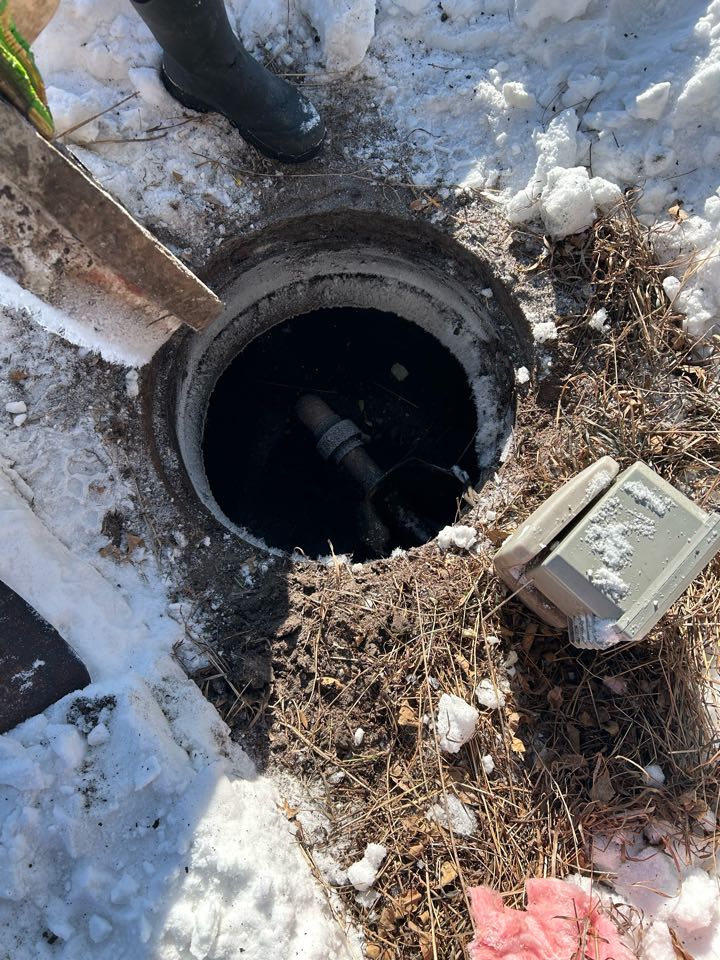
In regions with heavy rainfall like the Pacific Northwest, regular check-ups help identify issues before they escalate, ensuring your system operates efficiently amid challenging weather conditions. During these inspections, professionals will assess tank levels, inspect the inlet and outlet, and check for any signs of leaks or blockages.
Additionally, in areas prone to freezing temperatures, such as the Northeast, it’s crucial to monitor your usage. Overloading your small tank can lead to quicker deterioration, particularly when winter conditions stress the system.
By staying proactive with yearly inspections, you aren’t just safeguarding your property; you’re also extending the lifespan of your septic system. A small investment in regular maintenance can save you from significant expenses down the line.
Stay ahead, and keep your septic system healthy in the face of local challenges!
Large Tanks: Every Three Years
For larger septic tanks in areas with diverse climates and soil types, inspections every three years are crucial to maintain optimal performance and prevent potential issues.
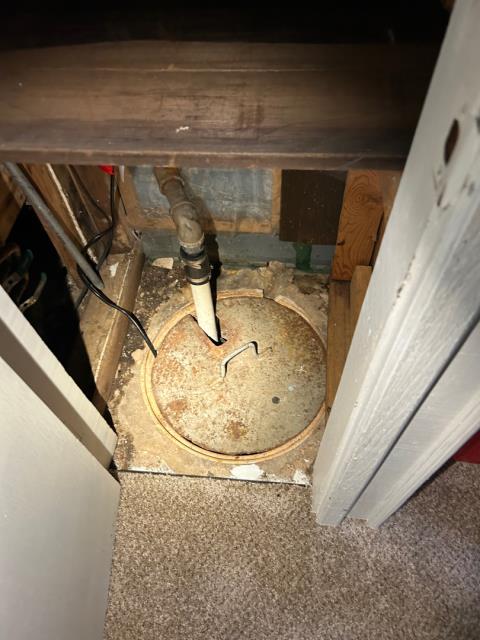
These tanks are designed to handle more wastewater, so regular checks ensure they’re functioning efficiently. During an inspection, a professional will evaluate components such as the tank structure, baffles, and outlet to identify any signs of wear or damage that may be influenced by local environmental factors.
Neglecting these inspections can lead to costly repairs and inconvenient backups, which can disrupt daily life. Additionally, in regions where heavy rainfall or flooding is common, the risk of system overload increases, making regular maintenance even more important.
Homeowners can also play a role by being mindful of what goes down their drains. Avoid flushing non-biodegradable items or excessive grease, as these can strain the system.
How Household Size Affects Inspection Needs
Household size significantly impacts how often you should inspect your septic tank, especially in regions where soil composition and local regulations play a role in system performance.
In areas with high groundwater levels or clay soils, larger families typically require more frequent inspections due to increased waste production that can exacerbate potential issues.
Conversely, smaller households may find they can extend the interval between checks, but it’s crucial to consider local factors such as seasonal rainfall or flooding, which can affect the tank’s functionality.
Understanding this relationship, along with the specific challenges of your environment, can help you maintain your system effectively and avoid costly issues in the future.
Larger Families, Frequent Inspections
Larger families in this region often generate more wastewater, which can significantly impact the efficiency of local septic systems. With an increase in usage, your tank fills up faster, and solids can accumulate more quickly.
This means you’ll need to pay close attention to your system’s health, especially considering the area’s unique soil composition and seasonal rainfall patterns that can affect drainage.
Frequent inspections are essential to catch potential issues before they escalate, ultimately saving you from expensive repairs. It’s advisable to schedule inspections at least every one to two years, depending on your household’s size and water usage habits.
Additionally, be aware of how many appliances you run simultaneously, as this can put extra strain on your system, particularly during peak usage times like family gatherings or holidays.
Regular maintenance not only ensures your system operates efficiently but also extends its lifespan, which is crucial for larger households in this community.
Keeping these local factors in mind will help you maintain a healthy septic system and avoid complications down the line.
Smaller Households, Extended Intervals
Although smaller households typically generate less wastewater, it’s still crucial to monitor your septic system’s health, especially in regions where soil types may affect drainage. In areas with clay soil, for instance, the absorption rate can be slower, leading to potential backups even in smaller tanks.
With fewer people using water daily, your tank may fill up more slowly, allowing for extended intervals between inspections. In such cases, inspecting your septic system every three to five years might be adequate. However, don’t overlook potential issues like clogs or leaks, which can arise unexpectedly, particularly during heavy rainfall or snowmelt when groundwater levels rise.
Regularly check your system’s components and be vigilant for unusual signs such as odors or slow drainage. If you notice changes in your household’s water usage or if you add new appliances, consider adjusting your inspection schedule accordingly.
Additionally, in regions prone to seasonal flooding, it’s wise to be proactive in ensuring your system is functioning properly before heavy rains occur. Staying proactive guarantees your septic system operates effectively, safeguarding both your home and the environment.
Impact of Usage Patterns on Inspection Schedules
Usage patterns significantly impact how frequently you should inspect your septic tank, especially in areas with unique environmental conditions.
For instance, in regions prone to heavy rainfall, a larger household or frequent hosting can lead to quicker tank fill-up due to increased water usage. This scenario may necessitate more regular inspections compared to those living alone or in smaller households.
In addition, if your household utilizes a garbage disposal or has high water-consuming appliances like dishwashers and washing machines, the tank’s workload increases considerably, suggesting that more frequent checks are essential.
Conversely, in drought-prone areas where water conservation is a priority, households that practice low water usage can often extend their inspection intervals.
Being aware of your specific usage patterns and local environmental factors plays a crucial role in maintaining your septic system effectively, helping you avoid unexpected and costly repairs in the future.
Signs Your Septic System Needs Immediate Attention
If you notice foul odors around your property or experience slow drains, your septic system might need immediate attention.
In this region, particular challenges such as heavy rainfall or high groundwater levels can exacerbate issues. Other signs to look out for include gurgling sounds in your plumbing, water pooling in your yard, or unexpected lush patches of grass over the drain field.
These symptoms indicate that your system is struggling to process waste effectively. Backup in toilets or sinks is a clear red flag that shouldn’t be ignored.
Additionally, an increase in insect activity around the septic area can signal a problem. Addressing these issues promptly can help prevent costly repairs and potential health hazards.
Don’t wait for the situation to worsen; it’s advisable to consult a professional right away to assess and remedy the problem.
Seasonal Considerations for Septic Inspections
As the seasons change, so do the conditions affecting your septic system, making it essential to adjust your inspection schedule accordingly.
In spring, the melting snow and heavy rains common in our region can saturate the ground, increasing the risk of overflows. It’s advisable to inspect your system after these conditions to ensure everything is functioning properly.
During the summer months, dry spells can lead to soil compaction, which may affect drainage. Regular checks during this time can help catch potential issues early, preventing bigger problems later on.
Fall brings its own challenges, as falling leaves and debris can clog vents or filters, particularly in wooded areas.
It’s crucial to inspect your system before winter arrives to prevent freezing and other cold-weather complications that can arise in our climate.
The Role of Professional Inspections vs. DIY Checks
While DIY checks can help you spot obvious issues with your septic system, professional inspections offer a comprehensive evaluation that’s hard to replicate.
For instance, in areas prone to heavy rainfall, like those near coastal regions, the saturation of the soil can lead to unique challenges for septic systems. When you inspect your septic tank yourself, you might notice signs like odors or slow drains, but you may miss underlying problems exacerbated by local conditions, such as the impact of groundwater levels or soil composition.
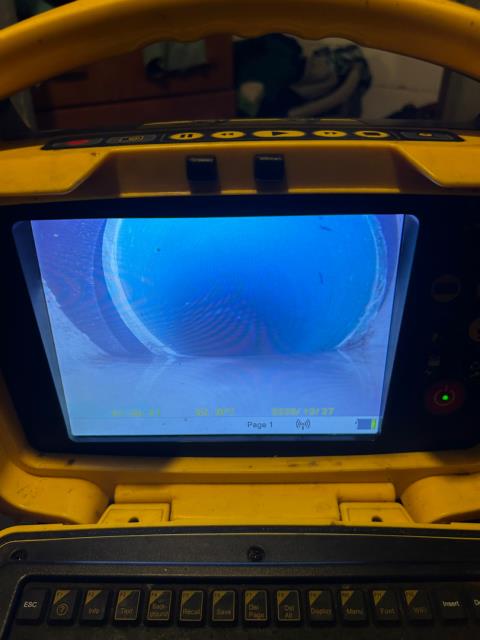
Professionals have the expertise and tools to assess components you might overlook, such as baffles or the condition of the leach field, especially in regions where soil erosion or flooding is a concern. They can also provide insights into the overall health of your system based on their experience with the specific challenges of your local environment.
Additionally, a professional inspection often includes a detailed report, giving you peace of mind and helping you plan for any necessary maintenance.
Ultimately, combining DIY checks with professional evaluations ensures your septic system remains in optimal condition, accommodating the unique challenges posed by your local area.
Costs Associated With Septic Tank Inspections
Understanding the costs associated with septic tank inspections is crucial for homeowners in areas with varied soil conditions and rainfall patterns. In regions where heavy rainfall is common, septic systems may require more frequent inspections due to potential waterlogging and its impact on system performance.
Homeowners can generally expect to invest a moderate amount for a professional inspection, with variations based on local market conditions and the specific complexities of their systems. In some locales, additional services such as pumping or maintenance checks may incur extra fees, so it’s wise to inquire about all potential costs upfront.
Seeking quotes from multiple professionals can help ensure that you receive a fair price tailored to your area’s unique challenges. Although the initial investment might seem considerable, committing to regular inspections can prevent more significant expenses from arising in the future.
Therefore, it’s advisable to incorporate this maintenance expense into your overall home care budget to ensure your septic system operates efficiently and effectively.
Preventative Maintenance Tips for a Healthy Septic System
Regular maintenance is essential for ensuring your septic system operates effectively, especially in areas with specific environmental challenges. In regions prone to heavy rainfall or flooding, for instance, it’s crucial to have your tank inspected and pumped every 3 to 5 years, depending on your household’s usage.
Always be mindful of what you flush; avoid placing non-biodegradable items down the toilet, as these can lead to blockages and system failures. Opt for biodegradable soaps and detergents to reduce the introduction of harmful chemicals into your septic system.
To prevent overloading your system with water—particularly during the rainy season—consider spreading out laundry loads and limiting dishwashing to off-peak hours.
In locales where the soil is clay-heavy, drainage may be slower, so monitoring your drain field is vital. Avoid parking vehicles on it or planting trees with deep roots nearby, as these can compromise the system’s efficiency.
Finally, it’s important to educate everyone in your household about proper septic care, especially in communities where septic systems are prevalent.
Conclusion
In Sauk Rapids, regular septic tank inspections are crucial for avoiding expensive repairs and ensuring the proper functioning of your system. The region’s clay soil can slow drainage, making it especially important to monitor your system’s health. Understanding the recommended inspection frequencies based on tank size and household demands allows you to create a customized maintenance plan that suits your needs. Pay attention to signs that may indicate your system requires servicing, particularly during heavy rainfall or snowmelt, as these seasonal factors can significantly impact performance. By scheduling regular professional inspections and adhering to preventative maintenance guidelines, you can ensure your septic system remains efficient and reliable for years to come.