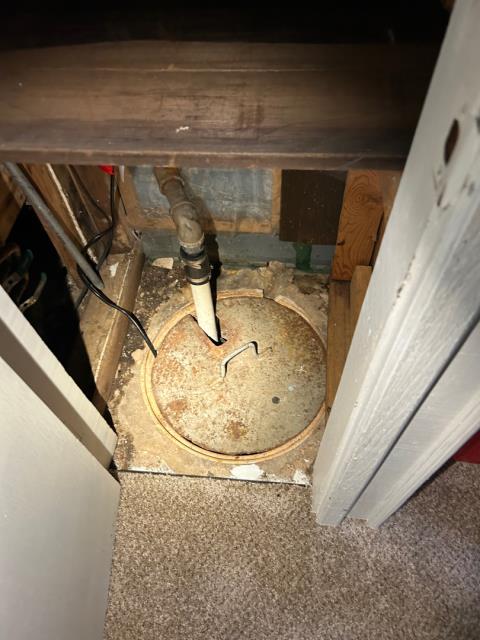
Sewer Line Replacement Costs in Sauk Rapids
Replacing a sewer line in Sauk Rapids involves more than just the straightforward task of digging and installing new pipes. In this area, costs can fluctuate considerably due to several local factors, including the length and depth of the line, the choice of materials, and the accessibility of the work site. In Sauk Rapids, urban settings can present unique challenges, such as navigating around existing infrastructure and managing traffic disruptions, which may lead to higher associated costs. Additionally, homeowners should be aware of potential hidden damages, necessary permits, and unforeseen fees that could arise during the project. Understanding these local nuances can help you better prepare your budget for a sewer line replacement.
Factors Affecting Sewer Line Replacement Costs
When considering sewer line replacement costs, several key factors will greatly influence the final price. First, the length of the line plays a significant role; longer lines require more materials and labor, which can lead to increased expenses.
The location of the sewer line is also crucial. If it runs beneath a driveway or intricate landscaping, anticipate higher costs due to the additional excavation work needed.
In areas with densely packed urban settings, access to the sewer line could be limited, further complicating the project. The depth of the sewer line is another important consideration. Deeper lines often necessitate specialized equipment and more labor, leading to an increase in overall costs.
Additionally, local permit fees can fluctuate based on municipal regulations, which could impact your budget.
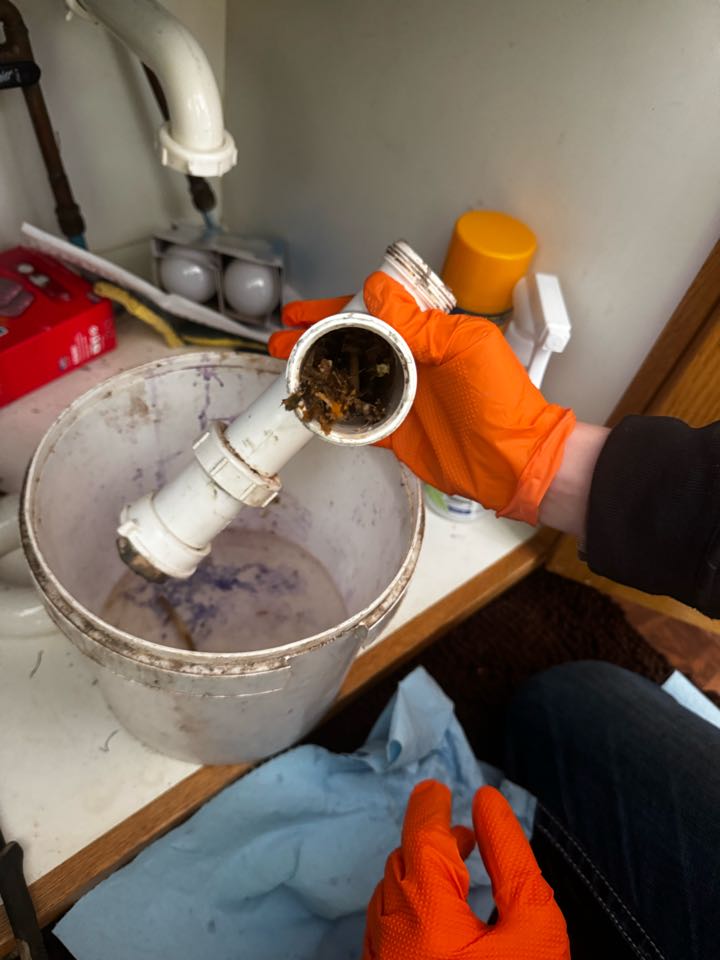
Finally, the complexity of the job, including potential obstacles such as tree roots or existing utility lines, can complicate the replacement process and further elevate costs. In regions where certain tree species are prevalent, managing root interference may require specialized techniques, adding to the overall complexity.
Keep these factors in mind when planning your project to ensure a comprehensive understanding of what to expect.
Types of Sewer Line Materials and Their Costs
Choosing the right material for your sewer line is crucial, as it affects both costs and long-term durability. In Sauk Rapids, homeowners face unique challenges such as fluctuating weather patterns and soil conditions that can influence the choice of sewer line materials.
PVC is a popular option in the area due to its affordability and resistance to corrosion, making it suitable for the local climate.
Cast iron is another viable alternative, known for its strength and capability to reduce noise, though it tends to be on the higher end of the spectrum.
Clay pipes provide durability and eco-friendliness, which can be appealing to environmentally conscious residents.
Lastly, ABS pipes are lightweight and straightforward to install, making them a convenient choice for many homeowners.
When selecting the best material, it’s important to consider your budget along with the specific challenges posed by the local environment.
Labor and Installation Complexity
Selecting the right material is essential, but labor and installation complexity play a significant role in determining the overall cost of sewer line replacement.
It’s crucial to assess various factors that influence labor costs and the intricacies of the installation process. Here are some location-specific considerations to keep in mind:
- Depth of the Sewer Line: In areas where sewer lines are typically buried deeper, such as in regions with a high water table or where freezing is a concern, the installation will require more effort, time, and specialized machinery, which can elevate labor costs.
- Location Accessibility: In urban environments or densely populated neighborhoods, accessing the sewer line can be challenging. If the line is located under sidewalks or close to other structures, higher costs may arise due to the need for additional equipment or increased manual labor.
- Existing Infrastructure: Many locations have established driveways, landscaping, or utility lines that can complicate the installation process. Navigating around these obstacles can lead to additional labor requirements, impacting the overall cost.
- Soil Type and Conditions: In regions known for rocky or unstable soil, such as areas with a lot of clay or mixed earth, more labor and expertise are necessary to ensure a successful installation. This can significantly affect the total expenses incurred during the replacement process.
Each of these factors plays a critical role in shaping the final bill you can expect when replacing a sewer line.
Unexpected Expenses and Contingencies
Even with meticulous planning and budgeting, unexpected expenses can arise during a sewer line replacement. In regions where tree roots are prevalent, you might uncover hidden problems such as tree root intrusion or damaged pipes that need immediate attention.
These issues can lead to increased labor and material costs, making it essential to be prepared for potential budget adjustments. Additionally, unpredictable weather patterns common in certain areas can delay work, resulting in elevated costs for equipment rentals or additional labor hours.
Local regulations may also pose challenges; for instance, specific municipalities might require permits or inspections that weren’t anticipated, leading to extra fees.
If your property is older and located in a historic district, you may discover outdated infrastructure needing upgrades to comply with modern standards.
Furthermore, restoring landscaping after the project is completed can add to the final bill. It’s crucial to set aside a contingency fund to handle these surprises, ensuring financial stability throughout the process.
Financing and Budgeting for Sewer Line Replacement
How can you effectively manage the costs of a sewer line replacement in your area? Start by exploring financing options and budgeting strategies that fit your specific circumstances. You don’t have to face this financial burden alone.
Here’s a quick guide to help you navigate the process:
- Get Multiple Quotes: Request estimates from various contractors in your region to ensure you’re receiving competitive pricing. Different areas may have varying rates based on local demand and availability of services.
- Explore Financing Options: Investigate personal loans, home equity lines of credit, or specialized financing plans provided by local contractors. Some companies may offer flexible payment plans tailored to your financial situation.
- Create a Budget: Assess your available funds and establish a realistic budget that allows for unforeseen expenses. Consider the unique cost factors in your area, such as labor rates and material costs, which can vary significantly.
- Look for Assistance Programs: Research local government or utility company programs that provide financial assistance or low-interest loans for home repairs. Many municipalities have resources designed to help residents manage the costs of essential repairs like sewer line replacements.
Conclusion
When replacing a sewer line in Sauk Rapids, it’s crucial to consider local factors that influence costs, such as the area’s soil conditions and the age of existing infrastructure. The presence of mature trees in residential neighborhoods can complicate excavation and increase labor requirements. Additionally, the local climate may affect project timelines, particularly during the winter months when ground conditions can be challenging.
Be mindful of potential unexpected expenses that may arise, such as hidden damage to the existing line or the need for special permits from the city. These can quickly escalate the overall cost of the project. To mitigate financial surprises, it’s wise to create a detailed budget and consider various financing options that may be available through local resources. By planning thoroughly and staying informed about local regulations and challenges, you can ensure a smoother sewer line replacement process without encountering any last-minute financial hurdles.