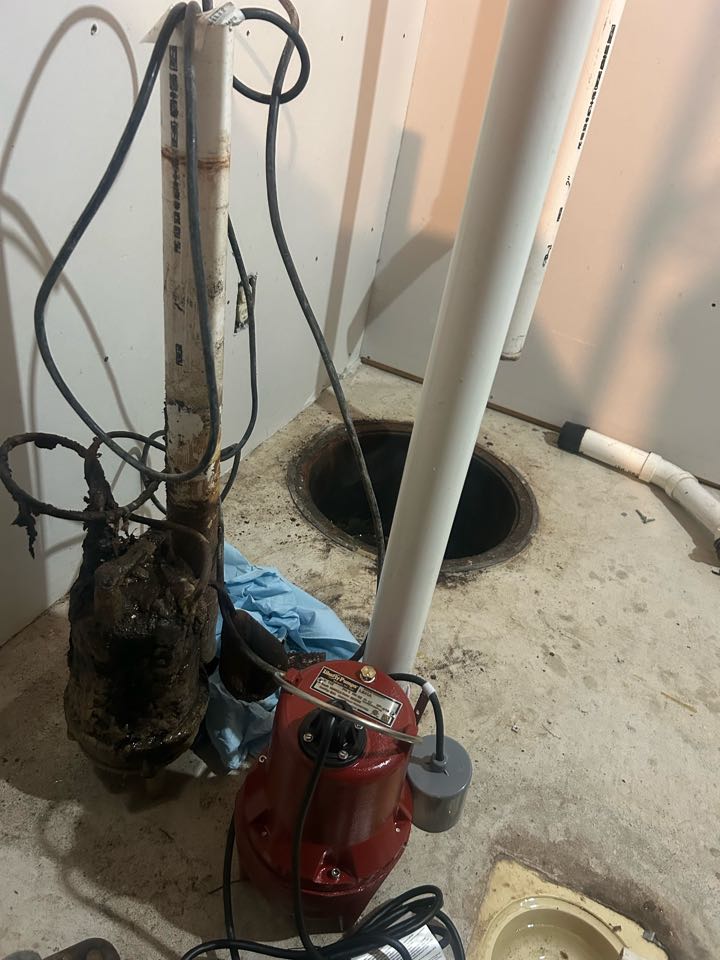
Sustainable Drain Cleaning Solutions for Sauk Rapids
Sustainable drain cleaning solutions are vital for preserving the water quality and environmental health of Sauk Rapids, especially given the region’s unique challenges with stormwater runoff and aging infrastructure. Traditional cleaning methods can often lead to increased pollution and environmental degradation. By implementing eco-friendly practices, such as hydro jetting and bioremediation, residents can not only remove blockages but also support a healthier ecosystem in the Sauk River and its tributaries.
Moreover, considering the seasonal influx of debris from local vegetation and the potential for flooding during heavy rains, smart monitoring technologies can play a crucial role in enhancing drainage system management. These innovative approaches can help identify problem areas before they escalate, ensuring that the community remains resilient against water quality issues. As you explore sustainable options, think about how community engagement and education can further empower residents to adopt these practices and contribute to a more sustainable future for Sauk Rapids.
The Importance of Sustainable Drainage Systems
While you mightn’t think about it often, sustainable drainage systems (SuDS) play an essential role in managing water effectively, especially in areas prone to heavy rainfall and flooding. In regions where traditional drainage systems can easily become overwhelmed, SuDS offer a practical solution by allowing rainwater to soak into the ground. This is particularly important in urban areas where impermeable surfaces are prevalent, leading to increased runoff and flood risks.
By implementing SuDS, the local community can significantly improve water quality, as these systems filter pollutants before they reach nearby rivers and lakes. This proactive approach not only protects local ecosystems but also enhances the resilience of urban areas against the impacts of climate change, such as more frequent and intense storms.
Additionally, SuDS can transform underutilized spaces into green areas that benefit the community. These green spaces promote biodiversity, provide recreational opportunities, and help improve air quality, making neighborhoods more pleasant and livable.
As a homeowner or business owner in the area, understanding the importance of SuDS can inspire you to support sustainable practices that contribute to a healthier environment for everyone.
Eco-Friendly Cleaning Agents
As you consider the best ways to maintain your drainage systems, opting for eco-friendly cleaning agents can make a significant difference, especially in areas where local water quality is a concern.
In regions prone to heavy rainfall or flooding, the accumulation of debris and pollutants in drainage systems can lead to serious environmental issues. These cleaning solutions, derived from natural ingredients, effectively break down grease, grime, and buildup without harming the environment. By using biodegradable products, you aren’t only protecting local waterways but also promoting a healthier ecosystem.
You can find options like vinegar, baking soda, and citrus-based cleaners that work wonders for clearing clogs, particularly in communities where traditional chemical cleaners may contribute to soil and water pollution.
Regularly using these agents minimizes the need for harsh chemicals, which can damage pipes and negatively impact local flora and fauna. Plus, you’ll contribute to a more sustainable community.
Embracing eco-friendly cleaning agents is a simple yet effective step you can take toward responsible drain maintenance, helping to ensure clean and safe water for everyone in your area.
Mechanical Cleaning Methods
Choosing eco-friendly cleaning agents is just one part of maintaining your drainage systems. In areas prone to heavy rainfall or urban settings with aging infrastructure, mechanical cleaning methods play an essential role in ensuring your drains remain clear and functional.
Here are some effective techniques tailored to address common local challenges:
- Hydro Jetting: This method uses high-pressure water jets to break up and flush out debris and blockages that often accumulate in systems affected by tree roots or sediment buildup, which are common in older neighborhoods.
- Snaking: A plumber’s snake can effectively reach deep into pipes to remove stubborn clogs without chemicals, making it a preferred option for dealing with grease and food particles in areas with a high density of restaurants.
- Vacuum Trucks: These powerful machines are particularly useful in urban environments where larger systems may experience sludge accumulation due to stormwater runoff and debris.
- Cable Machines: They utilize rotating cables to clear tough clogs in drain lines, providing a thorough clean that’s especially beneficial in regions with frequent heavy rainfall that can lead to blockages in drainage systems.
Incorporating these mechanical methods not only maintains your drainage systems but also supports a sustainable approach, helping to prevent environmental issues related to flooding and water pollution.
Bioremediation Techniques
Bioremediation techniques offer a natural and effective way to restore drainage systems in areas facing challenges such as industrial runoff and agricultural pollution. In regions where heavy rainfall can exacerbate these issues, utilizing microorganisms can help break down harmful substances into less toxic forms. Introducing specific bacteria or fungi into your drainage system can accelerate the degradation process, making it cleaner and safer.
In urban environments where stormwater management is critical, planting native vegetation around drainage areas can be particularly beneficial. The root systems of these plants filter contaminants and promote microbial activity, aiding in the purification of water before it enters local waterways.
Furthermore, using bioaugmentation products can enhance the natural bacterial populations, ensuring they thrive under local conditions, which is vital in areas struggling with pollution.
These methods not only improve water quality but also contribute to a healthier ecosystem. By adopting bioremediation techniques tailored to local environmental challenges, communities can work toward long-lasting solutions for maintaining drainage systems sustainably.
This proactive approach not only addresses current pollution issues but also helps mitigate future impacts on the local environment.
Smart Drain Monitoring Technologies
Innovations in smart drain monitoring technologies are becoming essential for maintaining effective drainage systems, particularly in urban areas prone to heavy rainfall or flooding.
In regions where bioremediation techniques have already been implemented, these advanced technologies can significantly enhance the efficiency and reliability of drainage solutions.
Here are some key features to consider that address local challenges:
- Real-time monitoring: Track water levels and flow rates to prevent blockages, especially during storm events that can overwhelm drainage systems.
- Data analytics: Analyze trends specific to local weather patterns and drainage performance to predict maintenance needs and optimize cleaning schedules, ensuring that systems remain operational during peak demand.
- Remote alerts: Receive notifications for unusual activity or potential issues, allowing for quick responses to localized flooding or debris accumulation that can disrupt services.
- Environmental sensors: Monitor water quality in accordance with local regulations, protecting nearby ecosystems that may be impacted by runoff and ensuring compliance with environmental standards.
Community Involvement in Drain Maintenance
While advanced technologies are crucial in maintaining drainage systems, community involvement is equally vital for effective drain maintenance in Sauk Rapids. Local challenges, such as heavy rainfall during certain seasons, can exacerbate drainage issues, making it essential for residents to take an active role.
You can make a real impact by participating in local clean-up events and adopting a drain to monitor. Encouraging your neighbors to join in these efforts fosters a sense of responsibility and strengthens community bonds.
In Sauk Rapids, educating others about the importance of keeping drains clear of debris and pollutants is particularly important. The accumulation of leaves, trash, and other pollutants can lead to blockages and flooding, especially during spring thaws.
Sharing information on social media or hosting workshops can help raise awareness and motivate action within the community.
Remember, every small effort contributes to a healthier environment and reduces the risk of flooding. Your involvement not only helps maintain the drains but also enhances the overall sustainability of Sauk Rapids.
Together, we can create a cleaner and safer community for everyone.
Policy and Regulation for Sustainable Practices
As local governments in our region implement policies and regulations aimed at sustainable drain maintenance, your involvement is crucial to supporting these initiatives.
Understanding the specific local challenges and regulations can enhance your contribution. Here are four key points to keep in mind:
- Local Ordinances: Get acquainted with the local ordinances that encourage environmentally friendly drainage practices, particularly those aimed at addressing the unique geographic and climatic conditions in our area.
- Permitting Processes: Be aware of the permitting processes for any drain work. This is essential to ensure that your efforts align with local sustainability goals and comply with necessary guidelines.
- Best Management Practices (BMPs): Adopt the BMPs that are recommended by local authorities. These practices are designed to mitigate pollutants in stormwater, which is especially important given the specific environmental challenges we face.
- Community Reporting: Engage in community reporting of issues such as blockages or pollution. Your proactive involvement aids local authorities in maintaining clean and sustainable drainage systems, fostering a healthier environment for everyone.
Conclusion
Incorporating sustainable drain cleaning solutions in Sauk Rapids not only protects our environment but also enhances community well-being. The region faces unique challenges such as seasonal flooding and stormwater runoff that can impact local waterways. By embracing eco-friendly practices like hydro jetting, bioremediation, and smart monitoring technologies, residents can contribute to a healthier ecosystem.
Engaging with neighbors in awareness and maintenance initiatives fosters a sense of responsibility and collaboration. Local workshops and community clean-up events can provide valuable education on the importance of maintaining drainage systems. Together, we can ensure that our drainage systems function effectively while preserving the natural beauty of Sauk Rapids for generations to come.