3 Tips for Budget-Friendly Line Replacement
When you’re faced with the need for a line replacement, managing your budget can be a daunting task. However, with thoughtful planning, it’s absolutely achievable. Start by assessing the current condition of your lines to identify any urgent repairs specific to your area, especially considering local weather and soil conditions that could affect your lines. Next, look into cost-effective materials like PVC or PEX, which are known for their durability and affordability, particularly in regions prone to corrosion or freezing temperatures. Lastly, selecting the right professionals can help keep labor costs manageable; seek out local contractors who understand the unique challenges of your community. Are you ready to discover how these strategies can help you save money?
Assess the Current Condition of Your Lines
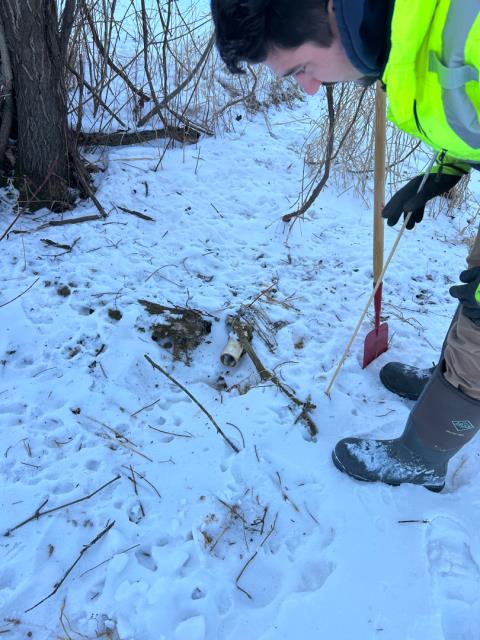
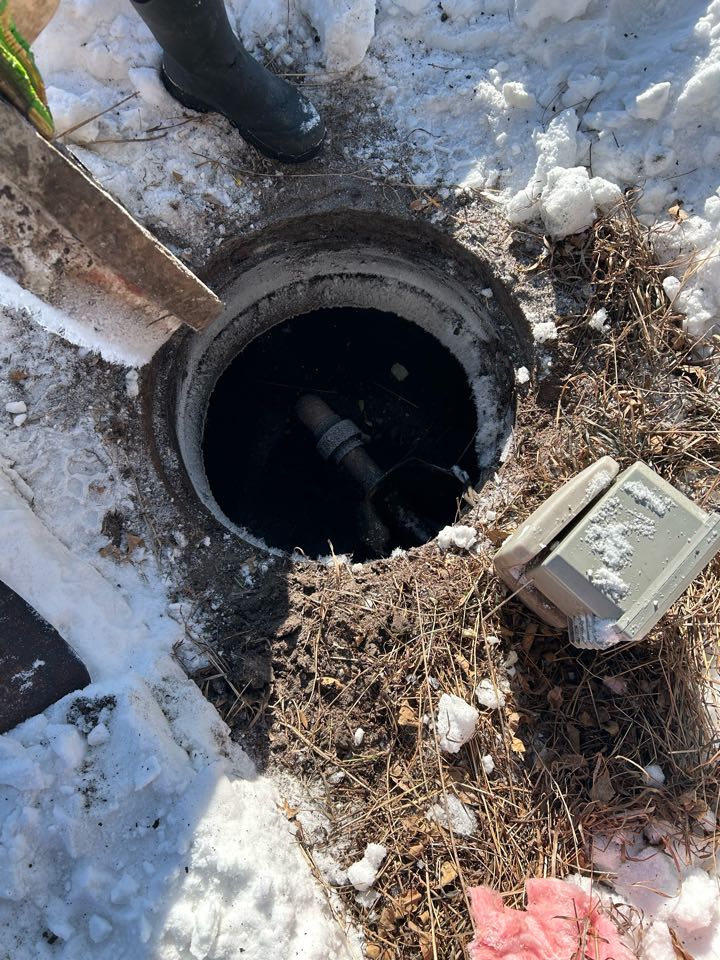
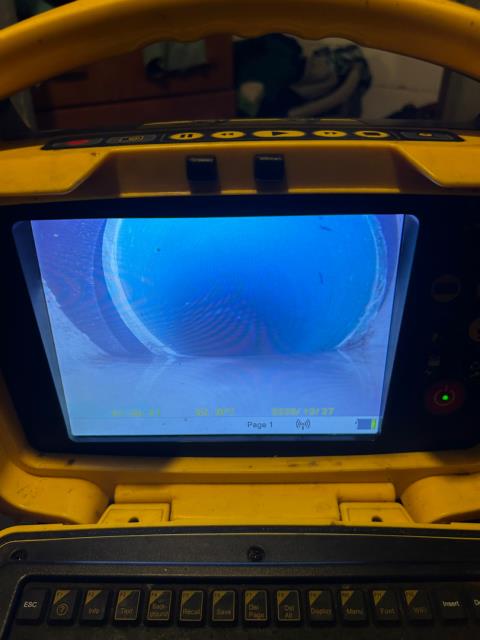
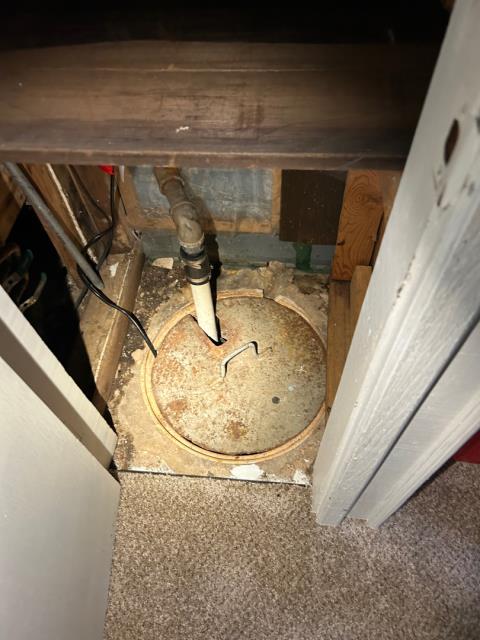
Before initiating any line replacement project, it’s essential to evaluate the current condition of your lines. Start with a visual inspection, paying close attention to common issues that may arise in our local climate, such as cracking due to temperature fluctuations or corrosion from moisture in the air.
Look for leaks, which can be particularly problematic during our rainy season, and don’t overlook any sagging or unusual bends that could lead to more significant issues down the line.
After your visual inspection, conduct a pressure test on the lines to ensure they’re functioning optimally. If you detect weak spots or a drop in performance, this is a clear indication that your lines require immediate attention.
Being meticulous in your assessment is vital; overlooking minor issues can result in costly repairs later. By thoroughly understanding the condition of your lines, you can effectively plan and prioritize urgent repairs, ultimately saving both time and resources.
Explore Cost-Effective Material Options
When replacing lines, exploring cost-effective material options is essential to staying within budget. Begin by researching the various materials available for your specific line needs. In many regions, PVC, PEX, and CPVC often provide affordable alternatives to traditional materials like copper or steel. Each material has its own advantages, so consider factors such as durability, flexibility, and resistance to corrosion when comparing options.
Additionally, local availability and price fluctuations can significantly influence overall costs, so staying informed about market conditions in your area is beneficial.
Another suggestion is to consider purchasing materials in bulk if you have multiple lines to replace. Bulk buying can lead to notable savings, especially in regions where local suppliers may offer better deals for larger quantities.
Moreover, keep an eye out for promotions or discounts at nearby suppliers or online retailers. Always ensure that the materials meet the necessary standards and regulations specific to your area to avoid any future complications.
Hire the Right Professionals for the Job
Finding the right professionals for your line replacement project in your area can significantly impact your budget and the quality of the results.
Start by researching local contractors who are well-regarded in your community. Look for reviews specific to your region and ask for recommendations from friends or neighbors who’ve had similar work accomplished.
Once you’ve identified potential candidates, request quotes and compare them carefully. While price is important, consider their experience and expertise in handling projects similar to yours, especially given the unique challenges that local regulations and climate conditions may present.
It’s crucial to verify their credentials to ensure they’re licensed and insured, as this will protect you from potential liabilities.
In areas prone to specific environmental factors, ask about their approach to addressing these challenges in their work. Additionally, inquire about warranties on their services to guard against unexpected expenses in the future.
Effective communication plays a key role in the success of your project, so opt for someone who’s responsive and eager to address your questions.
Conclusion
By carefully evaluating your current lines, you can identify urgent repairs and prioritize your spending. In areas with fluctuating weather patterns, such as heavy rains or freezing temperatures, consider materials that can withstand local conditions, like PVC or PEX, while keeping in mind their durability and availability. It’s also wise to gather multiple quotes from reputable contractors who understand the specific challenges in your region, ensuring you find skilled professionals without overspending on labor. By following these steps, you can replace your lines in a cost-effective manner, achieving a quality outcome that balances budget considerations with reliable performance.