7 Tips for Low-Cost Septic Inspections
If you own a septic system in this area, you know that inspections can quickly add up. However, there are effective ways to manage those costs. By gaining a deeper understanding of your system and taking proactive measures, you can reduce expenses while ensuring everything operates efficiently. Local regulations and environmental conditions can impact septic system performance, so it’s crucial to stay informed. Simple strategies such as scheduling inspections during off-peak seasons and performing regular maintenance can lead to substantial savings. Interested in learning how to maximize your septic inspections while keeping expenses under control? Let’s delve into some practical tips tailored for our region.
Understand Your Septic System
Understanding your septic system is crucial for maintaining its efficiency and longevity, especially in regions with specific environmental challenges. For instance, areas prone to heavy rainfall may experience issues with saturated drain fields, which can hinder the proper treatment and dispersal of wastewater. Knowing how your system works can help you prevent costly repairs in the future.
Your septic system includes a tank and a drain field that work in unison to manage wastewater. It’s important to familiarize yourself with the tank’s size, age, and capacity, as these factors significantly influence its performance. In regions with clay soil, for example, drainage may be slower, necessitating more frequent inspections and maintenance.
Be alert to signs of potential problems, such as slow drains or unpleasant odors, which can indicate system failures. Keeping a record of when your tank was last pumped is essential, and regular inspections can help you avoid clogs and other issues.
Additionally, be cautious about what you flush or pour down your drains; certain substances can be particularly harmful to septic systems and may exacerbate local challenges.
Conduct Regular Visual Inspections
To keep your septic system in good shape, it’s essential to conduct regular visual inspections.
In regions prone to heavy rainfall or flooding, watch for signs of surface saturation or pooling water around the septic area, which can indicate system overload or failure.
Additionally, in areas with a high water table, be vigilant for any unusual odors, as they may signal a backup or malfunction.
Catching these signs early can help you avoid significant and costly repairs in the future.
Inspect Surface Conditions
Regular visual inspections of your septic system can save you time and money in the long run, especially in regions where heavy rainfall or rapid snowmelt can impact the performance of septic systems.
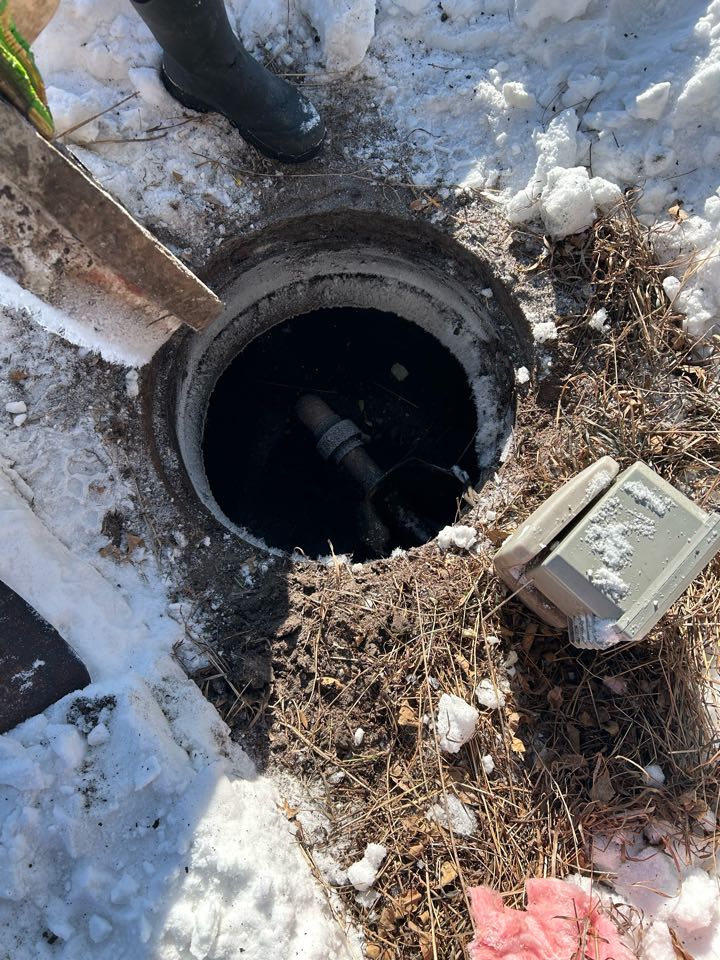
Start by checking the surface conditions around your septic tank and drain field. Look for signs of pooling water, which may indicate leaks or blockages that can be exacerbated by the local climate. Notice any areas where grass is greener or taller than the surrounding lawn; this could suggest excessive nutrient runoff, commonly seen in areas with high agricultural activity.
Be mindful of any unusual plant growth, as it might signal underlying issues, particularly in areas with a diverse ecosystem. Additionally, keep an eye out for cracks or depressions in the ground, which could lead to more severe problems if left unchecked, especially during seasonal changes when soil shifts are more likely.
Check for Odors
After inspecting surface conditions, it’s important to check for odors around your septic system, especially given the unique environmental factors in our region.
Strong, unpleasant smells can indicate potential issues, such as a leak or a malfunctioning component, which can be exacerbated by local soil conditions or high water tables.
Walk around the area and take note of any unusual odors. If you detect sewage or a rotten egg scent, it’s a clear sign that something may be amiss.
Don’t ignore these warning signs; they can lead to more significant issues if left unaddressed.
If you notice a strong odor, it may be wise to reach out to a local professional for a thorough inspection.
Regularly checking for odors can help you catch problems early, ultimately saving you from costly repairs and preventing potential health hazards.
Stay proactive to ensure your septic system remains in good working order in our unique climate and landscape.
Keep Detailed Records
Keeping detailed records is essential for maintaining your septic system, especially in areas with unique environmental challenges.
For instance, regions prone to heavy rainfall may experience higher water tables, affecting system performance. Track your maintenance history, document inspection findings, and record repair costs to stay informed about any issues that may arise.
This information not only helps you understand your system better but also aids in future inspections and repairs.
In locations where certain soil types are prevalent, understanding how these factors interact with your septic system can be crucial for effective management and maintenance.
Track Maintenance History
A well-maintained septic system is crucial, especially in areas with clay soils that can retain water and create challenges for drainage. Accurate record-keeping plays a significant role in the effective management of your system. Tracking your maintenance history is vital for identifying patterns and potential issues before they escalate.
Make it a habit to document every inspection, pump-out, and repair. Include dates, service providers, and specific actions taken. This information aids in predicting future needs and planning your budget accordingly.
In regions prone to heavy rainfall, understanding the frequency of service needs can help prevent overloading your system. When you maintain detailed records, you also enhance your property’s value, as prospective buyers appreciate knowing that the septic system has been well cared for.
Moreover, if problems arise, having this information readily available can streamline the troubleshooting process.
Document Inspection Findings
Thorough documentation of inspection findings is essential for maintaining the efficiency of your septic system, especially in regions with unique environmental conditions.
For instance, areas prone to heavy rainfall may experience increased water table levels, impacting the system’s performance. When you conduct an inspection, make sure to note every detail, including the condition of components, any signs of damage, and the overall performance of the system. This information helps you identify patterns or recurring issues over time.
Record the date of the inspection and the individual who performed it. If you encounter specific problems, be sure to highlight them for future reference. Keeping these records allows you to track changes and make informed decisions about necessary repairs or maintenance.
In regions where septic systems are common, a well-documented inspection history can also enhance your property’s appeal when you decide to sell, as it showcases your commitment to proper maintenance of the system.
Record Repair Costs
Recording repair costs is just as important as documenting inspection findings, especially in areas prone to specific environmental challenges. For instance, regions with high clay content in the soil may face unique septic system issues due to drainage problems.
Keeping a detailed record of all expenses related to your septic system helps you track your budget and plan for future maintenance effectively.
When you note every repair, you gain insight into patterns or recurring issues that may be influenced by local conditions, such as heavy rainfall or seasonal freeze-thaw cycles. This information can guide your decisions on necessary upgrades or replacements to better suit your area’s characteristics.
Make sure to include dates, detailed descriptions, and costs for each repair. This information not only aids in understanding the overall health of your system but also becomes invaluable if you decide to sell your property.
Potential buyers will appreciate having a clear history of maintenance and repairs, which can enhance your home’s value in a competitive market.
DIY Maintenance Tasks
While professional septic inspections can be expensive, there are several DIY maintenance tasks you can undertake to keep your system in good shape, especially considering the unique challenges in this region.
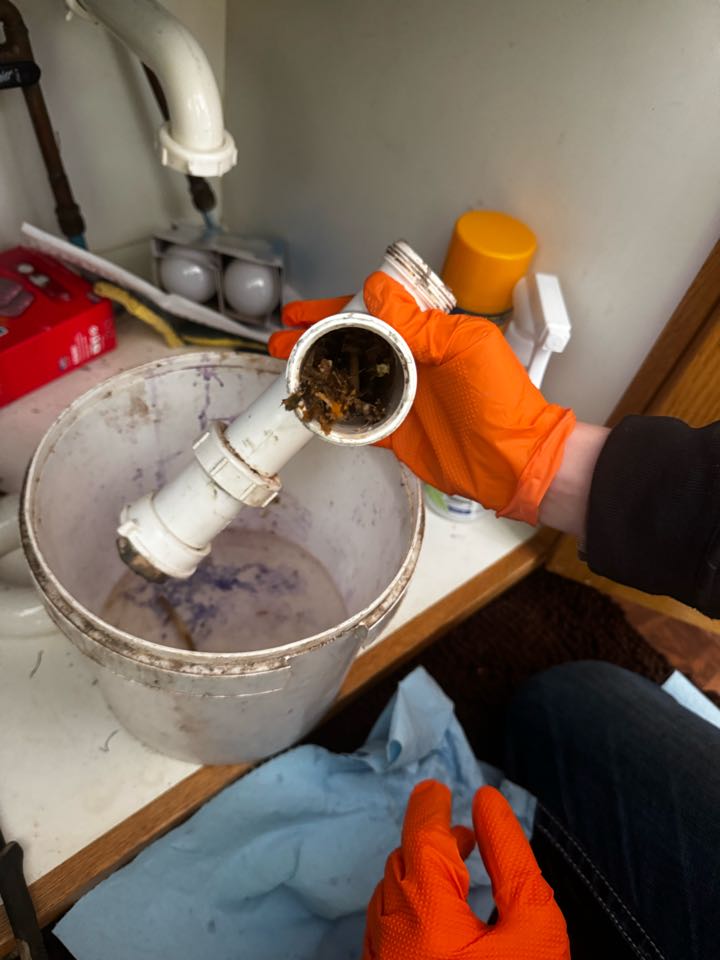
Begin by checking for any visible leaks or standing water around your tank and drain field, as the local soil conditions can affect drainage and exacerbate issues. Regularly inspect and clean your septic tank’s inlet and outlet pipes to prevent clogs, which can be particularly problematic in areas with heavy clay soil that retains water.
Avoid flushing non-biodegradable items, as these can lead to costly blockages that may be harder to resolve in our local environment. Additionally, keep an eye on your water usage; excessive water can easily overload your system, especially during periods of heavy rainfall when the ground may already be saturated.
Finally, maintain your drain field by avoiding parking or planting deep-rooted plants nearby, as local flora can disrupt the system’s function. By following these straightforward steps, you’ll help ensure your septic system operates efficiently, potentially saving you from expensive repairs in the future.
Utilize Local Resources
Maintaining your septic system doesn’t have to strain your finances, especially when you utilize local resources.
Begin by consulting your local health department or environmental agency, as they often provide guidelines, pamphlets, or even free workshops focused on septic system maintenance. In areas with clay soil, for example, understanding how this affects drainage can be crucial for upkeep.
Local extension services can offer valuable insights and may provide soil testing services, which can help you better understand your specific site conditions.
Consider reaching out to neighbors, as they can share experiences, tips, and recommend reliable inspectors who understand the unique challenges of the region, such as fluctuating water tables or seasonal weather impacts.
Additionally, local hardware stores sometimes host community events where you can gain knowledge about septic care while connecting with professionals familiar with the area’s specific requirements.
Schedule Group Inspections
One effective way to save money on septic inspections in our region is to schedule group inspections with your neighbors. When you combine resources, it often becomes possible to negotiate a more favorable rate with the inspector. This approach not only helps to share costs but also makes the process more efficient.
Coordinate with your neighbors to find a suitable date that works for everyone involved. Not only does this strategy save on expenses, but it also strengthens community bonds.
In our area, it’s important to consider the unique challenges posed by the varying soil types and regulations governing septic systems. Make sure each household prepares adequately by gathering necessary documentation and ensuring that access to septic systems is clear.
Consider Seasonal Checks
Scheduling group inspections is a smart way to manage costs, but don’t overlook the benefits of seasonal checks for your septic system, especially given the unique environmental challenges faced in our region.
By inspecting your system at the change of each season, you can catch potential issues before they escalate.
In the spring, keep an eye out for signs of flooding or overgrowth around your drain field, particularly after the heavy rains that can be common in this area.
Summer is an ideal time to verify that your system’s components are functioning well under the heat, as prolonged high temperatures can put extra strain on your system.
Fall inspections are crucial for preparing for winter, as they can help identify any necessary repairs before the ground freezes, which can be particularly problematic in areas that experience harsh winters.
Finally, winter checks can reveal if your system is at risk of freezing or backup issues, especially during those cold snaps when temperatures plummet.
Regular seasonal checks can help you avoid unexpected expenses in the long run by preventing costly repairs and ensuring your septic system operates efficiently throughout the year.
Conclusion
By following these tips, you can keep your septic inspection costs low while ensuring your system runs smoothly. Understanding the specific challenges posed by the local soil conditions and weather patterns can make a significant difference in your septic system’s performance. Conducting regular checks on your system, especially after heavy rains or during dry seasons, is crucial in areas prone to flooding or drought. Utilizing local resources, such as community workshops or free informational sessions offered by environmental agencies, can save you time and money. Don’t forget to schedule inspections during periods when demand is lower, such as late fall or early spring, to potentially reduce costs. Additionally, consider teaming up with neighbors for group inspections, as local contractors may offer discounts for multiple systems being checked at once. With a little effort and careful planning, you’ll be on your way to maintaining a healthy septic system without straining your budget.