7 Tips for Sewer Line Inspections in Sauk Rapids
When it comes to sewer line inspections in Sauk Rapids, it’s crucial to focus on the essentials. By following a few key tips, you can ensure an efficient and thorough process that may help you avoid costly repairs down the line. Given the area’s unique landscape and weather patterns, challenges such as tree root intrusion and heavy rainfall can significantly impact your sewer system. Recognizing early warning signs, such as slow drains or unusual odors, is vital for prompt action. Utilizing advanced technology like video inspections can provide a clear view of potential issues, ensuring no problem goes unnoticed. Have you considered which tip might be the most crucial for maintaining the smooth operation of your sewer system?
Recognize the Warning Signs of Sewer Line Problems
Spotting sewer line issues early can save you a lot of trouble, especially in areas where heavy rainfall can exacerbate problems.
Keep an eye out for slow drains, as they might indicate a blockage, particularly in older homes that may have outdated plumbing. If your sink or shower takes longer than usual to drain, it’s a red flag.
Listen for gurgling sounds in your pipes, especially after flushing the toilet. This noise often means trapped air due to a clog, which can be more common in regions with tree roots infiltrating sewer lines.
Notice any unpleasant odors around your home? That could be a sewer gas leak, which is particularly concerning in neighborhoods with dense housing.
Be alert for wet patches in your yard that don’t seem to dry; these might indicate a broken line, especially if you live in an area prone to soil erosion.
Finally, watch for recurring plumbing backups; they’re a clear sign something’s wrong and may require immediate attention.
Understand the Importance of Regular Inspections
Understanding the Importance of Regular Inspections
While recognizing warning signs is crucial, regular sewer line inspections are vital for maintaining your home’s plumbing health, especially in areas prone to heavy rainfall or older infrastructure.
By scheduling these inspections, you can catch potential issues before they escalate into costly repairs. Consistent checks ensure your sewer system operates efficiently and help you avoid unexpected disruptions.
Here’s why regular inspections are essential:
- Prevent Blockages: Early identification of debris or root intrusions can save you from major headaches, particularly in neighborhoods with mature trees.
- Save Money: By avoiding expensive emergency repairs, you can allocate your budget for more enjoyable home improvements.
- Extend Lifespan: Regular maintenance increases the durability of your sewer lines, which is especially important in regions with fluctuating temperatures that can cause wear and tear.
- Health Protection: Inspections help prevent contamination and health hazards, safeguarding your family from potential waterborne illnesses.
- Compliance: Ensuring your system meets local regulations helps avoid fines or complications when selling your home.
These proactive measures contribute to a smoothly running household.
Don’t wait for a problem to arise; make inspections a regular aspect of your home maintenance routine. Your peace of mind is invaluable!
Utilize Advanced Technology for Accurate Assessments
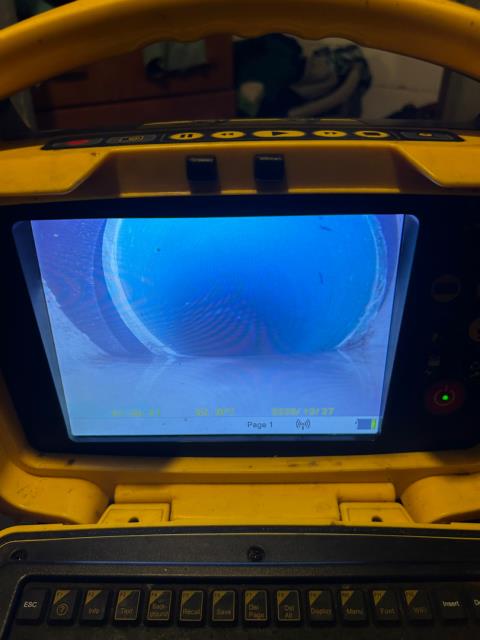
Utilizing advanced technology can transform the way sewer lines are assessed in our local environment, addressing specific challenges faced by the community. For instance, the aging infrastructure in certain neighborhoods can lead to frequent blockages and leaks, making high-definition sewer cameras an invaluable tool. These cameras provide a clear, real-time view of the pipes’ condition, allowing for the identification of issues without the need for invasive digging.
In areas prone to heavy rainfall, incorporating sonar detection can significantly enhance assessments. This technology accurately maps and measures flow, helping to identify potential problem areas before they escalate into costly repairs. By using sonar detection, local homeowners can save both time and resources by preventing unnecessary excavation.
Additionally, robotic crawlers can be a game-changer for inspecting hard-to-reach areas, such as those with intricate pipe systems or tight spaces. These crawlers deliver detailed diagnostics, ensuring that every inch of the sewer system is carefully examined.
Know When to Consult a Professional
If you encounter persistent sewer issues or complex problems beyond basic DIY fixes, it’s crucial to consult a professional. Experts have the experience and tools to address complications effectively, ensuring your sewer lines are in prime condition.
When considering professional help, keep these factors in mind:
- Recurrent Blockages: If plunging doesn’t work and clogs keep returning, it’s time for expert intervention. Local plumbing systems may be more prone to certain types of blockages due to the age and conditions of the infrastructure.
- Foul Odors: Persistent smells in your area may indicate deeper issues needing professional assessment. These odors could be exacerbated by local environmental factors or seasonal changes that affect sewer conditions.
- Slow Draining: Consistently slow drains often signal problems best handled by a specialist. In regions with older plumbing, the buildup of minerals or sediment can contribute to this issue.
- Multiple Affected Fixtures: If several fixtures are impacted, the issue might be more extensive than it appears. This could be particularly true in neighborhoods where homes share sewer lines, making a comprehensive evaluation necessary.
- Tree Root Intrusion: Roots can cause significant damage, necessitating professional removal and repair. In areas with mature landscaping or abundant tree cover, root intrusion is a common challenge that requires expert attention.
Consulting a professional can help ensure your sewer lines are properly maintained and functioning effectively, tailored to the specific challenges of your local environment.
Prepare Your Property for Inspection Day
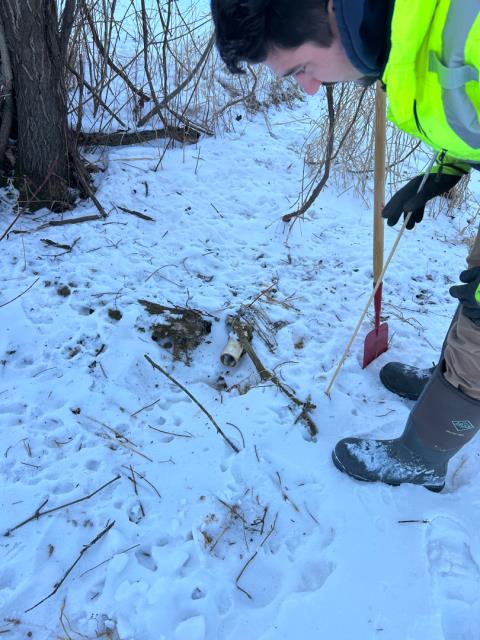
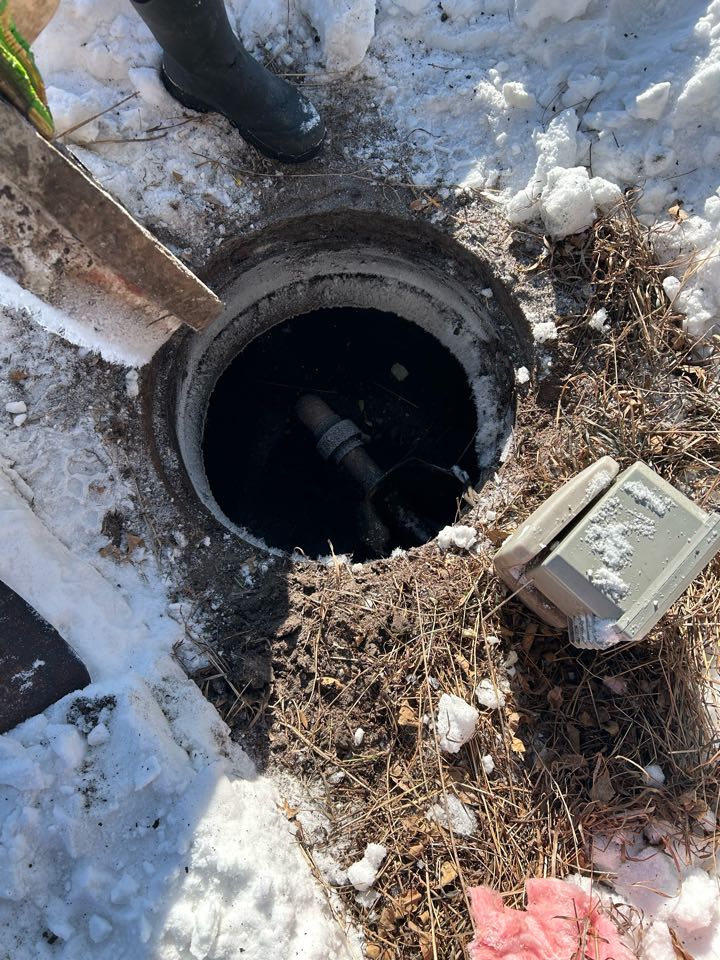
Before the inspection day arrives, taking a few preparatory steps can ensure a smooth and efficient process. First, clear any obstacles around your sewer line access points. In regions where tree roots or heavy rainfall can impact sewer lines, this step is particularly crucial. It helps the inspector perform their job without delays.
Confirm that pets are secured in a safe area to prevent distractions or potential accidents. Additionally, check that any gates or doors are open so the inspector can move freely around your property.
Next, inform household members about the inspection schedule to minimize disruptions. In communities where inspections are common due to seasonal flooding or local regulations, it can be helpful to have a basic understanding of your sewer system layout to answer any questions the inspector might have.
Finally, keep your contact information handy, as the inspector may need to reach you for clarifications during the process.
Evaluate the Inspection Results Thoroughly
Once the sewer line inspection is complete, it’s crucial to evaluate the results thoroughly to address any potential issues. In areas prone to heavy rainfall, such as those near rivers or lakes, you may encounter specific challenges such as flooding or excessive root growth.
You’ll want to review the findings with a keen eye, focusing on any signs of damage or blockages that could exacerbate these local conditions. Understanding the scope of the results can help prevent small issues from turning into expensive repairs.
Here’s how to approach it:
- Review Video Footage: Watch any inspection videos to identify cracks, roots, or obstructions that may be more common in certain soil types or climates.
- Analyze the Report: Check the inspector’s written report for detailed problem areas, particularly those influenced by local environmental factors.
- Ask Questions: Don’t hesitate to clarify anything you don’t understand with the inspector, especially regarding localized issues that may affect your sewer line.
- Compare with Past Inspections: Look for recurring issues or new problems that may have arisen due to seasonal changes or local construction.
- Prioritize Issues: Determine which problems require immediate attention and which can wait, especially in relation to the potential impact of local weather patterns.
Plan for Future Maintenance and Repairs
After evaluating the inspection results, it’s essential to focus on planning for future maintenance and repairs tailored to local conditions. Proactive planning can save you time and money.
Start by creating a schedule for regular check-ups of your sewer line, particularly considering the unique climate and soil conditions of your area that can affect pipe integrity. The age and material of the pipes should also guide how often inspections take place.
It’s wise to maintain a log of past issues and repairs to identify patterns or recurring problems specific to your locality. This documentation will help you anticipate future needs.
Additionally, set aside a budget specifically for maintenance and unexpected repairs, ensuring you’re prepared for emergencies that may arise from local environmental factors.
Collaborate with a trusted plumber familiar with the common challenges in your region to address any identified issues promptly. Staying ahead of potential problems means fewer disruptions and maintaining the integrity of your sewer system.
Conclusion
You’ve gathered important strategies to ensure effective sewer line inspections in Sauk Rapids. This area faces unique challenges, including tree root intrusions and aging infrastructure that can lead to blockages. It’s crucial to be aware of warning signs like slow drainage or unusual odors, and to schedule regular inspections, especially in the spring when heavy rains can exacerbate issues. Utilizing advanced technology such as video camera inspections can help identify problems early on.
Make sure your property is accessible for inspectors by clearing any debris around access points. It’s wise to consult local professionals who understand the specific challenges of Sauk Rapids, as they can provide tailored advice and services. After inspections, thoroughly review the findings to understand your sewer system’s condition and necessary actions.
Additionally, set aside resources for ongoing maintenance and potential repairs, as this proactive approach can help you manage any unforeseen complications. By staying informed about local sewer issues and addressing them promptly, you can keep your sewer system in good working order and avoid unexpected expenses in the future. Keep these strategies at the forefront for successful inspections.