5 Tips to Resolve Drain Field Problems Sauk Rapids
If you’ve noticed signs of drain field problems in Sauk Rapids, it’s crucial to take action promptly. Early intervention can save you from expensive repairs and potential health risks associated with wastewater issues. Local factors, such as the area’s clay soil composition and seasonal flooding, can exacerbate drain field complications. You may be wondering where to begin or what steps to follow. Understanding how to assess your system and implement effective solutions is vital. Let’s explore practical tips that can help you restore your drain field’s functionality and prevent future issues specific to the Sauk Rapids region.
Assess Your Drain Field for Signs of Failure
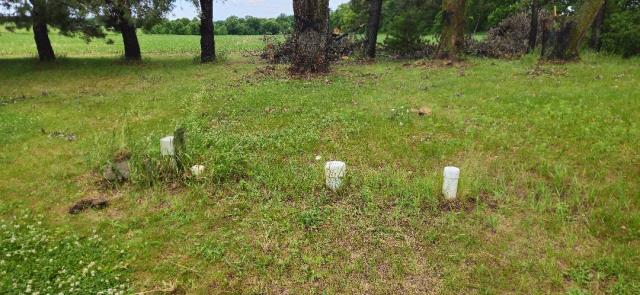
How can you tell if your drain field is failing? First, keep an eye out for standing water or soggy spots in your yard, particularly in areas where the drain field is located.
In regions with heavy rainfall, these signs can become more pronounced as the soil may struggle to absorb excess water. If you detect unpleasant odors, that’s another warning sign.
Slow drainage in sinks or toilets may also suggest underlying issues, particularly during peak usage times.
In some areas, you might notice that the grass is unusually lush in certain spots, indicating that excess nutrients from wastewater are pooling. This can be particularly noticeable during the growing season.
Additionally, frequent backups in your plumbing can signal that your septic system is overwhelmed and unable to manage the flow effectively.
Lastly, if your septic tank requires pumping more often than usual, this may indicate that your drain field isn’t functioning as it should.
Addressing these indicators promptly can help prevent more serious and costly repairs down the line.
Improve Drainage Around Your Septic System
Proper drainage around your septic system is crucial for avoiding expensive problems in the future. In regions prone to heavy rainfall or clay soils, it’s especially important to ensure that the ground slopes away from your septic tank and drain field. This design allows rainwater and surface water to flow away, minimizing the risk of flooding your system.
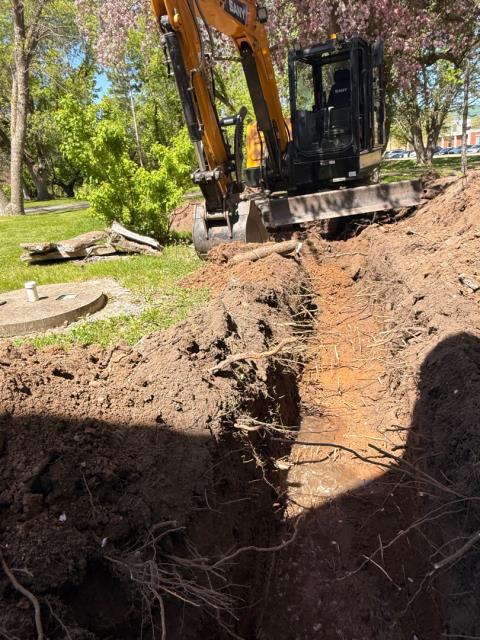
If you live in an area where water tends to pool, consider creating a drainage trench or installing a French drain to redirect excess water away from your septic system.
Be vigilant about regularly clearing away debris, leaves, and vegetation that can obstruct water flow. In many local environments, invasive plant species can quickly take over, so it’s wise to keep your septic area clear.
Additionally, avoid planting deep-rooted trees or shrubs too close to your septic system, as their roots can infiltrate and damage the pipes. By implementing these strategies, you’ll improve drainage, safeguard your septic system, and extend its operational lifespan.
Limit Water Usage to Prevent Overload
To prevent overloading your septic system, it’s essential to limit your water usage, especially during peak times like the summer months when outdoor activities increase.
In areas prone to drought, such as those with sandy soil or limited water sources, simple adjustments can make a significant impact. Start by spreading out laundry loads throughout the week instead of washing everything in one day, as this will help manage the amount of water entering the system at once.
Try to run dishwashers and washing machines only with full loads to maximize efficiency. Repair any leaks in faucets or toilets promptly, as even small drips can accumulate and strain your septic system over time.
Consider taking shorter showers and turning off the tap while brushing your teeth to conserve water.
If you have outdoor watering needs, schedule those during dry periods and consider using rain barrels to collect runoff during rainstorms.
In regions with specific watering restrictions, be sure to adhere to local guidelines as well.
Schedule Regular Maintenance and Inspections
While it may not be something you think about regularly, scheduling regular maintenance and inspections for your septic system is crucial for its longevity, especially in areas with high clay content in the soil, which can lead to drainage issues.
By having a professional inspect your system at least once a year, you can identify potential problems before they escalate. They’ll check the tank, drain field, and all components to ensure everything is functioning properly.
In regions prone to heavy rainfall, like spring and early summer, it’s particularly important to monitor your system’s performance. If you notice slow drains or unusual odors, don’t wait for your routine inspection; address these issues immediately, as they can indicate underlying problems.
Regular pumping of your septic tank is vital in preventing clogs and backups, keeping your system operating efficiently.
Investing time and resources into maintenance now can save you from significant repairs later on, especially in areas where septic systems are common and can easily be overwhelmed by environmental factors.
Consider Alternative Solutions for Severe Issues
If you find your septic system facing severe issues, it’s essential to explore alternative solutions that can effectively address the problem. In regions with high water tables or clayey soil, traditional septic systems may struggle to function properly.
In such cases, consider installing an alternative drain field system, such as a sand filter or a mound system, which can manage wastewater more efficiently in challenging conditions.
Additionally, advanced treatment systems that are specifically designed for local environmental conditions can improve the quality of effluent before it reaches the drain field, ensuring compliance with local regulations and protecting nearby water sources.
If your current system is beyond repair, a complete replacement may be necessary, but local regulations may dictate the type of system you can install.
Consulting with a septic professional familiar with local soil conditions and regulations can provide valuable insights into what options best suit your property’s needs.
Seeking expert advice ensures you’re making informed decisions for the longevity and performance of your septic system while adhering to regional guidelines.
Conclusion
By following these tips, you can effectively tackle drain field problems in Sauk Rapids. Start by evaluating your system for signs of failure, such as unusual odors or slow drainage, which can be exacerbated by the area’s clay soil that retains water. Improving drainage around your system is crucial, especially during the heavy rains that Sauk Rapids experiences in the spring. Limiting water usage and scheduling regular maintenance will help prevent issues from escalating. If you continue to face challenges, consider exploring alternative solutions that comply with local regulations, such as working with local contractors who understand the specific soil and environmental conditions in the area. Taking these steps will ensure your septic system operates smoothly, providing you with peace of mind and a healthier environment.