Top 5 Emergency Septic Repair Tips
When a septic system emergency occurs, especially in areas with unique soil conditions or high groundwater levels, knowing how to respond can save you time and money. You might notice foul odors or slow drains, which are common indicators of an issue. It’s crucial to act quickly in these situations. First, assess the problem at hand. Is there pooling water in your yard? Are there signs of backup in your home? Identifying these issues is just the beginning.
In regions where heavy rainfall can impact septic systems, it’s important to be aware of how moisture levels can exacerbate problems. Take the following key steps to improve your situation:
- Limit Water Usage: Reduce water flow in your home to prevent further strain on the septic system. Avoid doing laundry or running dishwashers until the issue is resolved.
- Locate the System: Familiarize yourself with the layout of your septic system, including the tank and drain field. This knowledge can help you identify the source of the problem more easily.
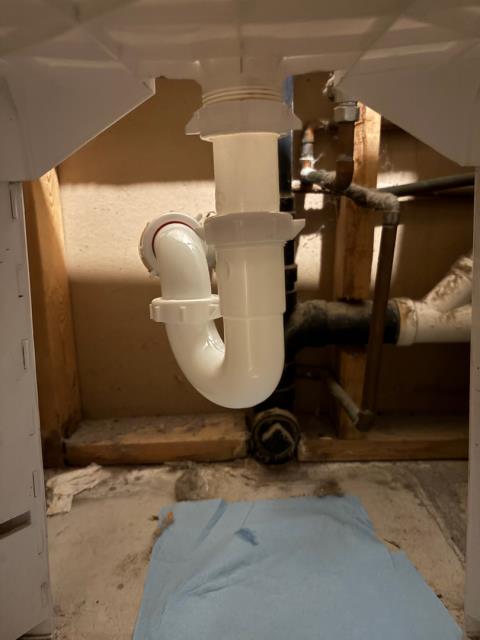
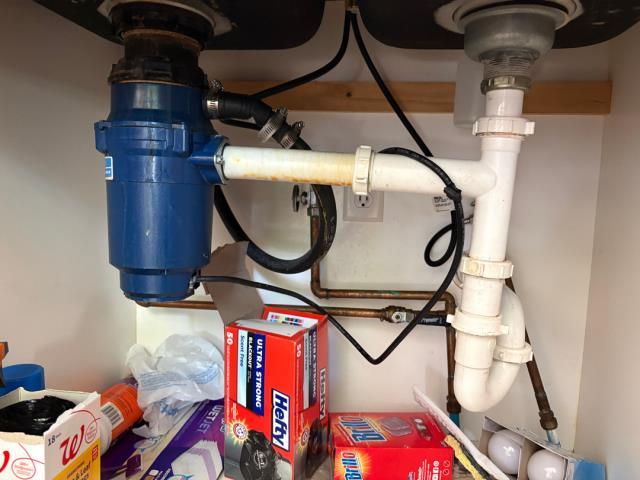
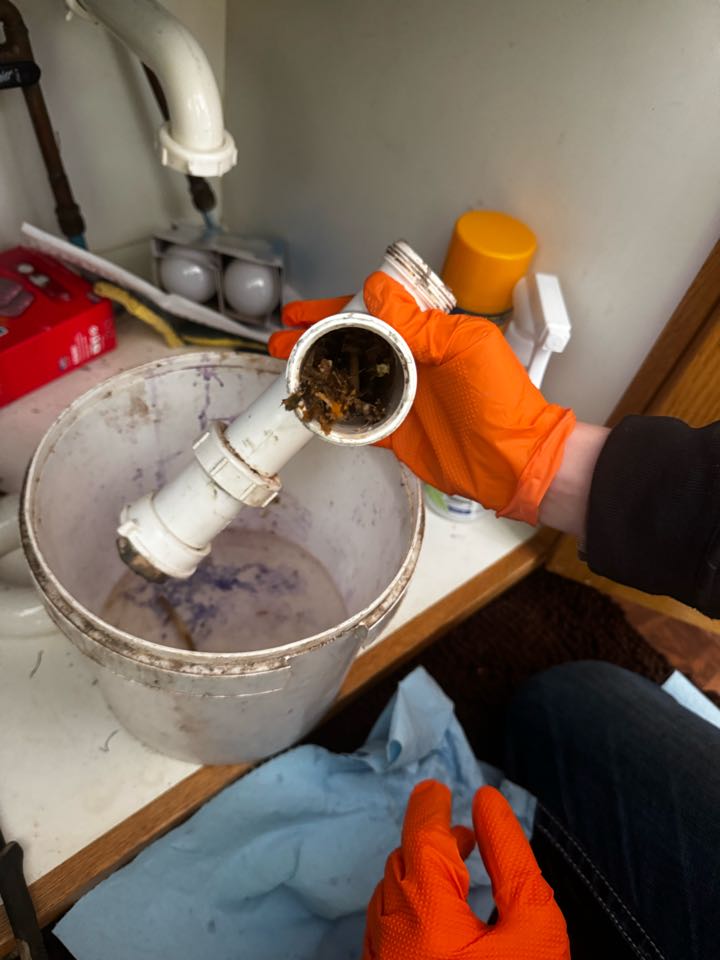
- Check for Blockages: Inspect any accessible pipes for blockages. Sometimes, simple clogs can lead to major backups.
- Avoid Chemicals: Don’t use harsh chemicals or additives that claim to “fix” septic problems. These can disrupt the natural bacteria balance essential for proper function.
- Call a Professional: In many cases, it’s best to contact a local septic service provider who understands the specific challenges of your area. They can provide expertise tailored to your region’s conditions.
By taking these steps, you can navigate a septic emergency more effectively and reduce the potential for costly repairs down the line.
Assess the Situation and Identify the Problem
When you notice signs of a septic system failure, it’s essential to act quickly to assess the situation and identify the problem. In areas with clay soil common to the region, you may find that drainage is particularly poor, leading to unusual puddles in your yard.
Look for foul odors or overly lush patches of grass, as these could indicate a leak or backup. Additionally, inspect your plumbing fixtures for slow drains or gurgling sounds, which may suggest clogs that are exacerbated by the local soil conditions.
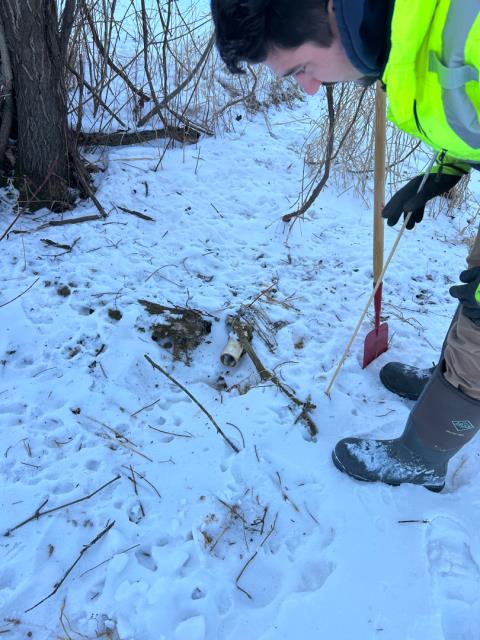
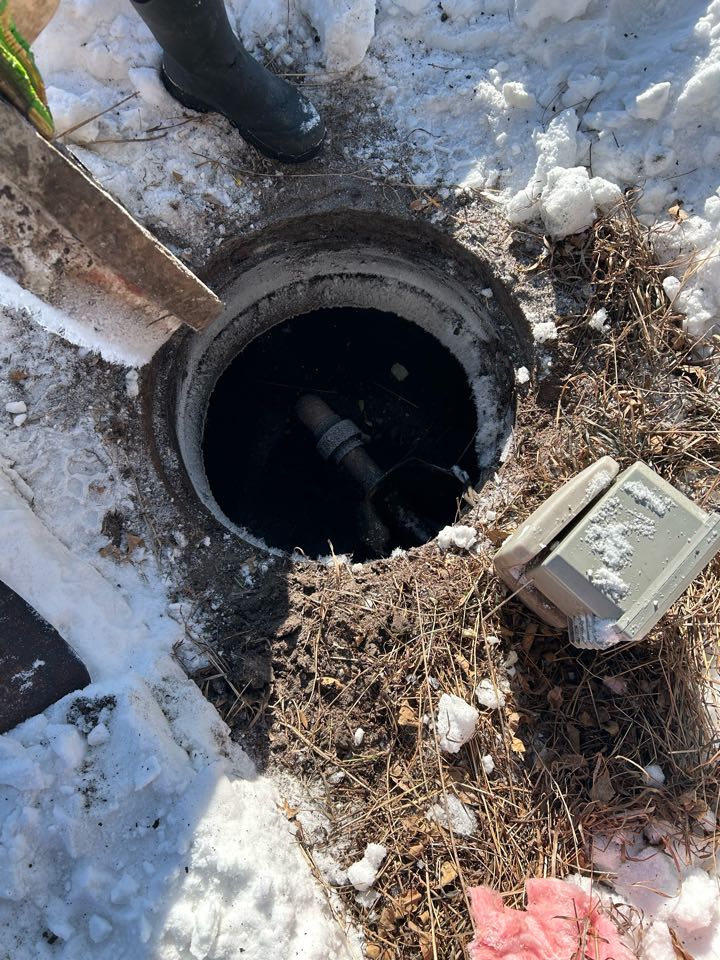
Don’t overlook the access points to your septic tank; if you see waste or water pooling around them, this is a clear warning sign. Given the area’s high water table, these issues can escalate quickly, making prompt intervention crucial.
Document any findings, as this information will be important for a professional evaluation later. By acting swiftly and gathering details, you’ll set yourself up for a more efficient repair process and potentially mitigate costly damages that can arise from further complications.
Turn Off the Water Supply
Turning off the water supply is a crucial step in managing a septic system emergency, especially in areas prone to heavy rainfall or flooding. By doing this, you prevent additional water from entering the septic tank, which can exacerbate the situation.
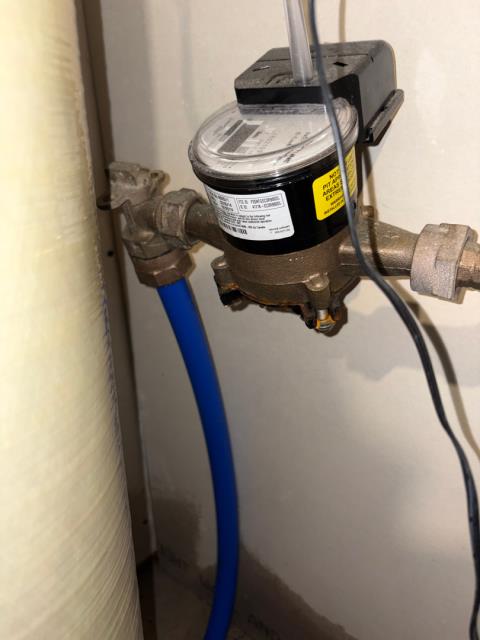
In many homes, the main water shut-off valve is typically located near the water meter or where the main line enters the house. Once you locate it, turn the valve clockwise until it’s fully closed. This action helps reduce the risk of overflow and allows you to address the issue without further complications.
In regions where the ground is saturated or where septic systems are already under strain, controlling water flow becomes even more vital for effective repairs. After shutting off the supply, you can concentrate on diagnosing the problem or reaching out to a professional without the added stress of an overflowing system.
Be aware that local regulations may also dictate specific procedures for septic system repairs, so it’s important to familiarize yourself with these guidelines as you manage the situation.
Avoid Flushing and Using Drains
To prevent further complications during a septic emergency, it’s essential to avoid flushing toilets and using drains.
In areas prone to heavy rainfall, such as those near riverbanks or coastal regions, overloading your septic system can lead to backups and exacerbated issues. Instead, focus on minimizing water usage as much as possible.
This means skipping showers, avoiding laundry, and not running the dishwasher. Every drop counts, so even small changes can significantly reduce stress on your system.
Remember, your goal is to keep water from flowing into the septic tank until a professional can address the issue. By taking this precaution, you’re protecting your home from more extensive damage and potential repairs that can arise from a malfunctioning septic system.
Stay calm, and concentrate on what you can control during this challenging situation.
Document the Issue for Professionals
After you’ve minimized water usage to avoid overwhelming your septic system, it’s important to document the issue for the professionals who’ll assist you. In areas with clay soil, for instance, you may face unique challenges such as slower drainage due to compacted earth.
Begin by noting any unusual signs, such as slow drains or unpleasant odors, which can indicate a problem.
Take photos of visible issues, like wet spots in your yard or backups in your plumbing. This is particularly crucial in regions prone to heavy rainfall, where saturated ground can exacerbate septic system failures.
Record the timeline of when the issues began, including any changes in your water usage habits, especially during seasonal shifts.
If you’ve attempted any DIY fixes, make sure to document those as well. Having clear and organized details will provide essential information to the technician, helping them diagnose the problem more efficiently.
This thorough documentation can save time and potentially reduce the overall costs associated with repairs, ensuring you receive the best possible service for your emergency septic needs.
Call a Licensed Septic System Technician
Since septic system issues can escalate quickly, calling a licensed technician as soon as you notice a problem is essential. In areas with heavy rainfall or flooding, such as those commonly found in the region, septic systems may be particularly vulnerable to failure.
These professionals have the training and experience to diagnose and fix issues effectively, preventing further damage. Attempting DIY repairs can lead to costly mistakes and safety hazards, especially in locations with unique soil conditions or high water tables that can complicate septic system functionality.
A licensed technician won’t only address the immediate concern but also provide preventative advice tailored to the local environment to help avoid future problems.
When you call, be prepared to share details about the symptoms you’ve observed, such as slow drains or unusual odors. This information can help the technician assess the situation more accurately.
Conclusion
In a septic system emergency, acting quickly is crucial, especially in areas prone to heavy rainfall or flooding, which can exacerbate issues. Start by evaluating the situation; check for any visible leaks or backups, which can be common in regions with clay soils that retain water. Next, turn off the water supply to prevent further strain on the system, and refrain from using any drains, as this can lead to overflows.
Documenting everything is vital for when you reach out to professionals, particularly in localities where septic regulations can be strict and vary significantly. Finally, calling a licensed septic technician with experience in your area ensures that you receive the right assistance swiftly. Remember, taking prompt action can save you from larger complications and more expensive repairs later on. Stay proactive and keep your septic system functioning smoothly to avoid emergencies.