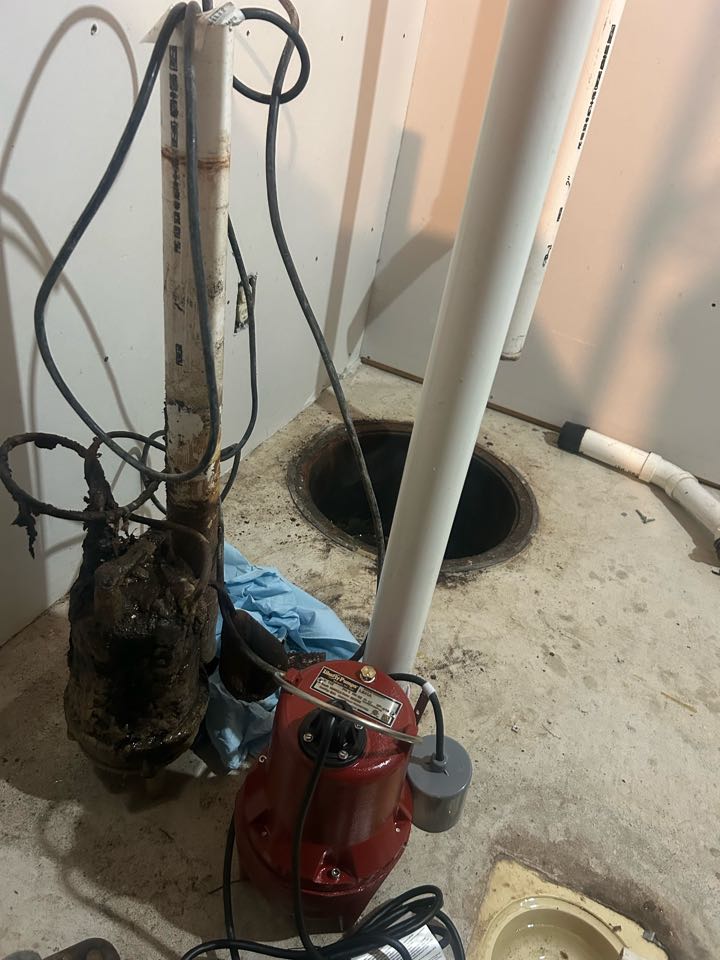
Top Causes of Sewer Line Blockages in Sauk Rapids
In Sauk Rapids, residents often experience the frustration of sewer line blockages. The area’s lush trees can lead to tree root intrusion, a common issue that disrupts sewage flow. Additionally, the local culinary habits may contribute to grease buildup in pipes, further complicating plumbing systems.
Non-flushable items, often found in households, can also create significant blockages. Beyond these familiar challenges, factors unique to Sauk Rapids, such as pipe sagging due to soil conditions and heavy rains, can exacerbate sewer issues. Wildlife in the region can also play a surprising role, as animals may damage sewer lines or introduce debris.
Understanding these specific causes is crucial for homeowners looking to maintain their plumbing and avoid potential repair costs. Taking proactive measures can help ensure a smoothly running sewer system in your home. What steps will you take next to safeguard your plumbing?
Tree Root Intrusion
When tree roots invade sewer lines in urban areas, they can lead to significant blockages that disrupt the flow of wastewater. Many homeowners may not consider trees a threat, but in regions with abundant vegetation, their roots naturally seek moisture and nutrients, often finding them in sewer pipes.
As these roots grow, they can penetrate small cracks or joints in the pipes, ultimately expanding and creating major obstructions. This can result in slow drains, unpleasant odors, and even sewage backups within your home.
In areas known for their dense tree cover, it’s particularly important to be vigilant. Regularly inspecting the health of nearby trees and considering a professional sewer inspection can help mitigate these issues.
Early detection is crucial and can prevent costly repairs and significant inconvenience. By addressing root intrusion proactively, you can maintain a smoothly operating sewer system and avoid the disruptions that come with unexpected blockages.
Grease and Fat Accumulation
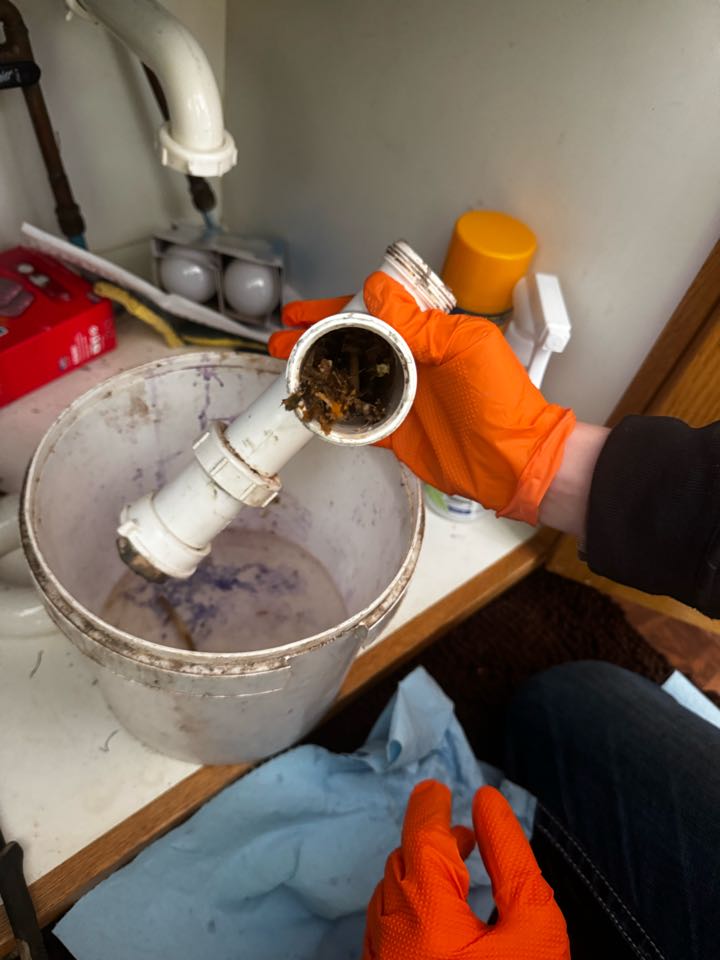
In many urban areas, particularly those with older plumbing infrastructure, grease and fat accumulation is a frequent cause of sewer line blockages. Pouring cooking grease or fat down the drain might seem harmless initially, but as these substances cool, they solidify and adhere to the inner walls of pipes.
This buildup can be especially problematic in regions where the pipes are already prone to wear and tear. Over time, the narrowing of the passageway can lead to significant blockages, resulting in slow-draining sinks and unpleasant odors emanating from your drains.
To avoid these issues, it’s crucial not to dispose of grease in your kitchen sink. Instead, allow it to cool in a container and dispose of it in the trash.
Additionally, regularly flushing your drains with hot water can help mitigate grease buildup. By taking these proactive measures, you can help ensure that your sewer line remains clear and functions efficiently, protecting your home from the inconvenience of plumbing problems.
Flushing Non-Flushable Items
Flushing non-flushable items down the toilet may seem like a convenient solution, but it can lead to significant plumbing problems, especially in areas with older infrastructure.
Residents in regions with aging sewer systems may find that flushing items like wipes, cotton swabs, paper towels, or feminine hygiene products can result in severe blockages. These materials don’t break down like toilet paper and can easily become lodged in pipes, leading to costly repairs.
In addition, certain localities may experience frequent backups due to the accumulation of non-flushable items in their sewer lines, impacting not only individual homes but also the community’s overall plumbing system.
To maintain your plumbing and prevent these issues, it’s crucial to limit flushing to only toilet paper and human waste. Even products marketed as “flushable” can create problems, as local waste treatment facilities may struggle to process them effectively.
Pipe Sagging or Bellied Pipes
Pipe sagging, commonly known as bellied pipes, occurs when a section of a sewer line begins to bow or dip downwards. This can result in water and waste pooling in the sagging area, heightening the risk of blockages.
You may be curious about how this issue arises. Several factors contribute to this problem, particularly in our region:
- Soil Movement: The local geology can lead to shifting soil over time. Heavy rains, seasonal freezes, or the weight of construction can cause the ground to settle and lead to sagging pipes.
- Improper Installation: In some older neighborhoods, if pipes weren’t installed with the correct slope, they’re more prone to develop low spots that can exacerbate the issue.
- Aging Infrastructure: Many of the sewer systems in our area are aging and may weaken over time, causing pipes to sag under their own weight.
To mitigate this issue, regular inspections and maintenance are crucial.
Pay attention to early signs, such as slow drains or unusual odors, which could indicate a problem with your sewer lines.
Debris and Sediment Buildup
When debris and sediment accumulate in sewer lines, they significantly increase the risk of blockages, which can be particularly problematic in areas with older infrastructure. In many neighborhoods, heavy rainfall can exacerbate the situation as stormwater combines with debris, leading to more frequent backups.
Everyday activities contribute to this buildup, with cooking grease, soap scum, hair, and food particles being common offenders. These materials gradually gather in your pipes, creating stubborn obstructions over time. In regions where clay pipes are prevalent, this issue can be even more pronounced, as roots from nearby trees can infiltrate and further complicate the drainage system.
As these materials accumulate, they narrow the passage for wastewater, resulting in backups and unpleasant odors in your home. Therefore, it’s crucial to take preventive measures.
Regularly cleaning drains and refraining from disposing of inappropriate items, such as grease or food scraps, down the sink are essential steps. Additionally, using strainers can effectively catch debris before it enters the pipes, especially in areas where food preparation is common.
Corroded or Deteriorating Pipes
Addressing debris and sediment buildup is just one aspect of maintaining a healthy sewer system.
Another critical concern is corroded or deteriorating pipes, especially in areas with high humidity or older infrastructure. In our region, pipes exposed to moisture and waste can weaken over time, leading to blockages or even collapse. Common signs of trouble include slow drains, unpleasant odors, or unusual sounds coming from your plumbing.
To tackle these issues, consider the following:
- Inspection: Regularly inspect your sewer lines for early signs of corrosion or damage. This is particularly important in neighborhoods with aging plumbing systems, as it helps catch problems before they escalate.
- Material Choice: When replacing old pipes, opt for durable materials like PVC or HDPE. These materials have superior resistance to corrosion compared to traditional options, making them a wise choice for our local climate.
- Preventive Maintenance: Implement a routine maintenance plan tailored to the specific challenges of our area, such as heavy rainfall or soil conditions, to prolong your pipes’ lifespan and reduce the risk of blockages.
Stay proactive to avoid costly repairs down the line!
Incorrect Pipe Installation
Improper installation can wreak havoc on your sewer system, especially in areas like Sauk Rapids where the soil composition can pose unique challenges. When pipes aren’t aligned correctly, it creates opportunities for blockages. You might think new pipes mean fewer problems, but incorrect installation can lead to misaligned joints and poor slopes.
These issues are particularly concerning in regions with varying temperatures, as they can cause the ground to shift and exacerbate existing alignment issues, leading to waste and debris collection that disrupts your home’s plumbing.
It’s essential to ensure that professionals handle your sewer line installations. Skilled technicians familiar with the local conditions make sure pipes are angled properly, allowing gravity to do its job effectively. They also confirm that the joints are sealed tightly, preventing leaks and future blockages that can be more common in areas with high water tables.
You should always verify the credentials of those working on your sewer system. By doing so, you’ll avoid costly repairs and maintain a smoothly functioning sewer line in Sauk Rapids, protecting your home from the inconveniences of plumbing issues.
Heavy Rainfall and Flooding
Sauk Rapids is familiar with heavy rainfall, but these intense downpours can cause serious issues for the local sewer system. When significant rain events occur, the capacity of the sewer lines can be overwhelmed, leading to blockages and backups.
Here’s how this situation unfolds:
- Excessive Water Flow: Heavy rains increase the volume of water entering the sewer system, which can exceed its designed capacity. This often results in water backing up into homes and streets, particularly in low-lying areas.
- Debris Accumulation: Floodwaters can transport various debris such as leaves, branches, and litter into the sewer lines. This influx of materials can create significant clogs, preventing the efficient flow of water.
- Erosion and Sediment: When flooding occurs, it often results in erosion, washing soil and sediment into the sewer system. Over time, this sediment can accumulate and lead to further blockages, posing challenges for local infrastructure.
Residents should remain vigilant during heavy rain events to help mitigate these issues and protect their homes from potential flooding.
Animal Infestation in Sewer Lines
While heavy rainfall poses immediate challenges to the sewer lines in Sauk Rapids, another persistent issue lurks beneath the surface—animal infestation. Local sewer lines often attract rats and other small creatures looking for a cozy habitat.
These pests can chew through pipes and create blockages, leading to significant plumbing disruptions in the community. You might think these small animals can’t cause much harm, but their cumulative damage can escalate quickly.
Preventing infestations requires regular maintenance and inspections tailored to the unique conditions of our area. Be vigilant for signs such as unusual noises or foul odors emanating from your plumbing.
If you notice these indicators, it may be time to enlist the help of local professionals who understand the specific challenges faced here. They’ll assess the situation and safely remove any unwelcome critters.
Taking swift action not only prevents blockages but also safeguards against potential health hazards that could affect your home and your neighbors. Don’t wait until the problem worsens—take proactive steps to protect your property from these stealthy intruders.
Conclusion
To prevent sewer line blockages in Sauk Rapids, it is essential to stay proactive with regular maintenance and inspections. In this area, tree roots can pose a significant threat to underground pipes, so it is crucial to monitor vegetation near your sewer lines. Additionally, avoid pouring grease down the drain, as it can solidify and create clogs, especially in older piping systems common in some parts of the community. Be sure to only flush items that are genuinely flushable to avoid unnecessary complications.
Heavy rainfall can also be a challenge, as it may lead to increased water flow that can exacerbate issues like pipe sagging and erosion. Local weather patterns can contribute to these situations, making it even more important to address potential problems early on. By being proactive and vigilant, homeowners can save themselves from unexpected repairs and ensure a smoothly functioning sewer system.